Maintenance
Car Maintenance Tips For Beginners: Easy Fixes Ahead
By thomascrown
September 25, 2025
Field Notes
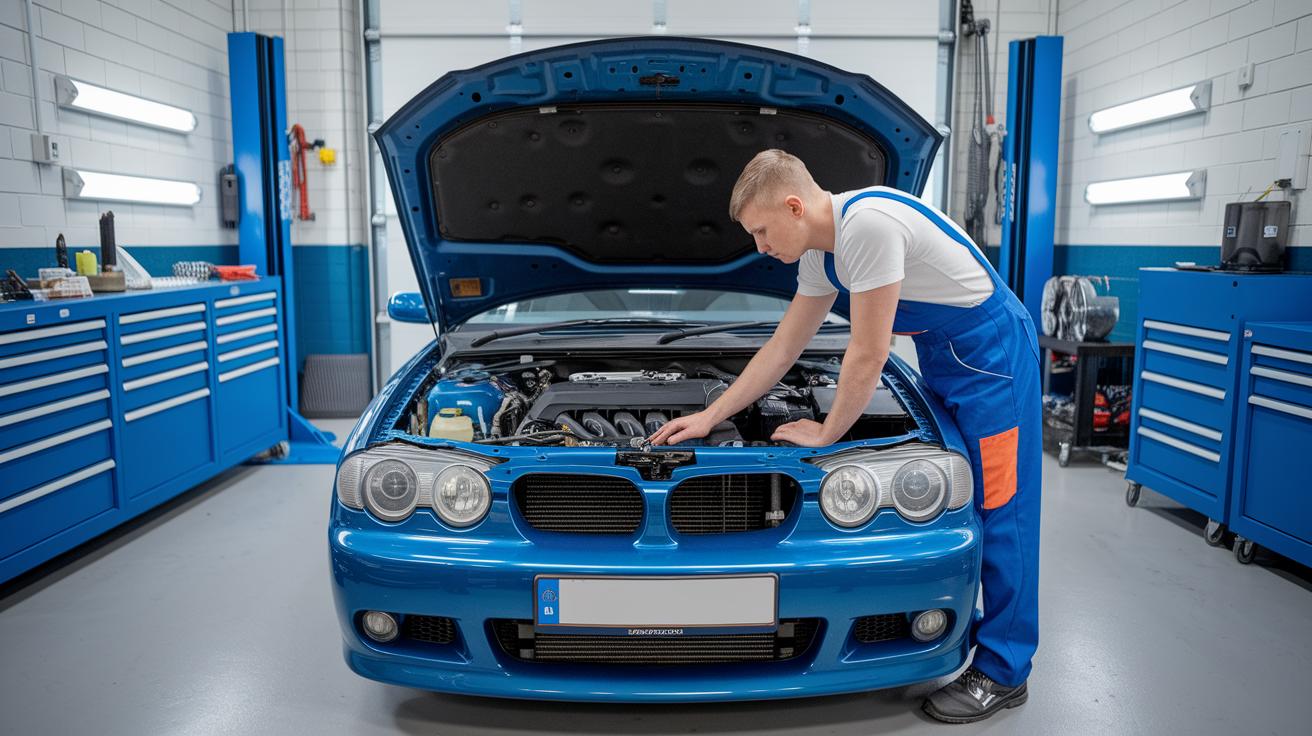
Ever feel like your car is trying to tell you something? Sometimes, a few small fixes can keep it running like a dream and stop little issues from turning into big, expensive repairs.
A quick look at your oil, tires, and battery goes a long way. It’s like using your owner’s manual as a handy guide, even if you’re just starting out, you can spot early signs of trouble. These simple checks can boost your car’s lifespan and help you feel more confident on the road. Ready to give your ride a little extra care?
Core Car Maintenance Tips for Beginners
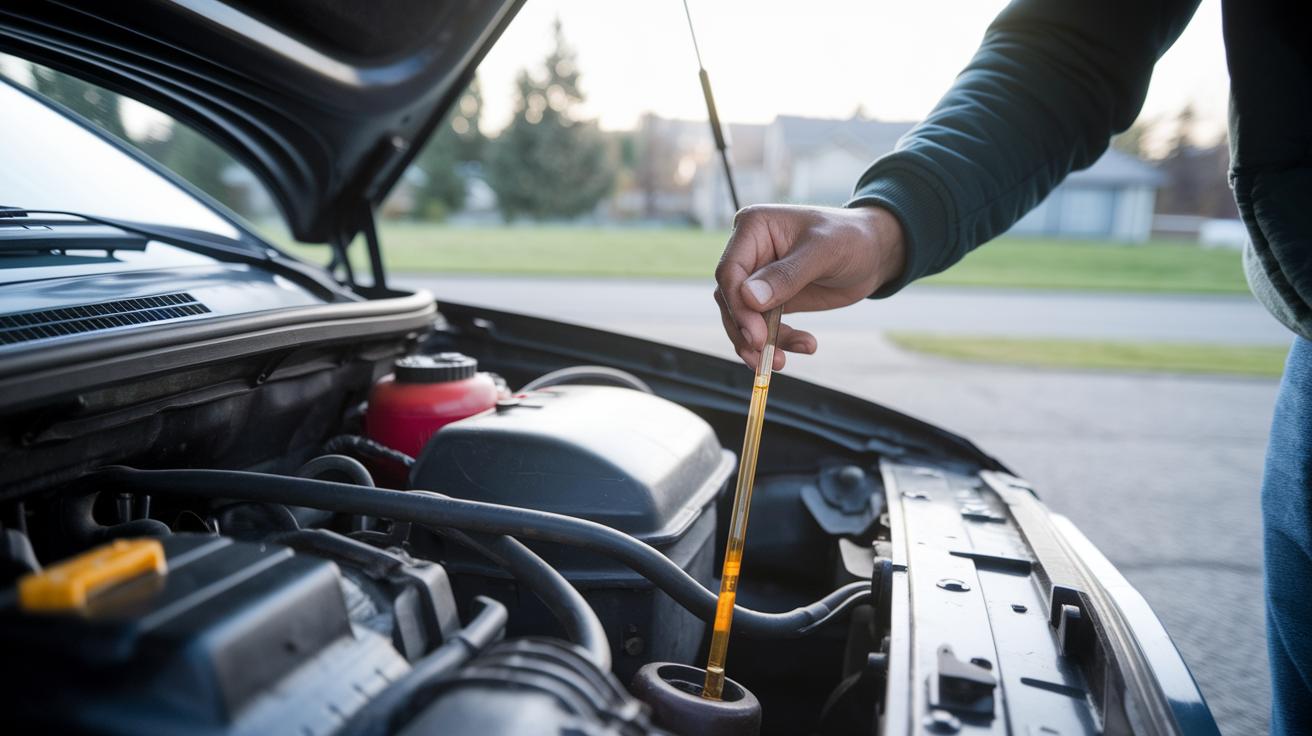
Routine checks keep your car running smoothly and help you catch problems before they grow. It's a good idea to give your ride a once-a-month look-over, even when it's purring along nicely.
Don't forget your owner's manual; it's like your car's roadmap. You'll find the oil dipstick, battery, spare tire, and jack in there, along with easy-to-follow tips on when to change the oil or check your tires. This guide becomes extra handy in hot weather when oil can break down faster.
- Flip through your owner's manual to locate the oil dipstick, battery, spare tire, and jack.
- Check your oil each month and plan oil changes every 5,000 to 7,500 miles.
- Use a tire pressure gauge monthly, and adjust to the PSI listed on your driver’s-door sticker.
- Keep an eye on your tire tread for any signs of uneven wear.
- Listen for any squeaks, vibrations, or longer stopping distances that might mean your brakes need attention.
- Regularly inspect your battery for any corrosion on the terminals.
- Make sure your coolant, transmission, brake, and power-steering fluids are filled to the proper levels.
- Give your car a wash and vacuum the inside to keep it looking sharp and to help prevent rust.
Sticking to these simple habits not only makes your car last longer, it also boosts your confidence on the road. And remember, having a trusted mechanic around can be a lifesaver when it comes to catching issues early.
Oil Change and Engine Inspection Tips for Beginners
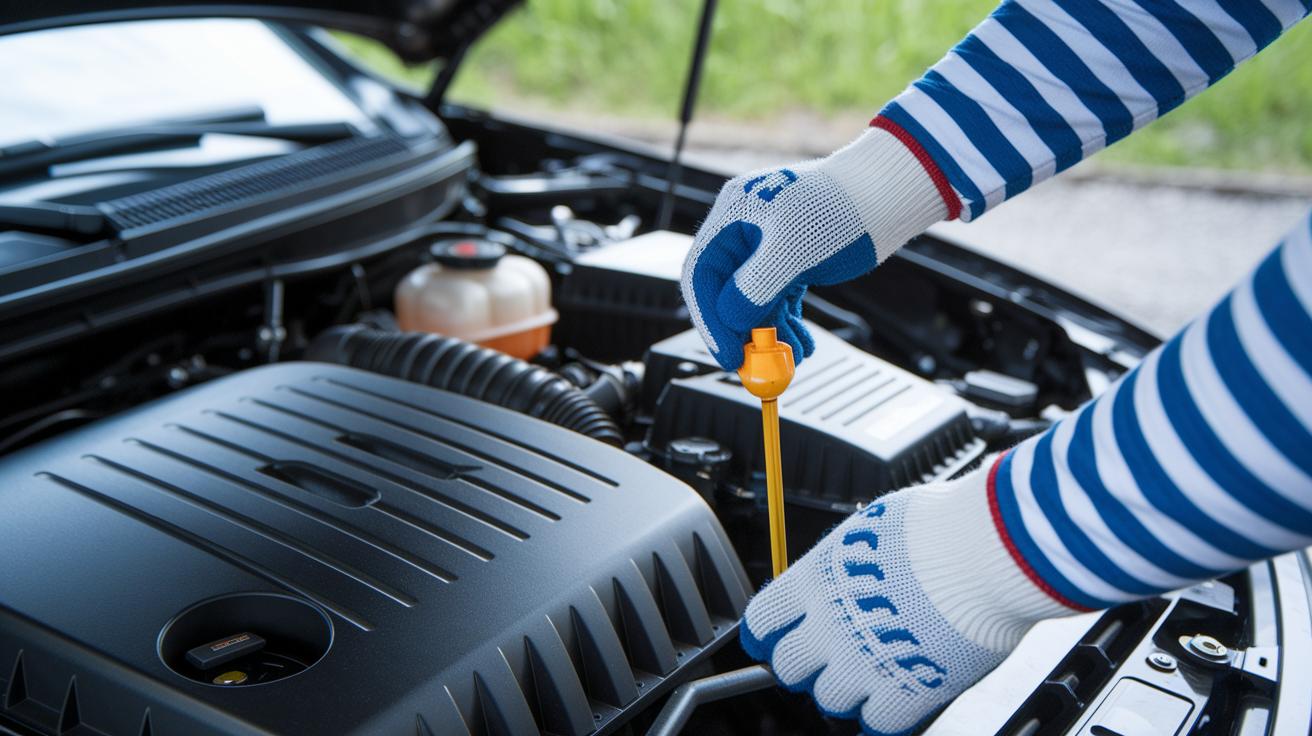
Clean oil is like a good friend for your engine, it keeps everything running smooth. Fresh oil slips between the moving parts, cuts down on friction, and helps your engine stay cool, which is super important when the Texas heat is on full blast and oil wears out quicker.
Checking Your Engine Oil
First things first, grab your owner’s manual to find out where the oil-fill cap and dipstick are hiding. Pull out the dipstick, give it a good wipe with a clean rag, and then put it back in all the way. Pull it out again to see if the oil level and color look just right. When the oil is at a good level and has a clear color, your engine is smiling. Most car makers suggest an oil change every 5,000 to 7,500 miles. If you’re after something that lasts a bit longer, synthetic oil might be your buddy, even though it costs a bit more. For more info on when to change your oil and picking the right kind, check out this link: Car Oil Change.
Conducting a Basic Engine Inspection
Once you’ve checked the oil, take a minute to inspect the engine belts and hoses. Look for any cracks or fraying that might cause trouble later on. Listen to the engine while it’s running, if you hear weird sounds or feel odd vibrations, it might be hinting at leaks or other issues like a problem with the oil pan or filter. A smooth, quiet engine is usually a sign that everything is in tip-top shape.
Doing these simple checks can make a big difference in keeping your engine happy. Always make sure the engine is cool before you start checking, and consider using gloves to keep your hands safe. Regular oil checks and quick inspections are an easy way to catch any issues before they turn into costly repairs.
Tire Maintenance Basics for New Car Owners
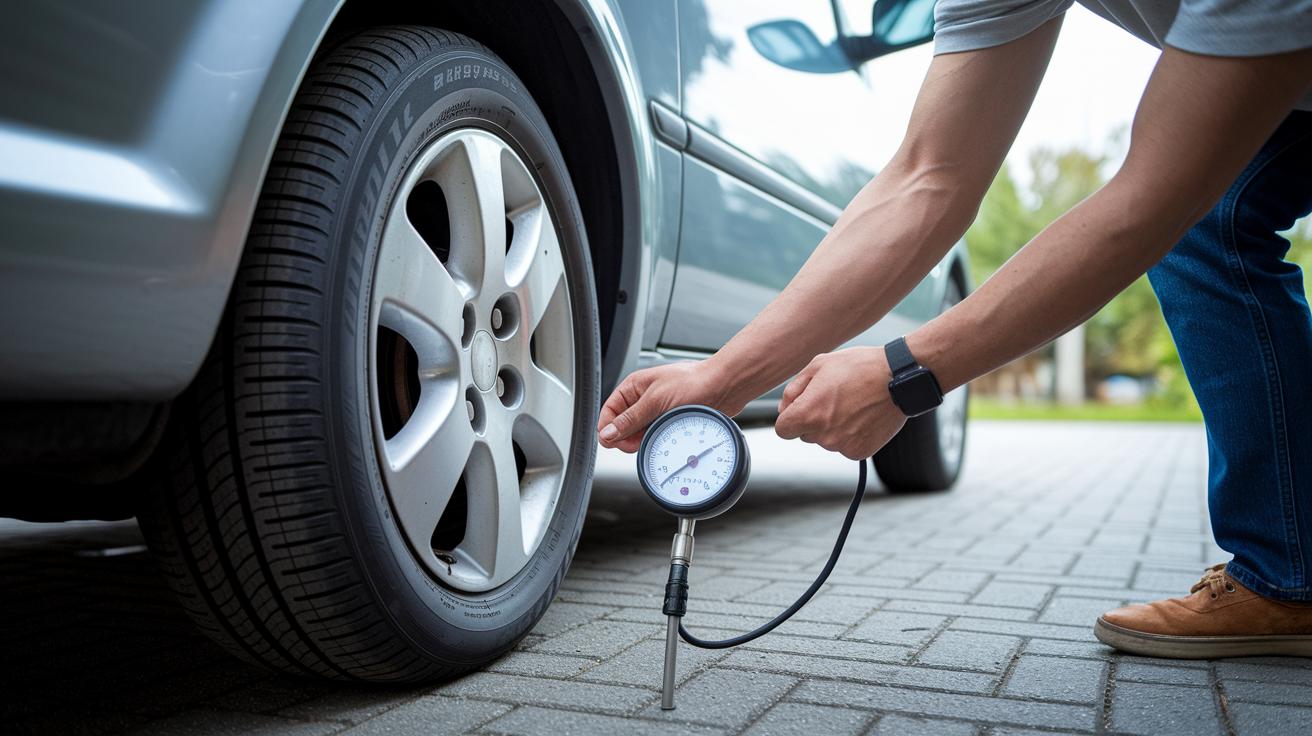
Keeping your tires in good shape is super important for staying safe and saving fuel. Every month, grab a pressure gauge and check if your tires are filled up just right, just match the number on the sticker inside your driver’s door. It’s also a smart move to look at the tread. If you see signs of uneven wear or bald spots, it could mean your car isn’t getting the grip it needs on the road. These little checks can help stop problems like blowouts, especially on long trips.
Another tip is to rotate your tires every 5,000 to 7,000 miles. Doing this helps your tires wear out evenly, which makes your ride smoother and keeps your tires in great shape longer. And if your car ever starts pulling to one side or shaking a bit more than usual, that might mean it’s time to get your wheel alignment checked, ideally once a year. Following a tried and true tire rotation pattern really does make a difference in performance and safety.
Brake System Checks and Care Tips
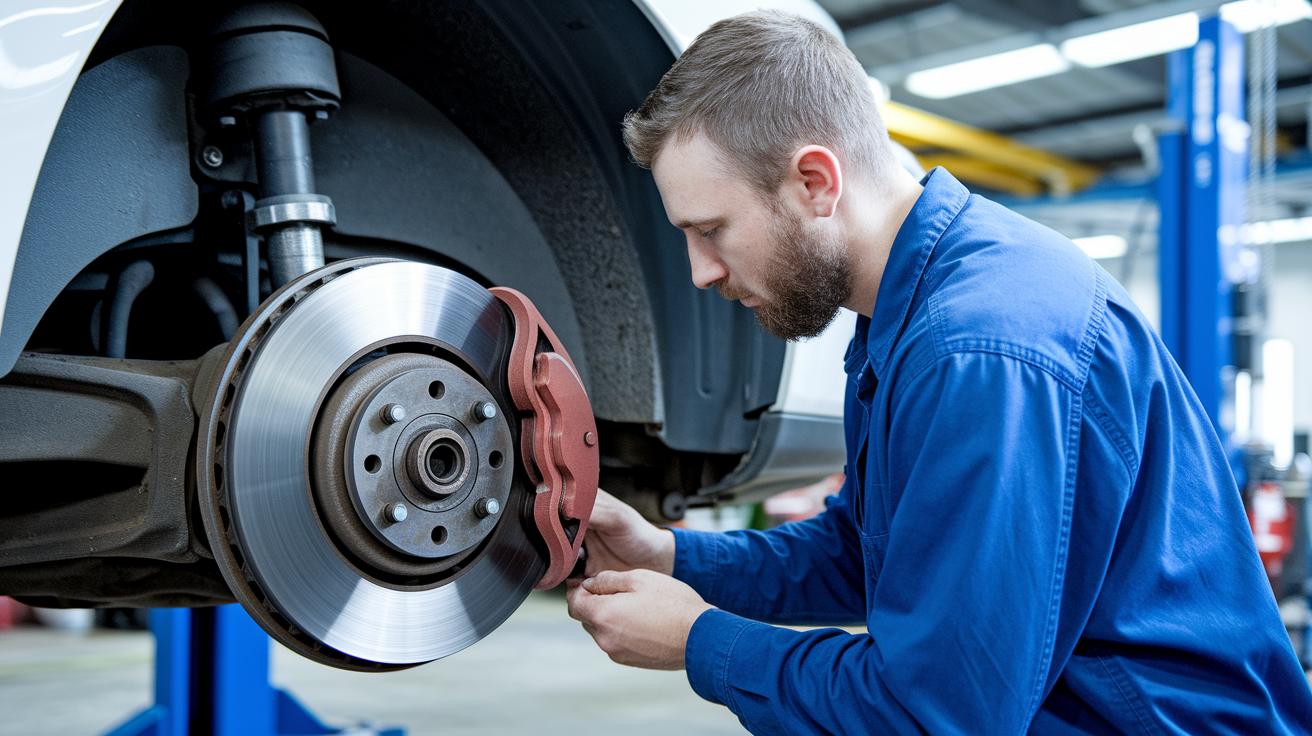
Start by giving your brake pads and rotors a good look. If you see uneven surfaces, scratches, or bits missing, it could be time for a replacement. And if you ever hear a squeak or grind when you brake, that's a clue your brakes might need some attention. Even a slight vibration in the pedal or a longer stopping distance can be a sign that wear is building up.
Next, check your brake fluid. Most experts suggest changing it every two years or following your owner’s manual guidelines. Fresh brake fluid stops moisture from building up, keeps your braking response sharp, and helps your system last longer.
Also, think about how you drive. Avoid sudden stops and heavy braking whenever possible. Smoother, gradual slowing down not only protects your brake pads but also lets you catch any issues early, helping you stay safer on the road.
Battery Maintenance and Basic Electrical Checks
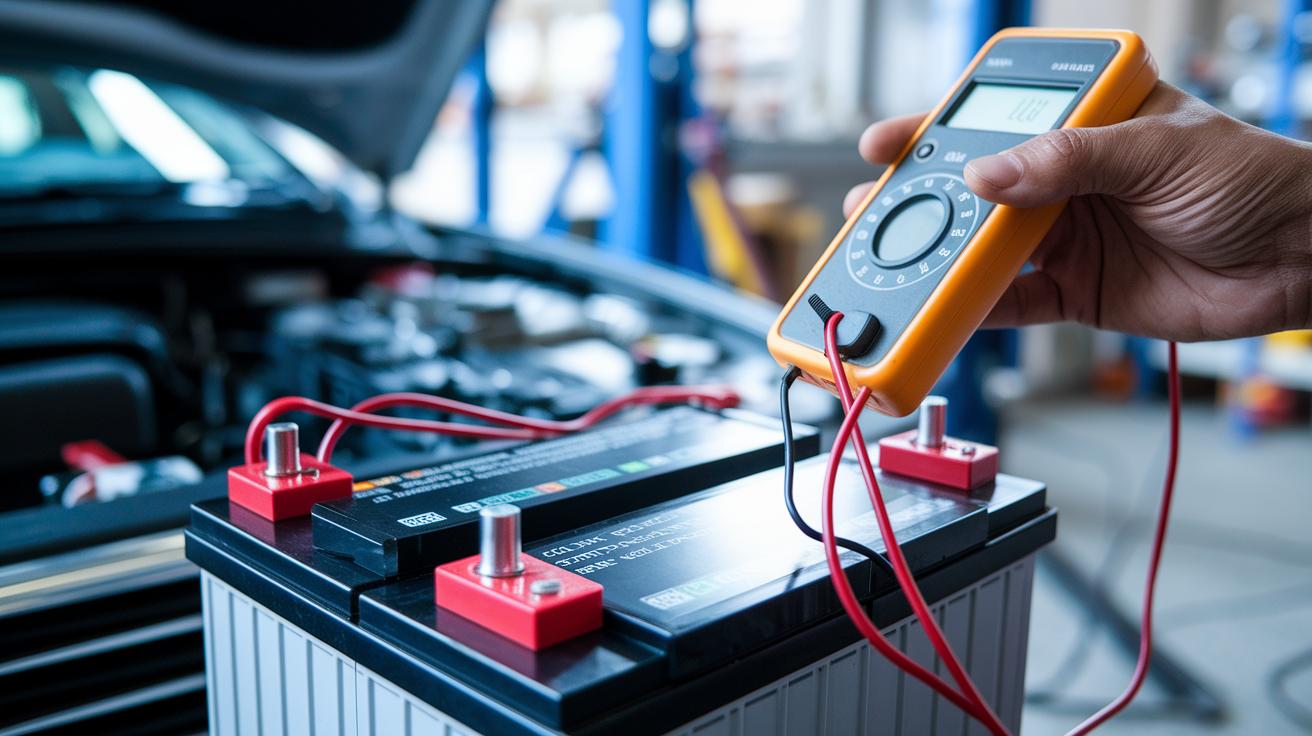
Every month, give your battery a quick look-over. Check if there’s any white or green buildup, which is corrosion, on the terminals. If you spot any, take a moment to clean it up. Grab your multimeter and test the voltage; you should see between 12.4 and 12.7 volts when the car’s resting. Dim lights or a slow crank might be hints that your battery is getting tired, and remember, most batteries have a life of about 3 to 5 years. For instance, if your engine struggles on a chilly morning, it’s probably time to check your battery’s health.
Next up, take a look at the alternator and its belt. Make sure the belt is tight and free from wear, because a worn belt can slip and cause the battery to undercharge. If you hear odd noises or see the lights flicker when you accelerate, that’s a clear sign to get it checked by a pro. Keeping up with these checks helps your electrical system run smoothly, saving you from unexpected breakdowns.
Inspecting Essential Fluid Levels with a Quick Reference Table
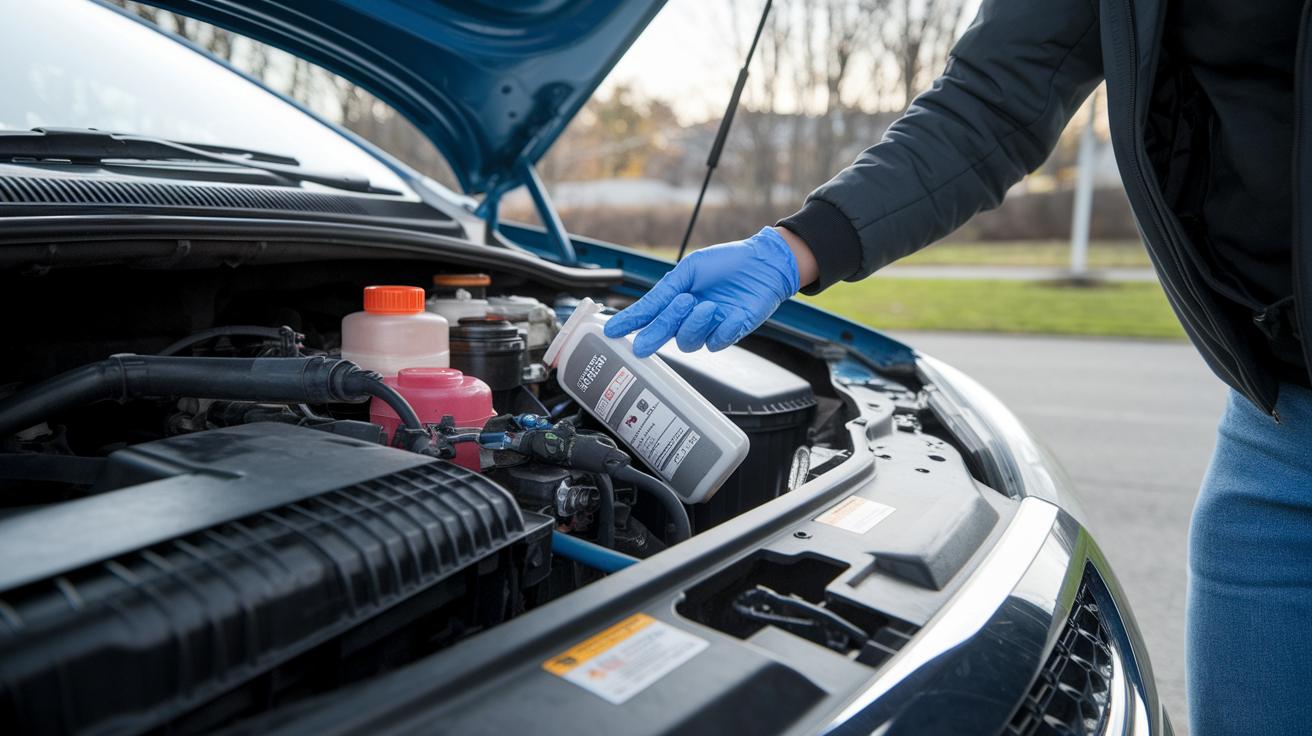
Before you dive into a fluid check, be sure your engine is completely cool and your car is parked on a level surface. Don’t forget to wear gloves while you inspect your car’s fluids, it's a simple step that keeps you safe and your ride running smoothly. I always recommend checking your owner's manual to know which fluid type to use since manufacturers have specific formulas and capacities in mind.
Think of this guide as a handy reminder for when to check and top off each fluid. For instance, you’ll want to look at your coolant in both the reservoir and under the radiator cap, while your transmission fluid is best checked via the dipstick for proper level and color.
| Fluid | Location to Check | Frequency | Typical Capacity |
|---|---|---|---|
| Coolant | Coolant reservoir and radiator cap | Monthly | Varies by engine |
| Engine Oil | Oil dipstick | Monthly | Depends on model |
| Transmission Fluid | Transmission dipstick | Every 5,000-7,500 miles | Specified in owner’s manual |
| Brake Fluid | Brake fluid reservoir | Every 1-2 years | Manufacturer specified |
Stick to your service intervals for routine checks and maintenance to keep your car in tip-top shape.
Maintaining Visibility: Lights and Wiper Blade Replacement

When it comes to a clear view on the road, don't wait until your wipers are throwing streaks. Swap out your wiper blades every 6 to 12 months, or as soon as you notice they're leaving marks, it's as easy as popping off the old ones and snapping in the new set. I remember the first time I saw streaks on my windshield; changing the blades made everything look as clear as when you clean a pair of glasses.
Make it a habit to check your headlights, brake lights, and turn signals each month. Wipe off any dirt from the lenses and ensure every bulb lights up properly. And if you see any dashboard alerts like check-engine, oil-pressure, or battery warnings, get them sorted out right away before they turn into bigger problems.
Building a DIY Maintenance Routine and Keeping Records

Start by setting reminders, it’s like giving your car a friendly nudge to stay on top of its needs. Use your phone or calendar to mark oil changes, tire checks, and brake inspections; that way, you never miss an important service date. A small reminder can help you dodge big problems and even save you money over time. Think of it like planning a quick pit stop during a busy day; it's simple and turns upkeep into a natural habit.
Keeping your maintenance history tidy is just as important. Whether you use a paper log or a basic spreadsheet, tracking mileage, service dates, and upcoming tasks will keep everything organized. It’s not only helpful for you but also gives you confidence when chatting with a mechanic about your car’s needs. Imagine it as your very own car diary that makes troubleshooting and planning future services a breeze.
To make the routine even smoother, try using printable or digital checklists to cover all your regular tasks. Plenty of drivers swear by online tools like the Car Maintenance Checklist for guidance. Play around with different templates or apps until you find one that really clicks. Staying organized means you’re always ready for that next step, helping your car perform at its best every time you hit the road.
Final Words
In the action, we walked through core checks, from oil and engine inspections to tire, brake, and battery care. We covered fluid levels, light upkeep, and the ease of starting your DIY maintenance routine with simple phone or calendar reminders.
These car maintenance tips for beginners make handling your vehicle tasks manageable and boost your confidence behind the wheel. Keep regular checks, lean on your owner's manual, and enjoy a smoother ride ahead!
FAQ
How do I create a car maintenance checklist, and where can I find templates or PDFs?
Creating a car maintenance checklist means listing tasks like oil changes, tire pressures, and brake inspections. Downloadable templates and PDFs help you track these tasks by mileage, making upkeep easier.
What are some essential car maintenance tips for beginners?
Essential tips for beginners involve checking oil levels, tire pressure, and brakes regularly. Reading your owner’s manual is key since it shows you where important parts like the oil dipstick and battery are located.
What is the 30-60-90 rule for cars, and how does it help me?
The 30-60-90 rule guides critical service intervals after you start driving. This helps ensure you inspect your car at set milestones, keeping your vehicle running smoothly and safely.
What is the first rule of car maintenance?
The first rule of car maintenance is to follow your owner’s manual. It provides clear instructions on how to check vital systems and helps you understand the routine tasks needed to keep your car in top shape.
How can I start learning about car maintenance?
You can begin learning car maintenance by studying your owner’s manual and practicing basic checks like fluid levels and tire pressure. Starting small builds confidence, eventually leading to more hands-on upkeep skills.