Guides
Understanding Car Depreciation: Smart Value Insights
By jamesdimon
September 25, 2025
Field Notes

Have you ever noticed how fast your car loses its value? Think of it like your favorite sneakers that slowly get worn out each time you use them. The moment you roll off the lot, your car starts losing worth. In fact, a brand-new car can drop up to 20% of its value in just the first year.
In this post, we're going to break down what those numbers really mean for your wallet. We'll share some smart tips and insights to help you see the whole picture of how car depreciation works. Ready to dive in?
Car Depreciation Explained: Causes, Calculation, and Impact

Depreciation is how a car loses its value over time, and it starts the moment you drive it off the lot. Imagine buying a new car for $30,000 and then seeing it lose about 20% of its value, around $6,000, in just the first year. Over five years, that drop can reach up to 60% of the car’s original price. Ever wonder why your car might be worth less when you decide to sell it later? That's because depreciation slowly cuts into the resale or trade-in value, adding to the true cost of owning a car.
Understanding these numbers is key when you're making a decision. When your car loses value, you’re really losing part of what you paid for it, and that can mean lower offers if you try to sell or trade it later. This is one reason many people choose a used car instead. Used cars have already taken that big hit in value, which can make them a smarter buy in the long run. Knowing how depreciation works helps both buyers figure out future costs and sellers set prices that match the car’s age and condition.
Key Factors Driving Car Depreciation

When you're getting ready to buy or sell a car, it's smart to know what makes its value drop. Each car wears out at its own pace, and lots of factors can chip away at its worth. Knowing what these factors are can help you feel more confident and avoid surprises later on.
High mileage is a major factor. Just like your favorite shoes, the more miles a car travels, the more it shows signs of wear. And if a car has a history of frequent breakdowns or expensive repairs, it's likely to lose value faster than one that's known to be reliable.
Another thing to watch for is how many owners a car has had. If it’s been passed around a lot, buyers might worry there are hidden issues. The car's overall condition matters too, dents, scratches, and worn interiors can add up and really affect its price.
A complete service history can be a big plus. If the car has been well taken care of with regular tune-ups and maintenance, it usually holds its value better. Similarly, if there's a warranty still in place or even an extended one, buyers feel a bit more secure.
Design and features play a role as well. Cars that are stylish or packed with sought-after features tend to keep their value longer. And when it comes to size, larger vehicles like luxury SUVs might drop in value quicker than smaller, more efficient cars.
Lastly, think about fuel economy and emissions. Cars that are good on gas and have lower emissions often attract buyers who are watching their budgets and the environment at the same time.
Measuring Depreciation: Methods, Formulas, and Models
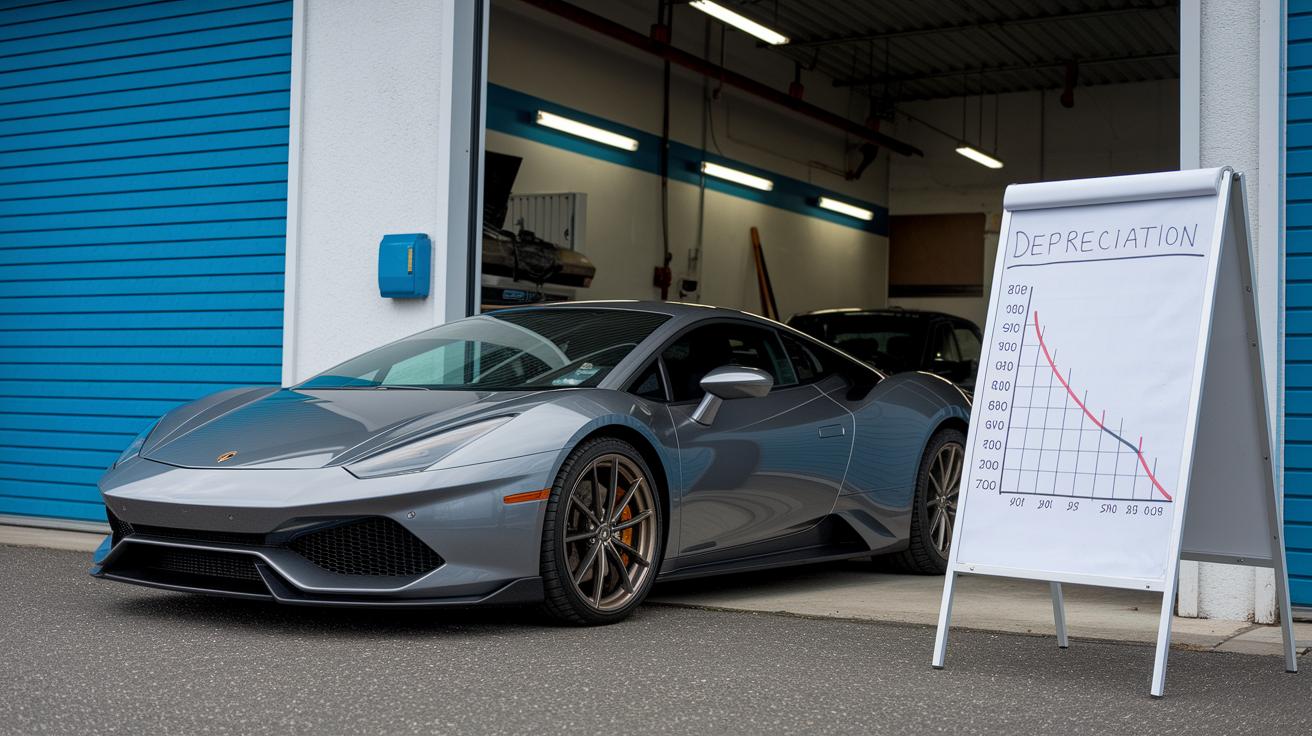
Ever wonder how a car gradually loses its value? It’s pretty simple once you break it down. We use a few straight-forward math tricks that show how much a car’s worth drops each year. Whether you’re planning to sell soon or just curious about long-term costs, these methods clear things up.
Straight-Line Method
With the Straight-Line Method, depreciation is spread out evenly over the vehicle’s useful life. The formula is (Cost minus Salvage Value) divided by Useful Life. Picture slicing your favorite pie into equal pieces, each year gets a fair share. It’s a great, easy way to budget if your car’s value drops at a steady pace.
Declining Balance Method
Now, the Declining Balance Method takes a different approach. Here, you apply a fixed percentage to the car’s book value at the start of each period. The formula? Book Value multiplied by Depreciation Rate. This method is ideal for those new cars that lose a lot of value right off the bat. Think of it like that initial drop in shine when a new car starts its journey.
Sum-of-the-Years’-Digits
Finally, there’s the Sum-of-the-Years’-Digits method. This one puts more of the depreciation expense in the early years and then gradually eases off. It’s like front-loading the wear and tear costs so that you deal with the biggest drops first. Over time, the amount lessens, making it a balanced way to handle the expense.
| Method | Formula | Best Use |
|---|---|---|
| Straight-Line Method | (Cost – Salvage Value) / Useful Life | Even, steady depreciation |
| Declining Balance Method | Book Value x Depreciation Rate | High early value loss |
| Sum-of-the-Years’-Digits | Weighted depreciation based on remaining years | Heavier initial costs |
Depreciation Examples: Annual Decline Patterns and Benchmarks

Cars lose a good chunk of their value right out of the gate. In the first year, you might see a drop of about 15% to 35% of the price. So if you buy a car for $30,000, expect it to lose roughly $6,000 to $10,500 in just one year. Over three years, many vehicles can lose up to half of their original cost. It’s like watching the value slowly drip away with every mile and every drive.
Consider this: a $30,000 compact car might drop $6,000 to $10,500 in its first year. Then, in the second year, it could lose another $4,000 to $7,500. These aren’t just numbers on paper, they show how everyday driving and use chip away at a car’s worth, much like how a high-performance tire loses grip after its first few spins on the track. It really highlights why keeping up with maintenance and monitoring mileage is so important.
Different types of cars depreciate differently. Compact models might still hold onto 60% to 70% of their value after three years, which can be a big plus if you’re planning to sell later. On the other hand, luxury cars, with their fancy features and higher starting prices, usually retain only about 40% to 50% of their initial cost. In other words, the kind of car you choose can really shape how steeply its value drops over time.
Strategies to Mitigate Car Depreciation

Keeping your car in top shape means fewer trips to the mechanic and helps keep its value from dropping too fast. One handy tip is to keep your annual mileage low, aim for under 10,000 to 12,000 miles if you can. Following the manufacturer’s service plan and keeping a full service history works wonders too. It’s a bit like taking care of a beloved garden; a little regular care now means your car will be in better shape for future buyers.
Fixing up dents, scratches, and any little mechanical issues as soon as they pop up is another smart move, kind of like mending a small leak before it balloons into a big problem. And when it comes to modifications, keeping things simple can really print in your favor when it's time to sell. Many savvy car owners even choose nearly new or certified pre-owned vehicles to avoid that steep drop new cars face. In short, a well-maintained, low-mileage car that’s been cared for tends to stand out in the market and can earn you a better resale or trade-in price.
Depreciation’s Effect on Resale and Trade-In Values
Your car naturally loses a bit of its shine (and value) as the years go by, and that drop sets the starting point for its trade-in or resale price. Dealerships know this too well, they factor in depreciation from the start, which means their offers usually kick off lower.
Ever thought about selling before a new model or redesign hits the lot? Timing matters, and doing so might bump up your return by roughly 5–10%. Plus, buyers are more drawn to a car that sports a trendy color and comes with a full service record. A vehicle that's been well taken care of gives buyers confidence, just like a well-maintained home gets top offers.
When it comes to private-party sales, things can look a bit brighter. Typically, you could earn 10–15% more than a dealer’s trade-in offer because individual buyers appreciate a car that’s been carefully looked after and showcased nicely. Imagine setting up your ad with clear repair records and crisp photos, it’s a lot like selling a prized collectible. By writing honest, straightforward descriptions and putting in that extra bit of care, you can really make your car stand out and even see a noticeable boost in its resale and trade-in values.
Final Words
In the action, we broke down how a car loses value starting the moment you hit the road. We covered the key factors, calculation methods, and practical tips to manage your vehicle’s decline in worth.
We wrapped up with real-life examples and smart strategies to help preserve your car's value. Embracing an understanding car depreciation keeps you on track to make sharper, informed decisions and enjoy enhanced automotive experiences.
FAQ
What is a car depreciation calculator and how does it work?
A car depreciation calculator estimates your vehicle’s value loss over time using formulas or charts, helping you plan resale timing and understand overall ownership costs.
How do car depreciation charts by year help track value loss?
Car depreciation charts by year show annual percentage drops in value, making it easier to forecast your vehicle’s resale worth as it ages.
How do different models affect car depreciation rates?
Car depreciation rates vary by model, reflecting differences in brand reputation, build quality, and market demand, which influence how fast a car loses its value.
What is the car depreciation formula and how is value loss calculated?
Car depreciation is calculated using formulas like the straight-line method, which subtracts a car’s estimated salvage value from its initial cost and divides by its useful life.
What does a 20% depreciation rate mean for my car?
A 20% depreciation rate means your vehicle has lost one-fifth of its original value, a common drop typically seen in the first year of ownership.
What is the average car depreciation after five years?
Average car depreciation after five years is around 60% of the original value, significantly impacting resale and trade-in prices.
How can I better understand car depreciation?
Understanding car depreciation involves learning how different calculation methods and market factors influence value loss, aiding in smarter buying and selling decisions.
Is there a good depreciation rate I should look for when buying a car?
A good depreciation rate is one where the car retains value well; vehicles known for fuel efficiency and reliability usually depreciate at a slower pace.
How does car depreciation vary by brand?
Car depreciation by brand depends on each brand’s reliability and market reputation, with trusted brands generally maintaining higher resale values over time.