Maintenance
Oil Level In Car: Quick & Clear Check
By jamesdimon
September 26, 2025
Field Notes
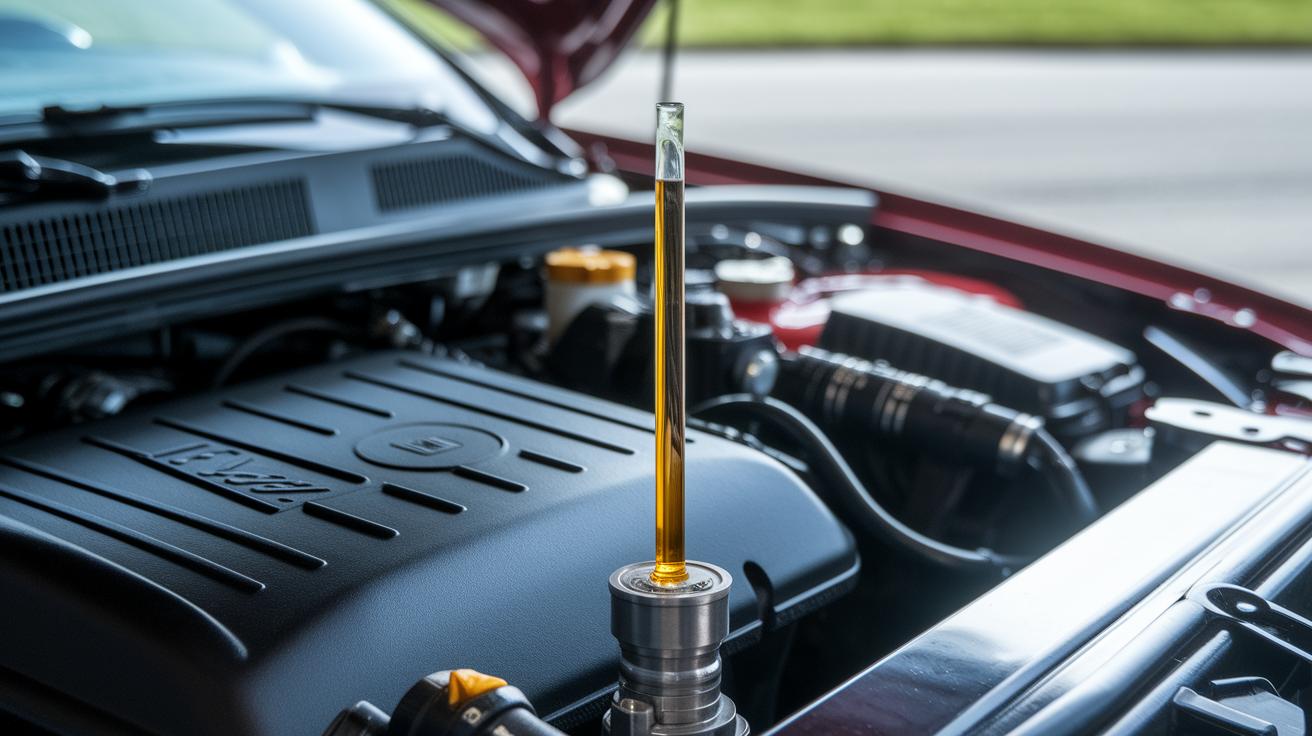
Ever wonder if your engine’s running on empty? Checking your oil is a quick step that can save you a bunch of time and money later. All it takes is a short dipstick check to see if your engine’s getting the care it needs. Today, we’re walking you through how to get an accurate reading, almost like checking yourself in a mirror, and why watching your oil level is key to a smooth-running car. Ready to see just how easy it is to keep your ride in top shape?
How to Check Oil Level in Car with Dipstick
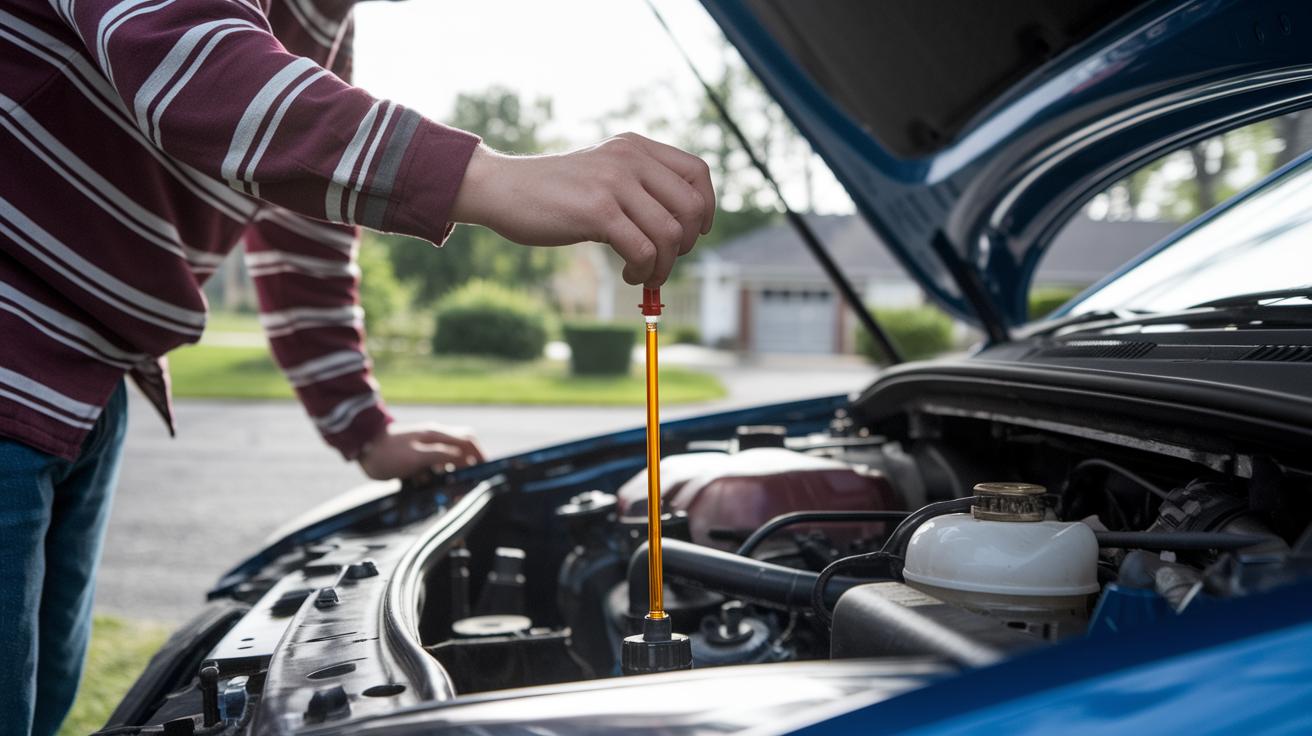
First off, park your car on a flat spot so the oil settles evenly. And if you've been driving, give the engine about 10 minutes to cool down. This little wait lets the oil drop back into the pan from all over the engine, kind of like letting cake batter rest before you bake it.
Next, pull out the dipstick and wipe it clean with a rag or paper towel. This quick wipe gets rid of any old oil that might mess up your reading. Once it's clean, put the dipstick all the way back into its tube and then pull it out slowly. Take a look at where the oil sits compared to the two marks on the dipstick. You’ll usually see a lower and an upper mark, which tell you if your oil level is just right. The marks might be lines, notches, or hatch patterns, so make sure you have good lighting to see them clearly.
If the oil is below the minimum mark, it means it's time for a top-up. Check your owner’s manual to see what type and thickness of oil your car needs. Using the right oil is important because it keeps your engine well-lubricated and prevents damage. If you need extra advice on topping off oil safely, you can check out the guide at this link: https://unionno.com?p=92.
Following these simple steps not only helps you know your car’s oil status but also keeps your engine running smooth and healthy.
When and Where to Inspect Oil Level in Your Car

It’s a good idea to check your engine’s oil after you’re done driving and right before you take off on a long trip. Find a flat, safe spot, like your driveway or a quiet parking lot, so that the oil can settle and give you an accurate reading.
Here are a few key tips to keep in mind:
- Let the engine cool for a few minutes before you poke around. A warm engine keeps the oil moving, which can make your reading off. For instance, if you’ve been stuck in city traffic, wait a bit before lifting the dipstick.
- When you’re checking your oil along the roadside, put on some high-visibility clothing. This helps make sure you’re seen by other drivers.
- Do a quick fluid check before you hit the road. A simple look at your oil level can catch problems early and keeps your engine running smoothly.
Car makers usually recommend giving your oil a look every few weeks, and especially before you set off on a long journey, to keep everything running as it should.
Interpreting Dipstick Markers for Car Oil Level
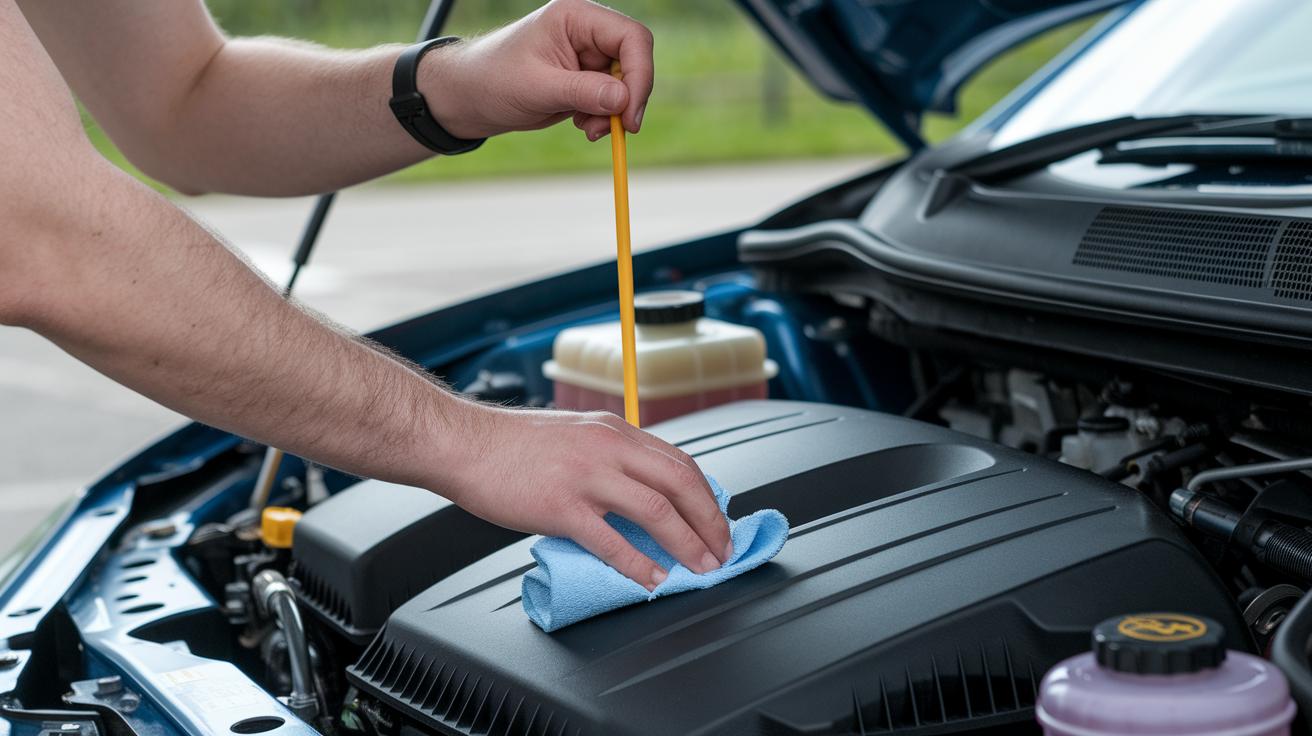
Ever check your dipstick and wonder what those little markers mean? They might be lines, small holes, notches, or hatch patterns. The oil should sit right between the minimum and maximum spots, so you know it's at the right level.
Picture this: one marker is a simple line at the bottom, and the other is a notch at the top. Your goal is to have the oil level exactly in between. I learned early on that even a tiny oil smear can throw off the reading.
Before each check, grab a rag or paper towel and give the dipstick a good wipe. This stops any leftover oil from messing with your view.
Then, reinsert the dipstick slowly and pull it out under good lighting. This helps you see where the oil film really ends, separate from any residue. Because dipstick designs can differ, sticking to the same careful method every time is key for keeping your engine properly lubricated.
Oil Level in Car Sensors vs Dipstick: Modern Verification
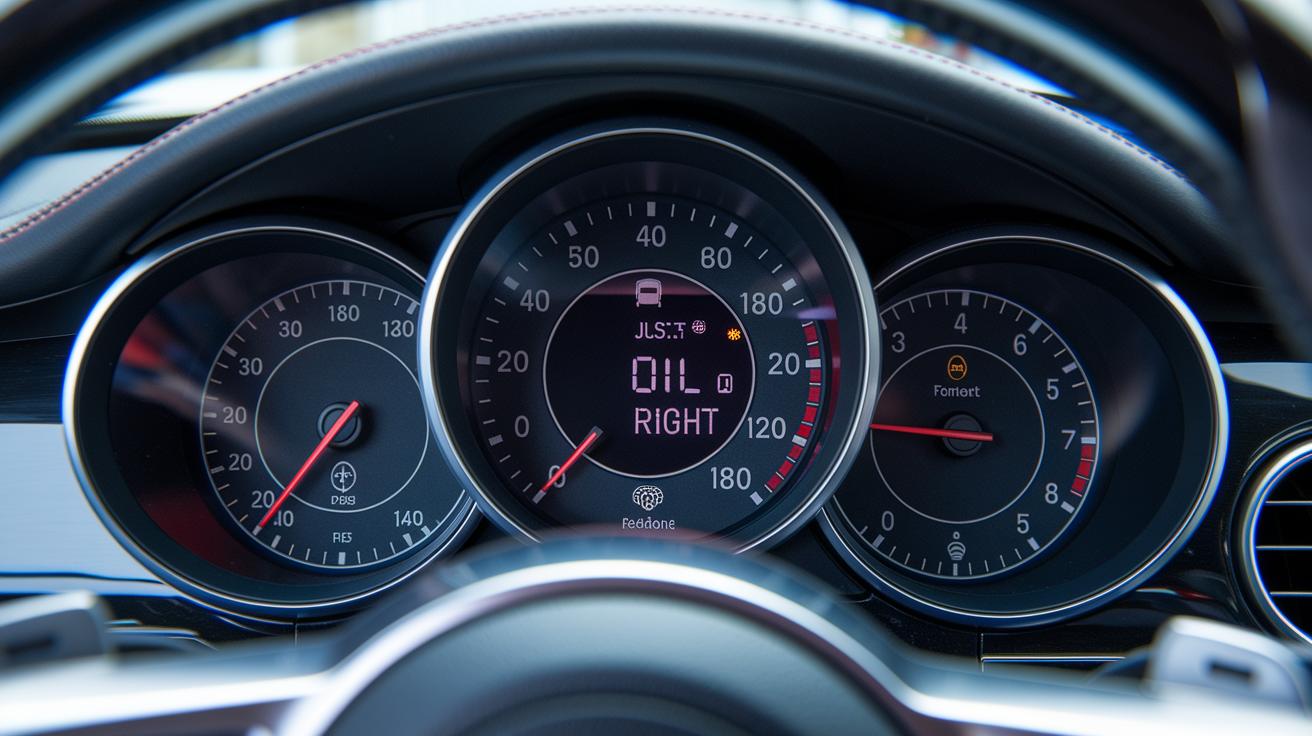
Most modern cars now come with digital oil level sensors that you can see right on the dashboard or access through your car’s onboard computer. They give you live readings while the engine is running, making oil checks super quick and simple. Ever notice how a sensor reading pops up just after starting your car that says your oil level is just right?
But sometimes, these digital sensors can slip up because of software hiccups or a faulty sensor. When that happens, a trusty old dipstick check is your go-to backup. You might even say, "I trusted the dashboard reading, but the dipstick told a different story." Just make sure to wipe the dipstick clean before you put it back in so you get a true measure.
Mixing both methods can really help catch any differences in real time. Many drivers still lean on the old dipstick method if the digital sensor seems off. If there's any mismatch, it's a smart move to double-check manually. Factors like engine heat or long drives can sometimes throw off sensor readings, so using both approaches gives you a full picture of your car's oil status and keeps everything running smoothly. Stay alert out there!
Troubleshooting Low Oil Level in Car and Maintenance Tips
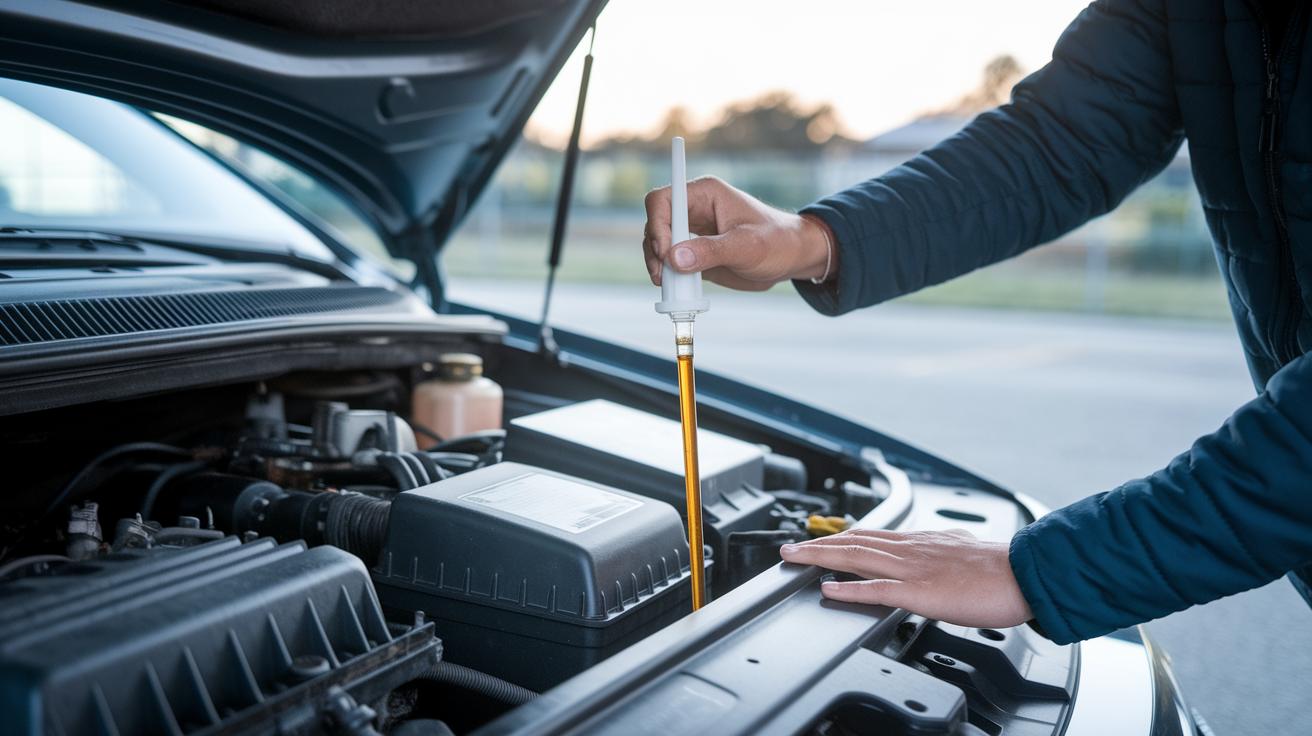
If your dipstick shows oil below the minimum mark, your engine is running low. Don’t wait! Add oil that matches your car’s guidelines from the owner’s manual. Using the wrong oil can mean less lubrication and more wear on your engine.
Overfilling is another thing to watch out for. When the oil level climbs above the maximum mark, extra oil can foam up and increase pressure inside your engine. High pressure can hurt performance and cause damage over time. To fix it, carefully drain off the extra oil until the level is just right.
Sometimes the look of your oil tells you what’s up. If it looks thick, gritty, or even milky, that could mean there’s internal contamination or wear inside the engine. For example, if you check your oil and it seems cloudy or has particles floating around, it’s a signal to have a professional take a closer look.
Here are some simple tips to keep your engine happy:
| Tip | What to Do |
|---|---|
| Clean Dipstick | Wipe it clean before checking for an accurate reading |
| Regular Checks | Monitor your oil every month or before long trips |
| Follow Manufacturer Guidelines | Stick to the recommended oil type and viscosity |
Paying attention to these little details not only keeps your engine well-lubricated but also helps it run smoothly for many miles to come.
Manufacturer Guidelines and Maintenance Intervals for Oil Level in Car
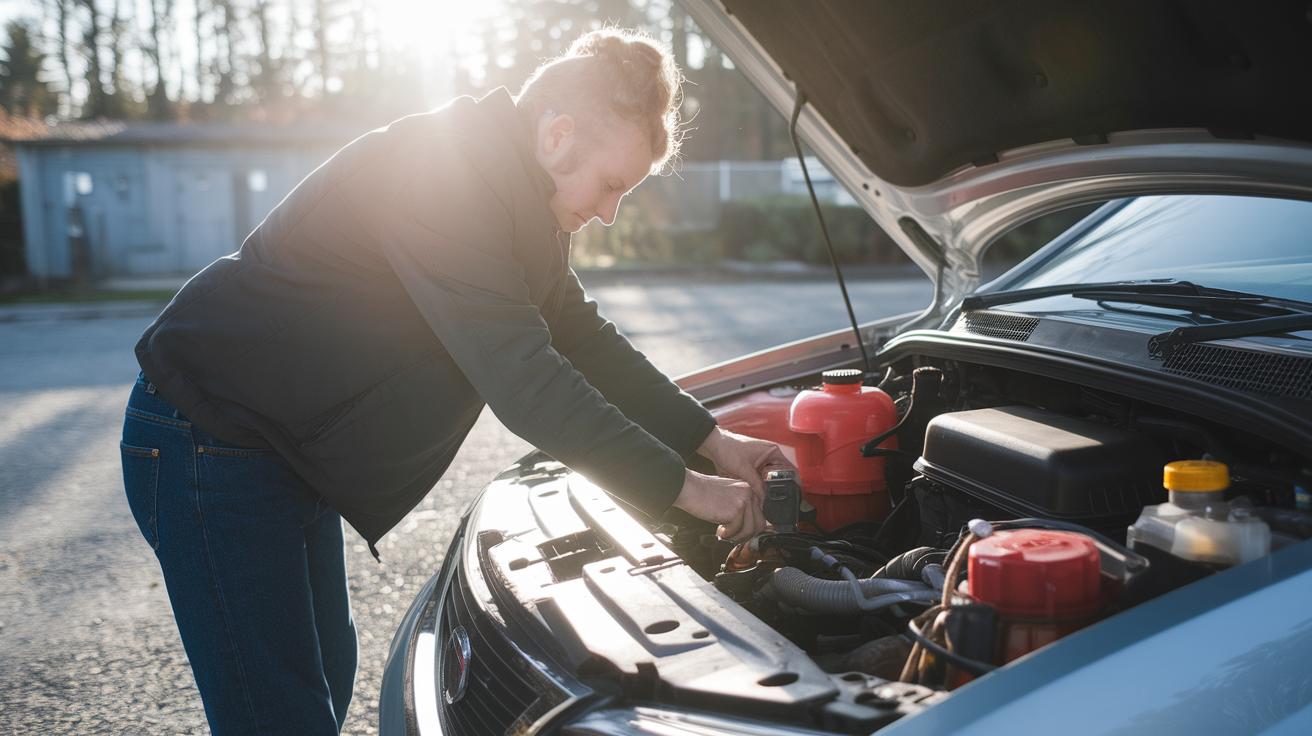
Follow your owner's manual like a trusted roadmap, most cars call for an oil change every 5,000 to 7,500 miles, though some might have their own special directions. It’s a good idea to peek at your oil level once a month and before any long trips to make sure it sits neatly between the minimum and maximum marks. That way, you catch any issues early and keep your engine chugging along nicely.
When you top off or change your oil, use the exact grade, volume, and viscosity your car’s maker recommends. Using the right oil is like choosing the perfect ingredients for your favorite meal, it keeps the engine’s film thickness just right so all the important additives can do their job. Regular check-ups along with timely oil changes can make a world of difference in how smoothly your car runs.
Sticking to these guidelines not only keeps your engine happy and running at its best, but it also helps you stay in line with warranty requirements and boosts your overall vehicle reliability.
Final Words
In the action, we walked through checking the oil level in car using a dipstick and compared it to digital sensors. We covered safe reading methods, proper dipstick handling, and troubleshooting low oil conditions. The article also reminded readers to inspect oil on a level surface and follow manufacturer guidelines for timing and maintenance. Keep these tips in mind so your engine stays well-lubricated and ready for any outing. Happy motoring and here’s to a smooth, reliable ride!
FAQ
Should I check my oil when the engine is hot or cold?
Checking oil works best when the engine is slightly cool. Waiting about 10 minutes lets the oil settle for an accurate reading on level ground.
How do I properly check the oil level using the dipstick?
The process involves removing the dipstick, wiping it clean, reinserting it fully, then pulling it out to see if the oil sits between the minimum and maximum marks.
How is the oil level indicated on the dashboard or via sensors and how should I use these readings?
Dashboard sensors deliver an electronic oil reading, but using a manual dipstick as a backup provides a reliable cross-check for accurate oil level measurement.
What does a correct oil dipstick reading look like?
A proper reading shows oil between the dipstick’s minimum and maximum markers. Readings below or above suggest you need to add oil or may be dealing with overfill issues.
Is it safe to drive with a low oil level?
Low oil levels reduce engine lubrication and can cause damage. It’s best to check and add oil promptly to protect your engine from unnecessary wear.
Can I simply add oil if my oil level is low?
Adding the recommended oil can quickly remedy low levels. If low oil continues, consider checking for leaks or other issues to avoid engine problems.