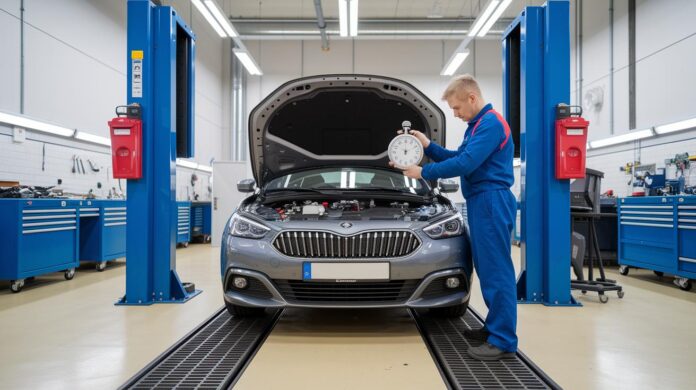

Ever notice how car servicing sometimes feels like a long wait at the doctor’s office instead of a quick pit stop? Your ride might be good to go after a quick oil change in under an hour, or it might need a few extra hours for a full check if there are any issues. We’re here to break it down for you with clear, simple facts on how long different services take. Whether you're in a rush or planning ahead, these tips help you keep track of time and ensure your car stays in tip-top shape.
Average Car Servicing Time Estimates
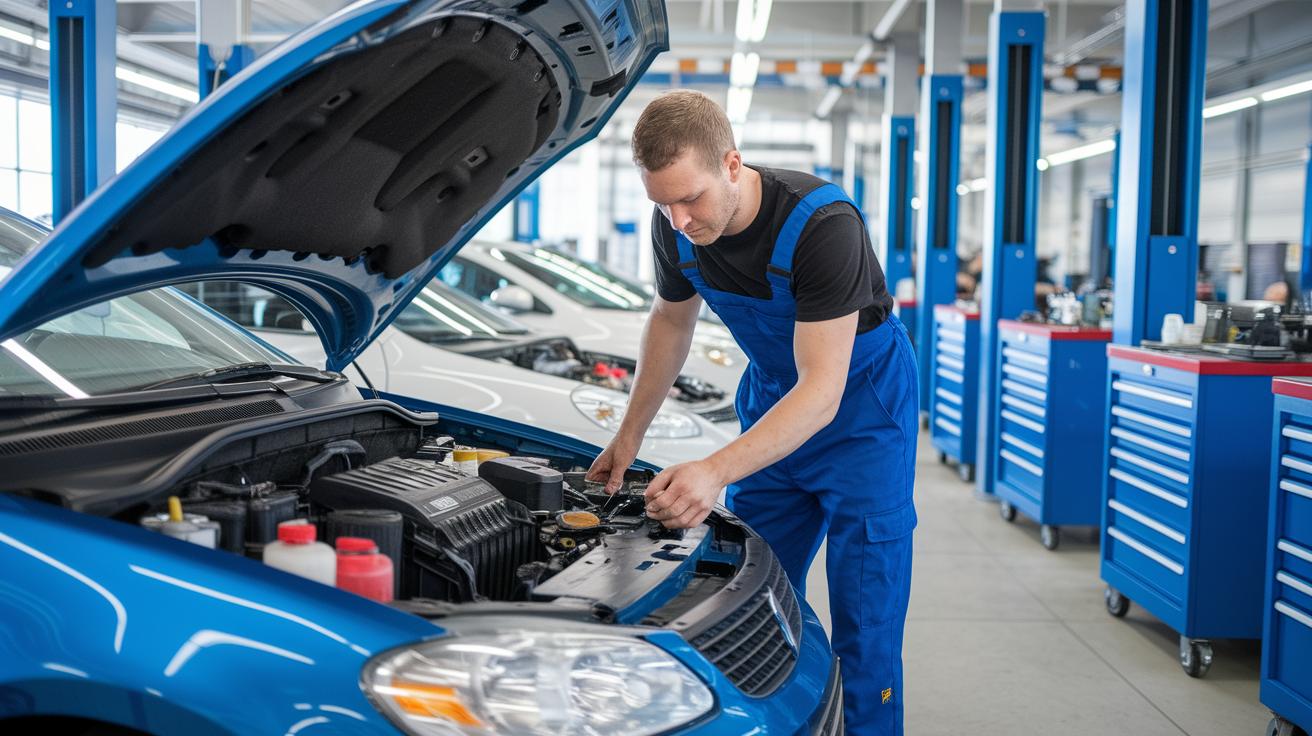
If your car needs a basic tune-up, like an oil change, filter swap, or a few quick safety checks, it usually takes about 1 to 2 hours. Sometimes, if it’s just a fast oil change or a quick tyre rotation, you might even be in and out in less than an hour. Think of it like a speedy pit stop.
When you go for a full service, you’re looking at around 3 to 4 hours. This process is a bit more detailed; the mechanic checks your engine, fluids, brakes, electrical parts, and tyres. It's like giving your car a complete health check, much like doing a thorough pre-race inspection before a big event.
Now, if your ride requires a major service, which might include extra repairs or extensive diagnostics, the work can take anywhere from 3 to 5 hours or even longer if more parts need to be fixed. For instance, if the technician spots extra issues with the engine or recommends a full brake overhaul, you might be looking at a full-day drop-off.
These time estimates help you plan your car maintenance right. Once you know what your vehicle needs, you can schedule your appointments without any surprises, keeping everything running smoothly.
Routine Maintenance Durations: Oil Changes, Filter Replacements, and Tyre Rotations
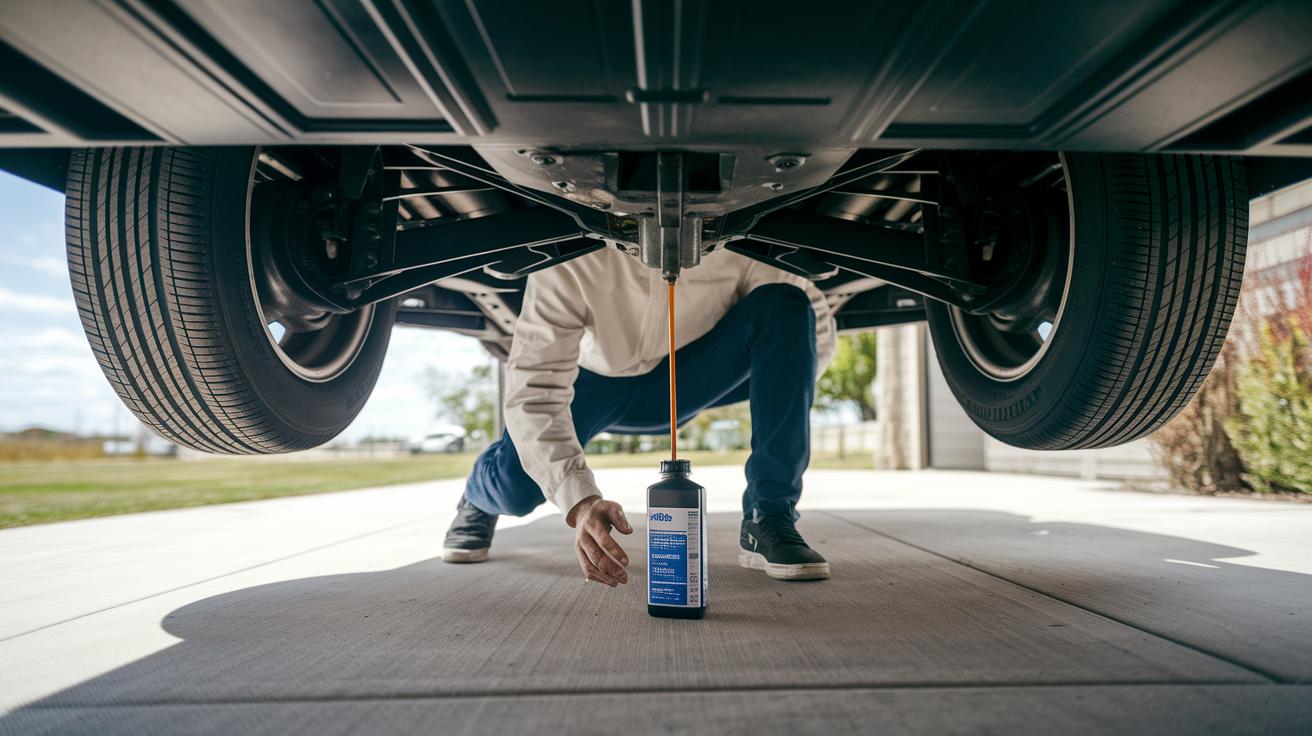
Keeping up with your car is meant to be quick and hassle-free so you can get back on the road with confidence. Whether you’re swapping out oil and filters or checking those battery connections, every step helps your car perform its best.
| Task | Typical Duration |
|---|---|
| Oil change (with filter) | 30–45 minutes |
| Tyre rotation (incl. pressure check) | 20–30 minutes |
| Air/fuel filter replacement | 15 minutes |
| Fluid top-ups (coolant, brake, washer) | 10–15 minutes |
| Battery check and terminal cleaning | 5–10 minutes |
Add these tasks together and you’re looking at about 1 to 2 hours of work during a basic service. It’s a bit like a well-orchestrated pit stop where every move counts to keep your car running smoothly. Each mini-task has its own timing, but together they make sure your ride is safe and reliable, just like giving your engine a quick tune-up so it hums perfectly on even the busiest days.
Major Service Timeframes: In-Depth Inspections and Repairs
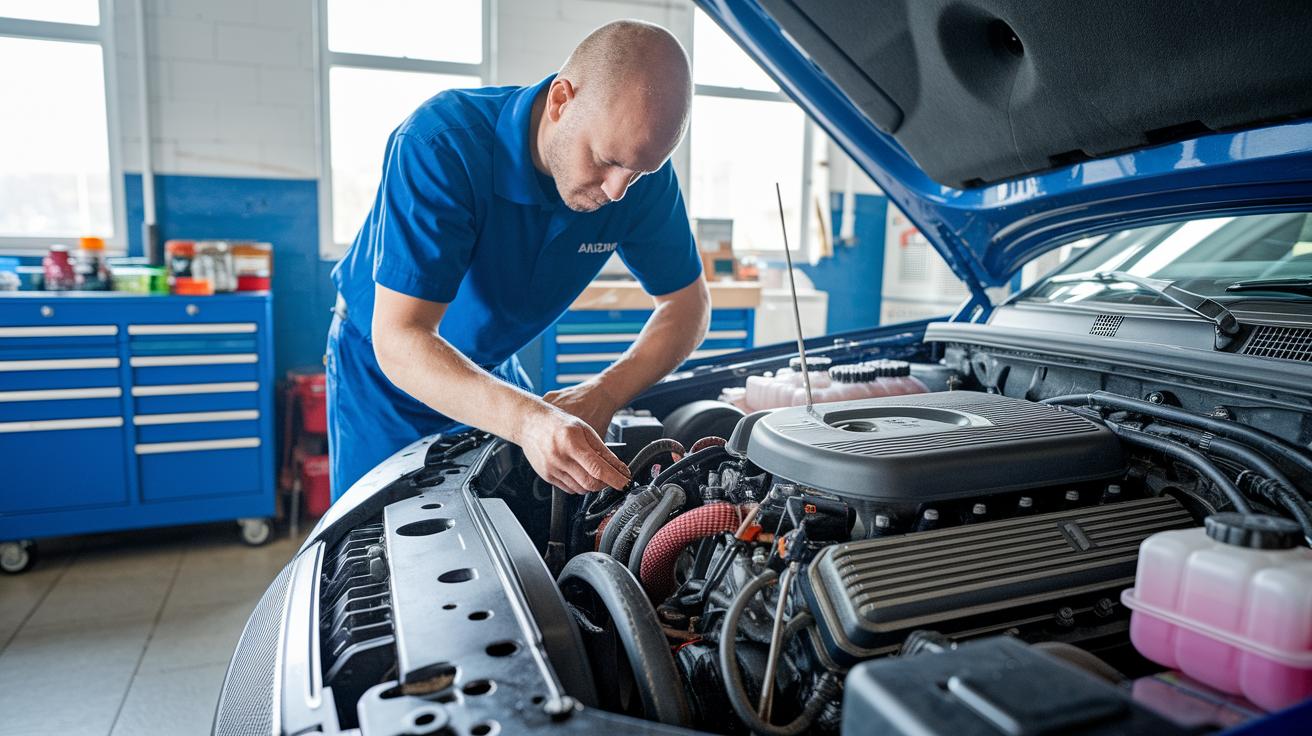
When you take your car for a major service, expect a deep dive into your vehicle that can take anywhere from three to five hours or more. Unlike regular check-ups, this type of service really digs into all the key parts that keep your car running safely and efficiently. And if your car's older or has clocked many miles, the service might take a bit longer if any hidden issues pop up.
At the core of a major service is a thorough engine check. Technicians look at belts, mounts, the fuel system, and air/fuel filters to catch any signs of wear that might slow down your car's performance. They also inspect your brakes – checking pads, fluids, lines, and even making tweaks to the handbrake, to make sure everything is ready for any sudden stops. Fluid levels get a good look too, with a close check on your coolant to see if it needs replacing.
Electrical systems aren’t left out. Experts run tests on your battery and inspect lights, wipers, and indicators, making sure you’re set for trouble-free driving in the future. Tyres also get the spotlight here: their tread depth, alignment, and rotation are all checked to help keep you safe on the road. All these checks are part of what’s often called a complete auto repair package. This careful, step-by-step process means every important system gets reviewed, ensuring your car not only runs well but is also safe for all your journeys.
Dealership vs Independent Repair Shop Timeframes
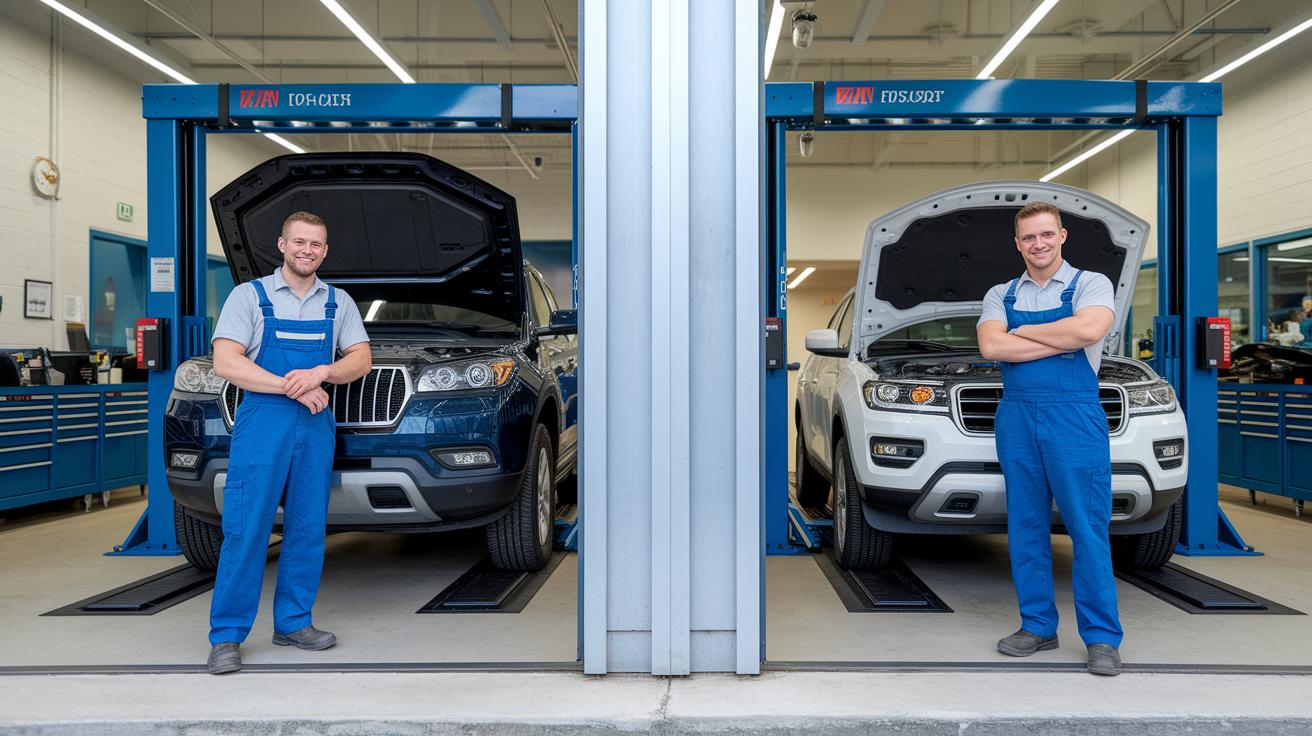
When you take your car to a brand dealership, they stick to the rule book that comes straight from the maker. A basic tune-up there usually takes about 1.5 to 2 hours, while a full service might run around 3 to 4 hours. They keep a strict schedule, often servicing your car every 6 months or every 5,000 to 7,500 miles, just like the manufacturer recommends.
On the flip side, independent repair shops tend to work a bit faster. A basic service at these shops is usually done in 1 to 1.5 hours, and a full service might take between 2.5 and 3 hours. That’s because local mechanics often have a more flexible way of working and can streamline their processes.
The time your car spends waiting around also depends on how busy the shop is. Dealerships often have a longer line of vehicles since they follow strict guidelines and serve lots of customers. Meanwhile, independent shops may have fewer cars waiting, which can mean shorter wait times if a technician is free and the shop is running smoothly.
If you can, try booking your service during slower times or on quieter days. It might just save you a bit of waiting, whether you choose a dealership or an independent repair shop.
Express and Mobile Car Servicing Timeframes
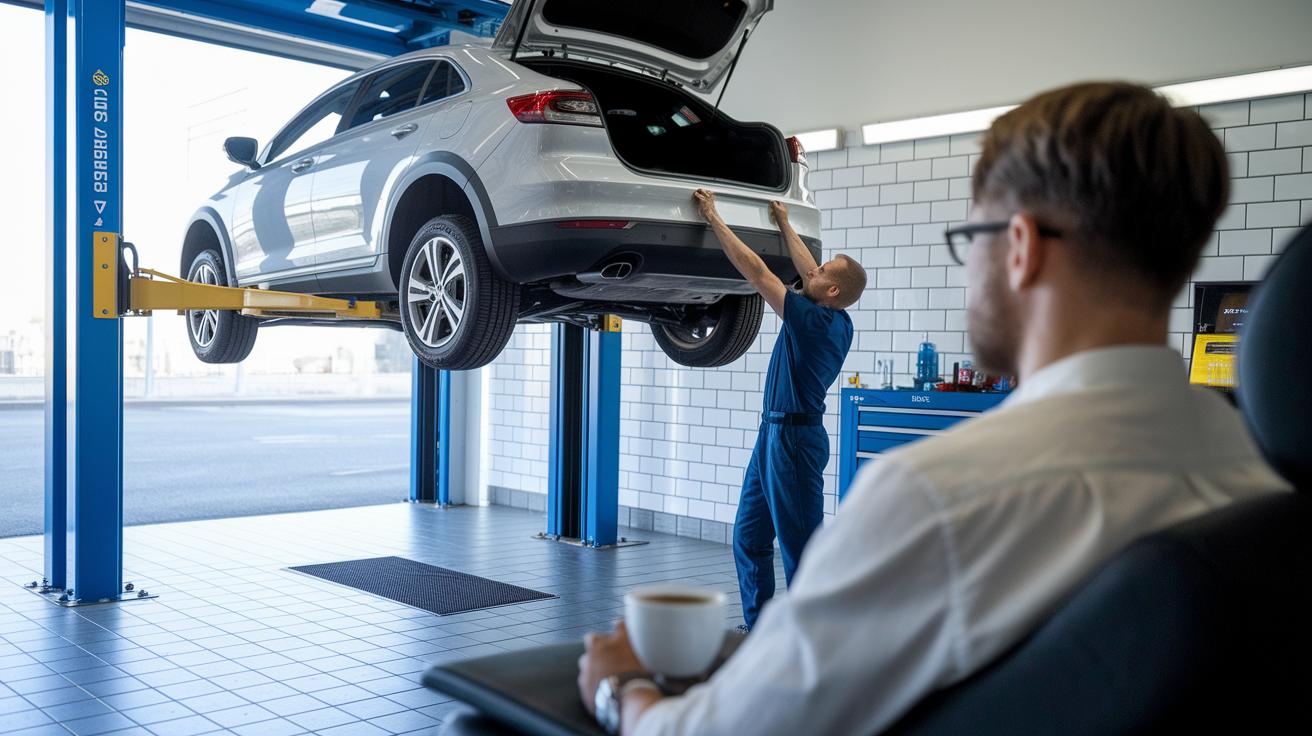
Some drivers wrapped up their oil change before finishing a coffee run!
Need a quick fix? Many service centers now offer express lanes that tackle everyday tasks like oil changes and tyre rotations in just 30 to 60 minutes. If you're up for a more detailed check, accelerated sessions can cover multiple points in under 1.5 hours. For on-the-spot repairs, mobile services handle battery swaps or minor fixes right where you are in roughly 45 to 90 minutes. And if you prefer stopping by a chain center, you'll often find a same-day basic service option that finishes in about one hour.
| Service Option | Timeframe |
|---|---|
| Express Lanes | 30–60 minutes |
| Accelerated Sessions | Under 1.5 hours |
| Mobile Repairs | 45–90 minutes |
| Chain Center Same-Day | Approximately 1 hour |
Key Factors That Affect How Long Car Servicing Takes
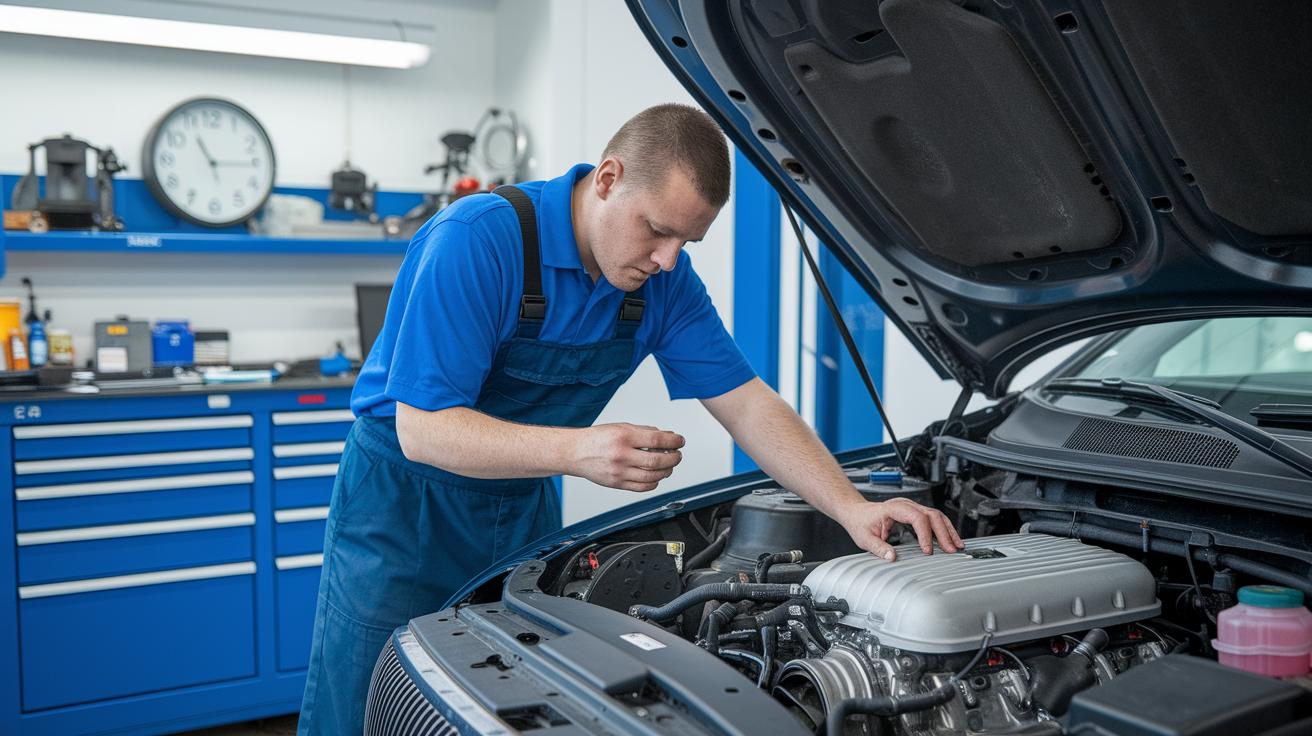
How long your car service takes depends on a few key things that shape the whole repair experience. It's not just about the work on your car, but also how smoothly the shop runs and handles surprise fixes. Let's break down what really matters when you drop off your ride:
- Car make and model: Different cars have unique needs. Some brands and models take a bit longer because they use special parts or have unique features.
- Vehicle age and current condition: Older cars or those that have been through a lot might need extra checking and repairs, which can stretch out the service time.
- Parts availability and shipping times: If the shop doesn't have the right part on hand, they might have to wait for a delivery, adding to the overall time.
- Service center workload and technician staffing: A busy shop with fewer technicians means more wait time as several cars are being serviced at once.
- Appointment timing (peak vs off-peak hours): Dropping off your car during busy hours can mean a longer wait since more people are lined up.
- Walk-in vs pre-booked slots: Booking an appointment ahead of time helps the shop prepare, so your car gets looked at faster compared to just walking in.
- Unexpected issues found during inspection: Sometimes, extra problems pop up during the check, and fixing them can take additional time.
- Facility organization and equipment modernity: A modern, well-organized shop with up-to-date tools usually means your car can be serviced a lot quicker.
Tips to Minimize Car Service Waiting Times

Plan ahead to dodge those unexpected delays. Booking your service ahead of time means you'll secure a technician and have the right parts ready for your ride. Plus, if you schedule during a quieter weekday, there'll be fewer cars waiting, so the team can focus more on you. Try using online or mobile booking to speed through check-in and grab the time slot that works best. And don’t forget to double-check that the parts you need are on hand, it really makes the experience smoother.
When you book, ask for an estimated completion time and touch base as your service day nears. This keeps you and the shop on the same page, cutting down on extra waiting around. It might also help to bundle routine jobs like oil changes, filter swaps, and tyre rotations into one visit, saving you multiple trips. Clear, friendly chat with your service provider helps set expectations too. Stick to these tips, and you'll spend less time idling and more time enjoying the road.
Final Words
In the action of exploring car service durations, we’ve covered everything from quick oil changes and tyre rotations to major repairs requiring full-day drop-offs. We compared dealership services with independent shops and even looked at express lanes that speed things up. With these insights, you can now better gauge how long does car servicing take and plan your appointments wisely. Enjoy a smoother ride knowing you’re making informed and efficient decisions.
FAQ
How long does car servicing take overall?
When asking how long car servicing takes, basic services usually run 1–2 hours for activities like oil changes and filter swaps, while full or major services may take 3–5+ hours depending on what’s needed.
How long does it take to service a car at a dealership?
When wondering about dealership service times, expect basic service to last around 1.5–2 hours and full services to take roughly 3–4 hours due to detailed manufacturer checks and scheduled appointments.
How do car service durations vary for brands like Toyota, Hyundai, Volkswagen, Honda, and Kia?
When comparing service times for Toyota, Hyundai, Volkswagen, Honda, and Kia, basic tasks typically run 1–2 hours, while more complete checkups can extend to 3–4 hours based on the vehicle’s specific needs.
After how many kilometers should I service my car?
When considering service intervals, most vehicles should be serviced every 5,000–7,500 miles as recommended in their owner’s manual to keep performance steady and catch any potential issues.
Why does servicing a car take so long?
When asking why car servicing seems lengthy, thorough inspections and detailed diagnostics are performed during a service, and any additional repairs or parts checks can extend the overall time.
How long does it take for a mechanic to complete a service?
When considering a mechanic’s service time, simple tasks like an oil change might take under an hour, while more comprehensive services can stretch to several hours depending on the complexity and vehicle condition.