Maintenance
Car Maintenance Checklist: Simple Steps For Safe Cars
By thomascrown
March 10, 2025
Field Notes
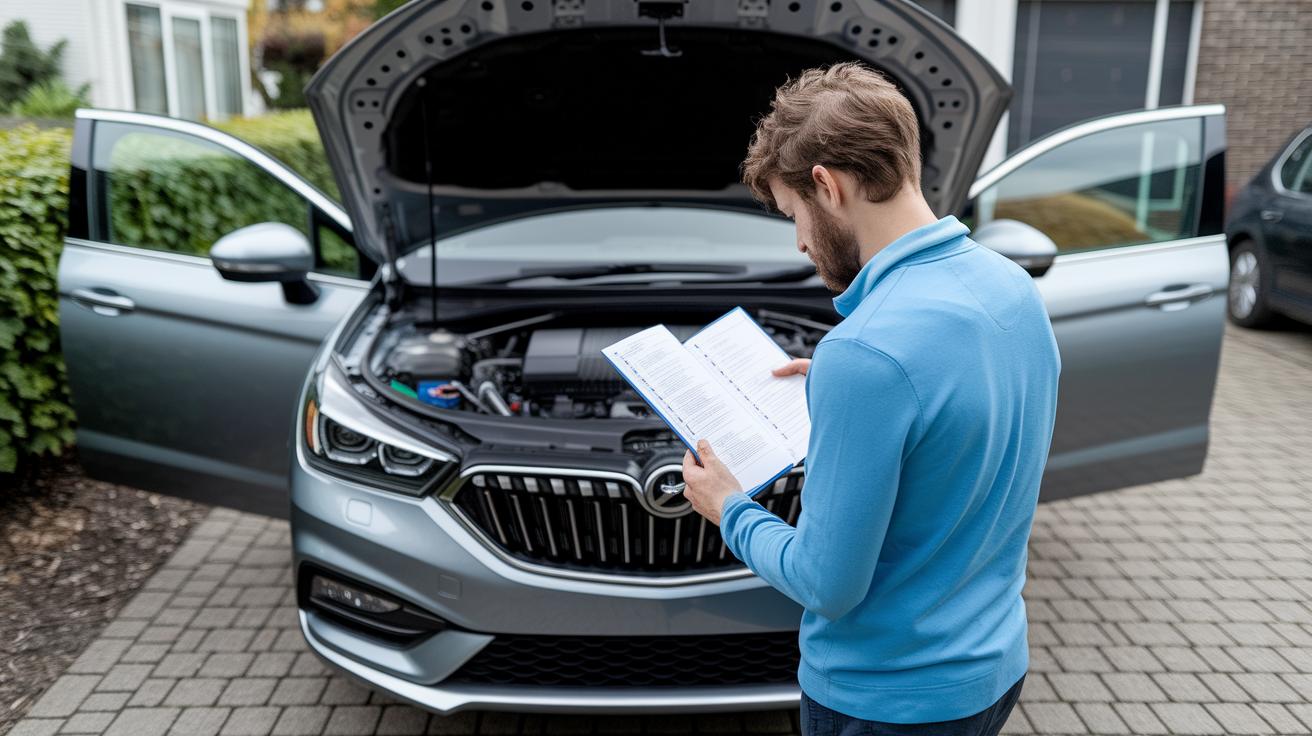
Ever notice how your car talks to you with its beeps and blinking lights? It’s like a little reminder that something might need attention. A quick check of the tire pressure, engine oil, and wiper blades can catch tiny issues before they turn into big problems. This easy-to-follow car checklist tells you what to examine and when to do it. Keeping your car in top shape not only saves you money but also keeps you safe every time you drive.
Car Maintenance Checklist: Simple steps for safe cars
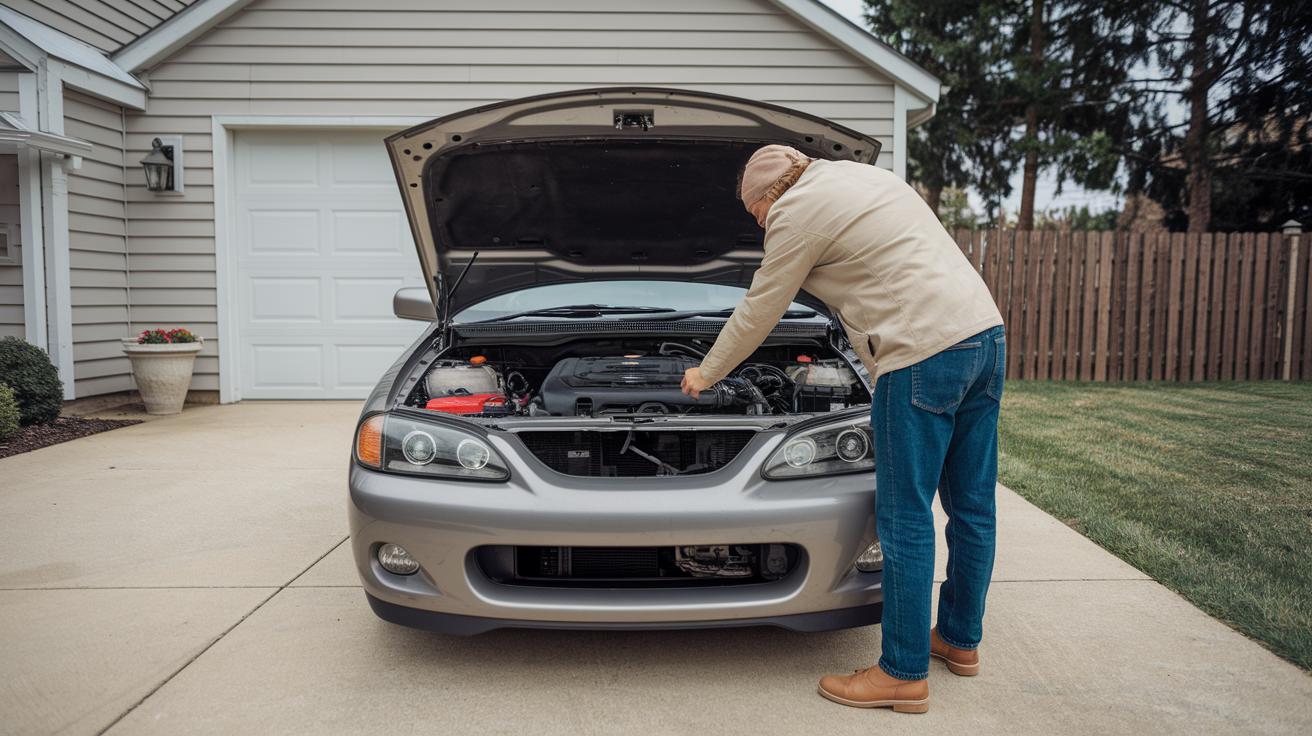
Keeping up with maintenance is the best way to ensure your car stays safe, runs well, and holds its value. If you notice a warning light on your dash, low tire pressure, missing lights, or damaged wiper blades, don’t wait, your car is telling you it needs some care right away!
Start with the issues that need immediate attention. For instance, if a bulb isn’t working or your tire pressure is low, fix them right away to avoid a bigger hassle later on.
Next up, do a monthly check. Every month, take a peek at your car’s fluid levels. The engine oil should be about one quart below the “full” mark on the dipstick. Check that your coolant is at the correct level (it should be a 50/50 mix) and top up your windshield washer fluid. While you’re at it, inspect the wiper blades for wear, check your tire pressure, and measure your tire tread. When the tread is close to 3/32 of an inch, it’s time to think about new tires.
Then, follow a mileage-based plan. Around 3,000 to 7,000 miles, swap out the engine oil and filter. If you’re using synthetic oil, you might stretch this to 10,000 miles. At about 12,000 miles, give your brakes a thorough look, check the pads, rotors, and fluid levels. Later on, between 60,000 and 100,000 miles, check your timing belt or chain and replace it if your owner’s manual suggests it.
Keeping a DIY checklist for your car maintenance can help you track repairs and routine checks, making sure your car is always road-ready. And, as always, refer to your owner’s manual for the detailed recommendations that keep your car running smooth!
Monthly Car Maintenance Checklist for Routine Inspection

Every month, take a few minutes to give your car a quick check. Open the hood and use your dipstick to see what the engine oil level is like, it should be nearly full, with about one quart left before reaching the top. If it looks low or the oil seems murky, add some quality oil and check for any leaks.
Next up, look at your coolant or antifreeze levels. The mix should be a 50/50 blend of water and antifreeze. If the level seems off or the fluid shows a different color than usual, carefully top it up and consider having a pro take a closer look. While you're at it, fill up your windshield washer fluid and inspect your wiper blades for any signs of wear or streaking.
Also, grab a tire pressure gauge to check each tire and measure the tread depth. Replace your tires if the tread wears down to 3/32 of an inch. Don’t forget to step outside and check that all your exterior lights are shining bright, if a headlight seems dim, replace it right away.
- Check the engine oil level and look for leaks
- Inspect the coolant/antifreeze for proper level and color
- Top off the windshield washer fluid
- Examine the wiper blades for wear
- Verify tire pressure with a gauge
- Measure tire tread depth and replace if it’s below 3/32 inch
- Test exterior lights for brightness and functionality
Mileage-Based Car Service Maintenance Checklist

Every 3,000 miles or every 3 months, change your engine oil and filter. Sure, synthetic oil might let you push it to 10,000 miles, but sticking to the schedule keeps your engine happy. Rotate your tires as the owner’s manual recommends and check the automatic transmission fluid while your car’s in park.
At 6,000 miles, if your vehicle isn’t built for lube-for-life, give the chassis a good lubricant. Also, wash the exterior to help keep rust at bay.
By 12,000 miles or around 12 months, take a closer look at your brakes. Check the fluid, pads, and rotors for any issues. It’s also a good time to replace the cabin air filter and flush the coolant while checking for leaks.
When your car rolls between 30,000 and 50,000 miles, inspect belts and hoses for any signs of wear, and swap out the spark plugs at around 30,000 miles.
Between 60,000 and 100,000 miles, follow your owner’s manual on changing the timing belt or chain to keep everything running smoothly.
Start testing your battery at about 3 years old so you catch any hiccups early.
For example, I always replace my oil, rotate my tires, and lubricate my chassis right on schedule, it’s helped my car run like a dream.
Seasonal Car Maintenance Checklist by Season

Every season brings new challenges for your car. In spring, it's a great idea to check the air conditioning and swap out the cabin air filter. This helps keep your car comfy as the weather starts to warm up.
When summer rolls in, you want to give your cooling system a quick look for leaks. It’s also smart to inspect belts and hoses so you don't face any surprises when it's really hot out.
Come fall, make sure your heating system is working well. This keeps you warm on those cool mornings. And while you're at it, replacing the engine air filter can help your engine run smoothly.
In winter, it's all about staying ahead of the cold. Checking your battery and its connections can stop unexpected stalls. Plus, washing and waxing your car after it touches road salt will protect the paint and help stop rust.
Think of these tasks as little tune-ups that get your car ready for each season and keep you safe on the road.
| Season | Key Tasks | Frequency |
|---|---|---|
| Spring | Check A/C, replace cabin air filter | Once |
| Summer | Inspect cooling system, belts, and hoses | Once |
| Fall | Test heating system, replace engine air filter | Once |
| Winter | Test battery, wash and wax to remove salt | Once |
Fluid, Filter & Battery Maintenance Checklist

We’ve bundled tasks together so you don’t have to do the same thing twice. Check your mileage chart for engine oil changes, regular oil needs a change every 3,000 to 7,000 miles, while synthetic oil can go up to 10,000 miles. Also, keep an eye on your power steering and transmission fluids by checking them when your engine is warm and your car is in park. For example, a quick look at the transmission fluid can help you avoid gear issues later on!
Our monthly and seasonal checklists now include a few extra tasks. Make sure to check your coolant level (using pre-mixed coolant or a 50/50 mix), inspect your battery cables and terminals, and swap out the engine air and cabin filters on schedule. When it comes to battery care, a helpful reminder might be: "Check your battery every month, spotting corrosion early can be the difference between a smooth start and a chilly, stranded morning."
For oil and filter changes, just visit our car oil change page: car oil change.
Tire and Brake Inspection Checklist
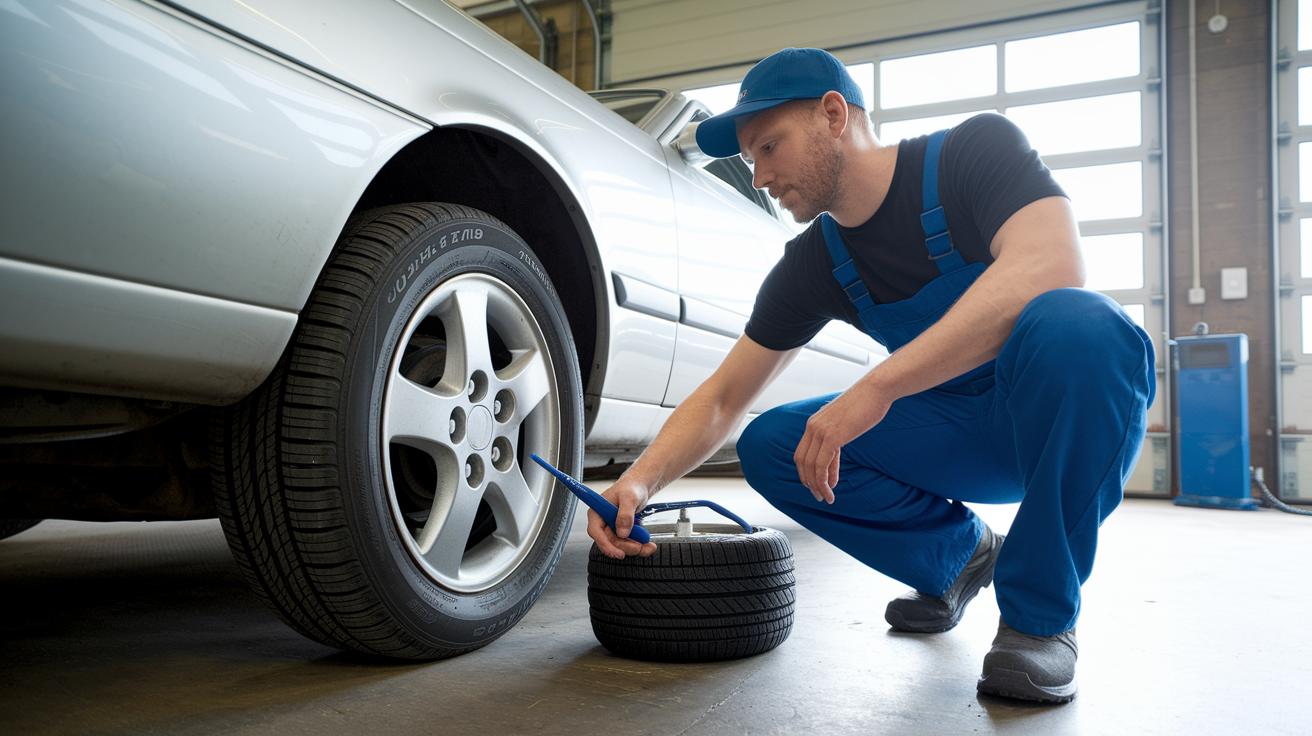
When you're taking care of your ride, it's smart to follow our monthly maintenance and mileage checklists for tire pressure, tread depth, and rotation. Here’s a quick guide to what you need to do:
- Rotate your tires every 3,000 miles. If you need a refresher, check out our tire rotation guide here: how often to do tire rotation
- Every month, pop the hood and check your tire pressure and tread depth. In dry conditions, make sure the tread is at least 2/32″, and in wet conditions, keep it at about 4/32″.
- Give your brake pads a look-over too. They should be at least ¼″ thick. While you're there, inspect the rotors for any grooves or pits, and check that the brake fluid and lines look good.
- Once a year, or sooner if you spot uneven tire wear, it's time for a wheel alignment check.
For instance, after hitting around 3,000 miles, you might say, "I rotated my tires, noticed a bit of uneven wear, and booked an alignment check right away."
Engine and Transmission Maintenance Checklist

Start by inspecting your timing belt or chain. Your owner’s manual suggests replacing it between 60,000 and 100,000 miles, so setting a reminder now can save you a lot of headaches later.
Next, give a quick look at your drive belts and hoses every 3,000 to 6,000 miles. If you spot any cracks, splits, or fraying, it’s best to get them checked out before they turn into a bigger issue.
Also, remember to flush your coolant every 12,000 miles. This keeps your engine at a steady temperature and clears out any buildup, think of it like cleaning debris from your radiator. And while you’re at it, check your exhaust system for any leaks, as even a small one can affect your engine’s performance.
For your transmission, check the fluid every 3,000 miles and plan to replace it between 30,000 and 60,000 miles. If you often tow a load or drive in hot conditions, adding a transmission cooler can help protect your system from extra heat.
Keeping up with these checks can help you avoid costly repairs and keep your car reliable every time you hit the road.
DIY and Maintenance Record Keeping Checklist

Keeping an eye on your car's routine work can really save you from hassle. You might jot down a log with the date, mileage, work done, and receipts. For example, an entry could say, "Oil change and tire rotation done at 3,000 miles on 05/12," making it a breeze to check back if warranty or lemon-law issues pop up.
It’s a smart move to set reminders with a digital tracker or even a printed sheet. You can list tasks like:
- Oil changes
- Tire rotations
- Filter swaps
- Major service intervals
Even if you're driving an electric vehicle, you still want to keep records of things like tire inspections, brake checks, and cabin filter replacements. A note might look like, "EV maintenance: Checked brakes and cabin filter on 06/01."
Using a digital tool or a printed checklist keeps you ready for anything. Creating your own checklist is a hands-on way to stay on top of car care. For more tips, check out our basic car maintenance guide.
Final Words
In the action of keeping your ride smooth, we’ve covered all angles, from monthly checks and mileage-based services to seasonal care and engine tune-ups. We broke down tasks so you can handle each one confidently and stay ahead of any issues. Each section helps you understand what to do and when, making upkeep seem like a friendly routine. Keep this car maintenance checklist handy, and you’ll be ready to enjoy a safer, longer-lasting vehicle every day. Enjoy the drive!
FAQ
What is a car maintenance log?
The car maintenance log is a record that documents maintenance dates, mileage, and performed tasks, simplifying tracking of service history and scheduling future checks.
Where can I find a car maintenance checklist PDF?
The car maintenance checklist PDF is a downloadable file that provides an organized list of essential tasks, helping you plan services by mileage and season.
How does a car maintenance checklist template help me?
The car maintenance checklist template is a ready-made guide to recording service dates, tasks, and mileage, making it easier to keep your vehicle in good shape.
Why should I use a car maintenance checklist printable?
The car maintenance checklist printable offers a tangible tool for tracking routine tasks, ensuring you don’t miss monthly, mileage-based, or seasonal maintenance.
How does the car maintenance checklist by mileage work?
The car maintenance checklist by mileage arranges key tasks like oil changes and tire rotations according to driving intervals, helping you meet maintenance schedules efficiently.
What is a car maintenance schedule?
The car maintenance schedule lays out when to perform regular inspections and service tasks, guiding you to keep your vehicle running smoothly and safely.
What does a basic car maintenance checklist include?
The basic car maintenance checklist covers essential tasks such as checking engine oil, coolant, tire pressure, and battery health to prevent major issues.
What routine maintenance is required for a car?
The routine maintenance for a car includes regular oil changes, fluid level checks, tire pressure monitoring, filter replacements, and inspections of brakes, lights, and the battery.
What is the 30-60-90 rule for cars?
The 30-60-90 rule for cars refers to a schedule where specific maintenance tasks are performed at set intervals; consult your owner’s manual since details vary by model.
What is a 12 point check?
The 12 point check is a concise inspection covering multiple components—brakes, lights, fluids, tires, and more—to quickly assess the car’s overall condition.
What is a vehicle maintenance check?
The vehicle maintenance check is a thorough review of key systems like the engine, transmission, brakes, and electrical parts to ensure safe and reliable performance.