

Ever ended up feeling duped by an online car deal? You see a slick ad, then later find hidden fees or issues you missed in the photos and videos, turning what looked like a great bargain into a real headache.
Let’s chat about two common traps that catch people off guard when buying a car online. I’ll share some clear, step-by-step tips to help you steer clear of those surprises and get a smooth, smart ride-buying experience.
Stick with me, and let’s make sure your next online car purchase feels just as satisfying as that perfect test drive.
Key Pitfalls to Watch for in Online Car Shopping

Buying a car online means you can shop whenever and wherever you want, but it also comes with some risks you really shouldn’t ignore. When you don’t get to see the car up close, little problems like hidden dents or worn parts might slip right by you. Relying on pictures and videos alone doesn't always catch the small issues that only a real-life look can reveal.
Knowing these risks can save you from surprises later on. Some websites might not be as trustworthy as they seem, or extra fees might sneak up and raise the price. A little caution can go a long way in saving your time, money, and stress.
Here are a few common pitfalls to be aware of:
- Inability to inspect the vehicle in person
- No proper test drive opportunity
- Listings that might be fake or hard to verify
- Hidden fees and surprise add-ons
- Inaccurate or missing vehicle history
- Financing traps and odd price jumps
These warning signs remind us to be extra careful when shopping online. The comfort of browsing from your own home shouldn’t make you skip thorough research and planning. Keep reading for some down-to-earth tips that will help you tackle these challenges and make a smart, confident choice for your next car.
Hidden Fees and Surprise Costs in Online Car Shopping

When you shop for a car online, extra fees can sneak up on you and bump up the final price. Even if a site shows clear pricing and cool discounts, unexpected fees might pop in later, sometimes adding an extra 10–15% to the sticker price. You could end up paying way more than you thought, even after the deal already seems wrapped up.
Common extra charges include documentation fees that can run anywhere from $200 to $500, and add-ons for extended warranties which push the price higher. Then there are destination or shipping fees, often around an 8% charge, that hit you when you think you’ve got the total figured out. Even state and local sales tax can secretly add to your bill if it’s not mentioned in the initial price.
To steer clear of these surprises, always check out the full "out-the-door" price before you commit. Ask the seller for a detailed quote that lists every fee, so you truly know what you’re paying for. This extra bit of homework gives you a clear picture of the final cost and helps you shop smart, keeping your budget on track.
Deceptive Listings and Misleading Vehicle Descriptions

Ever notice how online listings can make a car look way better than it really is? Sellers often snap photos from just the right angle and use clever lighting to hide small dents and scratches. Picture scrolling through a gallery where every shot conveniently masks the car’s true condition. It sure feels like someone is trying to disguise the flaws!
Then there’s the sneaky mileage rollback and title washing. You might see a car boasting “under 50K miles,” but the details can be frustratingly vague. This trick makes the ride appear younger and better cared for, even if its real history, like past accidents or heavy wear, is missing from the story.
Many listings rely on broad phrases like “excellent condition” without getting into specifics. Instead of sharing clear details about interior wear or previous repairs, sellers use generic terms that leave you guessing. Without solid documentation, you might find yourself wondering what the car is really like.
To avoid these pitfalls, ask for extra photos from different angles, request a VIN check report, and insist on a recent video tour. These extra steps help you see the car’s true condition and cut through the generic language and tweaked images.
Verifying Seller Credibility to Avoid Online Car Shopping Scams

When you’re checking out an online seller, keep an eye out for red flags like missing physical addresses, generic email domains, or P.O. boxes instead of a real office. If a profile lacks a clear business location or relies on a throwaway email, it might be a sign to pause and look a bit deeper. This small check can really help steer you clear of scams.
Next, make sure the seller shows proper licensing info and trustworthy customer reviews. Reliable sellers usually list their dealer credentials and share positive feedback from real buyers. A quick look at independent forums or their own website can reveal if they have a pattern of poor communication or dishonesty. Asking the right questions and requesting proof of licensing can boost your confidence before making any financial moves.
Once you’re feeling good about the seller, ask for a VIN-based history report. This is a clear way to learn if the car has been through accidents, title washing, or any recall issues, just request an updated report from a service like CarFax or AutoCheck. Knowing the full history gives you a complete picture of what you might be buying.
Before you send over any deposit, take your time doing thorough due diligence. Confirm all seller details, double-check their licensing, read every review you can find, and always ask for complete vehicle history documentation. Doing these steps helps make sure you’re dealing with a genuine seller and keeps you safe from scams.
Inspection Limitations and Pre-Purchase Checks in Online Car Shopping
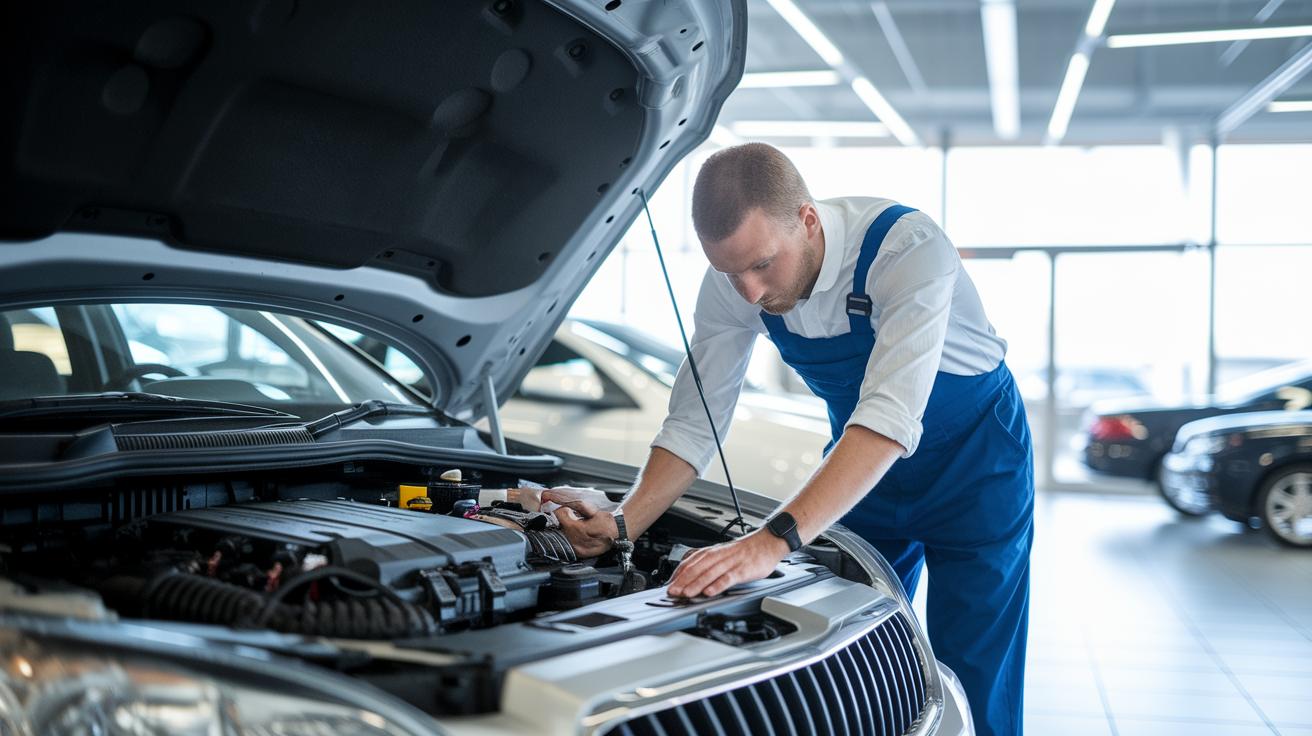
Shopping for a car online can feel a bit like guessing what's under the hood. Sure, you can watch walkaround videos and check out service records, but they often miss the little details like frame damage, sneaky fluid leaks, or strange engine sounds. Without handling the car yourself, you might not catch things like mismatched paint, uneven panel gaps, or worn-out interiors. And honestly, a video just can’t show you how the car really drives.
That’s why it pays to go the extra mile with inspections when you can’t see the car in person. One easy option is to bring in a pro who can give the car a thorough check on-site. These experts usually look at over 150 points, from the engine and undercarriage to the electronics, and charge about $100 to $200. It might cost a bit, but it gives you a lot more peace of mind. Or, if you’re up for it, you can do some simple checks yourself to spot any red flags that an online listing might miss.
Virtual Walkaround Videos
When you watch these videos, keep an eye out for things like uneven paint or panels that don’t quite line up, and take a close look at the cabin for signs of heavy wear. These little clues can point to bigger issues down the road.
Third-Party On-Site Inspections
Consider hiring a professional to inspect the car. They check crucial spots like the engine bay, undercarriage, and even the car’s electronics, areas that a video can hardly cover, for a modest fee. It’s an extra step that can really boost your confidence in your purchase.
DIY Pre-Purchase Checks
- Make sure the VIN numbers match up.
- Check your tires for any signs of excessive wear.
- Look over the service records to see if the car has been well-maintained.
By following these tips, you can bridge the gap between the convenience of online shopping and the assurance of seeing the car up close. Happy hunting!
Financing Traps and Price Inconsistencies in Online Car Shopping
When you're shopping for a car online, you might be lured in by a flashy APR of 3.5%. But look a little closer, and you'll often find extra costs like gap insurance, extended warranties, or processing fees that push the real rate above 5%. The price tag on the sticker doesn’t tell the whole story. Even if a deal seems friendly at first, hidden fees can sneak in and raise your total cost by up to 20%. This gap between the headline rate and the all-in price is a frequent stumbling block for online car buyers, which means you must see beyond the first numbers.
It really pays off to shop around for offers from different lenders. Compare their term sheets side by side, and watch out for differences in fees, loan lengths, and any sneaky additional costs. This extra effort can help you spot expensive financing options and unclear terms that might otherwise escape notice.
- Ask what the actual APR is once all fees are added on.
- Ask about the full loan term and how it impacts your total finance charges.
- Ask for a detailed breakdown of any extra fees before you sign on the dotted line.
Final Words
Straight from the action, this post broke down the hidden fees, deceptive listings, seller credibility, inspection limitations, and financing traps many face when buying a car online. It showed how avoiding common pitfalls in online car shopping means taking a closer look at pricing, vehicle history, and seller details. By following these practical steps, you gain more power over your buying decisions. Every tip shared gives you the confidence to make smarter moves and enjoy a smoother ride ahead.
FAQ
Is it cheaper to buy a car online or at a dealership?
The cost comparison between online and dealership purchases hinges on hidden fees, negotiation power, and inventory variety. Online deals sometimes look lower but may include additional charges.
Is buying a car online a good idea?
Buying a car online has benefits like wide selections and convenience. It also comes with risks such as limited inspections and test drives that could affect your overall satisfaction.
Is it safe to buy a car online from a dealership or have it shipped?
Buying and shipping a car online is safe if you verify the dealer’s reputation, check for secure HTTPS websites, read customer reviews, and request thorough vehicle reports.
What are the cons of buying cars online and what should you look out for?
Buying cars online can mean no personal inspection, hidden fees, and misleading details. You should verify the vehicle history, ask for more pictures, and get clear cost breakdowns from sellers.
What is the 20 3 8 rule for buying a car?
The 20 3 8 rule suggests making a 20% down payment, limiting financing to 3 years, and keeping all car costs below 8% of your gross monthly income for healthier finances.
What are the best online car buying sites and what do reviews say?
Leading sites like CarMax offer large selections and clear reviews, with many praising inventory and service while noting that hidden fees can sometimes detract from the overall buying experience.