

Ever notice your car shaking and the engine light flickering? That could mean there’s a misfire or another engine hiccup, and it might cost you more than just a bumpy ride. Before you drive any further, take a moment to check for simple issues like a loose gas cap or a small fluid leak. In this article, we'll walk through easy fixes to bring back that smooth feel on the road and help you dodge bigger problems later. Stick with me, and I'll show you exactly what steps to take because every little shake counts.
Immediate Action When Your Car Is Shaking and the Engine Light Is On

If you notice your car shaking and the engine light coming on, it’s a sign something isn’t quite right with your engine’s firing. A blinking light usually means a misfire that can quickly drain your engine's power. In moments like these, the safest thing to do is to pull over and shut off the engine. This simple step helps protect important parts like your catalytic converter from unnecessary damage.
If the shaking keeps up or that light won’t stop blinking, it’s best not to continue driving. Doing so might cause more damage to your powertrain and create shaky, uncertain rides. Take a moment to check for easy fixes, like a loose gas cap or any visible fluid leaks. Your engine’s computer is always watching for problems, and it’ll alert you if combustion isn’t happening as it should.
Here’s what to do:
- Safely pull over to the side of the road.
- Turn off your engine immediately.
- Look for any obvious issues like a loose gas cap or leaks.
- If the problem sticks, don’t try to restart the car.
A blinking engine light isn’t just a minor annoyance; it often hints at bigger issues such as worn out spark plugs, faulty ignition coils, or sensor hiccups. When your car shows these warning signs, it’s wise to stop, assess, and call for roadside assistance if needed. Taking these precautions can help you avoid costly repairs later on.
Common Causes Behind Car Shaking with the Engine Light On
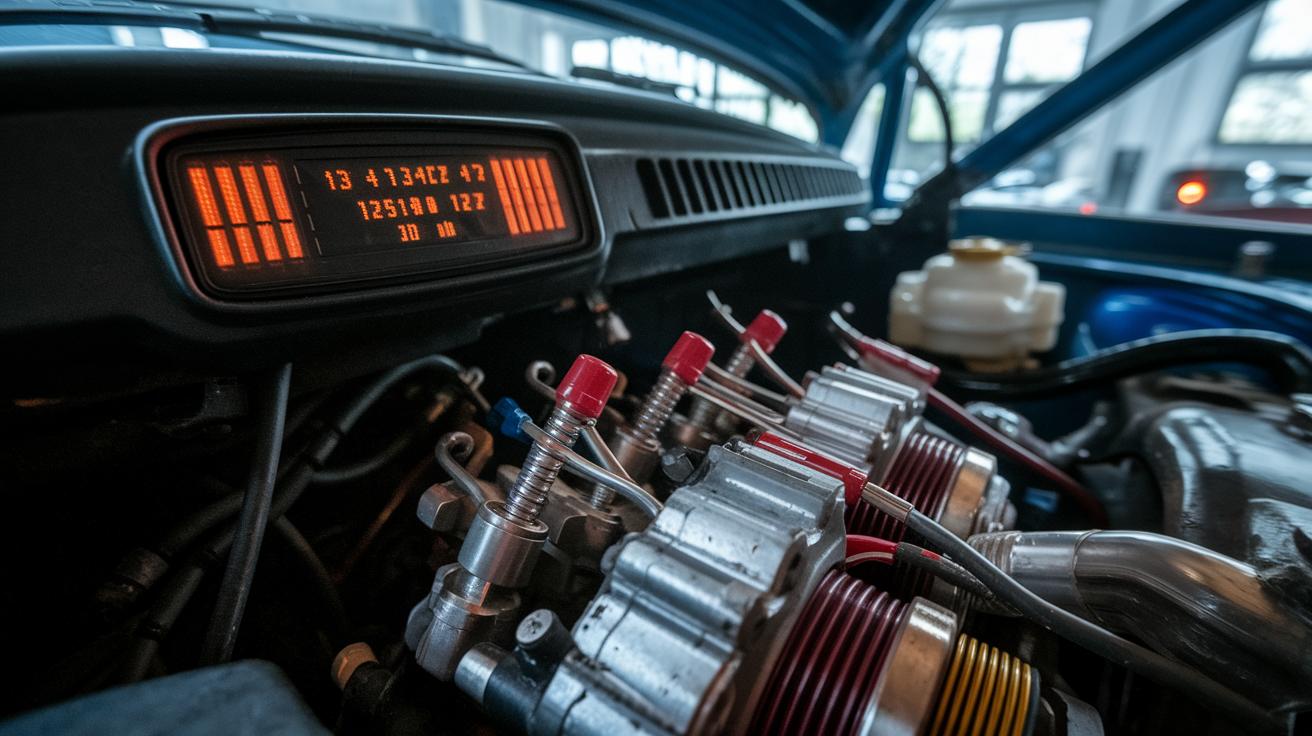
When your car shakes and the engine light comes on, it’s usually a sign that something isn’t working right under the hood. One common culprit is engine misfire. In simple terms, this happens when spark plugs, those little parts that help start your engine’s heartbeat, start to wear out, or when ignition coils begin to fail. Think of it like wearing a pair of old shoes; if they can’t support you properly, stumbling is almost inevitable.
Fuel problems might be to blame too. If your fuel injectors get clogged or the fuel pressure drops, the engine doesn’t get the proper mix it needs. Picture it like making your favorite sandwich with too little sauce or the wrong ingredients, everything just feels off. And those vacuum leaks in hoses? They mess with the ideal blend of air and fuel, much like a small rip in your jacket can change your whole style.
Sometimes, the issue lies with sensors sending the wrong signals. Faulty oxygen or mass-airflow sensors can mislead your car’s computer into mixing the wrong fuel combination. A failing catalytic converter that backs up exhaust can also disrupt the smooth flow of your engine. On top of that, a dirty fuel filter, a weak ignition coil pack, or even faulty injector seals can further upset your car’s performance.
Using an OBD-II Scanner to Pinpoint Misfire and Vibration Codes
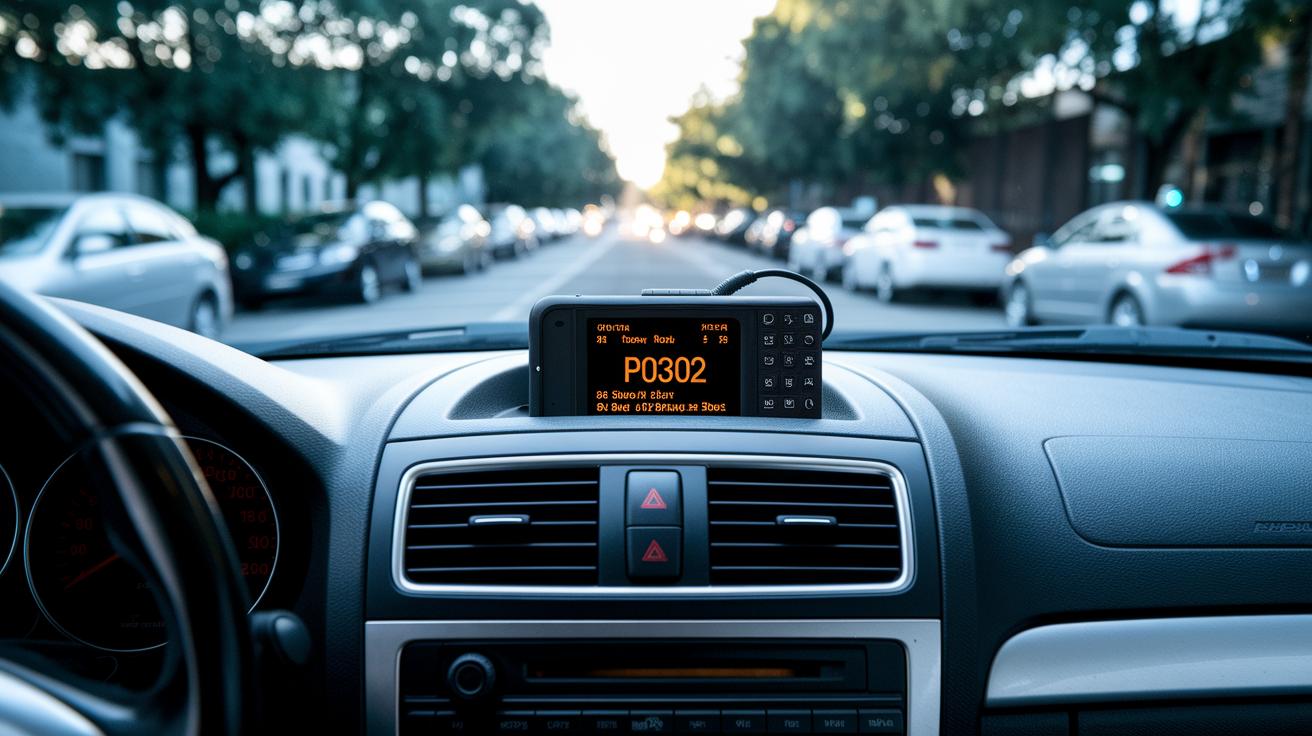
If your car starts shaking and the engine light comes on, don’t panic, an OBD-II scanner is your best friend here. Just plug it into the car’s port, and it quickly shows the trouble codes. Often, you might see numbers like P0300 through P0306, which tell you there’s either a random misfire or a specific cylinder acting up. The scanner’s graphing mode is super handy too. It displays real-time RPM changes for each cylinder, which is especially useful if your car has 4 or 6 cylinders. You can also check the ECU logs to figure out if the misfire is due to spark issues, fuel inconsistencies, or a sensor glitch. Once you’ve made your repairs, clear the old codes so that any new faults pop up clearly on your next start.
How to Graph Misfire Data
Start by switching your scanner to live data mode and select the options for both RPM and misfire counters. Then, take a close look at the waveform on your screen. If you see any odd spikes or dips, chances are one cylinder is not firing just like the others. For example, if one cylinder’s readings stand out, it might point to a problem with the ignition part. This step-by-step method turns confusing signs into clear clues, steering you right to the source of the issue. Checking these digital reports regularly helps keep your ride smooth and catches any problems early on.
Component-Level Diagnosis for Spark, Coil, and Sensor Faults

If your car starts shaking and that engine light comes on, it’s a sign to start checking out key parts like your spark plugs, ignition coils, and oxygen sensors. Sometimes, your spark plugs might get covered in carbon, wear down, or even crack. Try giving them a quick look and measuring the gap with a feeler gauge. It’s a bit like spotting smoke at a barbecue, if you see heavy deposits, it’s a warning that a cylinder isn’t firing properly.
Now, let’s talk ignition coils. Over time, these parts can overheat and fail, which can cause misfires in several cylinders when you’re putting your car under pressure. A simple resistance test with a multimeter can tell you if a coil is on its way out. Think about it like checking a battery to make sure it’s still holding its charge, you want to be sure everything is in tip-top shape.
Then, there are the oxygen sensors. Especially in cars with over 100,000 miles, these sensors might lag, which can mess up your car’s air-fuel mix. When you start to see misfire codes like P0130 through P0167, it could mean the sensor isn’t sending clear data to your car’s computer. Using a scan tool to look at live data can help you see if the sensor is really the troublemaker.
Below is a handy table that lays out each component, what symptoms you might notice, and how to check them:
| Component | Symptom | Diagnostic Method |
|---|---|---|
| Spark Plug | Rough idle, single-cylinder misfire code | Visual inspection & gap measurement |
| Ignition Coil | Multiple-cylinder misfires under load | Resistance test with multimeter |
| Oxygen Sensor | Poor fuel economy, lean-rich code | Scan tool live-data comparison |
Regular checks of sensors and components like these can help you catch issues before they turn into bigger problems, keeping your engine running smoother and your ride feeling just right.
Recognizing When to Seek Professional Help for Car Shaking and the Engine Light

If your car keeps showing trouble codes even after you’ve done some basic fixes, or if it stalls again and again, it might be time to get a professional involved. Those persistent codes usually mean there’s a deeper problem that could harm important parts like your catalytic converter, which helps keep your car’s emissions clean. A friendly, experienced mechanic can use special tools to check your engine’s data and even run pressure tests to find out why your car is shaking and why that warning light stays on. Getting help early can stop a small problem from turning into a big, expensive repair later.
Repair costs can really vary depending on the issue. For example, replacing spark plugs might cost around $50 to $150, while each ignition coil could run you between $100 and $300. Labor usually falls in the $80 to $150 per hour range. And if a small issue like a fluid or fuel problem starts to spread, a pro’s accurate diagnosis is key to preventing further damage. Taking care of small parts early on can save you from bigger, pricier repairs down the line. So if you notice that warning light or feel unusual vibrations, don’t hesitate, get your car checked out as soon as possible to keep it safe on the road.
Preventive Maintenance to Avoid Car Shaking and Engine Alerts

Keeping your engine happy is simpler than you might think. Start by swapping out your spark plugs every 30,000 to 100,000 miles as your maker suggests, kind of like ditching old sneakers for a fresh pair to keep you steady. And while you're at it, take a quick look at your ignition coils to be sure they're in good shape.
Don't overlook your air and fuel filters either. Changing or cleaning them every 20,000 to 30,000 miles is key. Imagine making a sandwich with stale bread, it just wouldn’t hit the spot. Fresh filters help your engine get the right mix of air and fuel, cutting down on misfires.
Every year, give your ride a little extra care by doing vacuum-leak tests and a thorough throttle-body cleaning. Think of it as a mini spa day for your car, making sure every part plays nicely together.
Also, around the 60,000-mile mark, it’s smart to check your oxygen and mass-airflow sensors. These sensors send the right signals to your engine’s computer, much like a finely tuned instrument in an orchestra, preventing those pesky warning lights from coming on unexpectedly.
Final Words
In the action, we covered how to handle a car shaking and engine light on right away by pulling over safely and checking basic issues like loose caps or fluid leaks. We also looked at misfire causes, used an OBD-II scanner to read codes, and explored component tests for spark plugs, coils, and sensors. Remember, a bit of preventive maintenance goes a long way. Stay alert, keep your ride tuned, and enjoy the smooth drive ahead.
FAQ
What causes car shaking and the engine light to appear while idling, driving, or accelerating?
The car shaking with an engine light on usually signals a misfire. Faulty spark plugs, ignition coils, or fuel delivery issues can upset combustion, causing the vehicle to vibrate.
What does it mean if the shaking and engine light stop or turn off on their own?
The shaking and engine light canceling out may indicate a temporary sensor glitch or intermittent misfire. Still, it’s best to have a diagnostic check to rule out any hidden problems.
How do I fix a flashing check engine light with shaking during acceleration?
A flashing engine light with shaking often points to a severe misfire. Pull over safely, turn off the engine immediately, and call a professional to avoid further engine damage.
Is it safe to drive if the engine is shaking and the engine light is on?
The engine shaking with the engine light on means it’s unsafe to drive. It could harm essential engine components, so stopping and getting a professional diagnostic is advised.
Does persistent car shaking mean I need a new engine?
Persistent shaking doesn’t necessarily mean you need a new engine. It’s more likely linked to misfire issues from parts like spark plugs or sensors, which can typically be repaired.
Can low oil cause engine shaking?
Engine shaking can result from low oil if there isn’t enough lubrication for smooth performance. Regular oil checks and timely changes help keep the engine running steadily.
What does a misfire feel like?
A misfire feels like a sudden, rough jolt or vibration, especially under acceleration. The engine might temporarily lose power or run unevenly, signaling a combustion issue.