

Ever been left scratching your head about why your car won't start? It can feel like a big headache until you learn that a few quick fixes might save you lots of time and cash. We all know that sinking feeling when the engine just won't turn over, and sometimes a tiny clue, like a weak battery or a loose connection, points to what went wrong. So, instead of panicking and pressing every button in sight, try these simple steps to figure out the problem and get your ride back on the road fast.
Immediate Steps When My Car Will Not Start

When your car just won't start, the little clues your car gives off can really help you figure out what's wrong. You might hear a quick click or nothing at all when you turn the key, and sometimes the dashboard lights are pretty dim. These hints can tell you if it's a simple battery issue or something more with the fuel or starter.
Before you panic, run through a quick checklist to rule out the basics. Check that your car is in the right gear, that the parking brake is on, and that you have enough fuel. Taking these steps first can save you time and money. Here's a friendly guide to get you started:
- Make sure the gear selector is in Park or Neutral and that your steering wheel moves without any trouble.
- Double-check the fuel gauge to be sure you've got enough gas in the tank.
- Look at the dashboard, if the lights are dim or acting strange, it might be a low voltage issue.
- Turn the key to accessory mode and listen closely for the sound of the fuel pump kicking in.
- Notice if the engine cranks normally or if you're just hearing a rapid clicking noise.
- Inspect the battery terminals and cables to see if they're clean, secure, and free from corrosion.
- Try a jump start to help determine if the battery is dead or if there's a problem with the alternator.
Take a deep breath, follow these steps, and you'll be on your way to figuring out what’s going on with your ride.
Checking Battery and Electrical Health When My Car Will Not Start

When your car just won’t turn over, the problem is often a flat battery. You might see the dashboard lights looking weak or hear a quick, clicking sound when you try to start it. These clues usually mean the battery isn’t giving off enough power. Sometimes, the battery’s connectors get covered in corrosion, blocking the electricity flow. A quick clean with a wire brush – like the one suggested in the Car Battery Servicing guide – might just bring back the smooth flow you need.
It’s a good idea to check both your battery and its wiring. Loose, frayed, or damaged cables can act like a bad battery too, so make sure every connection is snug and in good shape. A healthy car battery should show around 12.6 volts on your tester. If you’re reading below 12.4 volts, it might be time for a closer check or even a battery swap. Many older batteries start to lose their punch after three to five years. For more step-by-step help, consider looking at the Car Maintenance Manual.
| Symptom | Test | Action |
|---|---|---|
| Dim lights | Use a voltage tester | Clean battery terminals and check all connections |
| Clicking noise | Listen during ignition | Inspect battery charge and battery cables |
| Slow crank | Measure voltage while the engine is trying to start | Check both the alternator and battery |
| No crank | Check battery voltage | Think about replacing the battery |
My Car Will Not Start: Quick Fixes Ahead
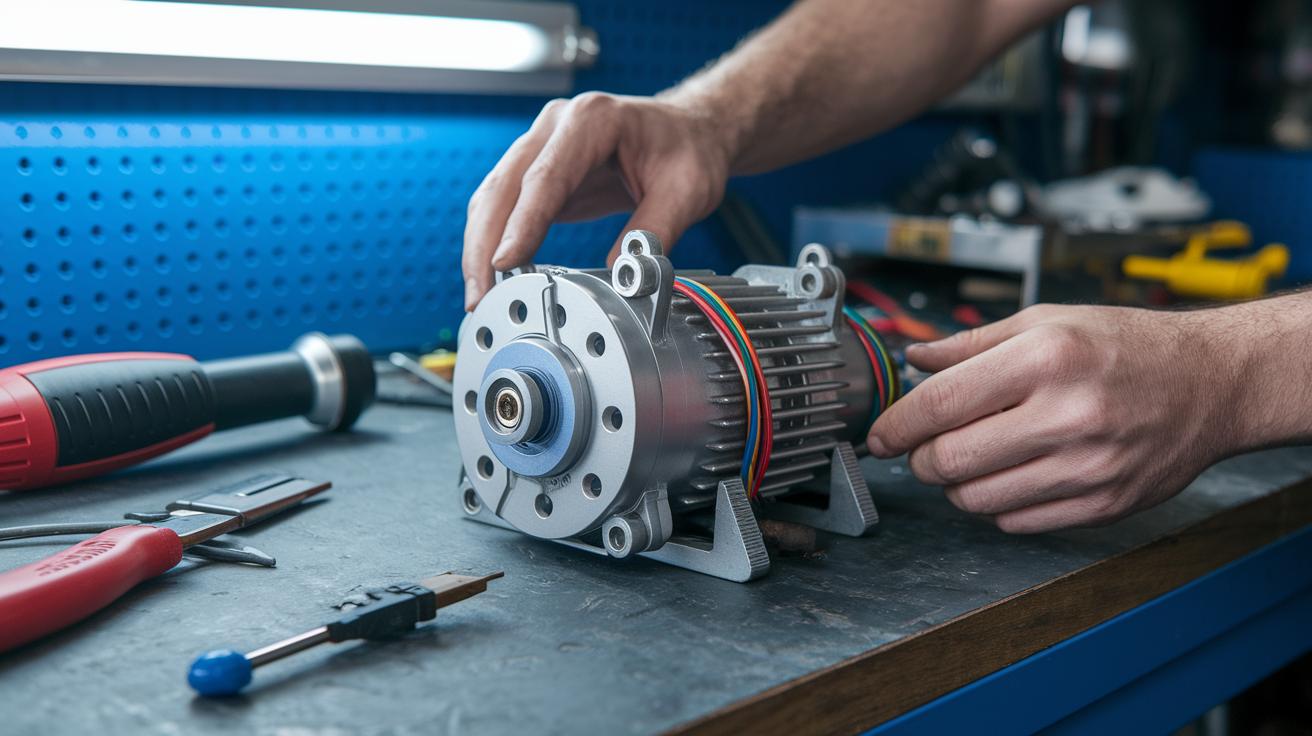
Ever hear a grinding or clicking sound when you try to start your car, only to have the engine refuse to turn over? Chances are, your starter motor might be the issue. Often, this can be traced back to a hiccup with the solenoid (the part that helps kickstart the engine), a dodgy relay, or worn internal parts. Catching these problems early means you can fix them before they get any worse and leave you stuck.
Diagnosing the Starter Solenoid
If you notice a rapid clicking noise when you try to start the engine, the solenoid could be the culprit. A simple bench bypass test can help you tell for sure. This test checks if the solenoid is properly letting power flow from the battery to the starter. If the test goes well, your solenoid is doing its job; if not, it might be time for a replacement.
Testing the Starter Relay
Sometimes, a faulty starter relay can mimic symptoms of more serious starter motor issues. A quick trick is to swap the suspect relay with one of the same kind from another circuit. If your car starts fine after the swap, you've likely found the problem. This simple step not only saves you time but also rules out problems in the broader starter circuit.
Inspecting Starter Components
Over time, parts inside the starter like brushes and the commutator may wear down, which can affect the starter’s performance. Listen for any rattling noises that might hint at internal wear. Also, if the pinion gears get misaligned or damaged, they might not mesh well with the flywheel. In these cases, the best option is to repair or replace the starter motor to keep things running smoothly.
Ignition Switch and Security Faults When My Car Will Not Start

Sometimes your car just won’t fire up even though your battery is solid and the starter is working fine. The culprit might be a faulty ignition switch or a hiccup in your vehicle’s security system. When you see your dash lights flicker or go dark as you turn the key, that can be a big hint something’s off with the ignition.
There’s also a chance the problem comes from your immobilizer system, a security feature that stops the engine if it senses something wrong, or from a weak key fob battery. Ever try using a spare key? If your car starts up with it, then your usual key might need a battery change. Also, many modern cars insist on being in Park or Neutral before they’ll start. That transmission safety interlock is there to keep you safe, so don’t forget to check it. Sometimes an electronic steering lock can also jam, making it tough for your key to turn. In those cases, a quick look at the reset steps in your owner’s manual might just do the trick.
- Make sure your dash lights stay steady when you turn the key.
- Try using a spare key to rule out key fob battery issues.
- Check that the gear selector is firmly in Park or Neutral.
- Give the steering wheel a gentle wiggle as you turn the key.
- Follow the reset steps for the immobilizer system as described in your owner’s manual.
Fuel Delivery Problems Causing My Car Will Not Start
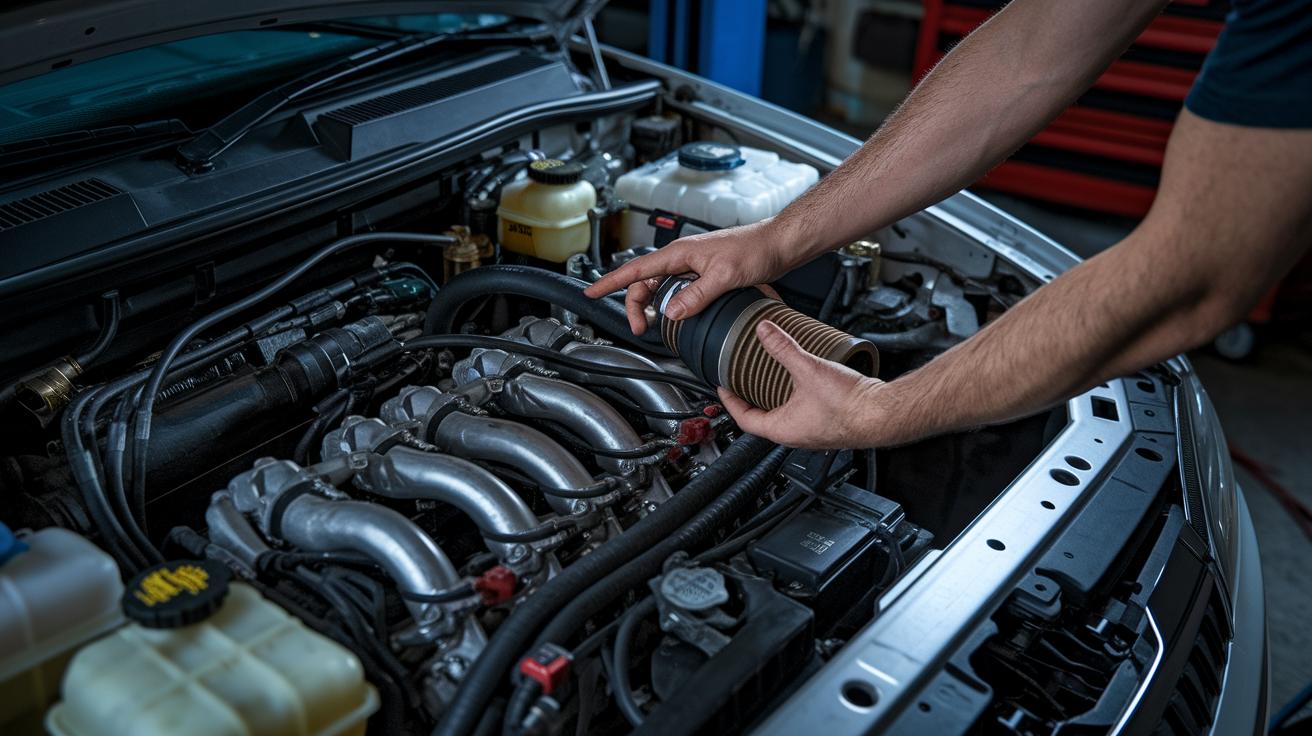
Ever had your engine crank but not fire up? It might be that your fuel system isn’t delivering enough fuel to get things moving. Sometimes the tank might be empty, but it could also be a clogged fuel filter or a weak fuel pump. If you switch your car on and don’t hear that usual gentle hum of the pump, it could be failing. A light tap on the tank might even help nudge a stuck relay back into action. And if your fuel is old or low grade, it might lead to misfires or a stubborn start. Using starting fluid might jump-start things temporarily, but be careful – too much can wash away the needed lubrication in the cylinders.
First off, check if the fuel pump buzzes when you turn the key to accessory mode. That steady sound is your green light; if it’s missing, the pump might be the culprit. Next, measure the fuel pressure to see if enough fuel is reaching the engine. If you notice the engine sputtering during startup, think about a clogged filter that needs cleaning. And don’t ignore the fuel quality – bad or contaminated fuel can cause big troubles. These simple steps help pinpoint whether it’s an empty tank, a failing pump, a clogged filter, or poor fuel quality causing the problem.
| Cause | Symptom | Test |
|---|---|---|
| Empty Tank | No fuel reaches engine | Check fuel gauge |
| Bad Pump | No whirring noise at ON | Tapping the tank and listening for activation |
| Clogged Filter | Sputtering engine during start | Inspect filter condition |
| Poor Fuel | Engine misfires or hard starts | Conduct fuel quality test |
Environmental and Mechanical Factors in My Car Will Not Start

Extreme temperatures can really throw your car off its game. When it's super cold, the engine oil gets thick, kind of like old syrup, which makes it tough to flow and coat all those moving parts. Plus, the battery struggles in the cold, often losing up to half its capacity. A handy tip? Let your car warm up a bit or use an engine block heater if you have one. It helps the oil keep a smoother consistency and gives your battery a boost.
Hot weather brings its own set of challenges. In sweltering conditions, older fuel systems might suffer from something called vapor lock, where the fuel turns into vapor before it even reaches the engine. And if the engine temperature sensor isn’t reading just right, the car's computer might mix the fuel and air incorrectly. That imbalance can make starting your engine a real hassle.
When you think there might be a mechanical issue, a compression test can be a quick check-up. Just use a compression gauge on each cylinder and look for readings between 100 and 200 psi. If you see lower numbers, it might mean there's a leak or some worn parts stopping your engine from firing up properly. In other words, it’s a clear sign that your car could use a bit of a tune-up.
Using Diagnostics and When My Car Will Not Start

Ever get that sinking feeling when your car just doesn't start? Modern diagnostic tools like computerized scans or OBD-II scanners make it a lot easier to figure out what's going on. These handy devices check for trouble codes, maybe something like P0622 pointing to an alternator hiccup or P0507 hinting at an idle control issue. They help you see if a sensor like the crank sensor, immobilizer, or ECM is acting up. And whether you’re using a small handheld code reader or a cool Bluetooth dongle connected to your phone, the process is surprisingly straightforward. One quick scan might show a persistent error that tells you exactly where to focus your repair efforts, cutting out all that guesswork.
These tools do more than just clear error codes, they give you a clear picture of your car’s overall health. If a scan keeps flashing multiple issues, it might be trying to tell you that there’s a deeper problem waiting to be fixed by a pro. Ever clear a code only to see it pop right back up? That’s your cue to seek advice from a trusted repair technician or even roadside assistance. And if you're stuck on the side of the road, help is available through jump-start services, fuel delivery, or towing.
When deciding to call for help, keep an eye out for these situations:
- The diagnostic scan keeps showing error codes that just won’t clear.
- The scan points to problems with key components like the alternator or crank sensor.
- Security or immobilizer issues linger even after reset attempts.
- Sensor errors return repeatedly after you’ve cleared the codes.
- Simple fixes don’t solve issues with the electrical or fuel system.
For more details on the latest scanning tools, check out Car Diagnostic Update Tools or scoop up routine insights from Car Check Up.
Final Words
In the action, we covered immediate steps, battery checks, starter issues, ignition and security faults, fuel delivery troubles, environmental effects, and key diagnostic tips. We broke down a useful checklist and shared practical tests to troubleshoot problems when my car will not start.
Keeping the process simple builds your confidence and helps you tackle auto issues head-on. These insights make addressing car problems manageable, so you can enjoy a smoother ride every time.
FAQ
Why doesn’t my car start even though the battery shows power and lights are on?
When your car shows power with lights active, it may point to issues in the starter or ignition system. Check starter connections, key switch function, and verify fuel delivery.
Why does my car just produce a clicking noise when I try to start it?
That clicking sound indicates the starter solenoid is engaging while the engine isn’t cranking. Often, this points to a starter fault or a low-voltage condition even though electrical systems seem fine.
Why does my car make no sound at all when I try to start it?
When there’s no sound during startup, it likely signals an electrical or connection problem. A faulty ignition switch or a severely weakened battery might be causing the complete silence.
What should I do if my car suddenly won’t start?
If your car suddenly won’t start, begin with a basic check—confirm it’s in Park or Neutral, the parking brake is on, battery connections are secure, and there’s enough fuel. This helps narrow down the issue.
How can I tell if the problem is with my starter or my battery?
To distinguish between starter and battery issues, test the battery voltage (a healthy battery is about 12.6V) and watch for clicking sounds. Rapid clicks often hint at a failing starter rather than a battery issue.
What is the first thing to check when my car won’t start?
The initial check should focus on the battery and its connections, as well as ensuring the car is in the correct gear. This quick inspection often reveals low voltage or loose cables as contributing factors.