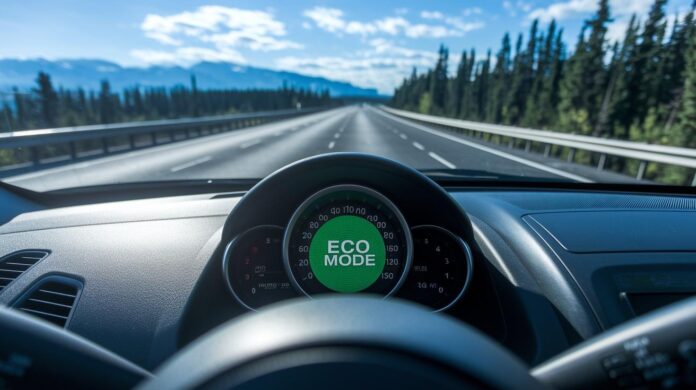

Ever wondered what happens when you hit the Eco Mode button? It’s like switching your car to a gentler drive, almost as if you're taking a quieter road on your daily commute.
When Eco Mode kicks in, your car eases up on the throttle and smooths out the gear shifts so it uses fuel more wisely. Think of it as your built-in buddy, helping you save gas when the traffic gets heavy or you’re caught in stop-and-go situations.
So if you’re after a smoother ride that’s easy on your wallet, give Eco Mode a try. Who knew a simple button could make driving feel so relaxed?
How Eco Mode Adjusts Vehicle Controls
Eco Mode is like that friendly nudge that helps your car be more fuel-friendly. It tweaks how the engine and other systems work so your ride doesn’t guzzle gas, especially in heavy traffic or those stop-and-go moments. Think of it as making small, smart changes that let your car go easy on energy without taking away the fun of driving.
- It makes the accelerator less sensitive, so your car uses less fuel when starting and stopping in the city.
- It softens the throttle response, which means your car picks up speed more gently.
- It changes the transmission behavior by shifting gears earlier when speeding up and holding off on downshifting, this keeps the engine running at lower speeds.
- It controls the climate system to help it run less often, saving extra power.
- In some cars, even the suspension is softened a bit to help conserve energy.
With these helpful adjustments, your vehicle runs in a more efficient way. It eases off on harsh acceleration, shifts gears before the engine really strains, and uses fewer resources for things like climate control. It’s like giving your car a light push instead of urging it to work overtime, making everyday driving more economical while caring for your fuel consumption.
Eco Mode Activation and Best Practices
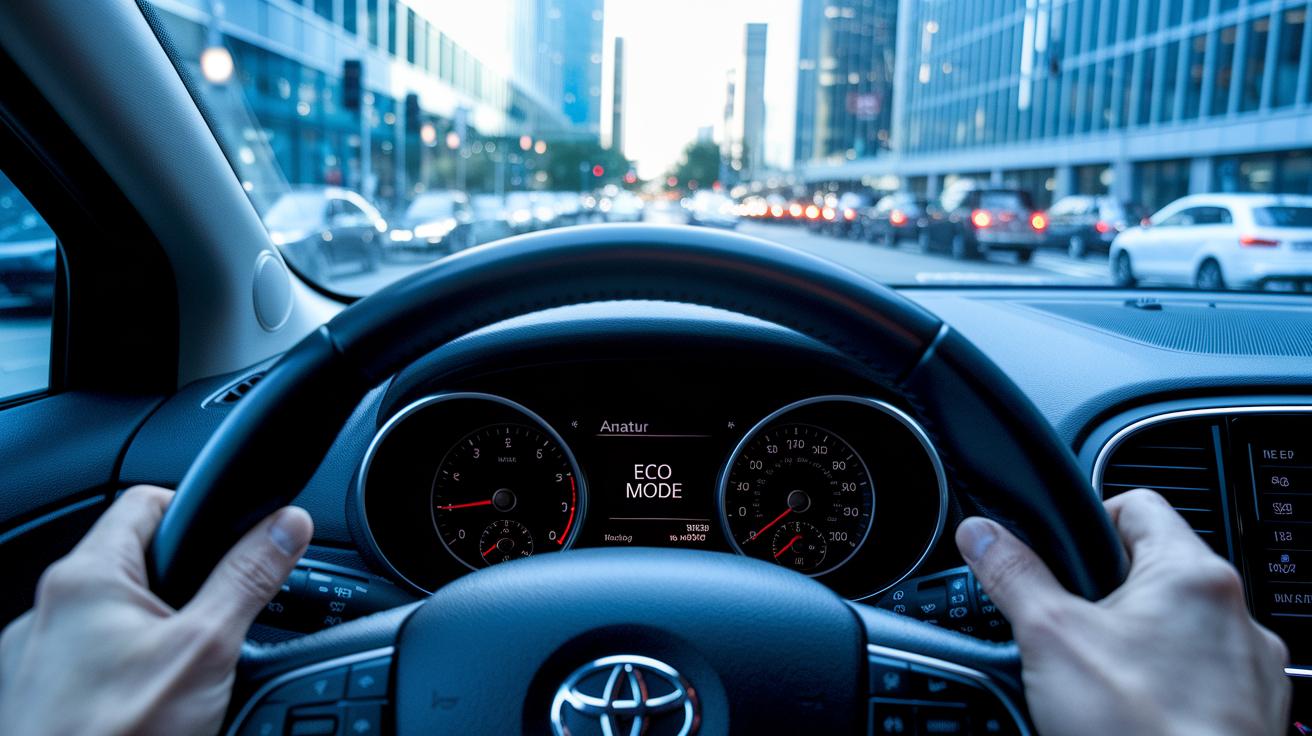
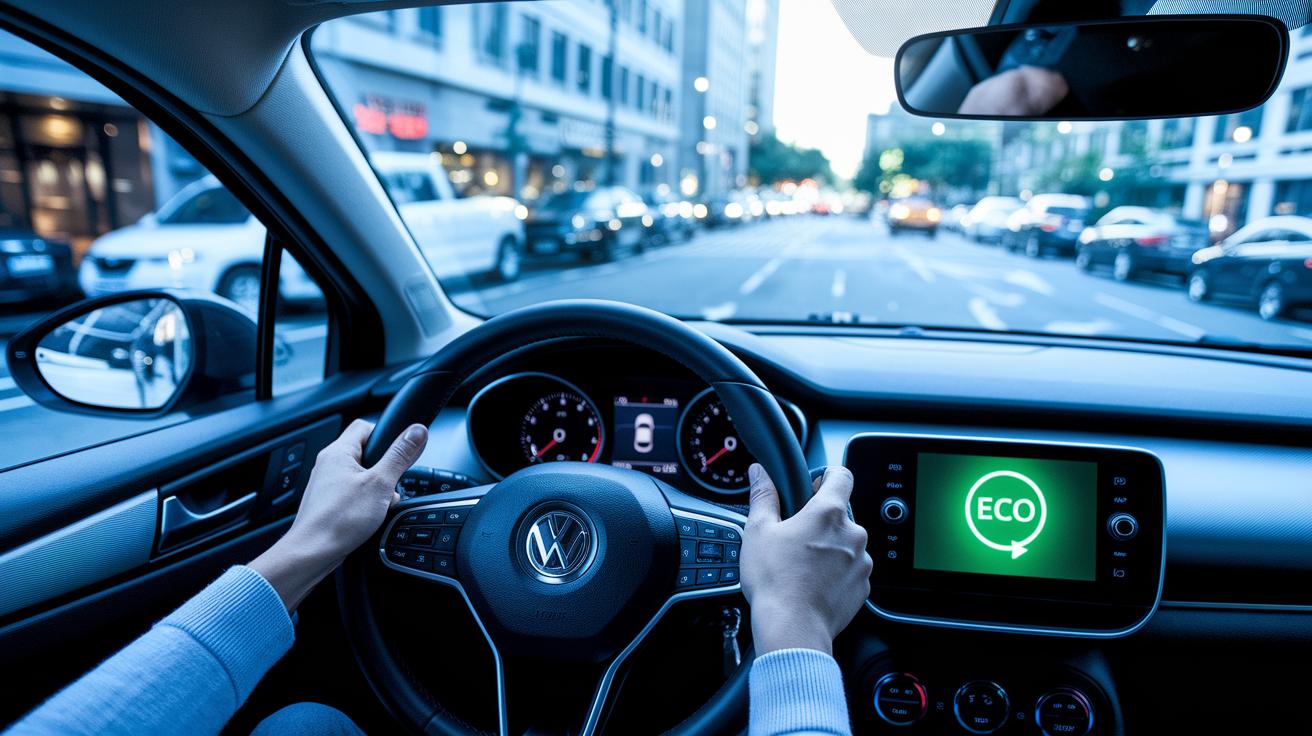
Finding Eco Mode in your car is a breeze. Just look for a dedicated button on your console or check your infotainment menu. Even if you're new to the ride, you'll easily spot it because it's clearly marked. Simply press the Eco Mode button to switch your car into a fuel-saving state, almost like turning on a cozy light when you need a little warmth.
Using Eco Mode really shines in city driving or when you're stuck in heavy traffic. In stop-and-go traffic or short, slow trips, it smooths out your ride and helps you use less fuel. It's perfect for daily commuting, giving you that gentle push instead of a burst of power. But if you ever need a quick burst for things like merging onto a highway, Eco Mode might hold you back a bit.
When you’re ready for a performance boost, switching off Eco Mode is just as simple. Hit the same control to toggle back to normal or even Sport mode. This easy switch lets you enjoy higher engine response exactly when you need it, like during a fast highway pass.
Eco Mode Performance Trade-Offs
Eco Mode makes your car’s throttle feel smoother and holds back the engine’s power, so you’ll notice a gentler push when you step on the accelerator. This setup is all about saving fuel instead of delivering that quick burst of energy. It even tells the transmission to relax a bit by delaying gear changes, which keeps the engine running at lower speeds. Even things like the climate system might work a little slower, so heating or air conditioning might not respond as quickly.
In everyday driving, these tweaks can really change how your car feels, especially in stop-and-go traffic or when you’re climbing a steep hill. Imagine trying to jump into busy highway traffic or needing that extra kick while going uphill; the softer throttle and lagging shifts might make it feel like your car is holding back a bit more than usual.
At the end of the day, Eco Mode is all about trading a bit of performance for better fuel economy. It’s perfect for those times when saving gas matters most, but if you need quick acceleration or extra power on challenging roads, you might find regular mode a bit more to your liking.
Eco Mode in Electric and Hybrid Vehicles
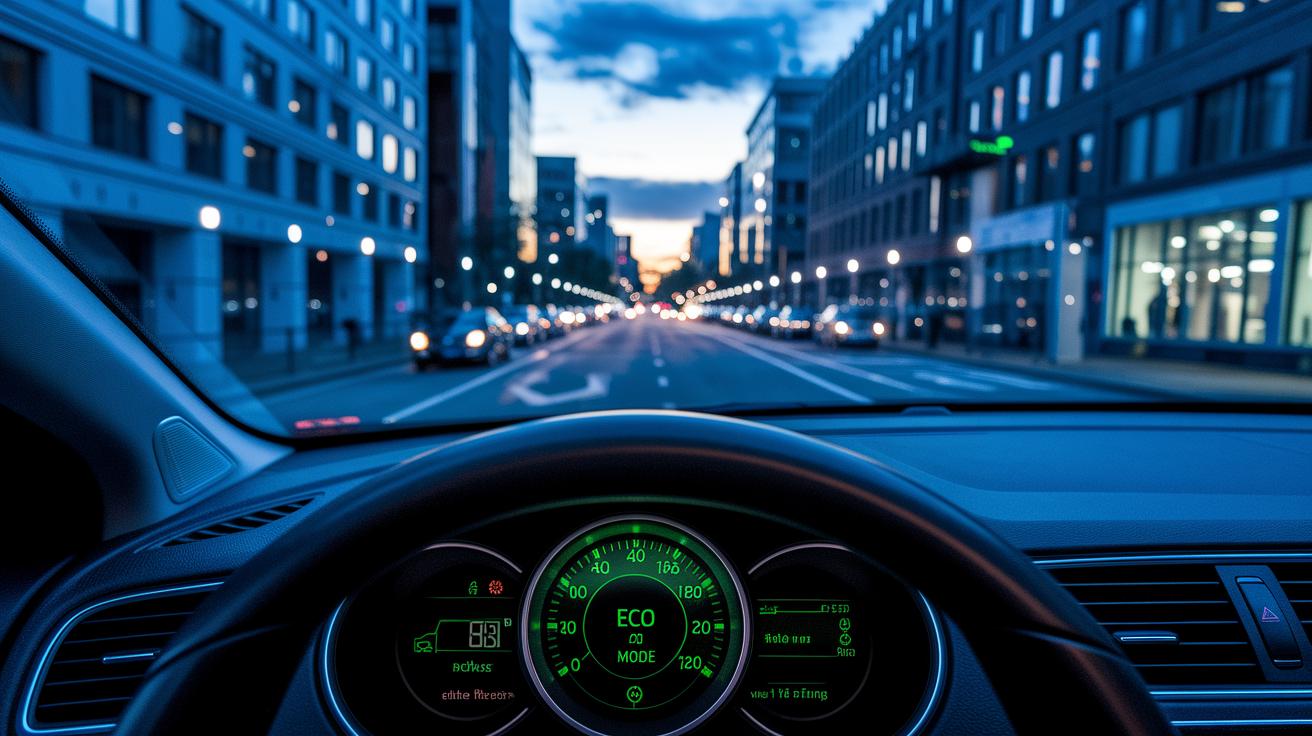
Eco Mode is a handy feature that helps you save fuel and get more miles out of your electric or hybrid ride. It tweaks things like the engine controls to focus on being efficient rather than speedy. By adjusting how the accelerator and the climate control work, it cuts down on energy use and helps you drive economically.
Eco Mode in Battery-Only EVs
For electric cars that run solely on batteries, Eco Mode tones down the accelerator so you don’t use up the battery too quickly with sudden bursts of power. This means a smoother, steady ride as you speed up. At the same time, the car’s climate system gets a workout too, sometimes even completely turning off in models with Eco+ features, to save energy. A good example is the Porsche Taycan, which has an Eco+ Mode that can turn off climate controls altogether. Picture this: you gently press the pedal and use just a little energy for the cabin, helping you travel further on one charge.
Eco Mode in Hybrid Powertrains
When it comes to hybrids, Eco Mode mixes gasoline and electric power to get the best of both worlds. It keeps a careful balance by managing both the engine and the electric motor to lower energy use. Plus, many hybrids offer an EV Mode that lets you drive only on battery power for short trips, usually up to a mile at lower speeds. This smart mix helps reduce overall fuel consumption and makes city driving more efficient.
Eco Mode Compared to Other Drive Modes
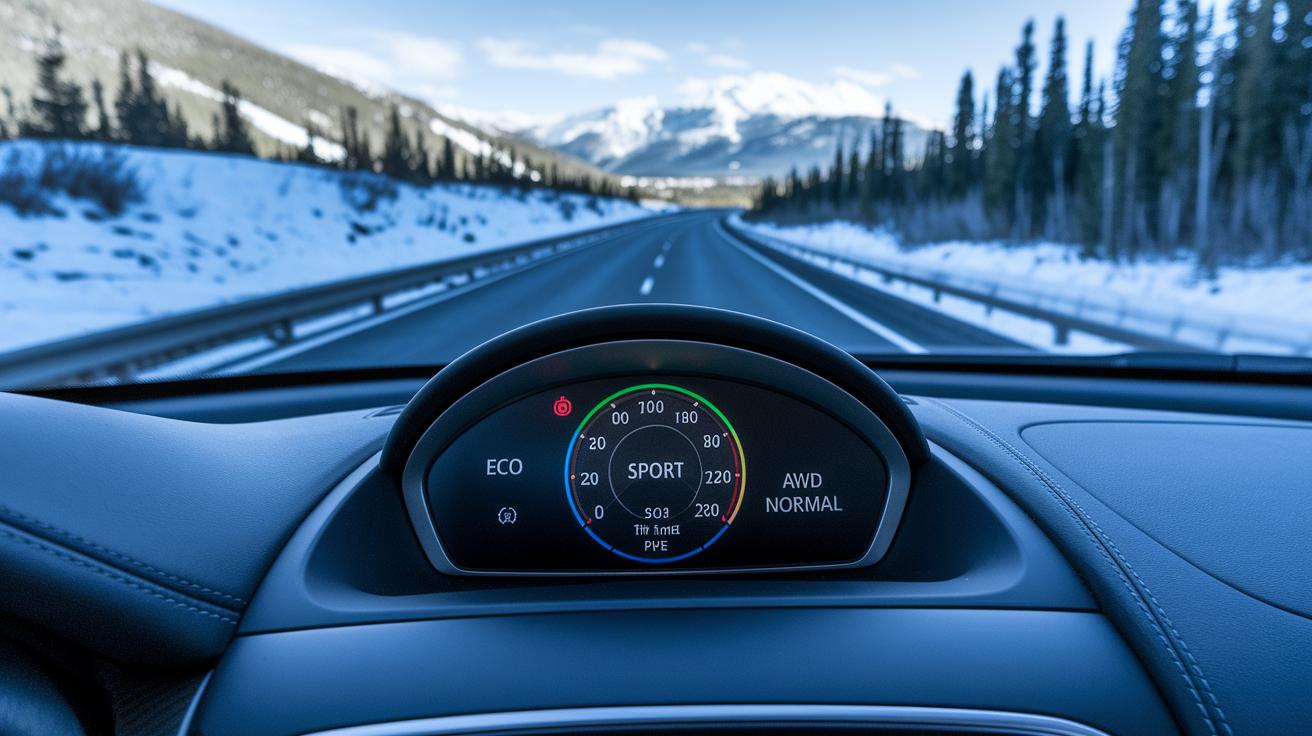
When you drive, your car can feel very different depending on the mode you choose. In Eco Mode, the car eases off the gas and shifts gears early to help save fuel and keep the engine feeling relaxed. Sport Mode, on the other hand, makes the throttle more responsive so you get a quick, zippy ride whenever you need some extra kick. EV Mode lets you run just on battery power, perfect for short, steady trips even though it doesn’t pack a lot of punch. And if you’re facing tricky spots like mud or snow, AWD Lock Mode makes sure power reaches every wheel to keep you safe. Normal Mode, as you’d expect, offers a good balance without leaning too hard into either fuel-saving or high performance.
Eco Mode is your buddy for everyday driving, working with a gentle throttle, early gear changes, and even cutting down on accessory power use to conserve fuel. Sport Mode is ideal when you want your ride to feel more energetic, while EV Mode is set up for battery-only action during smooth, low-speed drives. When the weather or road gets rough, AWD Lock Mode steps in to help with strong traction. With Normal Mode, you get the familiar performance of your car without any extra tweaks. By looking at these differences, it’s easier to choose the mode that fits your driving style and current conditions.
| Mode | Throttle Response | Shift Behavior | Accessory Management |
|---|---|---|---|
| Eco Mode | Gentle and smooth | Shifts earlier to save fuel | Reduces accessory power use |
| Sport Mode | Quick and sharp | Delays shifts for extra power | Standard accessory use |
| EV Mode | Limited power delivery | Optimized for short, slow trips | Minimal accessory draw |
| AWD Lock Mode | Standard response | Fixed gear settings | Regular accessory system |
| Normal Mode | Balanced and steady | Standard shifting | Full accessory features |
Eco Mode Fuel Economy Boost and Emission Benefits
Recent studies show that vehicles using Eco Mode along with regular maintenance can reduce harmful exhaust by up to 12%. This improvement happens because the engine load balances better, which means the car uses less fuel and pushes out fewer pollutants. For instance, one study discovered that cars consistently using Eco Mode with proper upkeep release 15% less CO2 under everyday driving.
Both hybrid and traditional combustion engines can enjoy these benefits. In hybrid vehicles, Eco Mode smoothly blends battery power with engine performance, keeping emissions in check. At the same time, drivers of combustion engines who keep their throttle smooth have seen emission drops of about 10% in tests.
Using Eco Mode and sticking to routine maintenance go hand in hand when it comes to reducing emissions. Regular checks like swapping filters, examining spark plugs, and keeping tires at the right pressure all help the engine perform efficiently. Another fact to consider is that vehicles on a strict maintenance schedule may boost Eco Mode’s fuel efficiency by 8%, directly lowering harmful emissions.
Final Words
In the action, we explored how Eco Mode adjusts controls to trim fuel use, from softer throttle response to earlier gear shifts. We broke down its activation, best practices, and the trade-offs you might face, including reduced power for smoother efficiency. We also looked at how Eco Mode fits in electric and hybrid vehicles and how it stacks up against other drive modes. Next time you wonder, what does eco mode do in a car, you’ll have a solid grasp on its benefits and quirks. Enjoy the ride!
FAQ
Is eco mode bad for your car?
The eco mode isn’t inherently bad for your car; it simply limits throttle response and power output to boost fuel efficiency, which may feel sluggish under high-demand situations.
When should you use eco mode in your car?
The eco mode is ideal during city driving and stop-and-go traffic, where conserving fuel is more beneficial than high acceleration, but switch it off for tasks like highway passing.
What does eco mode do in a car?
The eco mode adjusts vehicle controls by softening the accelerator, shifting gears early, and reducing accessory power, all to help lower fuel consumption across various car brands.
What are the pros and cons of eco mode in a car?
The eco mode’s benefits include improved fuel economy and lower emissions, while drawbacks can involve decreased acceleration and less responsive performance during sudden driving needs.
How do you turn off eco mode on your car?
Turning off eco mode is usually as simple as pressing its dedicated button or selecting the corresponding option in your car’s infotainment system to return to standard driving settings.
Is it okay to drive in eco mode all the time?
Relying solely on eco mode works well in urban settings, but constant use may limit performance when extra power is needed, so adapting modes to your driving conditions is smart.
How much fuel does eco mode save?
The eco mode can save fuel by optimizing throttle response and reducing accessory power use, with noticeable benefits during city driving though exact savings depend on driving style and vehicle type.