

Ever notice how your car stays cool on a boiling day? The water pump is like your engine’s best buddy, moving coolant around just like your heart pumps blood. It works quietly in the background to keep every part of your engine from getting too hot while you’re on the road. Even a tiny hiccup in its work can spell big trouble for your engine. Here, we'll chat about how this key part does its job and why it's so important for your car’s overall health.
Primary Role of a Water Pump in Car Engine Cooling System
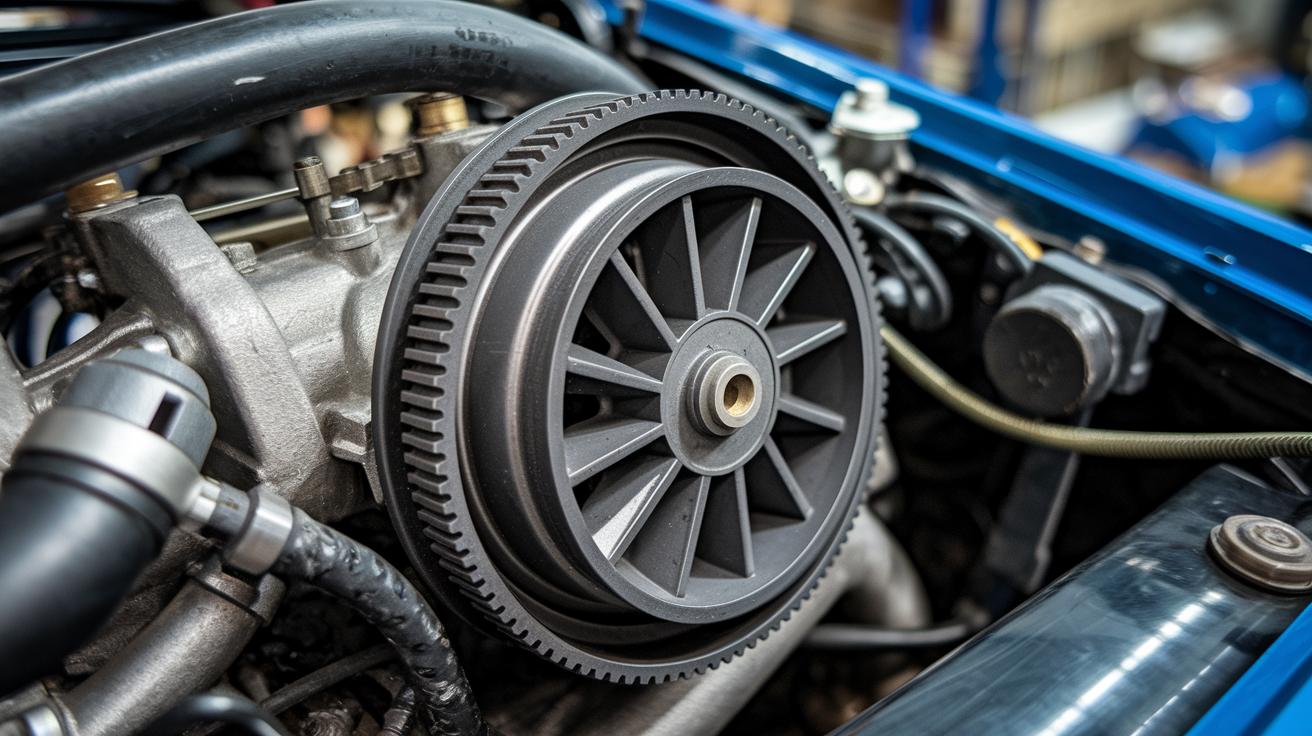
A water pump is like the engine’s trusty sidekick. It moves the coolant through the engine block, radiator, and hoses so the engine never gets too hot. Think of it as the heart of the cooling system, it pumps coolant just like your heart sends blood throughout your body.
This pump is hooked up to the engine’s crankshaft using a belt, which means it runs whenever the engine does. Inside, a spinning impeller uses centrifugal force to suck coolant from the radiator and push it into the engine’s channels. Picture a small, hardworking fan that never stops, making sure every part of the engine gets the cooling it needs.
Without this essential part, the engine can overheat quickly, leading to costly repairs. A water pump that isn’t working right can cause serious damage, much like how a blocked artery stops blood flow. Even a minor hiccup in its performance can grow into a major issue before you know it.
Internal Mechanism and Key Components of a Car Water Pump
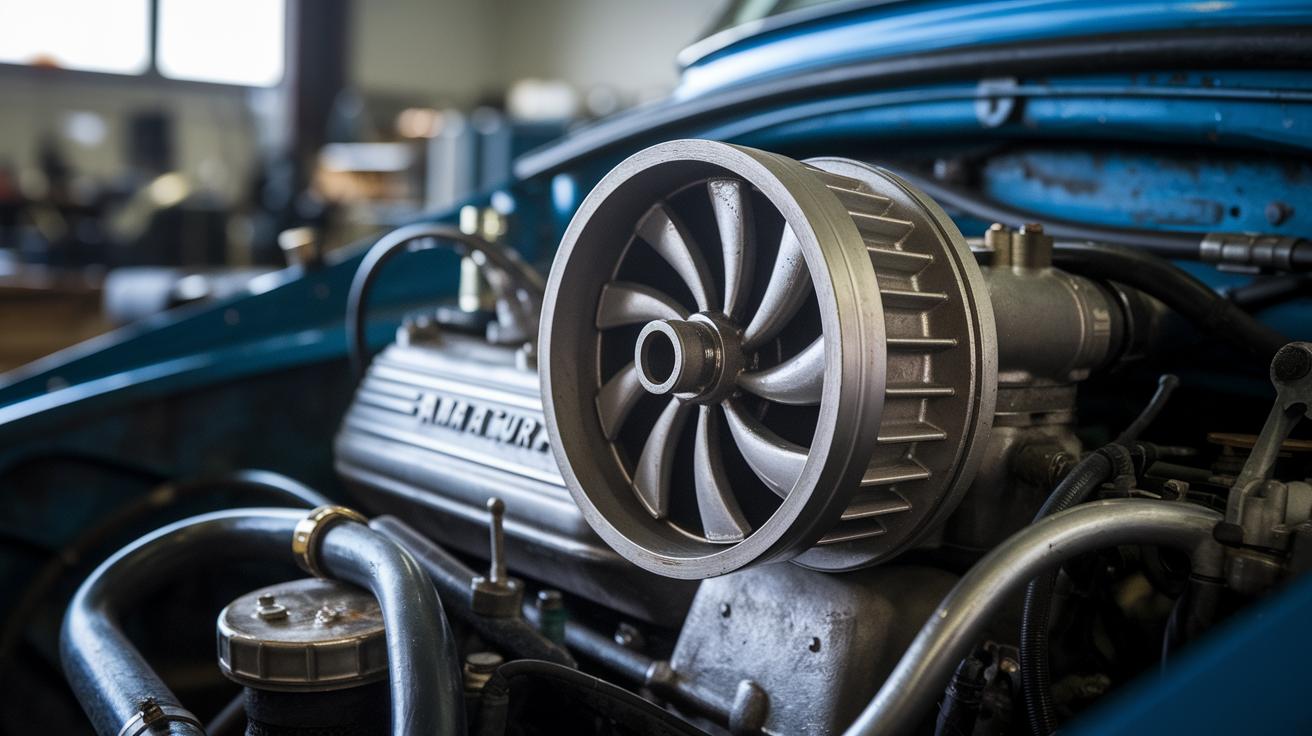
Ever wondered how your car's engine stays cool even when it's working hard? The water pump is the unsung hero that keeps everything at the perfect temperature. It combines clever design with solid, no-nonsense parts to move coolant all around your engine.
The pump has three main parts: the impeller, the drive mechanism, and reliable seals housed in a tough, rust-resistant case. Each one works like a team member, making sure the coolant flows smoothly every time you hit the road.
Impeller Design
The impeller is made of several sturdy blades that handle high heat and pressure with ease. When these blades spin fast, they use centrifugal force (that’s the force that pushes things outward when spinning) to push the coolant from the center and spread it through the engine. Imagine a fan blasting air to keep you cool on a sunny day, that’s how the impeller works.
Drive Mechanism
This part links up to the engine using a belt, which could be a serpentine or timing belt, attached to the crankshaft. The belt takes the engine’s energy and turns it into the spinning motion of the pump. Making sure the belt is just right and the pulley is in place is key to keeping the flow steady. It’s a bit like checking your bike chain to make sure every pedal stroke moves you forward.
Seals and Housing
Last but not least are the seals and the pump’s housing. Made from materials that stand up to rust and high pressure, these parts keep everything tightly sealed so that no coolant escapes. They protect not just the pump but other important engine parts too. Think of it as a super snug gasket that keeps leaks at bay.
Together, the impeller, drive mechanism, and seals create a system that reliably circulates coolant. This teamwork helps lower engine temperatures and keeps your car running smoothly every time you drive.
Common Signs and Symptoms of a Failing Car Water Pump
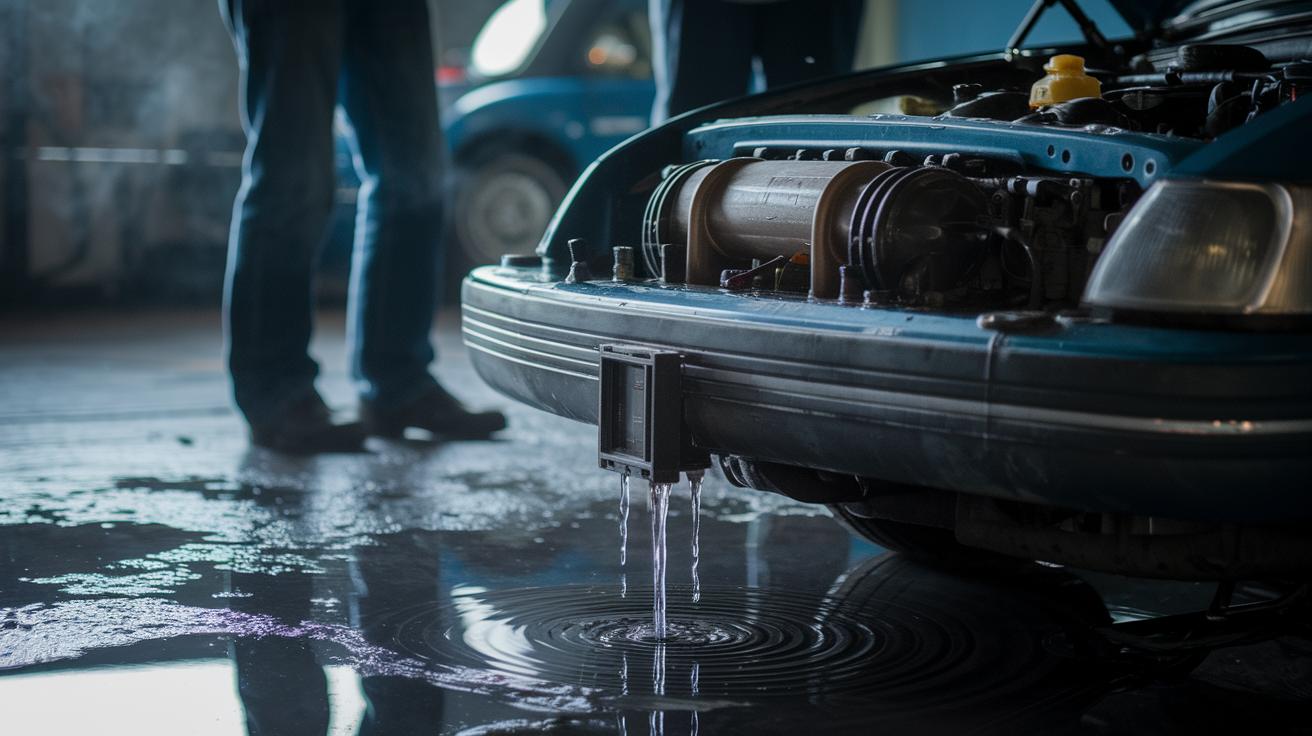
Noticing problems early can save you from expensive repairs and protect your engine from serious damage. If you ignore these hints, a water pump issue can quickly escalate from a small nuisance to a major headache.
Keeping an eye out for these signs is as important as a regular check-up to stay safe and keep your car smooth on the road.
- Coolant puddles under the front of your car in the garage
- Squealing or whining sounds coming from under the hood
- Engine temperature that keeps spiking or signals of overheating
- Steam coming out of the radiator or from under the hood
- Rust or corrosion building up around the pump housing
- A heater that isn’t working well because of low coolant flow
If you skip these warning signs, your engine could suffer severe damage. Running an overheated engine might warp parts and break bearings, leading to very costly repairs or even a full engine failure. Spotting these symptoms early lets you make repairs while it's still a minor issue, keeping your cooling system in top shape and your car running without unexpected breakdowns.
Routine Maintenance and Inspection Tips for Your Car’s Water Pump
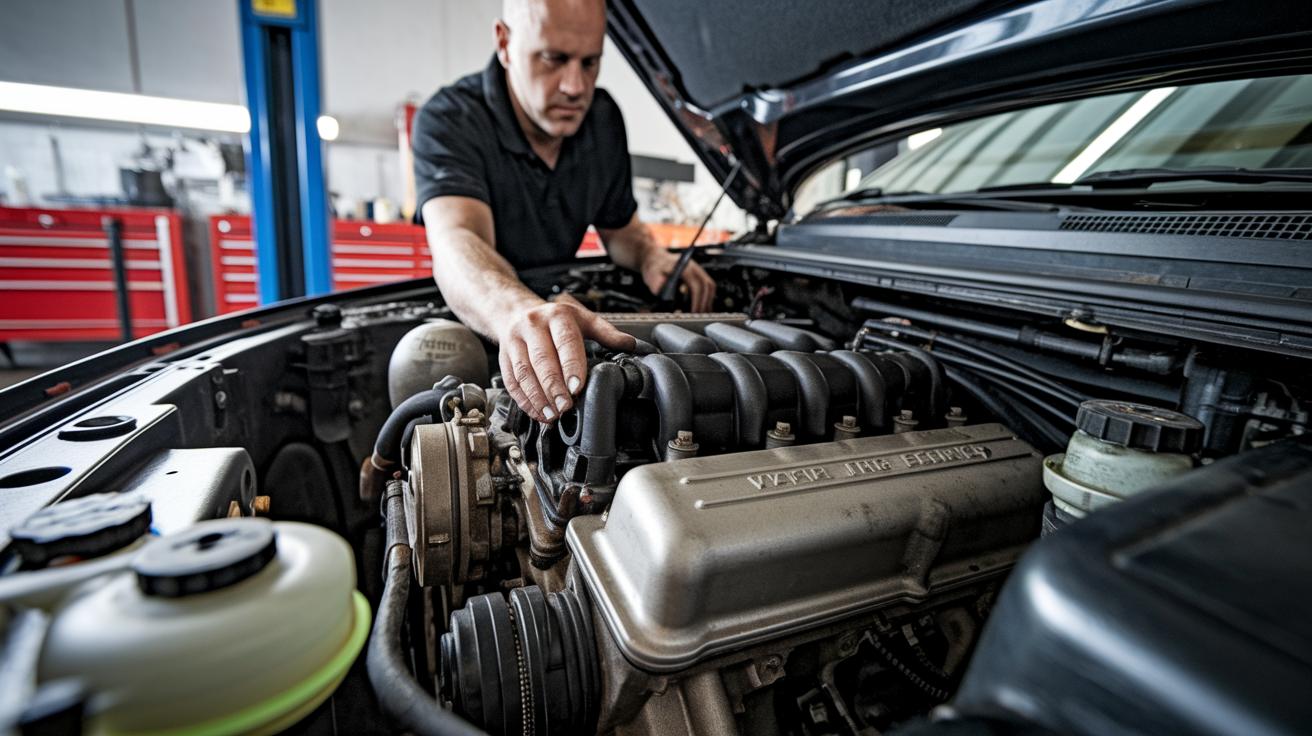
Keeping an eye on your car’s water pump is super important for a healthy cooling system. Every time your car gets routine service, take a minute to check the pump and its parts. A good tip is to give it a closer look when you change the timing belt, usually between 60,000 and 90,000 miles.
Before you start any inspection, always shut off your engine and let it cool completely, this way, you avoid burns or other accidents. Safety comes first. Once everything's cool, check that your coolant level is right and that it looks clean without any weird colors or bits floating around.
When you’re working on it, start by looking at the coolant level and quality. Next, examine the hose connections to make sure they’re tight and not cracked. Give the belt a quick tug to see if it feels too loose or worn out. Lastly, check the pump seals for any signs of wear or drips. Doing these steps when you replace your timing belt can help you spot small issues before they turn into bigger problems, keeping your engine in great shape and your drive smooth.
Replacement Timeline and Cost Considerations for Your Car Water Pump
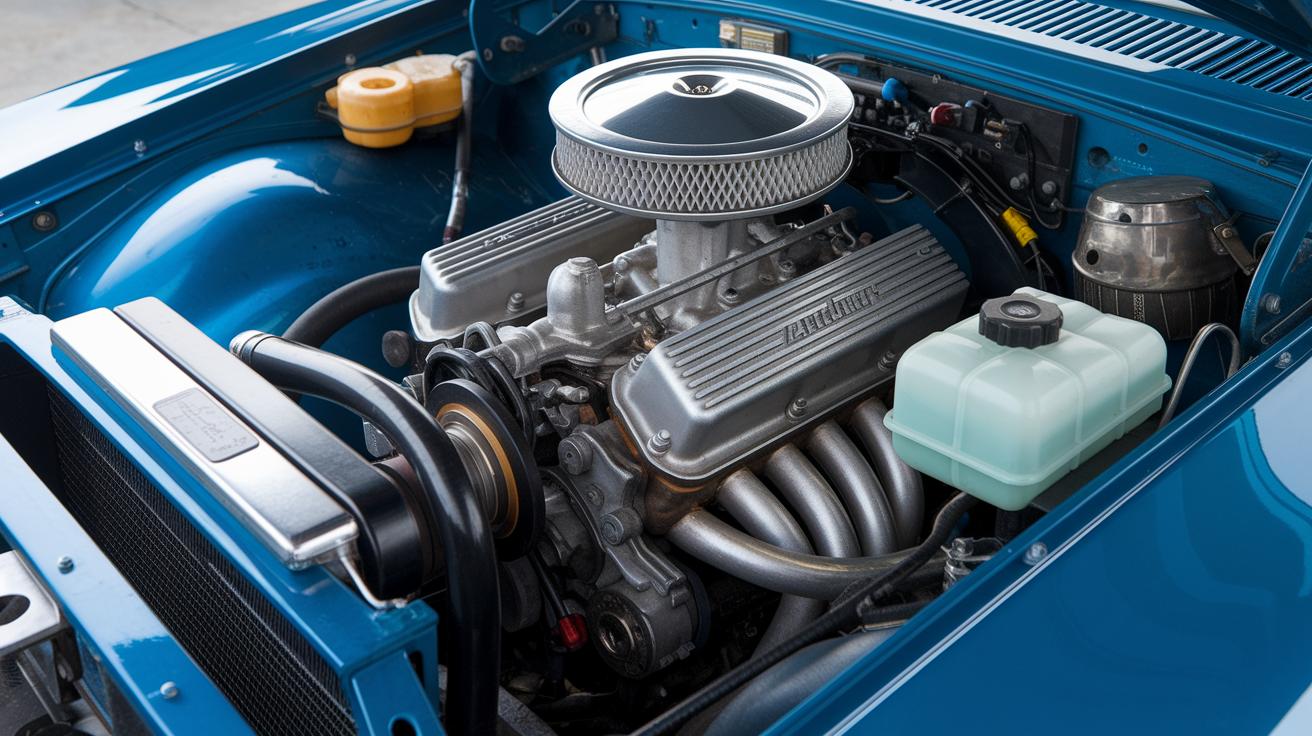
Your car's water pump usually lasts about 90,000 miles. But if you start seeing coolant leaks or hearing odd noises from the engine, that's a hint things might be going off track. Often, mechanics swap out the water pump along with the timing belt to help avoid any sudden engine troubles. Keeping an eye on your mileage and these early signals can really save you from big repair bills down the road.
Replacing the water pump involves both parts and labor. Parts prices depend on the make and model of your car, and the labor cost can change based on how easy it is to access the pump under the hood. When a repair shop handles both the water pump and timing belt together, you might pay less for labor since it's all done at once. It really helps to compare genuine OEM parts, which cost a bit more but usually deliver reliable performance, with aftermarket options. Looking at these details alongside your regular car maintenance budget could help you plan your expenses better.
Before you head in for repairs, check if your warranty or service plan can cover any of these fixes. That little extra step might lower your out-of-pocket costs while keeping your engine in top shape.
DIY Troubleshooting Guidelines and Safety Protocols for Your Car Water Pump
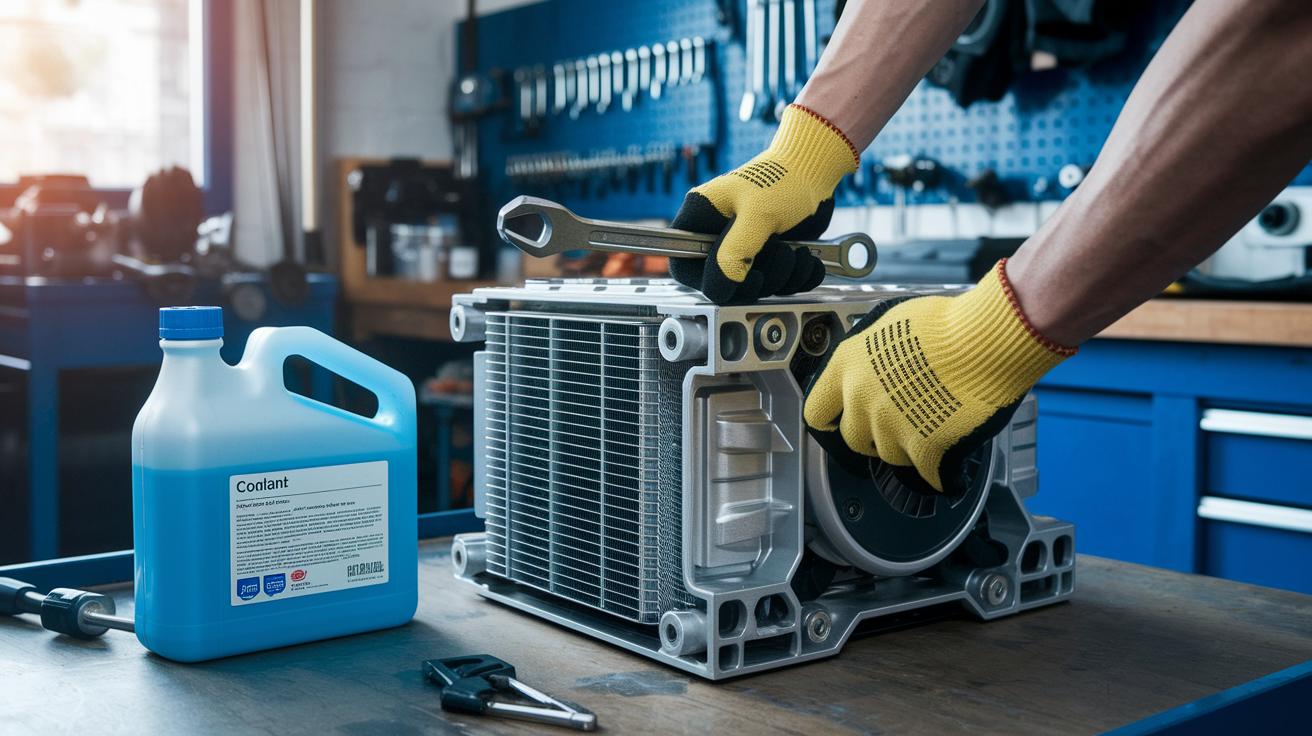
Before you get started, make sure your engine is completely off and has cooled down. Drain the coolant into a proper container, just like you’d let a sizzling skillet cool before touching it. This step keeps you safe from burns and hot parts.
Safety First: Preparation and Tools
Put on your gloves and eye protection, safety always comes first. Gather your wrench set, pressure tester, and any other basic tools you might need. And don’t forget, dispose of used coolant according to local guidelines. Think of this as setting up your workspace before fixing a bike; everything in the right place makes the job easier and safer.
Diagnostic and Repair Steps
- Check the coolant level and system pressure with your tester.
- Look over the belt to ensure it’s aligned correctly and has the right tension.
- Inspect the pump seals for any drips or leaks.
- Listen for any strange bearing sounds that might hint at wear.
- If you’re confident, replace minor seals or tighten any loose connections.
If these steps hint at a bigger problem or you’re feeling unsure, it’s a smart idea to call in a professional mechanic.
Final Words
In the action, this article broke down what is the water pump in a car and its key role in maintaining safe engine temperatures. It laid out the pump's design, how it works with the cooling system, and clear signs to watch for when things go awry.
We also covered smart maintenance steps, cost insights, and safe DIY tips. Enjoy that satisfying feeling when your ride performs at its best, and trust that these tips help keep your engine cool and your confidence high.
FAQ
What are the symptoms a failing car water pump shows?
The water pump shows signs by leaking coolant, making high-pitched or grinding noises, and causing engine temperature spikes. Loud steam or corrosion around the pump signal that it might need fixing.
What is the function of a car water pump in the engine cooling system?
The water pump circulates coolant throughout the engine block, radiator, and hoses to stabilize temperatures. Its impeller and belt drive work together to move the liquid efficiently.
What does replacing a car water pump involve?
Replacing the water pump means installing a new unit that circulates coolant. Typically, this replacement happens during timing belt service since the pump is linked to the crankshaft via that belt.
What is the cost or price range for replacing a water pump in a car?
The cost to replace a water pump varies by model, parts quality, and labor rates. It’s common to combine the replacement with timing belt service, affecting the overall price.
Can you drive a car if the water pump fails?
Driving with a failed water pump risks engine overheating and serious damage. It’s best to have it repaired promptly rather than risking costly engine repairs.
What does a water pump do in a house?
In a home, a water pump moves water through the plumbing system, maintaining pressure and consistent water supply to fixtures. It plays a key role in everyday household water distribution.
Why do we call it a water pump and not a coolant pump in cars?
The water pump is named so because it circulates coolant—a water-based fluid—through the engine. This traditional term has stuck, even though the fluid contains additional additives for performance.