Maintenance
High Mileage Car Maintenance Shines With Savvy Tips
By jamesdimon
April 22, 2025
Field Notes
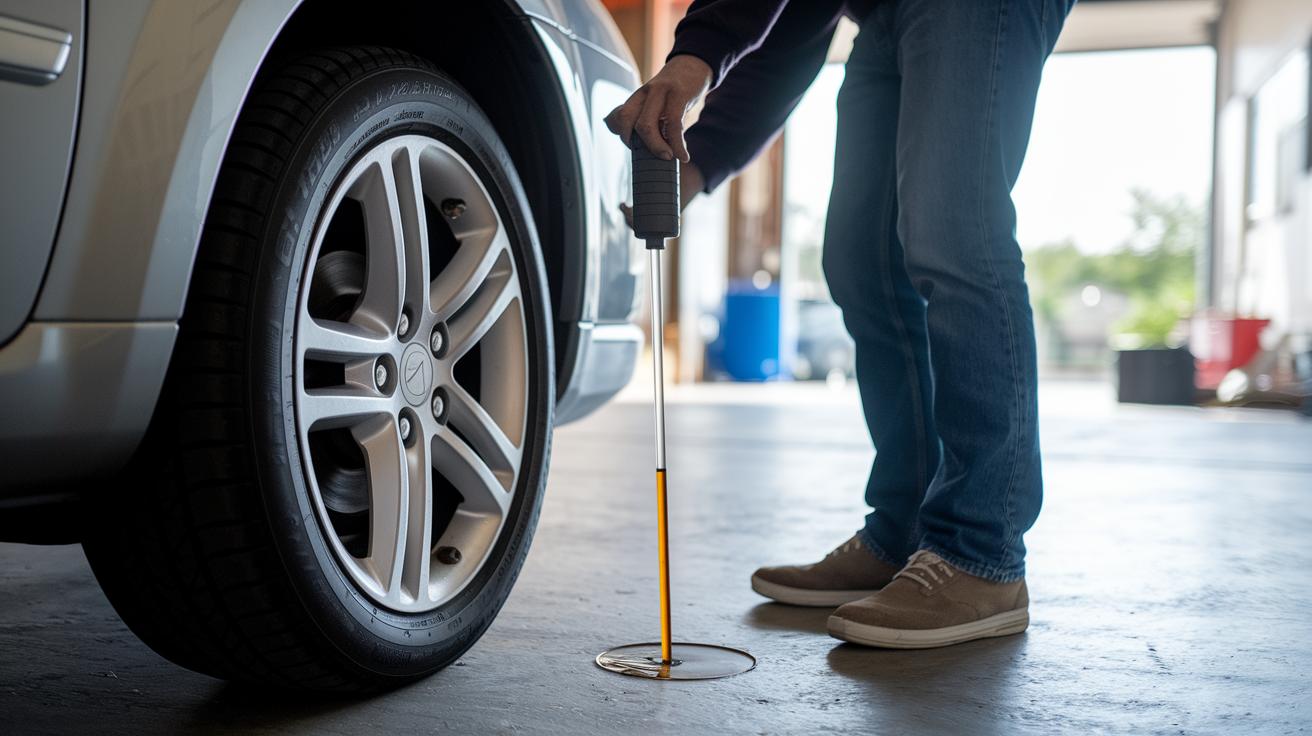
Ever wonder if your old car is hiding a secret to a longer life? It might sound risky to take on high mileage maintenance, but a little care goes a long way.
Think of it like training for a marathon, a bit of steady upkeep can really pay off. Just ask Irv Gordon and his 1966 Volvo that racked up over 3 million miles.
In this post, I’m sharing some simple tips to help you spot any troubles early, so you can avoid big repair bills later on. Hang tight, and you'll learn how to give your car the attention it truly deserves.
Essential High Mileage Car Maintenance Practices

Booking your service appointment online is a real time-saver, it means less waiting around at the shop and an easier way to keep up with your car’s routine needs. When you drive a high mileage car, it’s not just about fixing problems once they show up. Instead, you’re all about staying one step ahead with regular check-ups that keep your ride purring nicely. For example, think about Irv Gordon’s 1966 Volvo P1800S. It racked up over 3.2 million miles simply by getting regular oil changes and using the right parts. Crazy, right? It really shows how sticking to a routine can pay off big-time.
Your owner’s manual is like that trusted buddy who gives you a heads-up on what needs attention, whether it's the tires, fluids, belts, lights, battery, or hoses. These check-ups are a bit like a doctor’s visit: they help catch little issues before they become major headaches. It’s like checking your blood pressure to keep your body in balance. Keep those fluids in check and you’re on the right track.
Regular oil changes are a must, they’re like giving your engine a fresh dose of “blood” to keep it running smoothly. And keeping an eye on tire pressure isn’t just about preventing flats; it also helps your tires last longer and even saves on gas. Plus, when you book your maintenance online, you get that extra bit of convenience that makes managing a high mileage car so much easier. By sticking to these simple steps, you can boost your car’s reliability and keep it going strong mile after mile.
Building a Maintenance Schedule for High Mileage Vehicles
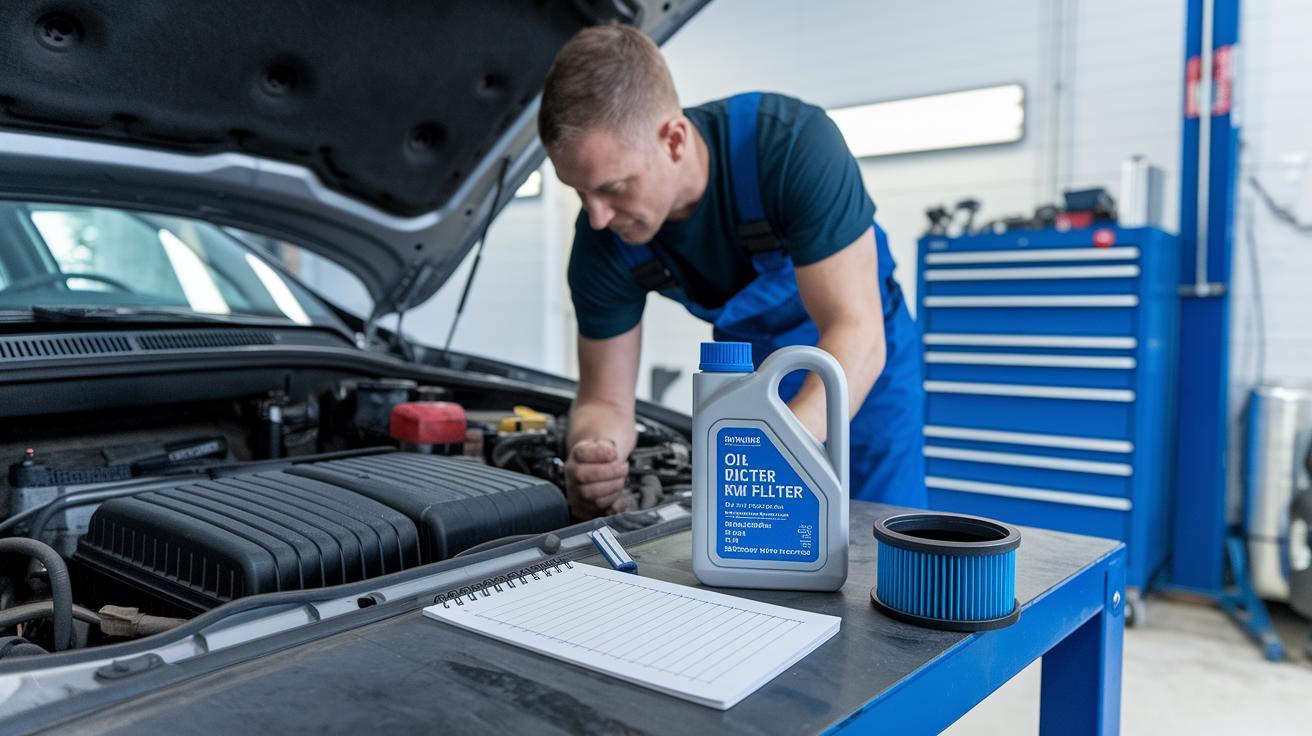
Creating a mileage-based repair plan is like setting up a regular health check for your car. Your owner's manual usually tells you to change the oil every 5,000 miles if everything’s running normally. But when your car hits over 75,000 miles, switching to high-mileage oil can really help reduce leaks, smoke, and emissions.
Here’s a simple list of tasks with clear intervals:
- Replace your air and fuel filters, along with drive belts, hoses, and clamps every 30,000 to 60,000 miles.
- Rotate your tires every 6,000 to 8,000 miles so they wear evenly.
- Give your car a good wax every six months and plan a full detailing session every two years.
Think of your maintenance schedule as a personal fitness routine for your car. An oil change is like a doctor’s check-up for your engine, essential to keep things running smoothly. A handy rule to remember might be: “Oil change, filter swap, tire rotation” to keep it all simple and reliable.
Keeping a log of every service you do makes planning the next step a breeze. It’s a great way to ensure your car stays road-ready and performs its best every time you hit the road.
Optimizing Fluids and Lubricants for Aging Engines
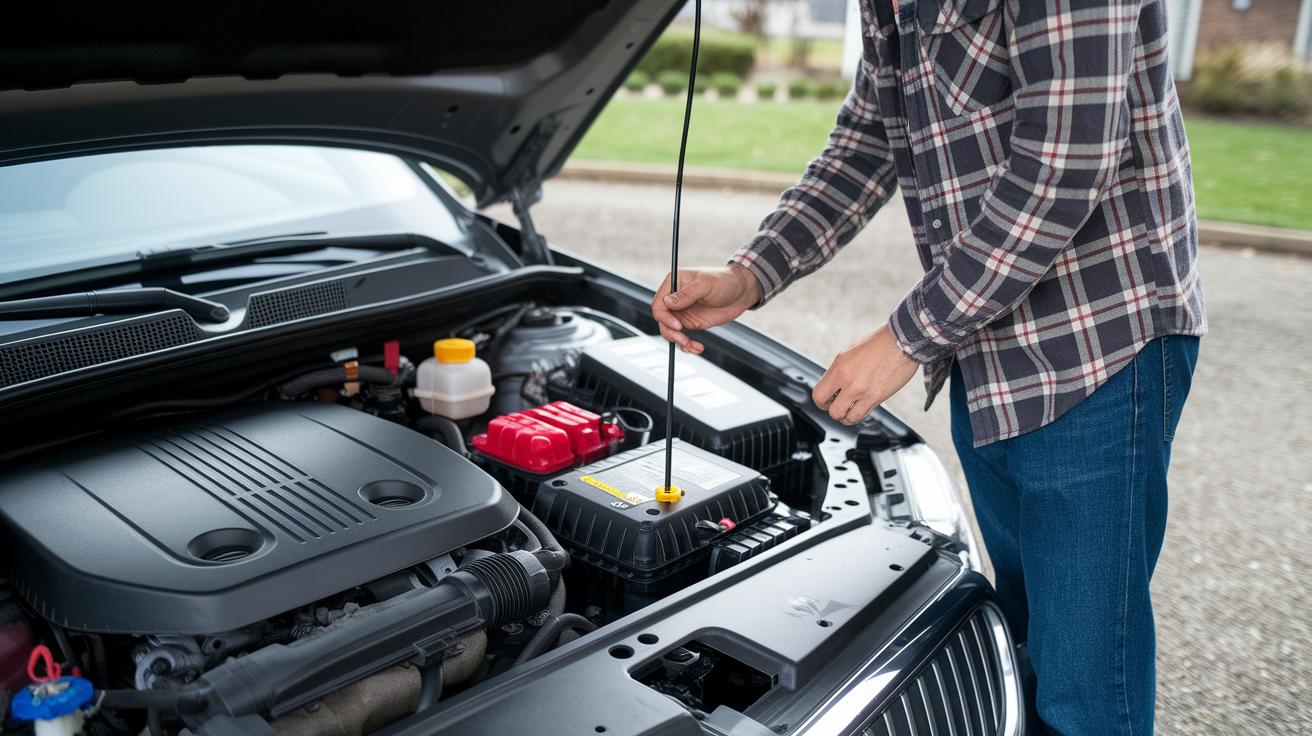
Keeping your engine happy is a lot like taking care of yourself, you wouldn’t skip your doctor’s check-up, right? Regular oil changes are a must, especially as your engine gets older. Think of oil as your car’s blood; it needs a refresh every 3,000 miles or so, particularly once you start noticing the wear. For cars clocking over 75,000 miles, switching to a high-mileage oil can really help. This special oil reduces leaks, cuts back on smoke and emissions, and even helps your engine run smoother by keeping its parts well-lubricated.
And don’t forget about the other fluids! It’s a good idea to keep an eye on things like coolant, power steering fluid, brake fluid, transmission fluid, and even wiper fluid. If you see any odd colors, a buildup of gunk, or notice any strange smells, it’s time to change them out. For example, if your coolant suddenly looks different, that might be a clue that your engine’s temperature control isn’t working as it should.
Regular checks like these are a bit like your own routine health screening, catching small issues now can stop them from turning into big, expensive repairs later on. So, choosing quality lubricants and making sure all your fluids are in top shape will keep your car running smoother and longer every time you hit the road.
Inspecting and Replacing Filters, Belts, and Hoses
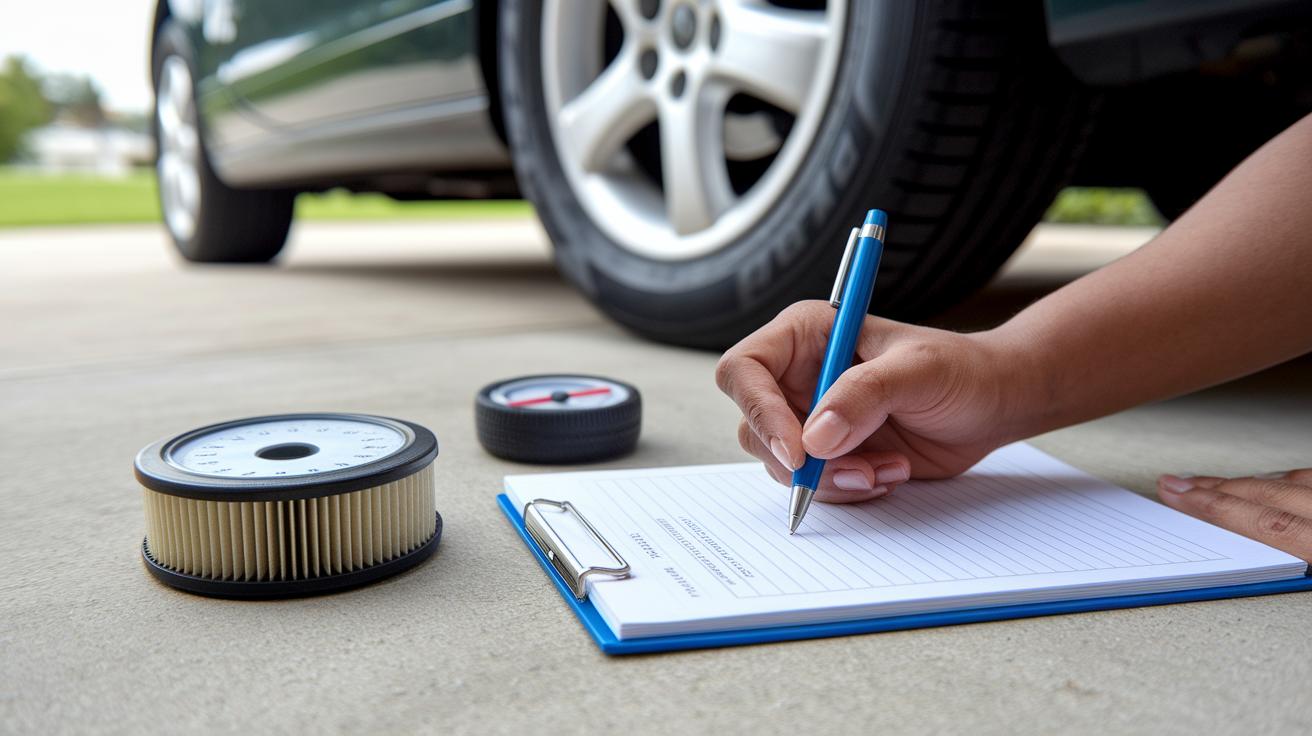
Keep your car in top shape by using a simple checklist for maintenance. Your owner's manual tells you when to swap out the air, cabin, and fuel filters, as well as the belts and hoses, usually around 60,000 miles. Think of it like a routine doctor’s visit for your car, so you don’t miss any important checkups.
It really helps to jot down each service in a log. For example, you could note, "Changed air filter at 45,000 miles" to keep track of what’s been done. Here’s a handy table you might use:
| Component | Mileage | Notes |
|---|---|---|
| Air Filter | 45,000 | Replaced for optimal airflow |
| Drive Belt | 60,000 | Inspected for cracks and replaced |
Remember these simple tips:
- Check your manual for the right times to inspect filters, belts, and hoses.
- Look out for signs of wear like frayed belts or cracked hoses.
- Write down every checkup in your service log so you can easily keep up with your car’s health.
Tire and Brake Care Essentials for High Mileage Cars
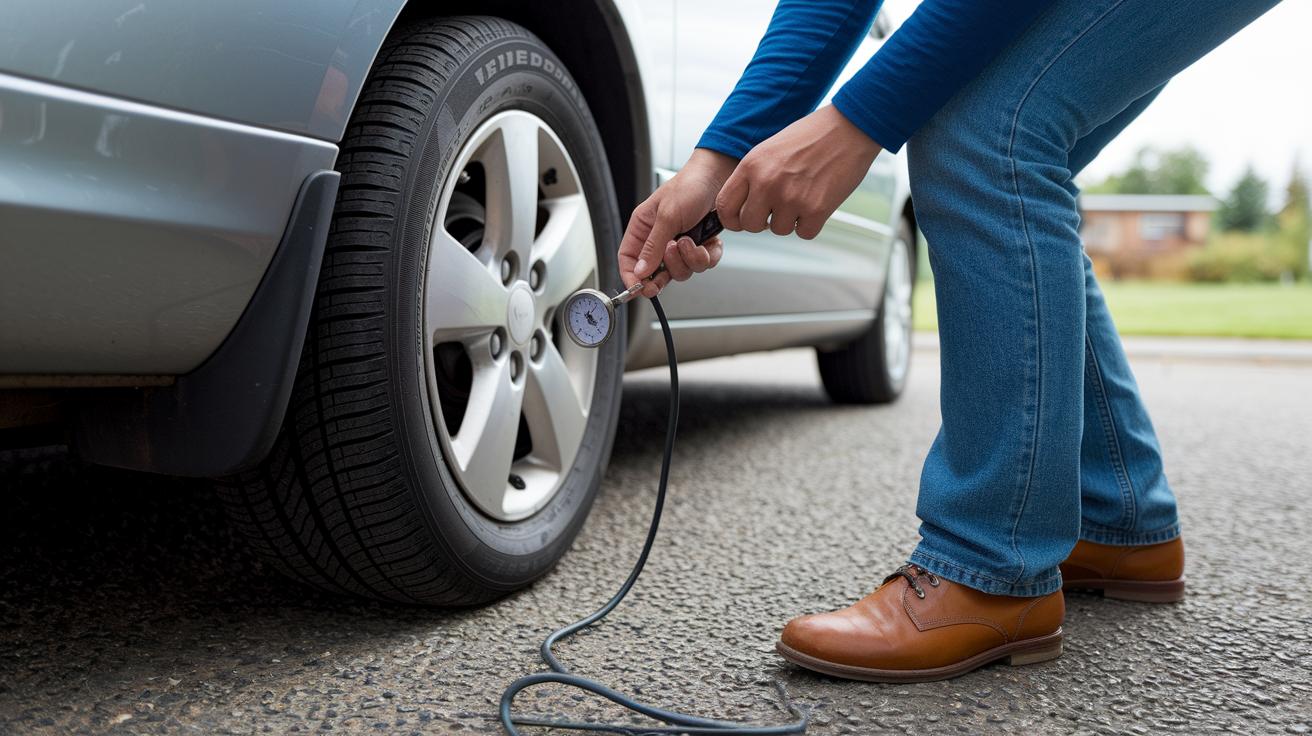
Keeping your tires properly inflated is a must for a smooth and safe ride. When your tires are at the right pressure, your car handles better, lasts longer, and even saves fuel. Think of it like checking your pulse, if you miss it, things might feel a bit off.
Rotating your tires every 6,000 to 8,000 miles helps ease the strain on your car’s suspension and evens out tire wear. This simple step boosts your car’s overall stability. A handy tip: keep your tire rotations on a regular schedule to enjoy balanced wheels and longer-lasting tires.
Taking care of your brakes is just as crucial. Regularly inspect your brake pads, rotors, and fluid levels to ensure reliable stopping power whenever you need it. It’s a bit like making sure your seatbelt is secure, when everything fits just right, you’re safer on the road. If you notice any strange noises or vibrations, it might be your car’s way of saying it needs a check-up.
And don’t skip on wheel alignment. Proper alignment not only makes tire wear even but also improves your car’s overall feel on the road. Spending a few minutes on this can make your drive much smoother and more enjoyable.
Engine Treatments and Additives to Extend Vehicle Lifespan
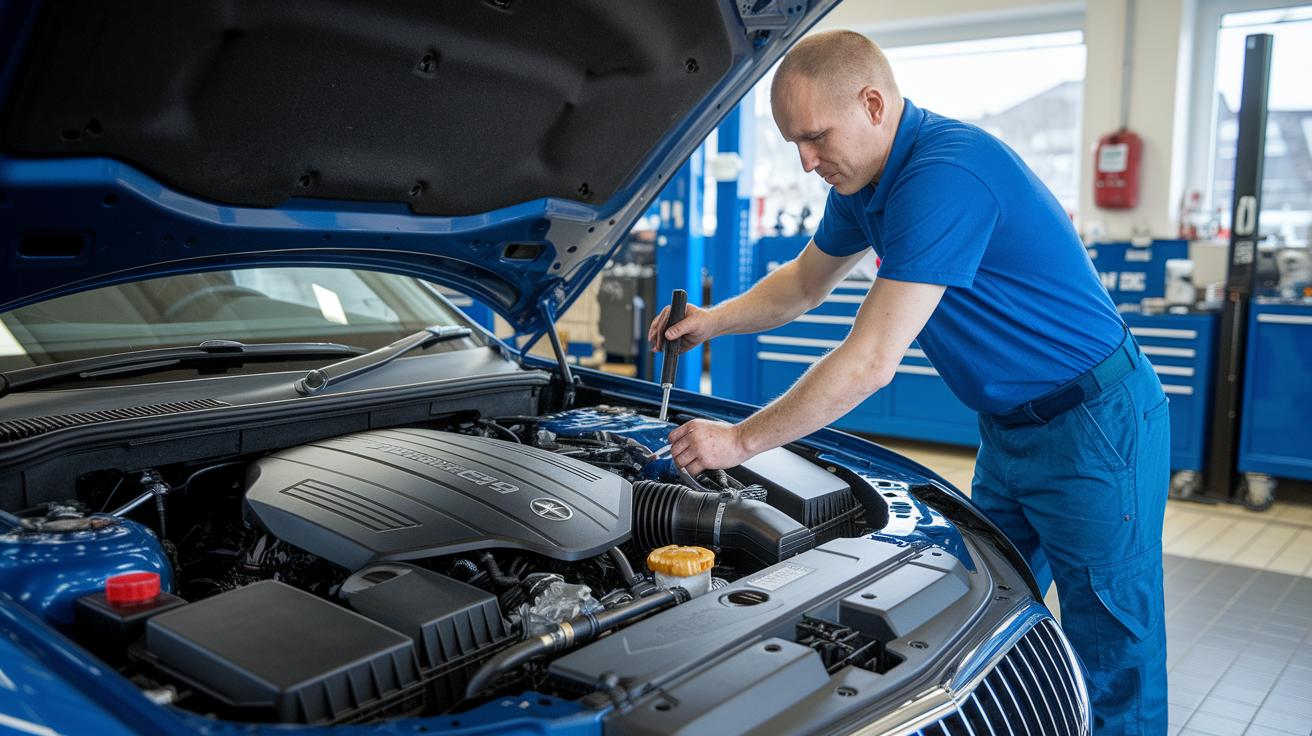
Using engine treatments on older rides can really make a difference. These additives work like a deep cleaning for your engine, scrubbing away stubborn carbon buildup that can slow things down. Imagine treating your car to a spa day that smooths out vibrations and lets everything run quietly, you’ll enjoy a ride that feels more comfortable and fresh.
Here’s a fun tidbit: Before Marie Curie became famous for her work with radioactivity, she once carried test tubes full of radioactive material in her pockets, not knowing the risks. In the same way that careful scientists handle delicate experiments, car experts use decarbonization methods to boost engine compression, improve fuel economy, and cut down on harmful emissions.
Wear-prevention additives act like a protective shield inside your engine. They form a thin coat on parts, which cuts down friction like a sealant preventing rust after a heavy rain. With regular use, these treatments help your engine feel like it just rolled off the assembly line, saving you from bigger repairs down the road.
Exterior and Interior Upkeep to Preserve Older Vehicles
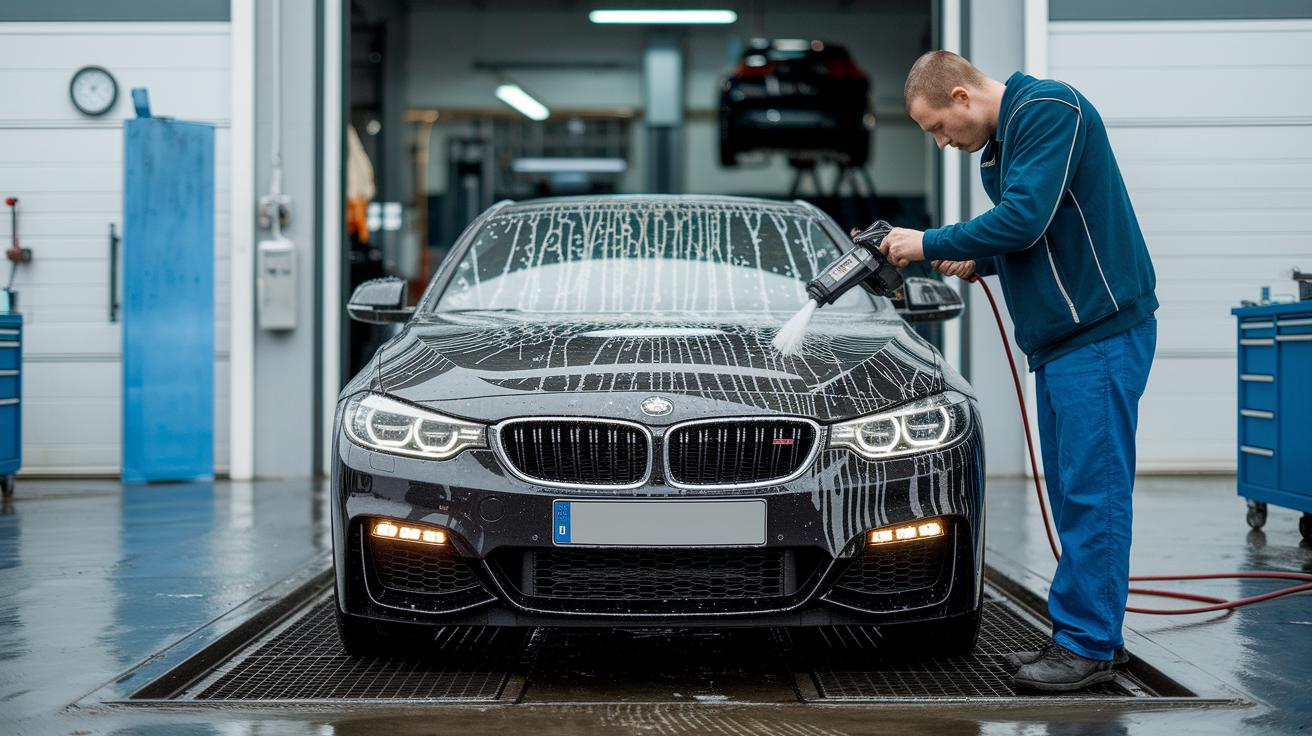
Keeping an old car in great shape isn’t just about how it looks; it also helps it last longer. Washing, waxing, and vacuuming regularly work like a shield for your car’s paint, protecting it from rust and everyday damage, kind of like putting on sunscreen before a sunny day.
For instance, try this simple routine: give your car a wash every few weeks. It’s like a refreshing shower that sweeps away dirt and road grit, leaving your paint smooth and bright. This regular care not only makes your car look nicer but can also boost its resale value.
Inside, giving your car a good vacuum and cleaning the upholstery every six months keeps the cabin cozy and tidy. Think of it as tidying up your living room, clear away the crumbs and dust, and everything feels more inviting. And don’t forget the little details like restoring your headlights or fixing a chipped windshield. These small touches help stop scratches and cracks, keeping your view clear and your style on point.
Adding a protective coating can also keep moisture and salt at bay, proving that a little extra effort really goes a long way.
Advanced Diagnostics and Monitoring for High Mileage Engines

Think of your car like a patient that needs regular checkups, even though it doesn’t speak, its dashboard tells you what’s up. Using an OBD-II scan is like giving your car a quick health exam. It spots sensor issues, misfires, and emission problems before they turn into big headaches. This simple routine is key to keeping your engine in top shape.
A computerized diagnostic tool works just like having a trusted mechanic by your side. It picks up on dash warnings and shows you real-time info about engine mapping and sensor behavior. This makes it a breeze to catch issues like a failing catalyst or a bad MAF sensor before they cause any harm.
Here’s a handy tip: if you notice your engine’s oxygen sensor calibration seems off, use your scan tool to compare the live data with the manufacturer’s specs. Even small differences can mean something isn’t quite right. Routine checks like these help you maintain performance without any surprise breakdowns.
Make checking your car with a scan tool a regular part of your routine, and you’ll catch even tiny changes that matter. Overall, advanced diagnostics is a smart addition to your upkeep strategy, making sure every alert on your dashboard gets the quick attention it deserves.
Cost-Effective Repair vs Replacement Strategies for Veteran Cars
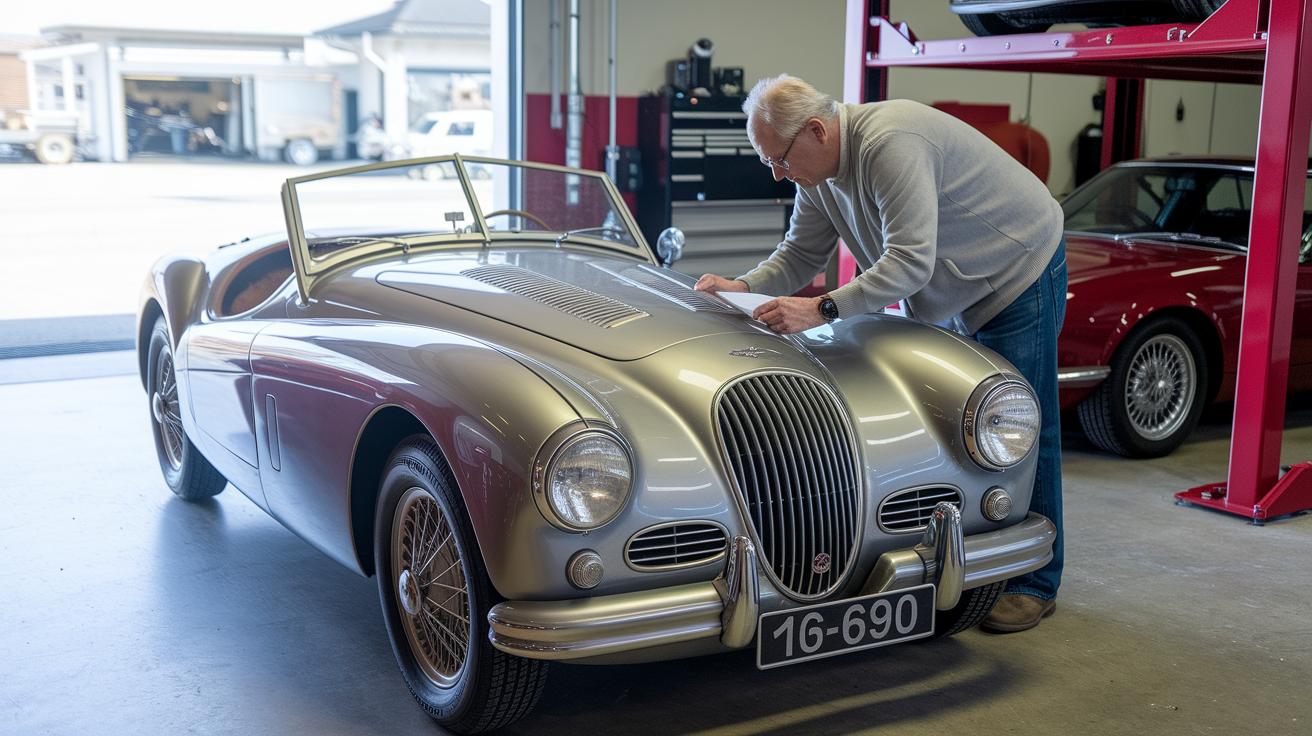
Old-timer cars usually come with no monthly payments, so it pays to keep repair bills low. Regular check-ups not only keep your ride reliable but also help you dodge those big, unexpected fixes. Sure, genuine factory parts might seem a bit pricier at first, but they really cut down on the chance of problems popping up again. Think of it like investing a little more on a quality timing belt now to avoid a costly engine fix later.
It all starts with weighing each repair against your car's overall worth and mileage. If a part is getting old and replacing it now can avert a bigger issue later, it often makes sense to act fast. Keeping a simple repair-or-replace list in your service log can really help you track what’s been done and plan your budget. This little tool guides you in deciding whether to rebuild something or go for a complete replacement when wear becomes noticeable.
By comparing repair costs with your car’s current value, you can make smarter spending choices. Focusing your budget on the repairs that matter most keeps your veteran car running smoothly and saves you from spending on unneeded fixes. Every repair decision is really an investment in the long-term dependability and safety your car deserves.
Final Words
In the action, we covered practical tips like timely oil changes, routine inspections, and pre-booking service appointments to keep your ride running smoothly. We broke down scheduling maintenance, caring for filters, belts, and tires, and even touched on engine treatments and interior upkeep. Cost-effective repair versus replacement ideas also shed light on smart spending for aging vehicles. Keep your engine happy and your car safe by sticking with high mileage car maintenance, and enjoy the ride ahead.
FAQ
What do discussions on Reddit reveal about high mileage car maintenance?
The Reddit discussions on high mileage car maintenance reveal real-world tips on budget-friendly repairs and routine upkeep, emphasizing quality parts and strict adherence to the owner’s manual for lasting performance.
What does high mileage car maintenance cost involve?
The high mileage car maintenance cost includes regular service expenses, quality oil changes, and periodic replacement of wear items. Budgeting covers both parts and labor to keep older vehicles running smoothly.
What does a high mileage car maintenance checklist include?
The high mileage car maintenance checklist includes routine checks of fluid levels, tires, belts, hoses, brakes, and filters. This checklist helps catch potential issues early and maintains the vehicle’s reliability.
How can you make a high-mileage car run like new?
The method to make a high-mileage car run like new involves regular engine treatments, high-quality oils, strict service schedules, and prompt repairs to minimize wear and maintain performance.
What is high mileage engine treatment?
The high mileage engine treatment uses specialized additives to reduce friction, remove carbon deposits, and smooth engine performance. It helps older engines run more efficiently and extends their lifespan.
Is it worth fixing a car with 300k miles?
The value of fixing a car with 300k miles depends on its overall condition and maintenance history. When key components remain in good shape, investing in repairs can prolong the car’s serviceable life.
How do you get rid of a high mileage car?
The way to get rid of a high mileage car involves assessing its value using tools like CarFax and Kelley Blue Book, then choosing to sell, trade, or dispose of it based on repair costs versus market worth.
What is the benefit of using high mileage oil?
The benefit of using high mileage oil is that it contains additives designed to protect aging engines from wear, reduce oil loss, and improve efficiency, making it ideal for vehicles with many miles on them.
What does the 30 60 90 rule for car maintenance mean?
The 30 60 90 rule for car maintenance means key checks or replacements occur at roughly 30,000, 60,000, and 90,000 miles, helping owners keep up with scheduled service intervals systematically.
What are the most important things to fix if you have high mileage?
The most important fixes for high-mileage vehicles include addressing worn belts, hoses, brakes, and fluid replacements. Tackling these areas helps prevent major problems and sustains dependable performance.
What maintenance should be done at 200,000 miles?
At 200,000 miles, maintenance should focus on detailed inspections of engine parts, fluid changes, and replacing belts, hoses, and worn components. These actions ensure continued safe and efficient operation.
Is it worth repairing a car with 200k miles?
Whether repairing a car with 200k miles is worthwhile depends on its service history and overall condition. When routine maintenance has been followed, targeted repairs can be a cost-effective way to extend its life.