Tech
Self-driving Car Tech Powers Future Mobility
By milesteller
April 8, 2025
Field Notes
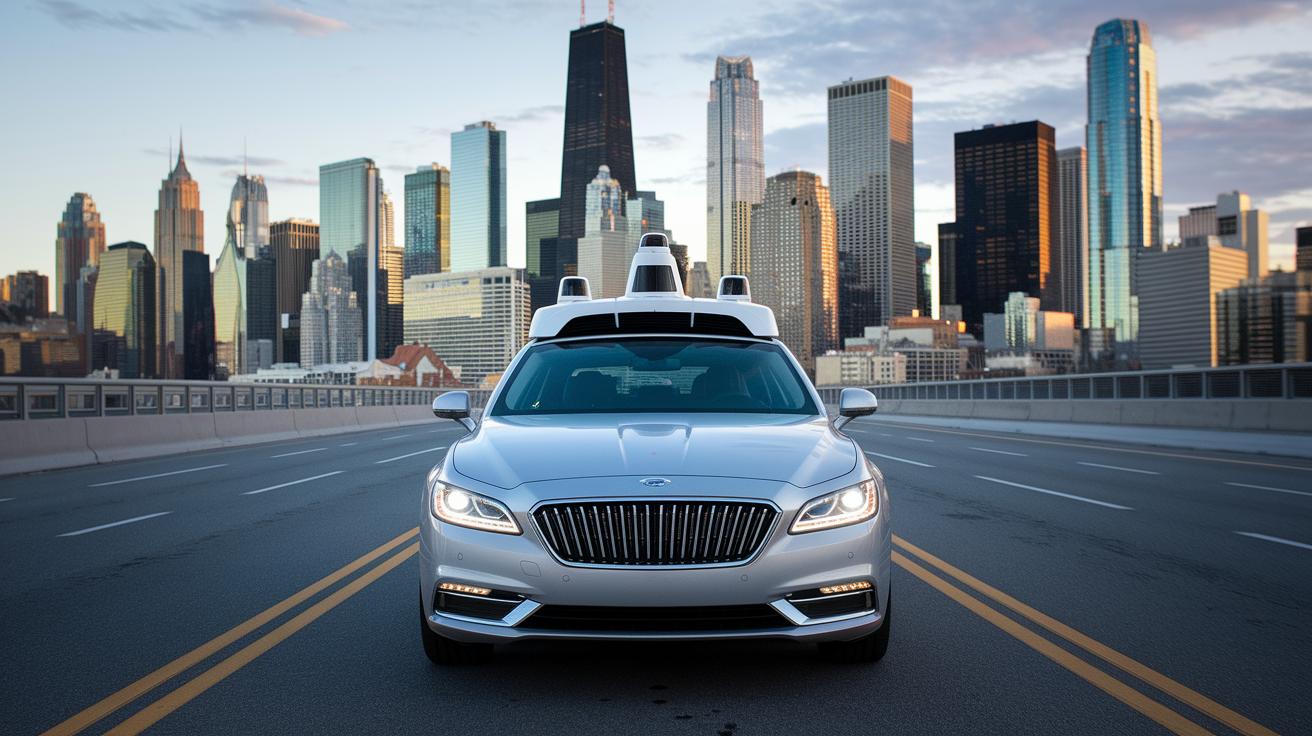
Have you ever thought about a car that drives itself? It might sound straight out of a science-fiction movie, but self-driving technology is already changing the way we travel. Smart sensors work like eyes, while clever computers make fast decisions to keep everyone safe. Detailed maps and strong hardware team up to adjust the car’s path in real time. In other words, this blend of tech is helping create a future where getting around is smoother and more reliable.
Key Components of Self-Driving Car Tech: An Overview
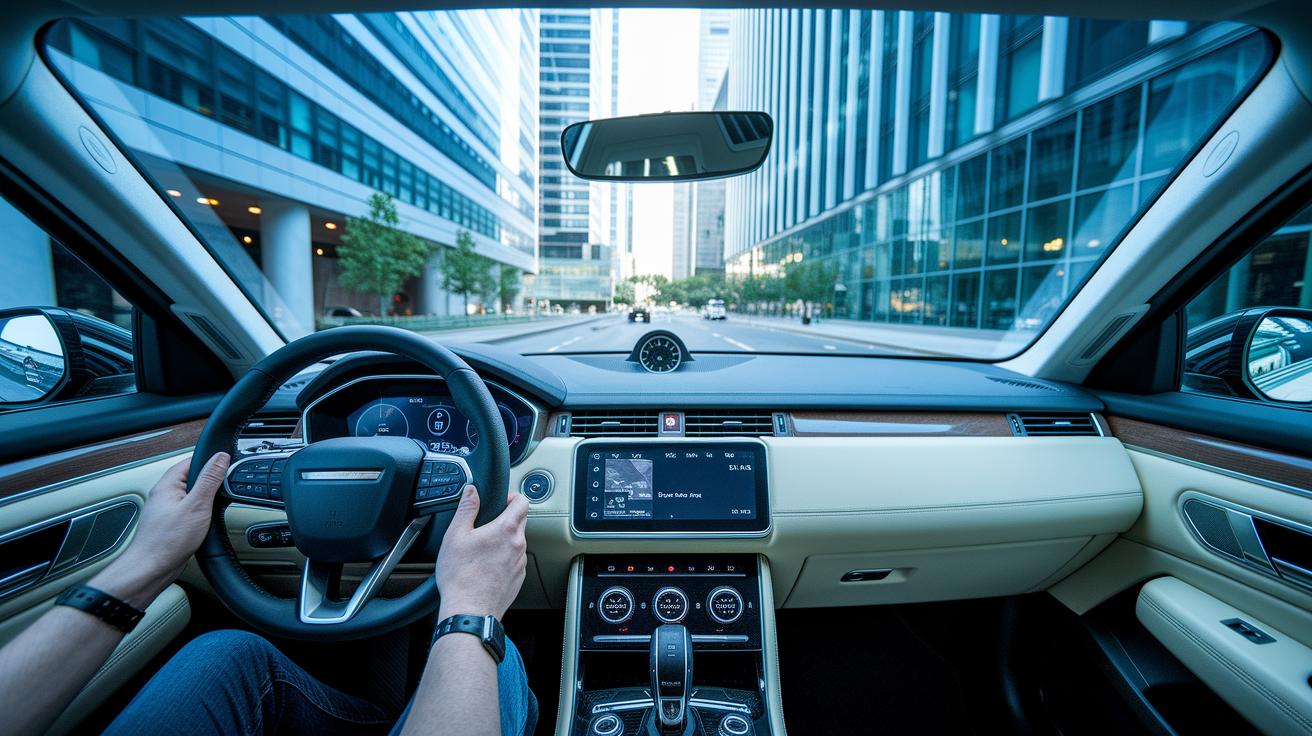
Self-driving cars run on a mix of smart sensors, clever AI, detailed maps, and powerful hardware. Think of sensors like cameras and radar as the car’s eyes and ears that pull in real-time info from its surroundings. Meanwhile, AI acts like a quick-thinking friend, processing all that data to make split-second driving decisions. And yes, safety is a big deal here, with features like collision detection and emergency braking, the system works hard to keep everyone in the car safe.
Mapping and compute hardware are just as crucial. High-definition maps give the car a crystal-clear view of where it is, and real-time updates help it stay on track. Then, specialized compute units handle the heavy processing, mixing sensor details and mapping info to predict what’s coming up on the road. This teamwork makes sure the vehicle can adjust to changing conditions smoothly.
Now, let’s chat about Imagination Technologies. They’re really shaking things up with their range of GPUs. Their new E-Series GPUs double as both graphic and AI boosters, stepping up the game for driver-assistance systems and self-driving tasks. Their product lineup covers on-device AI in the E-Series and rolls into the A-Series for data centers, covering everything from mobile devices to full-blown automotive setups. With recent funding from Fortress Investment Group and a convertible term loan, they’re pushing hard on blending top-notch hardware with smart software. This strong mix is steering us towards even more reliable and efficient self-driving systems.
Sensor Integration in Self-Driving Car Tech: Lidar, Radar, and Beyond

Self-driving cars work like a well-rehearsed band, with each sensor playing its own vital part. These gadgets help the car "see" and "listen" to the world around it, so it can make smart, split-second decisions without any help from a driver. Every sensor peels back a different layer of what’s out there, and when you blend all that info together, you get a really clear picture of the road.
Here’s a quick look at some of the key players:
- Camera: Snaps crisp images that let the car read lane markers and traffic signs, much like your eyes noticing road signs on a drive.
- Lidar: Flicks out laser beams to create a detailed 3D map of the area, measuring distances with a neat level of precision.
- Radar: Uses radio waves to detect objects and gauge their speed, coming in especially handy when the weather turns sour.
- Ultrasonic: Sends out sound pulses to check for nearby obstacles, which makes parking a breeze in tight spots.
- Inertial Measurement Units: Keep track of movement and direction by measuring acceleration and turning rates, helping the car stay steady and on course.
The magic really happens with sensor fusion. By mixing all the data from these sensors, the car builds a more reliable and accurate view of its surroundings. Think of it as having multiple friends double-check each other’s observations. This built-in safety net means that if one sensor stumbles – maybe due to bad weather or technical glitches – the others pick up the slack, making self-driving tech safer and more dependable, even on the trickiest roads.
Computing Hardware for Self-Driving Car Tech: GPUs and Accelerators
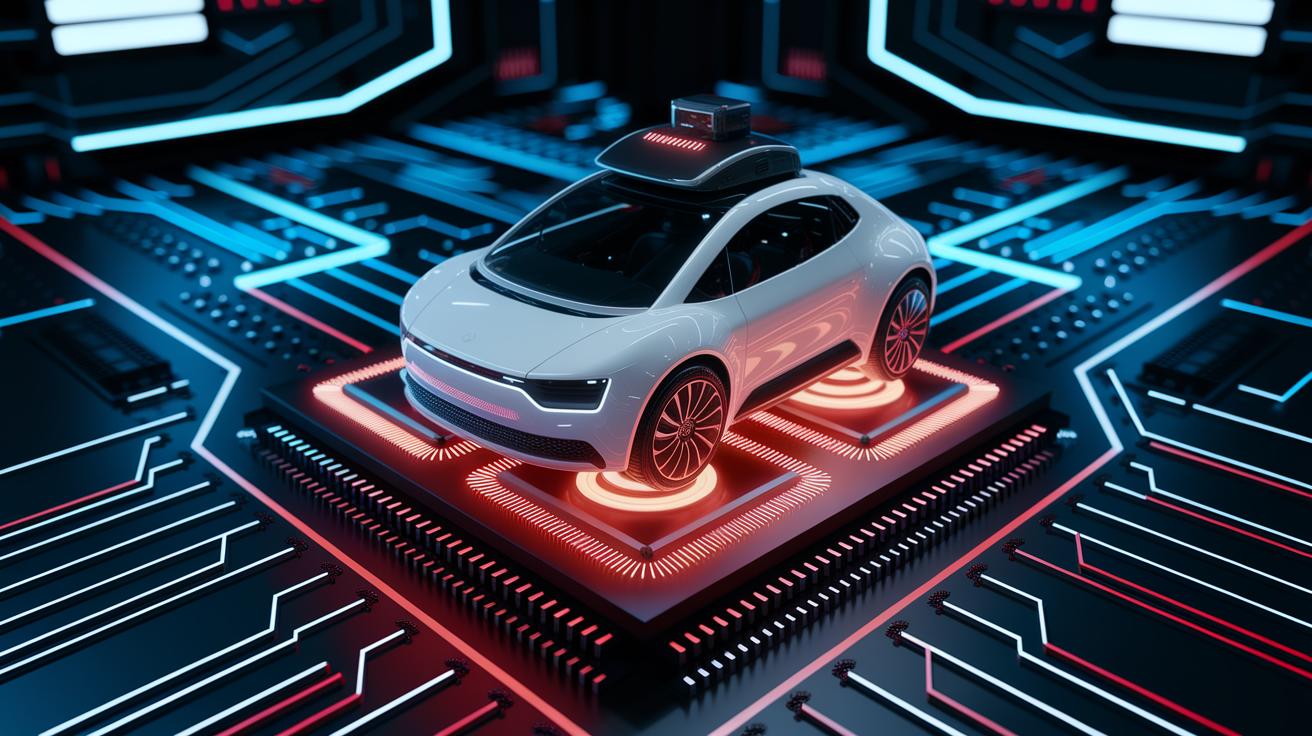
Self-driving cars need special hardware that can crunch huge amounts of data almost instantly. Think of it like the engine of your car, but for all the smart, behind-the-scenes work. Advanced computer systems power everything from making split-second decisions to spotting objects on the road. And guess what? GPUs are the real workhorses here, they handle tasks like recognizing pedestrians and making safe driving choices.
Imagination’s lineup seriously changes the game. Their GPU series, with the standout E-Series, is made just for automotive edge AI and graphics. This means that even if driving conditions shift quickly, your vehicle keeps performing reliably. It’s a key boost to the super-fast reactions needed in self-driving systems.
The ongoing teamwork between top-notch hardware and regular software updates is what pushes self-driving tech forward. Over-the-air updates and cloud connections keep your car’s system fresh with the latest upgrades, so as new sensors and smart algorithms roll out, your ride stays up-to-date. Plus, with backing from Fortress Investment Group, the GPU setup is set to expand even more, preparing cars not just for today’s roads but for the future of autonomous driving.
| GPU Series | Main Use |
|---|---|
| E-Series | Automotive edge AI and graphics acceleration |
| D-Series | High-performance computing |
| C-Series | Mobile apps and light processing |
| B-Series | Consumer electronics and multimedia tasks |
| A-Series | Data centers and heavy-duty workloads |
AI Navigation and Software Stack in Self-Driving Car Tech
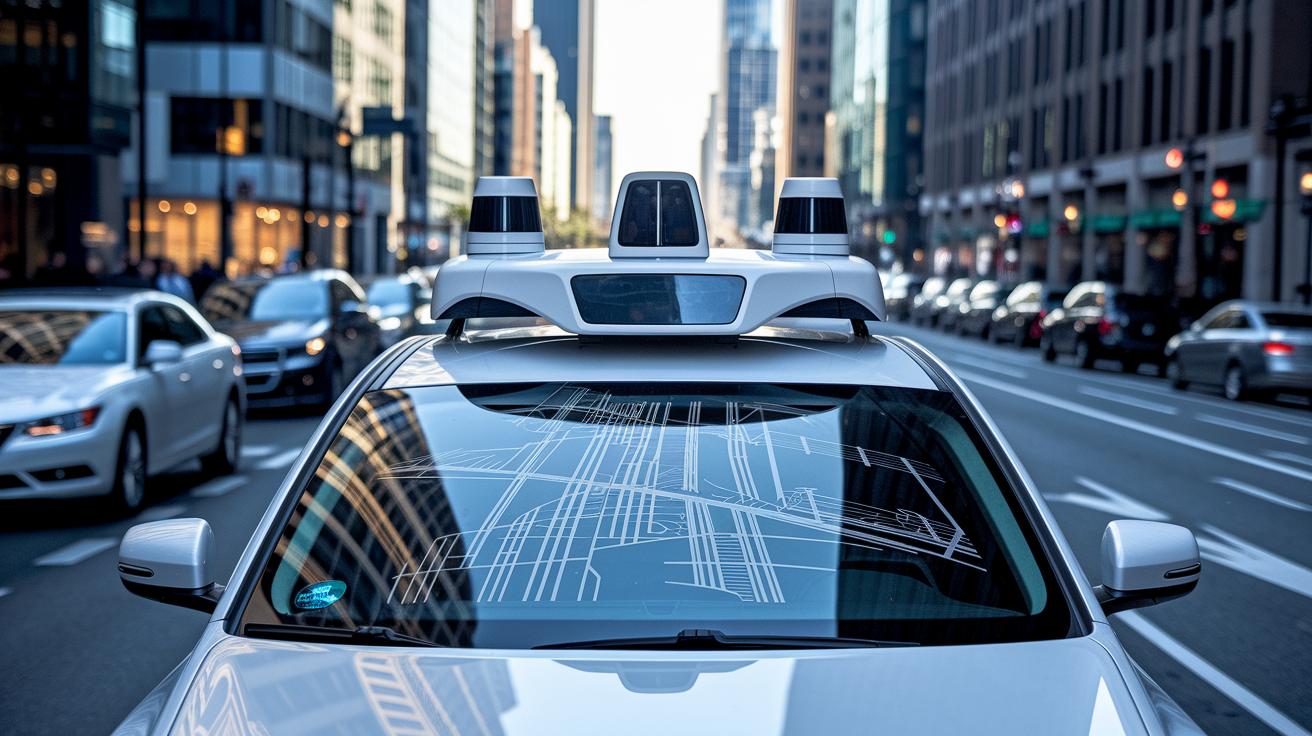
Self-driving cars depend on a stack of smart software that turns raw sensor data into quick, smart decisions. On the device, powerful AI running on E-Series GPUs makes deep learning models work to recognize objects and plan routes. These GPUs not only crunch numbers fast but also use ray-tracing to build a clear picture of the car’s surroundings, helping it navigate busy streets safely.
Perception Algorithms
Think of it this way: special CNN-based detectors work on robust GPUs to scan live camera feeds. They pick out important things like people walking, other vehicles, and roadside details. This means the car can focus on what matters and ignore the background noise.
Mapping and Localization
The car uses SLAM (Simultaneous Localization and Mapping) modules to gather data from various sensors. As it drives, these modules piece together detailed maps and constantly update the car’s position. In simple terms, it’s like having a living map that changes with every turn, adjusting for things like construction or sudden obstacles.
Path Planning and Control
When it comes to choosing a route, the system relies on smart path planning algorithms to compute the best way through traffic and curves. By using ongoing sensor data along with lessons learned from earlier drives, these routines make sure lane changes and turns happen smoothly and safely. The software is always ready to adjust the route, even if something unexpected pops up on the road.
Together, these modules blend deep learning for perception, reliable mapping, and quick path planning into one unified system. This makes self-driving tech that can adapt on the fly, ensuring a safe and responsive journey no matter what the road throws its way.
High-Definition Mapping and Connectivity in Self-Driving Car Tech
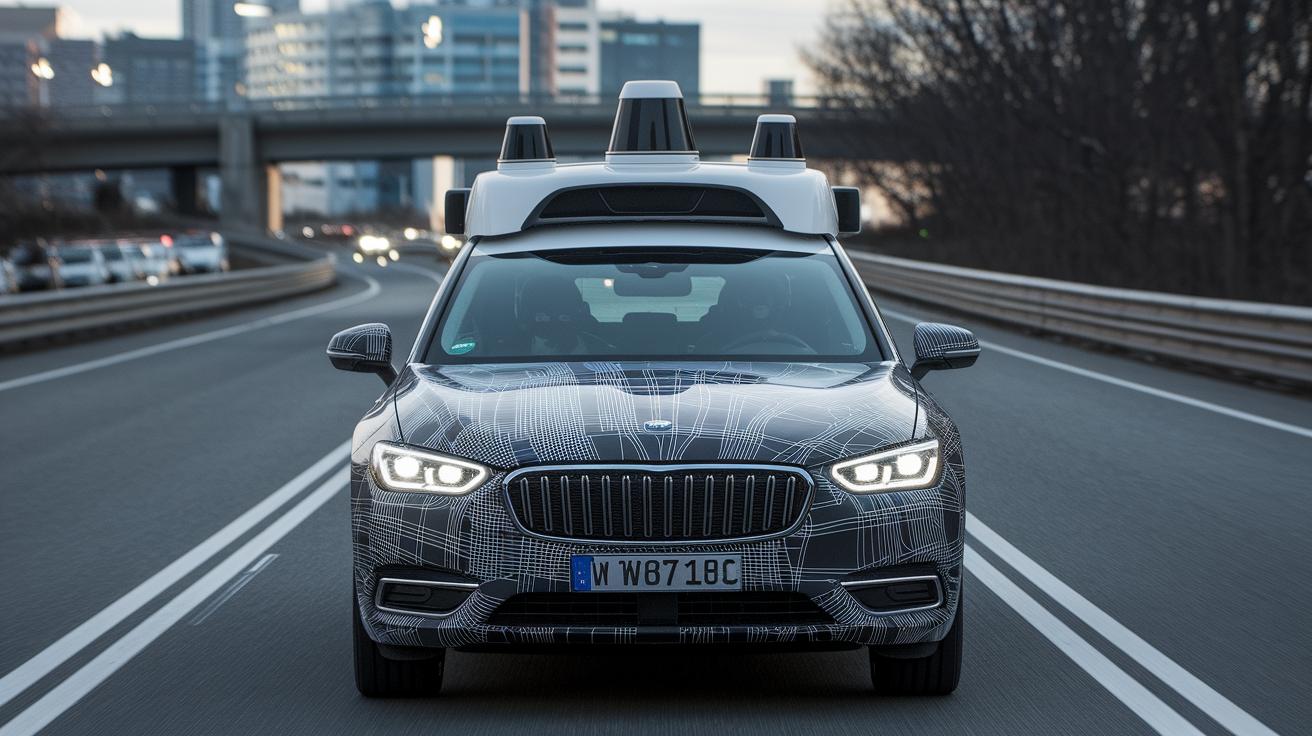
High-definition maps are built by gathering data from a mix of sensors and then smartly refining it with edge AI. These maps give self-driving cars a crystal-clear look at every road, intersection, and obstacle they might meet. Powerful GPUs crunch the data into realistic simulation images so that every bend and lane comes through with sharp detail. And with vehicle-to-everything (V2X) communication, cars chat with nearby infrastructure and each other, which helps them quickly plan new routes when road conditions shift.
The creation of these maps follows a clear, step-by-step process that blends real-time data collection with robust connectivity networks. This means cars get the latest updates fast and accurately. Here’s how it works:
- Data is gathered from on-board sensors and other external sources.
- The information is processed and integrated using smart edge AI and powerful computing.
- GPUs swiftly render every detail into a comprehensive map.
- Updated maps are shared in real time through V2X communication.
On top of that, cars work together by sharing live traffic information within their networks. This teamwork helps vehicles adjust their routes on the fly, dodge congestion, and steer clear of hazards, making self-driving rides smoother and safer.
Safety Protocols and Cybersecurity in Self-Driving Car Tech
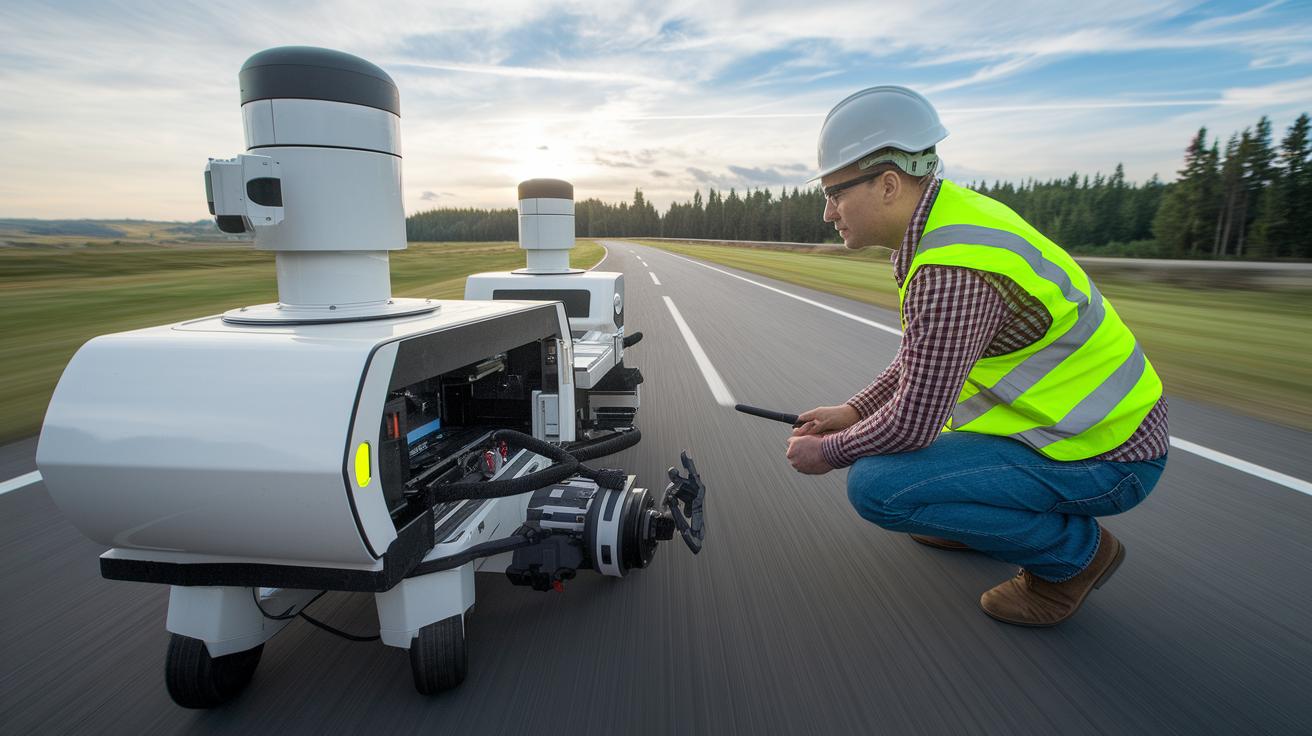
ISO 26262 functional safety is the backbone of self-driving car technology. It makes sure every part of the vehicle hits strict safety marks. Self-driving cars pack built-in features, like those in E-Series GPUs, that keep an eye on complex functions to prevent major failures. Plus, thanks to clever ray-tracing, the system builds a quick, clear 3D picture of the road around it. This helps spot dangers early so collisions can be avoided. By sticking to ISO 26262, car makers set up a sturdy safety net that keeps the vehicle’s most important parts working right.
| Component | Purpose |
|---|---|
| Sensors | Overlapping arrays confirm key data from multiple angles |
| Compute Units | Extra processors stand by to keep systems running without interruption |
| Power | Backup power supplies make sure one failure doesn’t take everything down |
| Software Fallbacks | Alternate algorithms kick in if the main software goes off track |
| Emergency Response | Pre-set protocols guide the car into a safe mode during crises |
Cybersecurity is just as important in keeping self-driving tech safe. The vehicles use strong encryption to secure all messages between their systems, which means hackers stay out of the loop. They also get secure over-the-air updates to automatically add the latest safety fixes and improvements. This layered approach not only meets strict safety standards but also builds real trust in the world of self-driving cars.
Regulatory and Ethical Landscape of Self-Driving Car Tech

Self-driving cars are taking center stage around the world, especially in places like the U.S., the EU, and China. These regions are busy setting up strong safety rules that aim to cut down on accidents by eliminating human mistakes. It’s pretty exciting, right? Lawmakers are putting money into new ideas while keeping their eyes on testing methods and how drivers interact with these cutting-edge systems. For the latest news, you might want to check out autonomous vehicles news.
When we talk about the ethical side of self-driving tech, things can get a little tricky. Think about it: the car’s computer must decide in a split second what to do in an emergency. Engineers are working hard to create guidelines that help these systems make tough calls, like deciding what to do in a crash when there’s no perfect solution. It’s all about balancing risk and keeping human values front and center.
And then there’s the whole matter of data privacy. Self-driving cars gather a lot of information about you and your surroundings. To keep that data safe, companies use strong encryption and even run tests in digital twin simulations, a virtual lab where they can fine-tune the tech without risking your privacy. It’s a fast-evolving field, and keeping your data secure is just as important as making sure the cars run smoothly.
Future Trends and Innovations in Self-Driving Car Tech
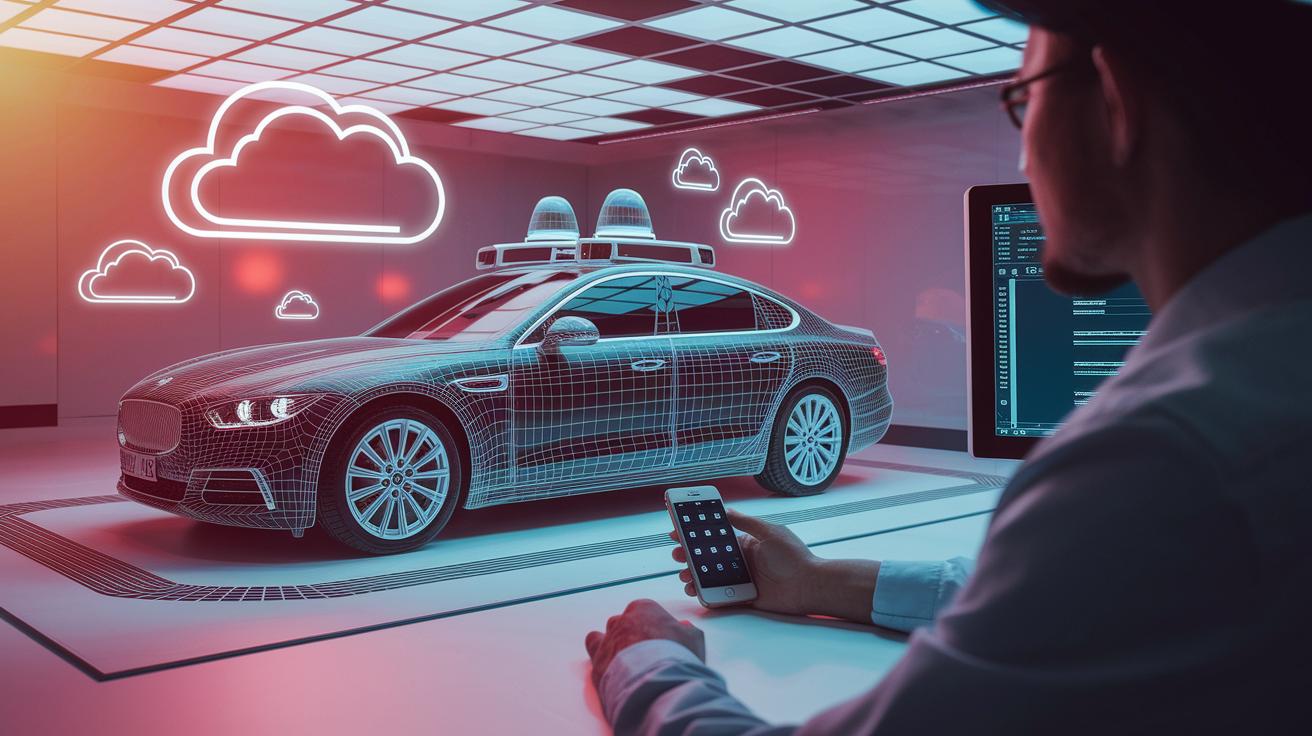
Simulation and virtual testing are shaking up how self-driving systems are built. Car makers now use digital environments that mimic everyday road conditions so they can try out new software and hardware before putting them to the test in the real world. With support from Imagination’s roadmap, which blends special hardware and software for virtual trials, and funding from Fortress Investment Group along with a convertible term loan, engineers are busy fine-tuning AI models and safety features in a controlled, risk-free setting.
Fleet management is also shifting into the cloud, where smart data processing keeps self-driving vehicles connected and updated on the fly. As more vehicles join autonomous fleets, cloud analytics help refine route planning and boost overall performance. Upgraded GPUs and emerging accelerator designs are making a big difference in data handling and safety tech, ensuring that vehicles learn and improve with each mile driven.
- Digital twins: Think of these as virtual copies of cars that help improve performance without the need for physical tests.
- Over-the-air continuous learning: Cars get regular updates from live data, helping them perform better over time.
- Collaborative AI in mixed-traffic environments: Vehicles share information to handle busy road conditions more smoothly.
Final Words
In the action, we broke down self-driving car tech from sensor integration and high-performance computing to AI navigation and HD mapping. We touched on key hardware like Imagination’s E-Series GPUs, detailed sensor roles, and outlined safety and cybersecurity measures. We even peeked at future trends and how regulatory shifts could shape automotive innovation. All of these layers combine to lift self-driving car tech into everyday smart driving experiences. Keep exploring these insights and feel great about knowing how modern vehicles are set to impress on every level.