Guides
Check Car Value: Earn More Effortlessly
By jamesdimon
February 8, 2025
Field Notes

Ever wonder if your ride could earn you more cash than you thought? A quick online check might surprise you with a higher value, meaning extra money with minimal effort. These digital tools let you discover your car’s worth in seconds, so you can skip the long waits and endless paperwork at the dealership. In this post, we’ll share safe, easy ways to figure out your vehicle’s price so you know exactly where you stand. Ready to see your car work a little harder for you?
Check Car Value Instantly with Online Tools

Digital tools let you check your car's value in a snap, saving you the wait and the hassle. They give you quick, clear ideas about trade-in or selling prices with simple, no-pressure estimates. It’s all secure, easy to use, and only takes a few details from you. Pretty neat, right?
| Platform | Estimation Method | Key Inputs |
|---|---|---|
| Carfax | History-Based Value | Mileage, vehicle history |
| Kelley Blue Book | Interactive Calculator | Make, model, condition, mileage, ZIP code |
| Edmunds | True Market Value | Location, brand, sale data |
| Cars.com | Comprehensive Pricing | Vehicle details and market trends |
| CarGurus | Price Evaluation | Comparison of listed prices |
| Autotrader | Detailed Price Comparison | Listing details and specifications |
These handy tools let you quickly compare how different sites estimate your car's worth. They save you time and help you see how your car stacks up against similar models. So, whether you're planning a trade-in or selling on your own, these instant estimates guide you to the right numbers without all the extra paperwork.
Some sites might even toss in extra features, like commission fee details or optional paid reports for more info. These little costs can be added into the final price or charged separately when you sell. Just be sure to check out those fees so you know exactly what you’re getting for your money.
Key Factors That Affect Check Car Value
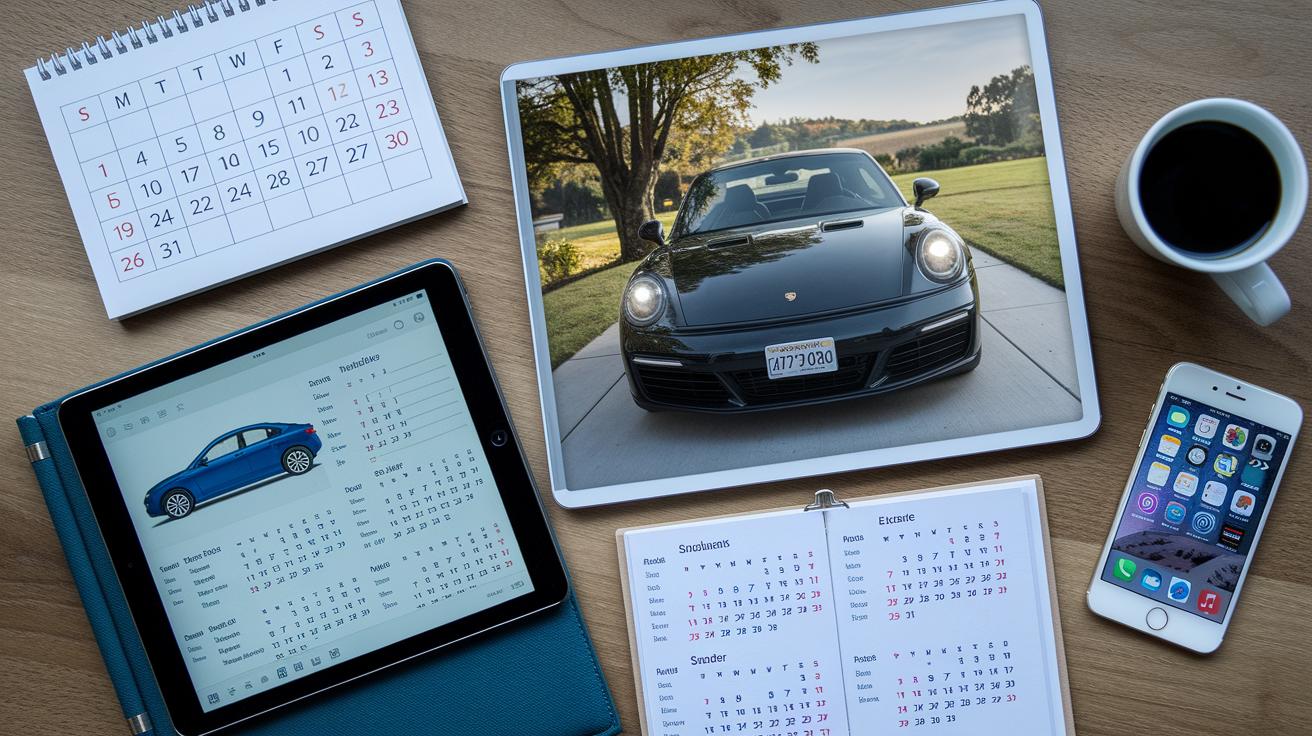
When you’re figuring out what your car is worth, it’s more than just the brand or its age. Think about it like a story, mileage and overall condition add important chapters. A solid record of upkeep and regular service is like a trust badge that tells buyers you’ve taken good care of your ride.
Accidents and routine check-ups also lend their weight to the value. These bits of history, along with market trends and even the time of year, help both sellers and buyers get a clear picture of a car’s worth. It’s like putting together all the pieces of a puzzle for a real-life picture.
Here’s a quick look at the key details:
- Age: How many years have gone by since your car was made can affect its smooth running and value.
- Mileage: The total miles on the odometer show wear and tear, which matters a lot during resale.
- Condition: This covers everything from a clean interior to a shiny exterior.
- History: Keeping records of accidents, repairs, and regular maintenance builds trust and guides pricing.
- Market Trends: Demand and even seasonal changes (yes, like summer for convertibles) can shift prices around.
Most cars lose about 15 to 25 percent of their value each year during the first five years. And sometimes, seasonal shifts can change things by up to 10 percent. So, if you’re planning to sell or trade in your car, it really pays to watch the calendar and market vibes.
Compare and Check Car Value Across Leading Platforms
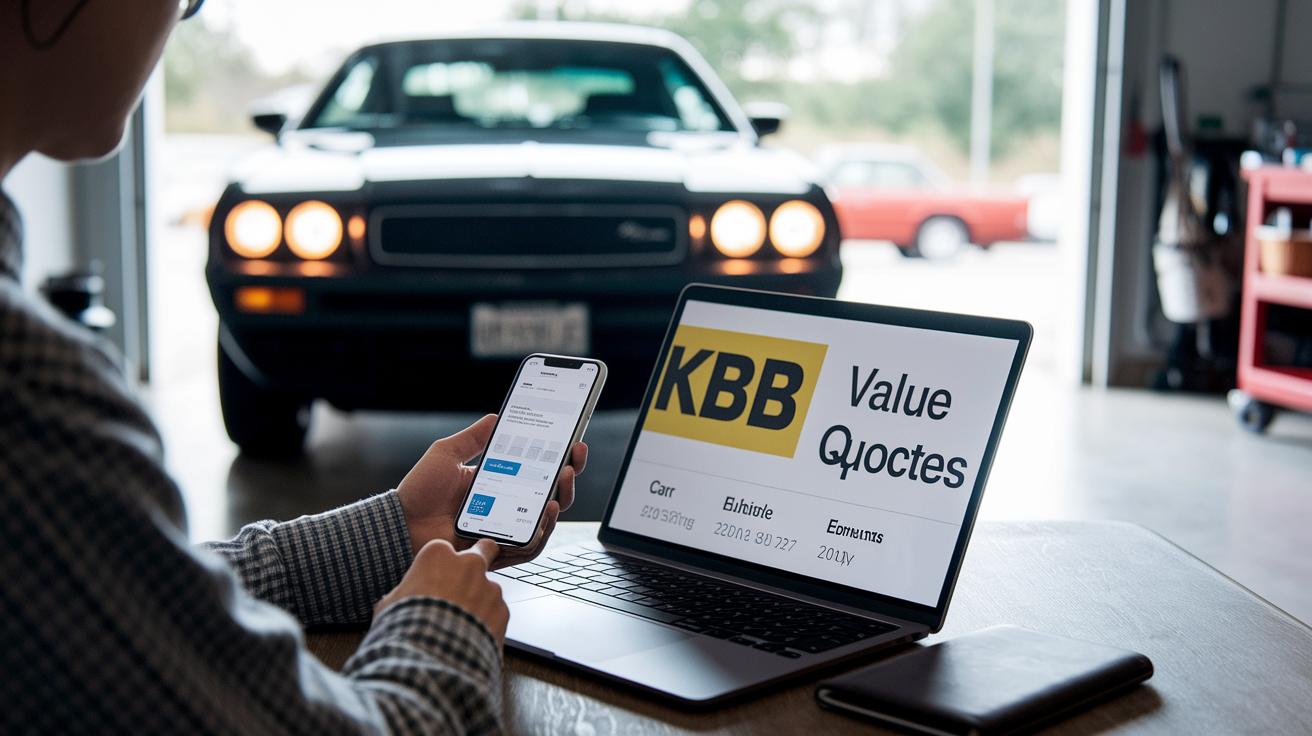
Ever wondered how to figure out what your car’s really worth? You can use pricing guides like KBB and Edmunds to get detailed estimates that consider every little detail about your vehicle. On the other hand, sites like CarMax and Carvana give you instant purchase offers right on the spot. Both approaches have their own set of perks and challenges that might influence your final decision.
Pricing guides give you a deep dive into the numbers with personalized details about your car. But sometimes, you might have to enter data by hand, and the estimates can be a bit fuzzy when it comes to valuing trade-ins versus private sales. Meanwhile, direct-buy platforms offer quick and often fixed values. However, they might leave little room for negotiation, and the numbers can shift with market trends. And if you decide to mix things up by checking multiple sources, you can get a more accurate overall picture, even though comparing all those estimates can feel like a bit of work.
Take, for example, the August 2025 review of a 2018 Subaru Forester with 60,000 miles in good shape. Some platforms broke down the value nicely between trade-in and private sale, while others just gave a broad range that could be confusing. This shows that without consistent details, the estimates can really vary, making detailed analysis a must.
So, to get the most reliable value for your car, it’s smart to gather three to four different quotes. Combining insights from various sources can balance out any discrepancies, giving you a clear, solid picture of what your car is really worth.
Check Car Value by VIN: A Step-by-Step Guide
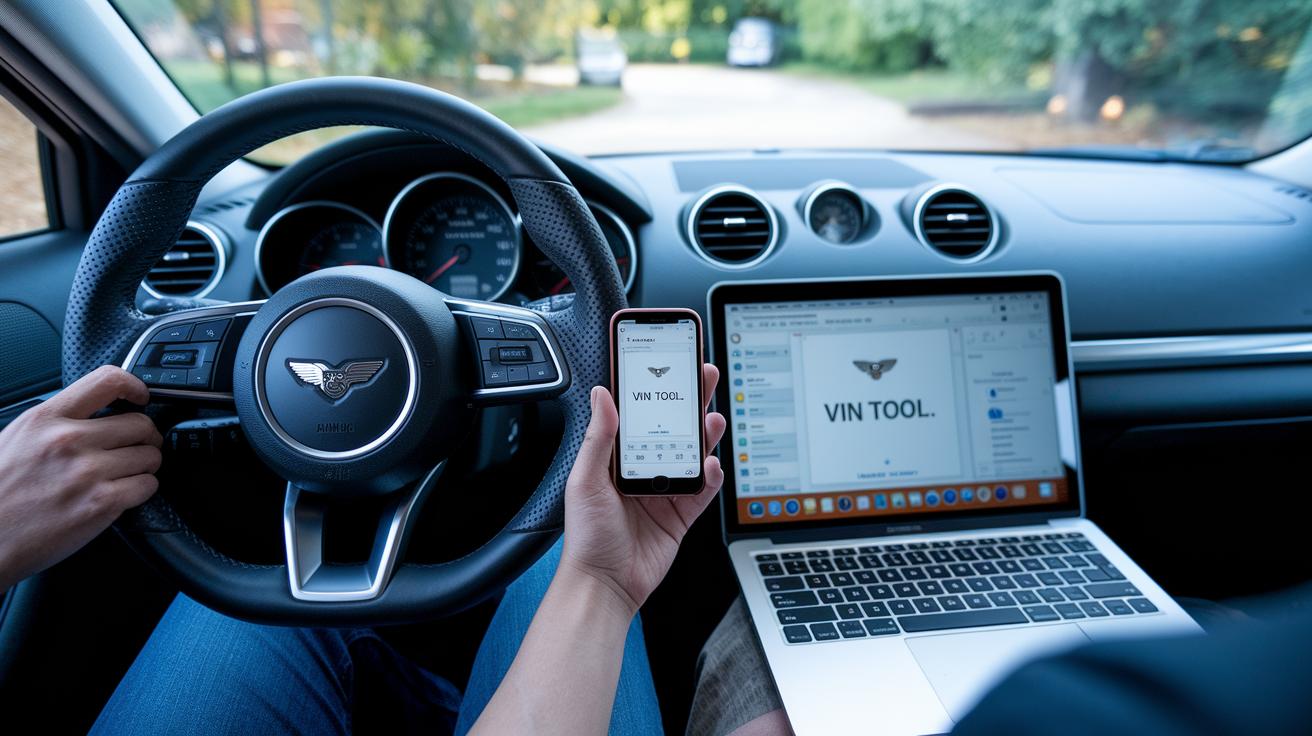
Ever thought about how handy your car's VIN can be in checking its value? Using a VIN-based tool means less chance for mix-ups because it automatically fills in the details like make, model, year, engine, and even accident history, giving you a clear snapshot of your car.
- First, find your VIN. Look on your dashboard, check the driver door frame, or peek at your registration documents where it's clearly printed.
- Next, pick a reliable online VIN valuation tool. Make sure it's one you trust to pull the right details from your VIN.
- Then, enter your VIN carefully. Take a moment to double-check for any typos so you get your complete car information.
- Finally, review the report that pops up. Look at the details, make, model, year, engine, accident records, and factory options, to be sure everything matches your car.
Once you've got your report, give it another look over. If you spot any differences, update your records with repair receipts or get a professional check-up. This little extra effort can help keep your car's value high and gives any future buyer peace of mind about its history.
Check Car Value for Trade-In vs Private Sale

Trade-in value is the cash a dealership offers when you trade your car for a new one. It makes the process easy but usually means you'll get less money overall.
Private party value means selling your car directly to another person. It might take a bit more work, but you could earn more in the end.
Knowing the difference between these two can really help you decide the best way to sell your car. A trade-in is speedy and hassle-free, while a private sale might net a higher price if you're up for a little extra effort. Think about what matters most to you before making a decision.
| Value Type | Typical Use | Price Delta (%) |
|---|---|---|
| Standard trade-in | Dealership offer | -10 to -20 |
| Private Party | Direct sale | Baseline value |
| Retail | Retail showroom pricing | +5 to +10 |
| Loan Payoff | Outstanding loan balance | Varies |
When discussing a trade-in, have your car's maintenance records and history handy. A little cleanup and fixing minor issues can really boost its look. It also helps to ask for detailed, itemized offers so you can compare deals easily. If you’re selling on your own, make sure you create a solid ad and set a fair price. Being clear and upfront can build trust with buyers and help you snag the best deal.
Frequently Asked Questions When You Check Car Value

- Ever wonder how spot-on online estimates are? They’re generally within about 5 to 15 percent of the mark, depending on how complete and solid your info is.
- Yep, you can update details about your car. Many tools let you tweak things like mileage and condition so that the estimate gets even closer to reality.
- Basic VIN reports are usually free, so you can check them out at no cost. Just keep in mind that if you need a deep dive into your car’s history, there might be a small fee.
- Got cool mods like upgraded tires or a fancy audio system? These changes can affect your car’s value, and sometimes you might need to adjust the number yourself.
- When’s the right time to check your car’s worth again? Try doing it after major repairs, any big modifications, or when you’ve added a lot of mileage.
Taking a peek at estimates from different sources gives you the complete picture. It helps you compare numbers, catch any mix-ups, and settle on a fair value that really reflects your car.
Final Words
In the action, the post took you through using online platforms to check car value instantly. We broke down how simple VIN lookups, detailed estimations, and trade-in comparisons work using popular tools.
You got a clear picture of what factors shape a vehicle's worth, along with easy-to-follow steps and real examples to support informed decisions. Keep relying on these user-friendly tips, and enjoy the confidence in knowing your car’s true value.
FAQ
How do I check my car value online and for free?
The online check provides fast, no-charge estimates by using basic vehicle details. It factors in your car’s age, condition, and market trends, making it easy for you to get a quick idea of its worth.
How do I check my car value by VIN?
The VIN-based method pulls your car’s details automatically. It uses the VIN to capture accident history, configuration, and factory options for a more accurate market estimate.
What is the NADA car value?
The NADA value reflects a standard price established by experts that factors in your car’s make, model, and condition. It serves as a trusted reference, especially when considering trade-ins.
How does Kelley Blue Book determine car values?
The Kelley Blue Book combines key details like make, model, mileage, and condition with ZIP code data. This process provides a reliable value estimate to guide both trade-in and private sale decisions.
How are used car values determined?
The used car value is shaped by the vehicle’s wear and tear, mileage, and maintenance record. Tools online compare similar sales and market trends to offer you a realistic range.
How does Edmunds calculate car valuations?
The Edmunds valuation process uses current sale figures and local market trends along with your vehicle’s specifics to generate a True Market Value that reflects both dealer and private party offers.
How can I sell my car using platforms like Carvana or CARFAX?
The selling process through Carvana and CARFAX is straightforward. They assess your car’s condition and history with a quick online review, then offer a competitive price often faster than traditional methods.
How can I buy a car online?
The online buying method lets you review detailed listings, histories, and prices from home. It gives you the ability to compare vehicles and even secure financing without stepping into a dealership.
What is my car worth at CarMax?
The CarMax offer is based on both in-person inspections and online data to gauge your car’s market value. They review condition, mileage, and recent sale prices to provide a fair estimate.