Guides
3: How To Negotiate Car Price Confidently
By jamesdimon
September 10, 2025
Field Notes

Ever thought you could stroll into a car lot and haggled like a pro? Picture it like planning a fun road trip, you know your budget and have all the important details in hand. A solid plan puts you in the driver's seat, ready to dodge any sticker shock. This guide walks you through each step, from setting your top price to figuring out your trade-in value. Feeling ready to steer the conversation with ease? Let that newfound confidence drive every move you make on the lot.
Essential Steps to Negotiate Car Price

When it comes to haggling over the price of a car, being prepared is your best friend. Knowing your numbers and limits puts you in the driver’s seat instead of reacting to the salesperson's moves. Picture this: before you even set foot on the lot, savvy buyers nail down a budget and collect all the key vehicle details. It’s like having a roadmap to steer the chat with confidence.
- Figure out your entire budget, including taxes and fees.
- Get preapproved financing from banks or credit unions.
- Look up the invoice price versus the MSRP and check the car’s market value.
- Compare offers on new-car rebates and used-car listings.
- Find out what your trade-in is really worth for extra leverage.
- Say no to dealer add-ons or extra warranties that aren’t necessary.
- Set your top offer and decide the maximum price you’re willing to pay.
This step-by-step plan builds your confidence and keeps you focused. Imagine chatting with a dealer and knowing exactly how much you can spend, that’s a game-changer. For instance, one buyer mentioned, "I locked in my maximum budget after factoring in all the fees, so when extra charges popped up, I had my numbers ready." Plus, doing your homework with resources like Kelley Blue Book or Edmunds means you’re armed with facts to question any inflated prices.
Stick to your plan and remember: you’re in control. If the deal doesn’t match your prepared terms, you can simply walk away. After all, knowing your limits is the key to getting the price you deserve.
Car Price Negotiation: Market Research and Data Preparation

Getting a great deal starts with having solid, clear pricing data. When you know the real numbers, even down to how the invoice price stacks up against the MSRP, you’re one step ahead. Trusted sources like Kelley Blue Book give you details on both private party and dealer prices, taking mileage and condition into account. Other sites provide clues about dealer pricing tactics, giving you a fuller picture.
Take a look at the table below to see the key details each source offers:
| Source | Data Provided |
|---|---|
| Kelley Blue Book | Private party & dealer pricing by mileage/condition |
| Edmunds | Invoice price, dealer holdbacks, current incentives |
| TrueCar | Average paid price, regional market trends |
| Dealer Invoice Reports | Dealer cost before markup |
By comparing these sources, you build a strong target price that's backed by real transaction data. When you double-check details across several guides, you can easily spot any differences and back up your offers. This careful research not only builds your confidence but also gives you the solid data you need to negotiate like a pro.
Budget Planning and Preapproval Leverage for Car Price Negotiation

A preapproval letter is your secret weapon when negotiating a car’s price. When your lender gives you the thumbs-up ahead of time, it shows you’re a serious buyer with a clear credit limit. This extra edge means you can confidently chat numbers with the dealer, keeping the conversation on your terms. It’s like starting a race a step ahead – you get to push back on high sticker prices and unexpected fees.
Next up, figure out your total budget by including every single fee. Don’t just focus on the car’s listed price; you’ve also got to think about sales tax, registration, and dealer fees. By adding these costs together, you set a clear maximum that helps you avoid any surprises later on. This way, you know exactly where you stand when it’s time to negotiate.
Finally, take the time to compare APR offers from different lenders and use them as leverage against dealer financing deals. Credit unions, for example, often come in with lower rates, saving you up to about 1 percentage point. A little homework here goes a long way and helps you not only secure a better car price but also lock in terms that make the monthly payments and overall cost more manageable.
Car Price Negotiation Techniques: Dealerships vs Private Sellers

When you're trying to nail down the right price, it's all about knowing who you're up against. At a dealership, you'll find that the numbers usually circle around the sticker price, the invoice, and any cash-back deals they might offer. On the flip side, private sellers don't have set promotions, so you'll need to lean on solid market research and a keen look at the car's actual condition.
Dealership Price Discussion Methods
When you're at a dealership, having a handle on the numbers really pays off. Many buyers aim to knock about 5 to 15 percent off the listed price by comparing it to the invoice and any current rebates. And here’s a neat trick: if you shop near the end of the month, dealerships might be more flexible to hit their sales targets. Some even send their price requests by email to get a written quote, making sure the deal stays clear and based on solid figures.
Private Seller Haggling Tips
When negotiating with a private seller, focus on the car's true value in everyday use. Start by checking trusted guides like KBB to see what a similar car should cost. Take your time to inspect the vehicle, small issues like tiny scratches or an old interior can help bring the price down. Asking for maintenance records also shows that the car might need a bit more care. This straightforward approach, mixing detailed condition checks with market comparisons, helps ensure you land a fair deal.
Leveraging Trade-Ins, Manufacturer Incentives, and Financing in Car Price Negotiations
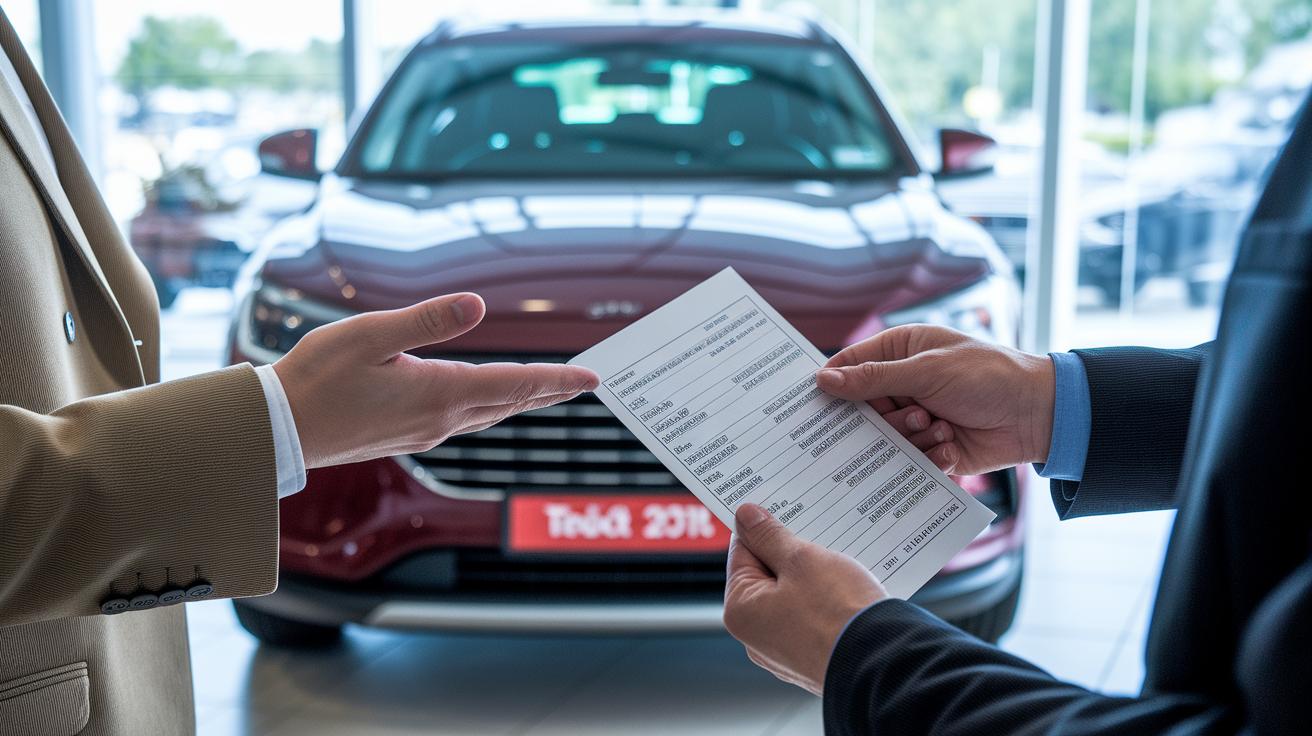
A solid trade-in can really cut down the final cost of your new ride. You can check trusted sources like Kelley Blue Book or TrueCar to know exactly how much credit you can use toward the purchase. One clever buyer even said, "I made sure my trade-in’s value was locked in before discussing the new car's price." This kind of clarity helps you avoid getting hit with inflated numbers by dealers.
Manufacturer cash rebates, loyalty offers, and conquest deals are extra ways to lower the price. These bonuses usually show up during seasonal sales or special events, so timing your inquiry can net you additional savings. Think of it as catching a mid-year sale that not only boosts your bargaining power but also makes the whole deal sweeter.
Showing preapproved loan terms is another smart trick. When you let the dealer know about the competitive rates you've secured elsewhere, it sets a clear baseline for discussion. This move can encourage them to match or even beat those terms, giving you more manageable financing options.
Lastly, consider bundling your incentives during your negotiations. Combining trade-in credit with manufacturer rebates can work together to lower your overall expense. Instead of negotiating each one separately, talking about them as a package can save you time and might just lead to a friendlier final price.
Handling Counteroffers, Add-Ons, and When to Walk Away in Car Price Negotiations

Often, dealers start with a counteroffer that's kind of in the middle, it's not a huge discount, but it's not the full sticker price either. It's smart to do your homework before you go. If the dealer offers a 5% cut on the price but your research shows you could snag about a 10% discount, you might say, "Based on the current market and similar sales, I was expecting a bit more off." This way, you keep the chat focused on real numbers and facts.
Sometimes extra features like warranties, VIN etching, or paint protection pop up during negotiations. These extras can be marked up anywhere from 50% to even 200% more than what they might be worth. When a dealer tries to add these on, it's perfectly fine to say, "I'm not interested in extras that I don't really need."
Before you head out, decide on the highest price you're willing to pay. If the conversation drifts to a number that's too high, confidently say, "If we can’t meet this price, I’m ready to walk away today." Keeping a firm limit helps you stay in control and makes sure you don't end up paying more than you planned.
Sample Negotiation Dialogues and Role-Play for Car Price Haggling

Negotiating a car price can feel a bit daunting at first, but practice really makes a difference. Try out your conversation skills with a friend or even practice by yourself. It’s a bit like rehearsing for a big game, every run-through makes you a bit more confident when it’s time to seal the deal.
Dialogue 1: Dealership Negotiation
Buyer: "I did my homework, so I'm starting with an offer that's 10% under the invoice price."
Seller: "That’s a gutsy opening. How about we meet halfway with a counter offer at 5% under the MSRP?"
Buyer: "I’m already preapproved for financing, and I know what similar deals look like. If we can drop some of those extra add-ons, we could settle on a net price that works for both of us."
Seller: "I can see you've got your numbers sorted. Let me review the details, and we can find a middle ground."
Dialogue 2: Private Seller Negotiation
Buyer: "I noticed a couple of small issues with the car. Fixing them might cost around $500, which brings the overall value down a bit from what I expected."
Seller: "The car’s in good shape overall, but I hear you. What price do you have in mind?"
Buyer: "Taking those repair costs into account, I’m comfortable offering a price that reflects the needed fixes, so it feels fair to both of us."
Role-playing these conversations helps build your confidence. It also lets you experiment with different approaches, whether you're leaning on your financing preapproval or pointing out repair costs. In short, practicing these dialogues ensures that when the real talk comes, you're ready to speak clearly, stick to your researched figures, and confidently steer the conversation toward a deal that fits your budget.
Timing Your Car Price Negotiation: Seasonal and End-of-Month Strategies

When the month, quarter, or year is wrapping up, dealers are often racing to hit their sales goals. They might lower prices to move cars off the lot, kind of like a last-minute dash to the finish line. Dealers close to meeting their quotas can be more willing to drop prices and work with you on negotiations.
In quieter months like January or late summer, dealerships slow down, and you might see extra promotions. Holiday weekends can also bring special rebates and better financing offers, so there are real chances to save big. Imagine spotting a rare sale during a long weekend where the dealer is eager to clear their stock.
For the best savings, try to line up your negotiations with these busy-deal times. Do your research and get your financing sorted out beforehand. By timing your move smartly and backing it up with solid facts, you put yourself in the driver's seat and steer the deal in your favor.
Final Words
In the action, we outlined the steps from setting your total budget and securing preapproval to comparing interesting data like invoice prices versus MSRP. We broke down dealer tactics, private seller strategies, and smart timing tips to boost your confidence. Rely on clear market research and solid scripts to guide you when learning how to negotiate car price. Each tip builds your strength when discussing numbers and strategies, leaving you ready to drive off with both knowledge and optimism.
FAQ
Frequently Asked Questions
How do you negotiate a lower price on a car?
Negotiating a lower price means doing your homework by checking market data, setting a firm budget, and knowing dealer costs. This method builds confidence and puts you in control during price talks.
How do you negotiate a car price when paying cash?
Paying cash gives you extra leverage with sellers because you bypass financing. It lets you ask for a discount and compare offers confidently using solid market research.
How do you negotiate a car price when using preapproval, trade-in, or financing?
Using preapproval and knowing your trade-in value boosts your bargaining power. Present your financing letter, verify your trade-in’s worth, and negotiate firmly to secure better dealer terms.
How do you negotiate a car price online or with a private seller?
When buying online or from a private seller, start with clear market research and inspect the vehicle thoroughly. Use any noted issues or discrepancies in value to support your lower offer.
What tricks do car salesmen use?
Salesmen often pressure you with quick deals, focus on monthly payments, or push add-ons. Recognizing these tactics helps you stick to your data, budget, and walk-away limit confidently.
What are the four steps to negotiating the best price on a car?
The four steps are setting your full budget, getting financing preapproval, researching invoice and market prices, and deciding on a firm offer with a walk-away point to keep negotiations strong.
How much of a discount do you get when you pay cash for a car?
While discounts vary, paying cash can secure savings from several hundred up to a few thousand dollars off the asking price when market data backs your negotiation.
How can resources like Kelley Blue Book, TrueCar, CarMax, and Autotrader help during negotiations?
These tools offer real pricing histories and vehicle data, allowing you to compare market values and verify a fair deal. This information equips you to negotiate with added confidence and clarity.