Guides
What To Look For When Buying A Used Car: Top Tips
By thomascrown
September 11, 2025
Field Notes

Ever wonder if that used car is really a smart buy? Sometimes you might miss clues like old accidents, odd mileage, or sneaky repairs if you don’t do a little homework first. And, let’s be honest, nobody wants an expensive surprise later on because you skipped a red flag. So here’s a simple tip: check out the car’s history report, take a good look at its mechanical condition, and make sure its title is clean. Do that, and you’ll feel great about your ride knowing you made a solid choice.
Key Steps to Evaluate a Used Car Before Purchase
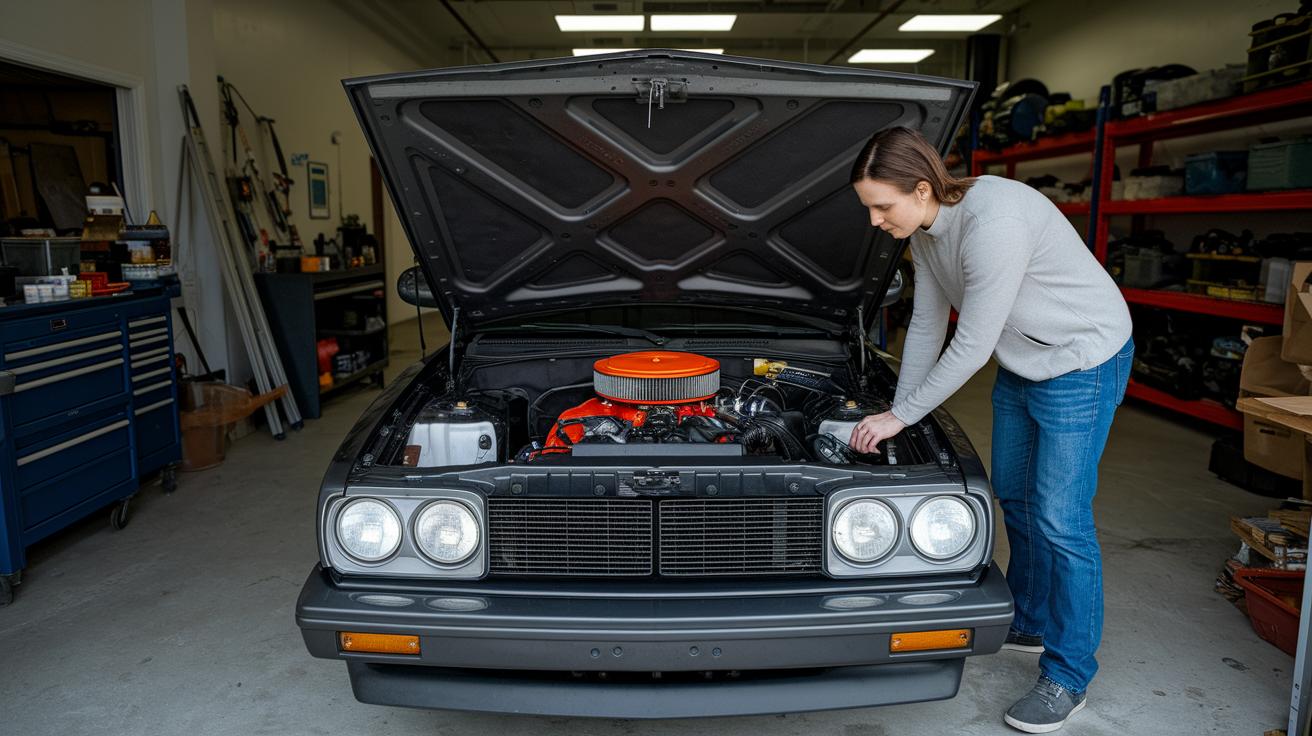
When you’re headed out to buy a used car, start by asking for a detailed history report. It’s a smart move since international records, from places like Germany, Italy, or the USA, can show you if the car’s been in any accidents or suffered damage. This way, you catch any hidden issues before they become a headache.
And don’t forget to use a VIN decoder, like one specific to BMW, to double-check the car’s official specs. A good history report will detail everything from past accidents and repairs to any odd mileage jumps. This open approach gives you extra confidence in your decision.
- Check international records for any accident or damage information.
- Use a reliable VIN decoder to verify the car’s original specifications.
- Review the history report for details on accidents and repairs.
- Look out for mileage differences that might suggest tampering.
- Verify if there are any outstanding recalls or open service records.
- Ensure the title confirms clear and legal ownership.
- Ask the seller for the complete report to keep everything transparent.
Following these steps means you’re doing your homework, and that can really help you avoid surprises later on. For example, think about how BMW had to overcome some severe reliability challenges before earning its spot as a trusted brand, reminding you that knowing a car’s past is key. By carefully checking accident history, repairs, and mileage, you set yourself up to pick a car that’s a solid investment rather than a money pit. Remember, being transparent about a vehicle’s background is your ticket to a confident used car purchase.
Inspecting Mechanical Condition During Used Car Evaluation
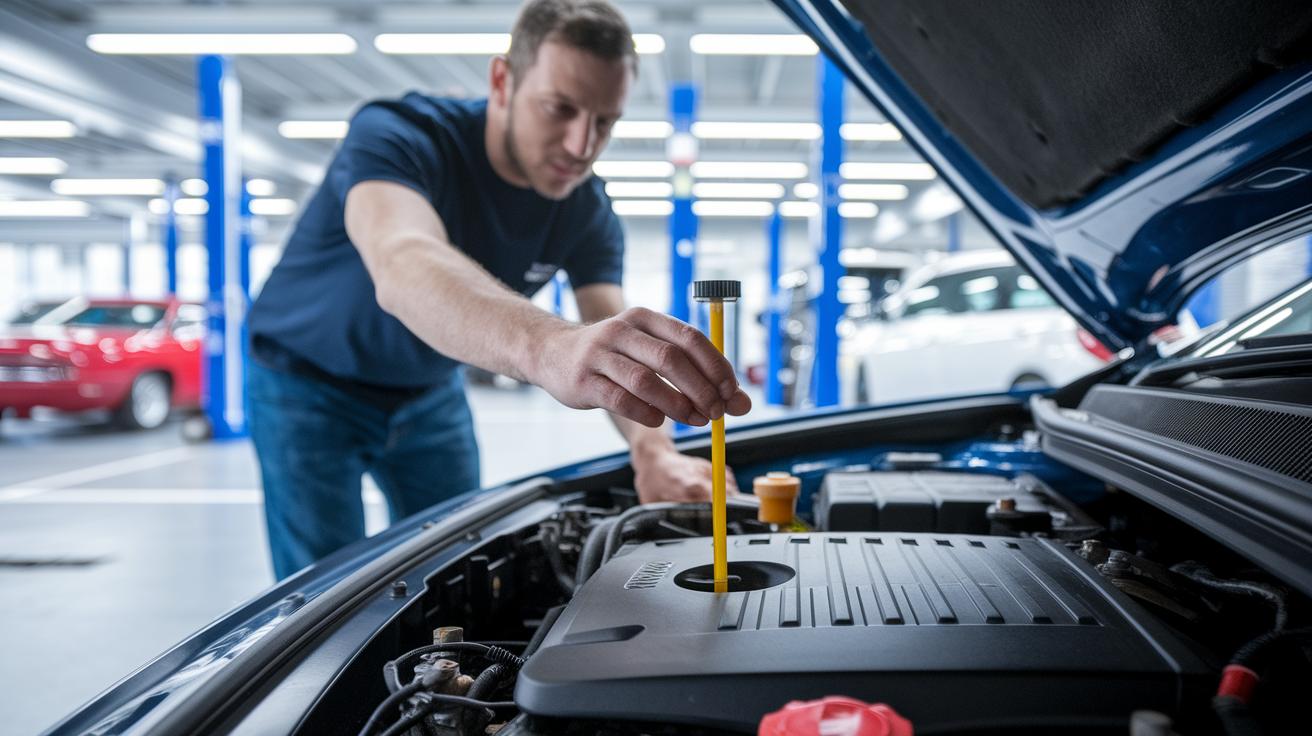
Engine Health Assessment
Start by taking a look at the engine oil. Check its color and level, make sure it’s clean and full enough. Also, keep an eye out for any leaks under the engine and listen for unusual sounds. For example, a knocking noise might mean the engine isn’t compressing as it should. This simple check can save you from bigger engine problems later.
Fluid Level and Condition Inspection
Next up, check all the vital fluids. Look at the brake fluid to see if it’s clear and at the right level, inspect the transmission fluid for any burnt smell or odd color, and confirm that the coolant and power steering fluid are properly filled. Clean and steady fluids indicate that the car has been well maintained.
Battery and Electrical System Testing
Now, turn your attention to the battery and electrical system. Find out how old the battery is and measure its voltage to ensure it’s strong. Also, test the alternator to be sure it charges the battery correctly. Ensuring these parts work well can help you avoid unexpected breakdowns.
| Component | Checkpoint | Acceptable Condition |
|---|---|---|
| Engine Oil | Color & level | Clean and full |
| Engine | Leaks | No visible leaks |
| Engine | Compression | Smooth & consistent |
| Brake Fluid | Clarity & level | Clear and adequate |
| Transmission Fluid | Color & odor | Clean and neutral |
| Coolant | Level & clarity | Proper level and clear |
| Battery | Age & voltage | Relatively new, strong voltage |
| Alternator | Performance test | Efficient charging |
Verifying a Used Car’s History to Avoid Potential Pitfalls
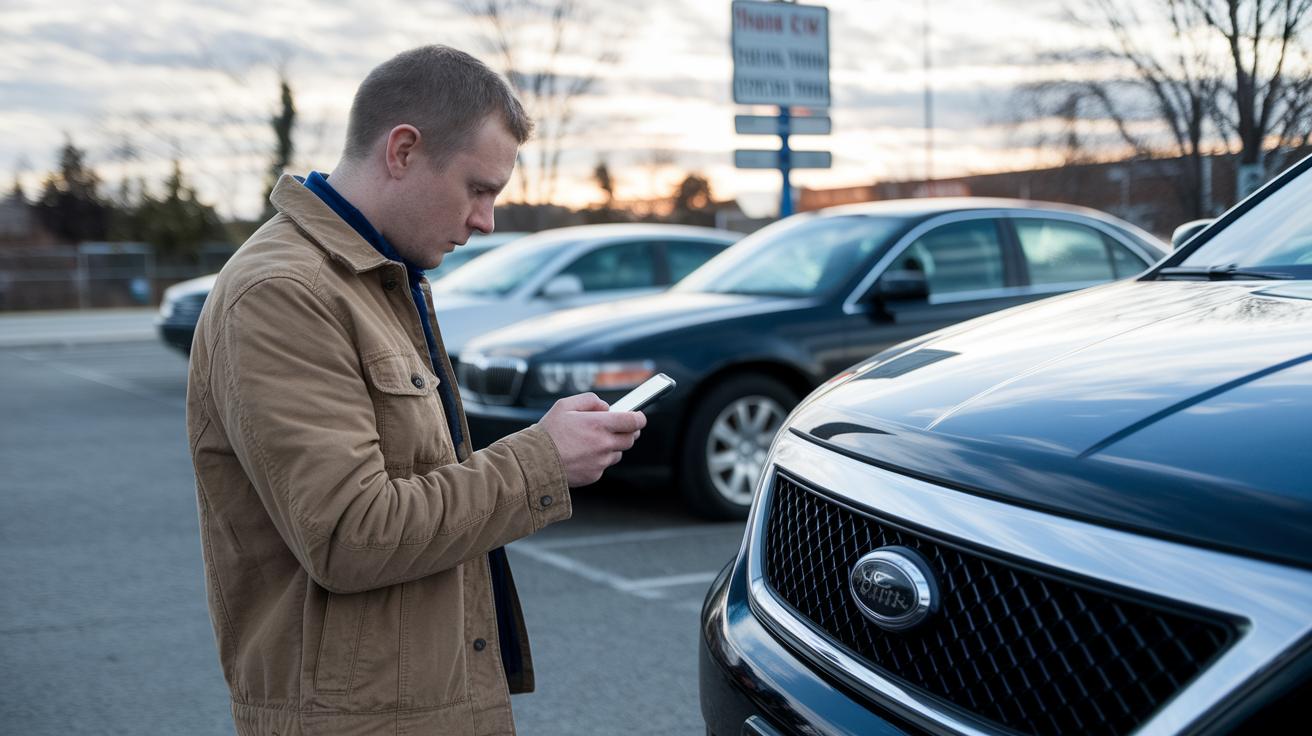
When you're checking out a used car, it really pays to use international databases. These handy tools pull together accident, damage, and service records from places like Germany, Italy, and the USA. They give you a clear picture of any major repairs or impacts, almost like getting a car’s report card in seconds.
Don’t forget about VIN decoders either. By entering the vehicle’s identification number, you can uncover the car’s original specs and even any recall records. It’s like having a behind-the-scenes look at the car, helping you confirm that what you see on paper matches what’s really there.
Taking a close look at history reports is also key. These reports can alert you to red flags like sudden mileage changes, past accidents, or title problems. A quick scan can show you if there’s any hidden trouble that might turn into expensive repairs down the road.
On-Road Performance and Test Drive Evaluation for Used Car Buyers

Preparing for the Test Drive
Before you head out, set up your test drive for a time when traffic isn’t too heavy. Choose a route that mixes a few types of roads, think city streets, highways, and even a few hills or twisty turns. For instance, you might start on busy urban roads before hopping onto a faster highway, so you can really feel how the car responds in different settings.
Assessing Performance Under Varied Conditions
While you’re behind the wheel, keep a close eye on how the car accelerates, brakes, and steers. Notice if there are any odd vibrations or unusual sounds when you shift gears or press the accelerator. For example, if you hear a steady rattling noise when you speed up, it might be a sign that something isn’t quite right. Also, see how the car handles lane changes and sudden stops, it should feel smooth and responsive.
Post-Drive Assessment
Once you’ve wrapped up your drive, take a few minutes to give the car a quick once-over. Step out and check underneath for any signs of leaks or drips, and do a little sniff test inside the cabin for any out-of-place smells. This final check helps confirm that the car’s performance during your drive matches up with its overall condition, so you can feel confident about your decision.
Interior and Exterior Quality Checks When Buying a Used Car
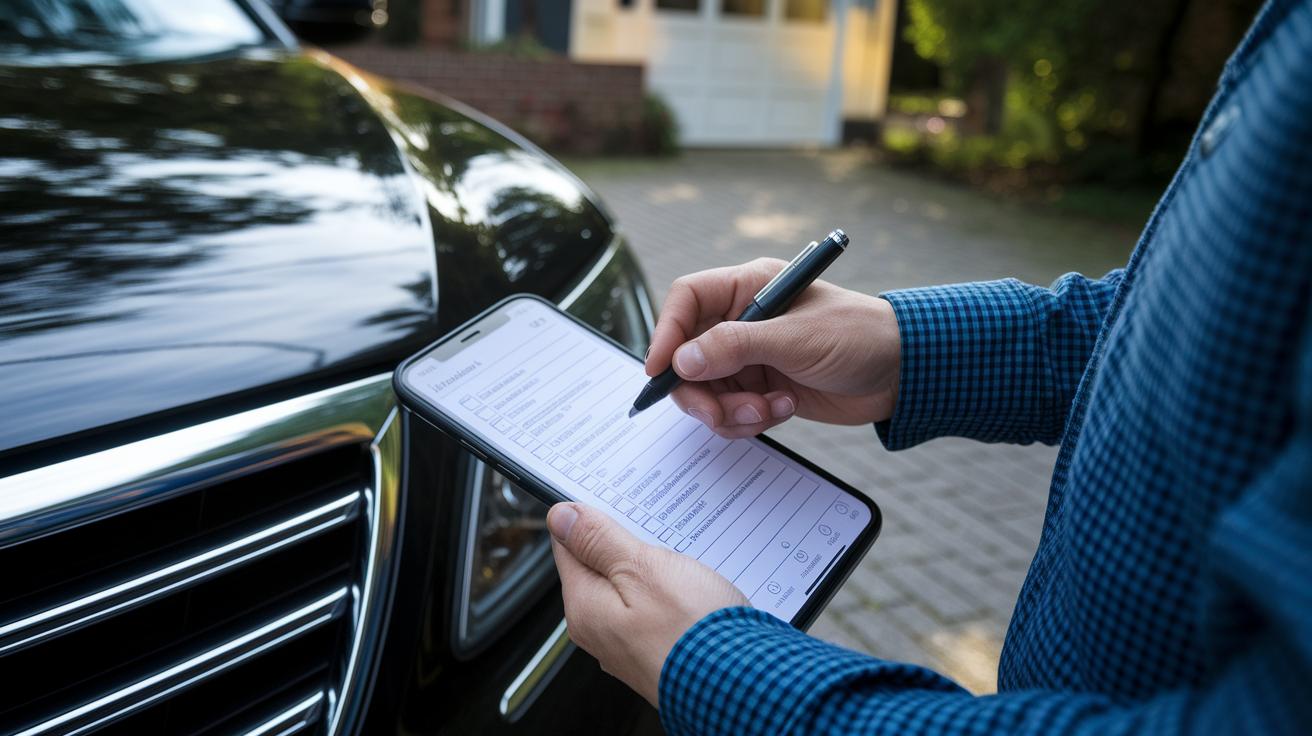
When you’re checking out a used car from the outside, start with its curb appeal. Walk around the car and really look at the body and paint for scratches, dents, or rusty spots that could mean it had some past bumps or scrapes. Check the headlights, mirrors, and tires too. For example, if you see cracked headlights or bumpers that don’t line up right, it might be a sign the car was in an accident.
Next, step inside and take a close look at how the interior holds up. Give the seats, dashboard, and carpets a good once-over for any unusual wear, stains, or tears. Test out the electronics by turning on the radio and checking the climate control and infotainment system to make sure everything is in tip-top shape. It’s always a good idea to use a car maintenance checklist as your guide. For instance, making sure the dashboard lights up properly can save you from future electrical headaches.
Finally, don’t forget about the little details that keep you safe. Check that all the accessory controls, from the power windows to the locks and seat adjustments, work smoothly. Make sure safety features like airbags and seat belts are in good shape and haven’t been triggered before. A quick press on the airbag indicator, if it’s designed to be tested, can give you extra peace of mind before you drive off.
Documentation and Legal Requirements for Purchasing a Used Car
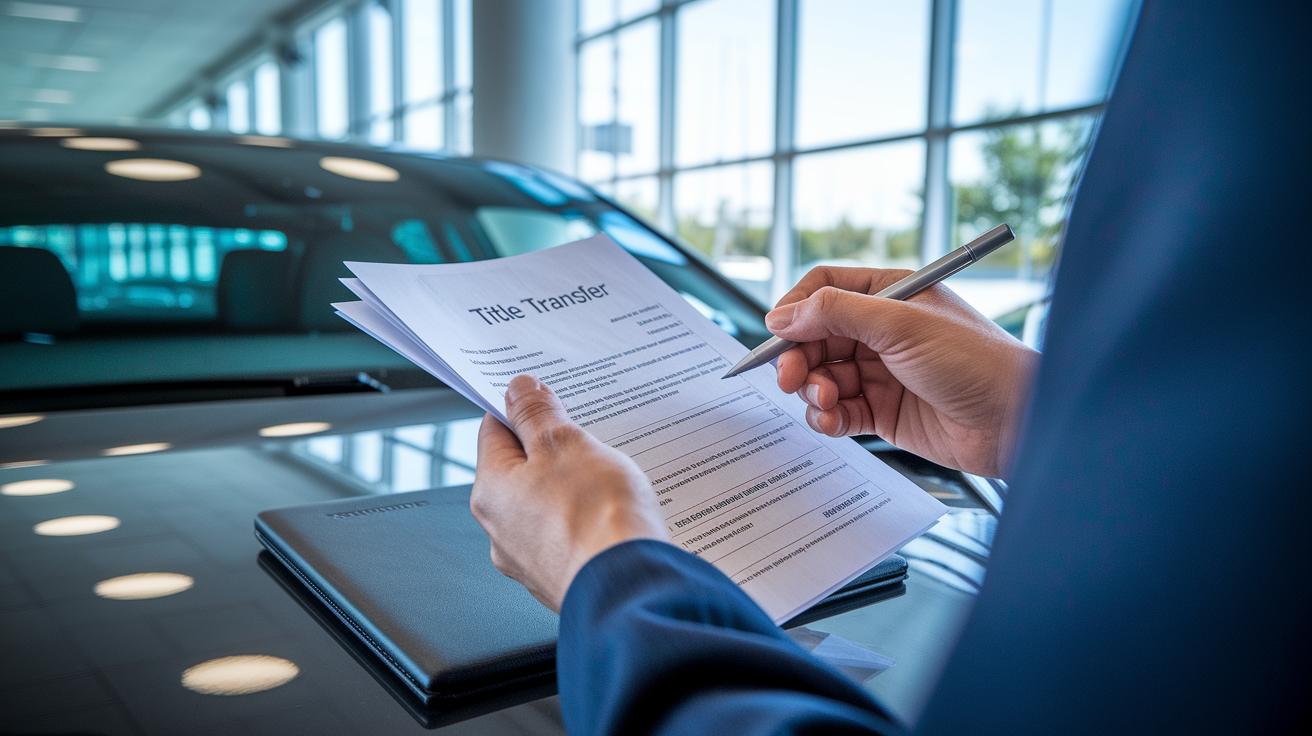
Buying a used car means you need to pay close attention to the paperwork as much as you do to the car itself. Make sure you gather the title transfer, bill of sale, odometer disclosure, and emissions certificates. These documents prove the car’s ownership, show the real mileage, and confirm it meets environmental rules. Getting these in order early on helps you avoid any surprises later.
Once you’ve sorted out the title and bill of sale, it’s time to look at insurance costs and check any warranties or return policies. A careful look at each document can reveal red flags like unpaid loans or a car with a salvage title. If pre-owned financing is on your radar, double-check that everything lines up. Handle your paperwork with care to steer clear of any issues.
Pricing Negotiation Strategies for Buying a Used Car
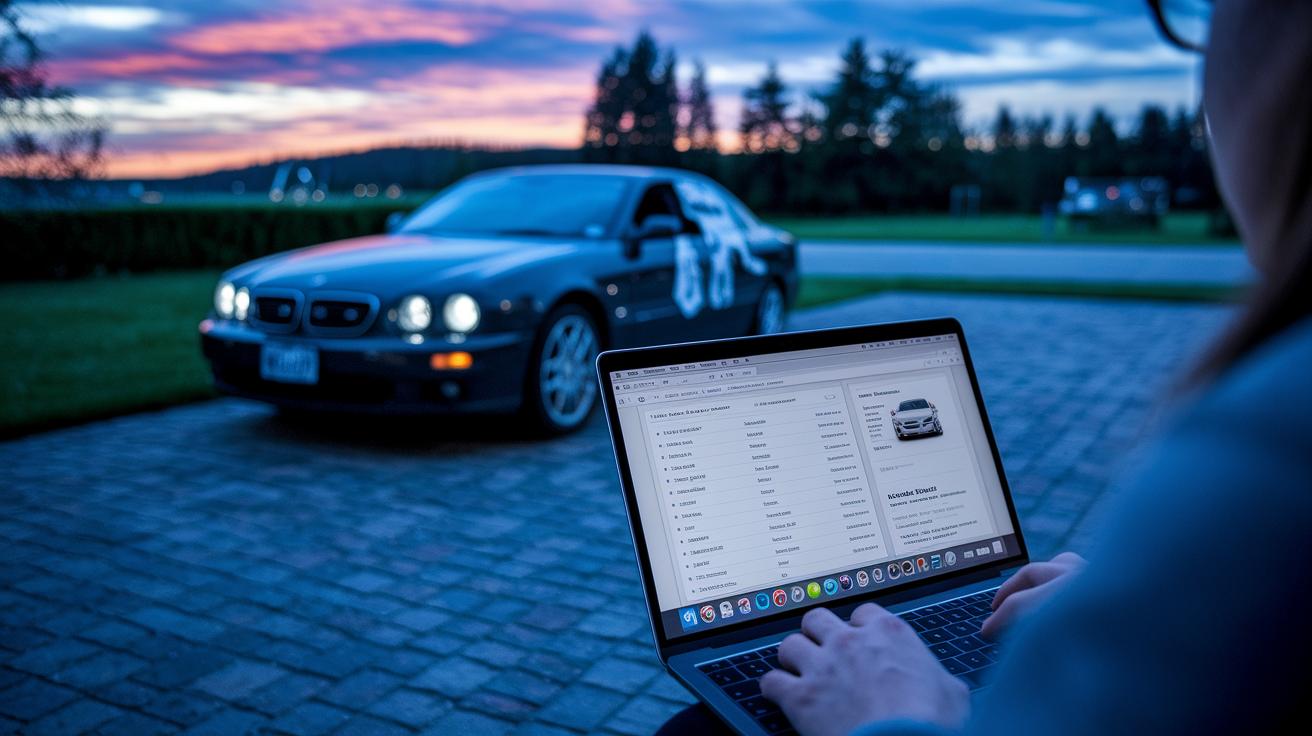
Before you set out shopping, take some time to do your homework. Look at local listings and compare what dealers and private sellers are asking for similar cars. It’s like scoping out prices at a local market, you want to know the going rate so you don’t overpay. Check tools and websites for data on average costs, mileage, and the car’s overall condition. This way, you can spot if a seller’s price is way off compared to most others. And hey, it also helps you spot any hidden costs like potential repair bills or upcoming maintenance needs.
When it’s time to haggle, keep your cool and plan out your strategy ahead of time. Set a target price in your head and decide the most you're willing to spend. Let the seller know you’ve done the legwork by comparing rates from both dealers and private owners. This shows you’re not just guessing, you’re serious and informed. With a bit of friendly persistence and the right questions, even a tough negotiation can turn into a win-win deal.
Post-Purchase Follow-Up and Maintenance Planning for Your Used Car
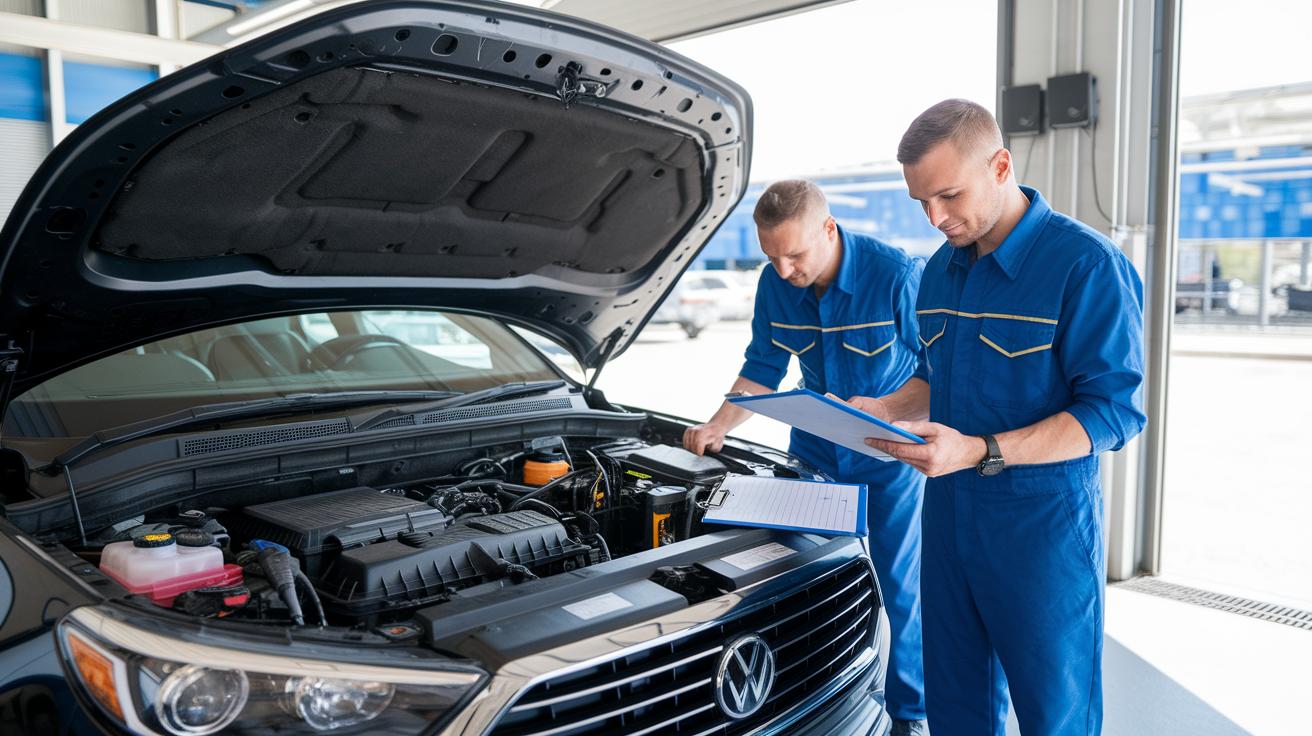
Now that you’ve brought your new-to-you ride home, it’s a great idea to book its first service check soon. This visit is like a car health check-up, think oil changes, filter swaps, and a quick look at fluids, brakes, and tires, and it's the perfect time to go over any warranty or service package details. It helps nip small issues in the bud before they grow into bigger ones, setting you up for smoother drives ahead and letting you budget for future care.
Keep an eye on regular maintenance by following manufacturer tips and considering how you drive. Jot down when you need battery tests, tire rotations, or brake checks in your calendar so nothing slips through the cracks. Tracking these check-ups not only helps you understand the upkeep costs but also spots potential issues early on. In short, staying on top of maintenance means your car stays safe and reliable, giving you peace of mind every time you hit the road.
Final Words
In the action, we broke down key steps for evaluating a used car, from checking detailed vehicle histories with VIN decoders to a thorough mechanical inspection and test drive. We've covered everything from interior and exterior quality checks to the necessary documentation and smart pricing negotiation techniques.
This guide aims to help you feel confident and informed throughout your used car purchase. Keep in mind what to look for when buying a used car, and enjoy the exciting process of finding that perfect ride. Happy driving, and here’s to many great road experiences!
FAQ
What should I consider when buying a used car?
The question means you need to check the vehicle’s history, overall condition, and verified documentation while comparing market prices using trusted sources. This helps you ensure your next ride is reliable and affordable.
What should I do when buying a used car from a private seller?
The question suggests you ask for full service records, perform a detailed inspection, and verify paperwork. It’s best to get clear answers about past repairs and ownership for peace of mind.
What should I look for when buying a used car from a dealership?
The question indicates you should review available warranties, ask for complete history reports, and check the car’s condition carefully. Dealerships often provide added buyer protections through certified inspections.
What should I avoid when buying a used car?
The question means steer clear of cars with inconsistent histories, hidden damages, unexplained mileage differences, or unclear title details. These issues can signal future costly problems.
What should I check for when inspecting a used car?
The question implies you should verify service and accident histories, examine the mechanical condition, and look for red flags such as fluid leaks or unusual noises to avoid unwelcome surprises later.
What is the 20/4-10 rule for buying a car?
The question explains that the 20/4-10 rule suggests a 20% down payment, a loan term of no more than four years, and vehicle costs not exceeding 10% of your monthly income, keeping payments reasonable.
What is a red flag when buying a used car?
The question means red flags include inconsistent mileage, missing records, noticeable repair work, and unexplained damage. These issues could indicate deeper problems that might cost you more down the road.
How do I know if a used car is a good deal?
The question shows that a good deal is when the car’s price matches market trends, the history report is complete, and inspections confirm it’s mechanically sound with no hidden issues.
How do tools like CARFAX, Kelley Blue Book, CarMax, Autotrader, and CarGurus help in buying a used car?
The question clarifies that these tools offer history reports, market pricing, and comparison options so you can make well-informed decisions and secure a fair-priced car.