Maintenance
Car Oil Change: Smooth And Simple
By thomascrown
September 8, 2025
Field Notes
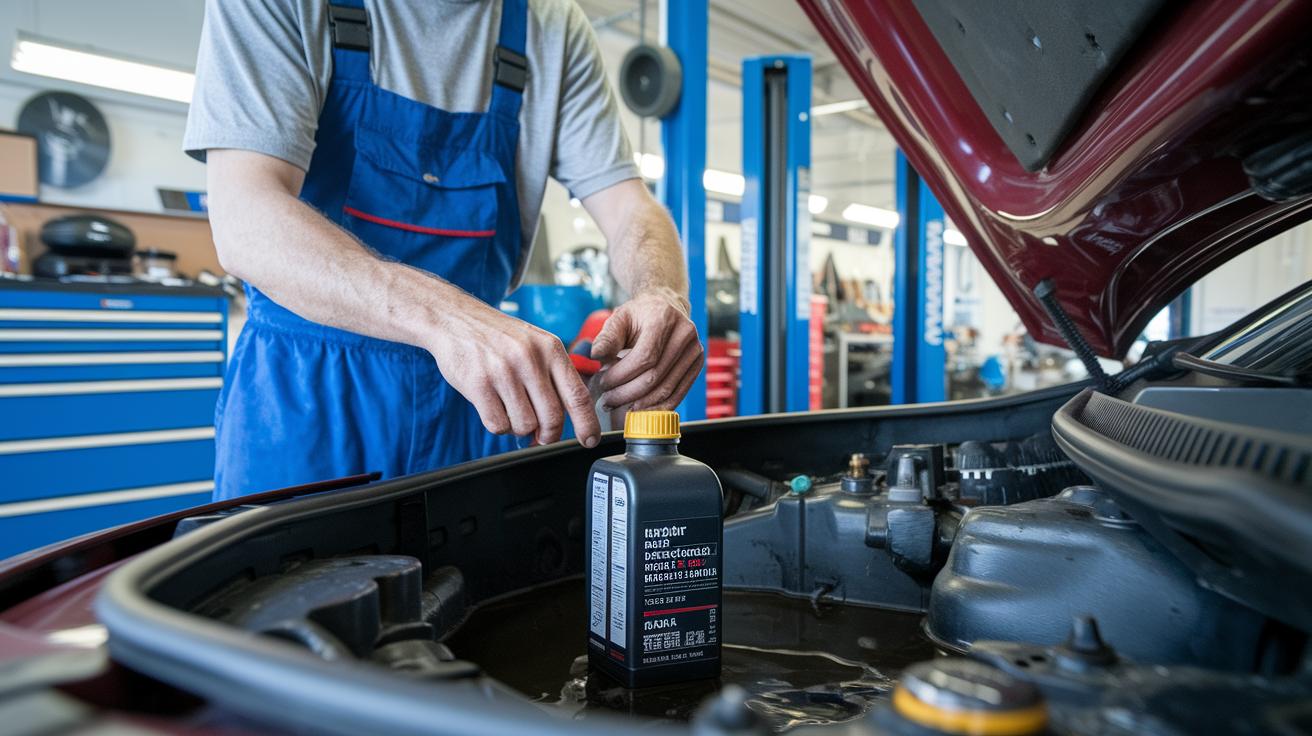
Have you ever thought that getting an oil change could be as easy as grabbing a meal at your favorite diner? This guide shows you a simple, step-by-step way to keep your engine purring along nicely. Start with the basics, a cool engine, the right tools, and a little extra care, and you’ll quickly see how a regular oil change can stop expensive repairs before they even start. With just a few smart moves, you can turn this routine task into a habit that keeps your car in top shape.
How to Change Your Car’s Engine Oil: A Step-by-Step Guide
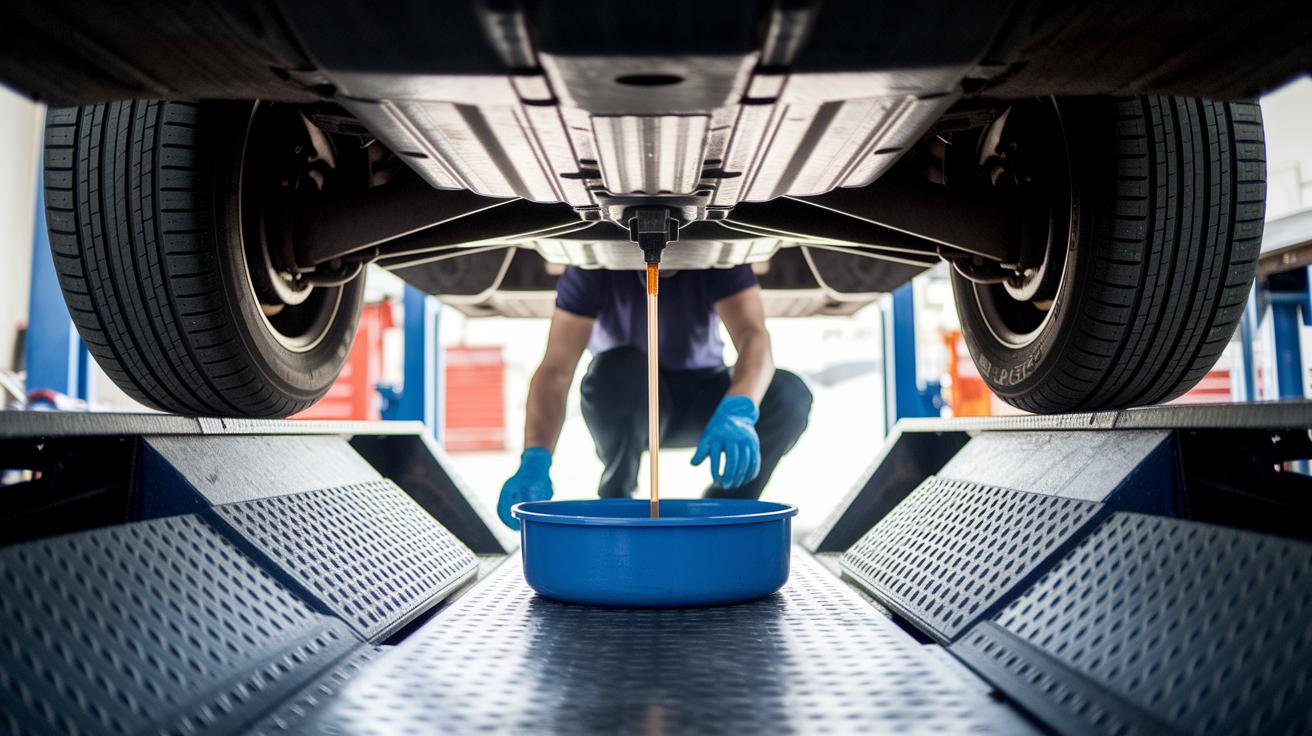
Before starting, make sure your engine is completely cool so you don't risk a burn. It’s a good idea to double-check the oil grade by looking at the oil cap and your owner’s manual. This way, you know you’re using the right oil for your car.
Start by safely lifting your vehicle. Use ramps or jack stands, don’t rely only on a floor jack because safety comes first. Once your car is secure and high enough, find the oil pan drain plug and place a drain pan right underneath it to catch the old oil without any spills.
Now, remove the drain plug and let at least one gallon of oil flow out. As the oil pours out, keep a safe distance to avoid any splashes, think of it like watching a gentle stream flow steadily from your car.
Once the old oil is drained, it’s time to replace the oil filter. If needed, grab an oil-filter wrench to get a good grip. Turn the filter counterclockwise until you see some oil dripping, then remove it. Here’s a tip: When you put the new filter on, hand-tighten it to avoid overtightening, which might harm the filter or even your engine.
After that, reinstall the drain plug and tighten it according to your car manufacturer’s recommendation. This helps prevent leaks and keeps everything running smoothly. Lower your vehicle, then remove the oil cap from the filler neck. With a funnel, carefully add in the new oil, making sure not to spill any or mix it with the old oil.
Finally, run your engine for about 10 seconds so the new oil can circulate, then shut it off. Check the oil level with the dipstick to see that it hits the full mark. And there you have it, a safe and satisfying way to keep your engine in top shape!
Essential Tools and Preparation for Your Car Oil Service
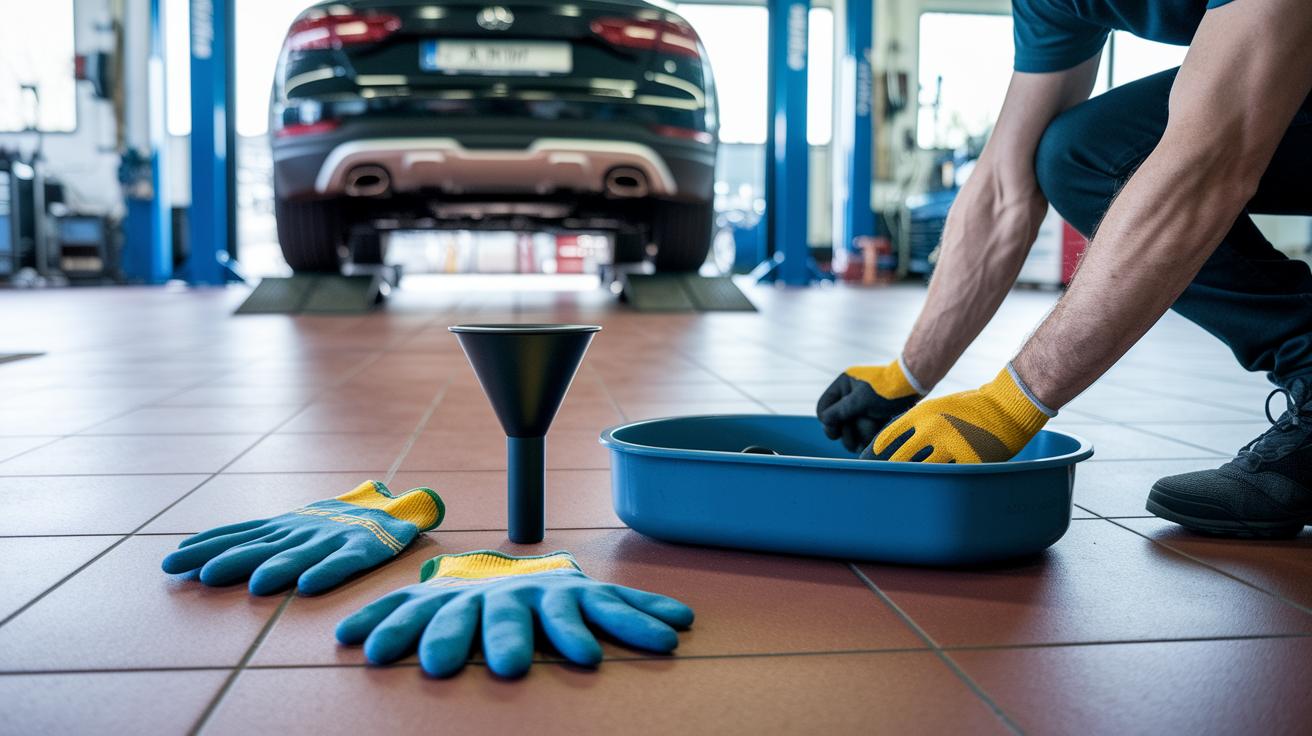
Before you dive into your oil change, take a moment to gather your tools and run a few quick checks. This helps you avoid those annoying stops in the middle of the job.
Here's what you'll need:
- A socket wrench or breaker bar set (usually between 13mm and 17mm)
- An oil-filter wrench, either strap or cap style
- An oil drain pan or a large, sealable container
- A funnel for a spill-free refill
- Jack stands or vehicle ramps (try not to use just a floor jack)
- Nitrile gloves and a few shop rags
Now, check out your owner's manual or look at the oil filler cap to see if your car needs conventional, synthetic blend, or full synthetic oil. For example, if your manual says to use synthetic oil for cold weather, then that’s the oil you should grab, just like you’d double-check your grocery list before a big shopping trip. And don’t forget to note your mileage so you can keep track of when it’s time for your next change. This little bit of prep work makes sure your DIY oil service goes smoothly and stresses-free.
DIY vs Professional Auto Oil Service: Weighing Your Options

When it comes to keeping your car running smoothly, you might wonder if you should change the oil yourself or leave it to the pros. Doing it on your own can be a fun, hands-on project that saves you about $20 to $50 each time, just the cost for oil and a new filter. But if you’d rather kick back, a professional service means certified techs take care of everything with spot-on precision. At the end of the day, it all depends on your budget, how comfortable you feel with your own skills, and whether you prefer convenience over a DIY adventure.
Key Benefits of DIY Oil Change
Choosing to change your oil yourself puts you in control. You get to pick the oil and filter you trust, and you learn a bit about what your car really needs. Imagine the thrill of safely jacking up your car, draining the old oil, and then tightening the drain plug to just the right setting. Not only does this approach keep more cash in your pocket, but it also gives you a sense of accomplishment that can boost your confidence for future car maintenance.
Advantages of Professional Auto Oil Service
On the flip side, letting the experts handle your oil change can take a load off your mind. Professional service centers or mobile technicians manage everything, from disposing of old oil properly to using the right tools for accurate torque settings. They often offer packages that include oil-change deals and complementary inspections. This is especially handy if tracking maintenance history is important to you, as warranty-safe dealerships do all the record keeping for you. In other words, if you value convenience and a hassle-free experience, professional service might just be the way to go.
Understanding Car Oil Change Cost: Oil Type and Pricing Overview
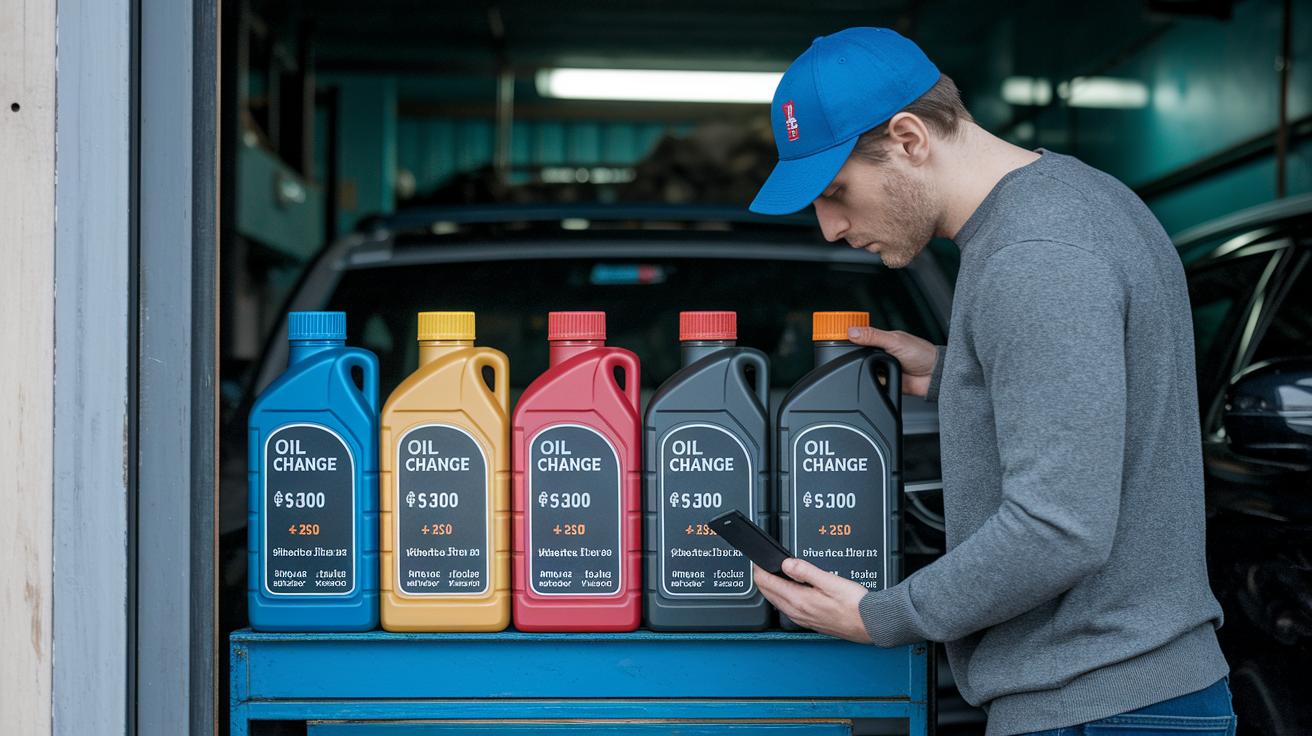
When you're planning an oil change, it's smart to set a budget first. Prices can vary based on the oil type you choose, the quality of the filter, labor costs, and extras like local deals. Some spots even have specials that make oil changes really affordable, while dealerships might charge more because they use original parts.
Here's a simple rundown of what you might expect to pay for different oils:
| Oil Type | Average Cost |
|---|---|
| Conventional | $35–$55 |
| Synthetic Blend | $50–$80 |
| Full Synthetic | $75–$120 |
Keep in mind that many quick-lube chains offer deals that start around $25. Comparing local rates can lead you to discounts that save money while keeping your engine happy and healthy. It’s a bit like choosing a meal that fits both your taste and your budget at your go-to diner. All of these factors can help you make a smart, budget-friendly decision for your oil change service.
Recommended Oil Change Intervals for Car Engine Health

When it comes to keeping your engine purring nicely, old advice used to say change your oil every 3,000–5,000 miles if you’re using conventional oil. But with full-synthetic oil these days, many cars can stretch that out to 10,000–15,000 miles. Still, it’s always smart to check your owner’s manual for the specifics. If you often deal with stop-and-go traffic, you might need to swap your oil sooner than if you’re mainly on the highway.
Keep in mind that the age and mileage of your car play a big role too. Older cars or those with high mileage might need more frequent changes to keep engine wear in check. Nowadays, many vehicles even have an onboard oil-life monitoring system that watches your driving habits and tells you when it’s time to change the oil.
And if you’re putting your car through really tough conditions, like hauling heavy loads, driving on dusty roads, or surviving in cold weather, shorter intervals are a good idea. So, make sure you keep track of your mileage and use these basic guidelines rather than just eyeballing the oil. In the end, following your manufacturer’s suggestions will help keep your engine performing its best.
Safety Precautions and Eco-Friendly Oil Disposal Practices
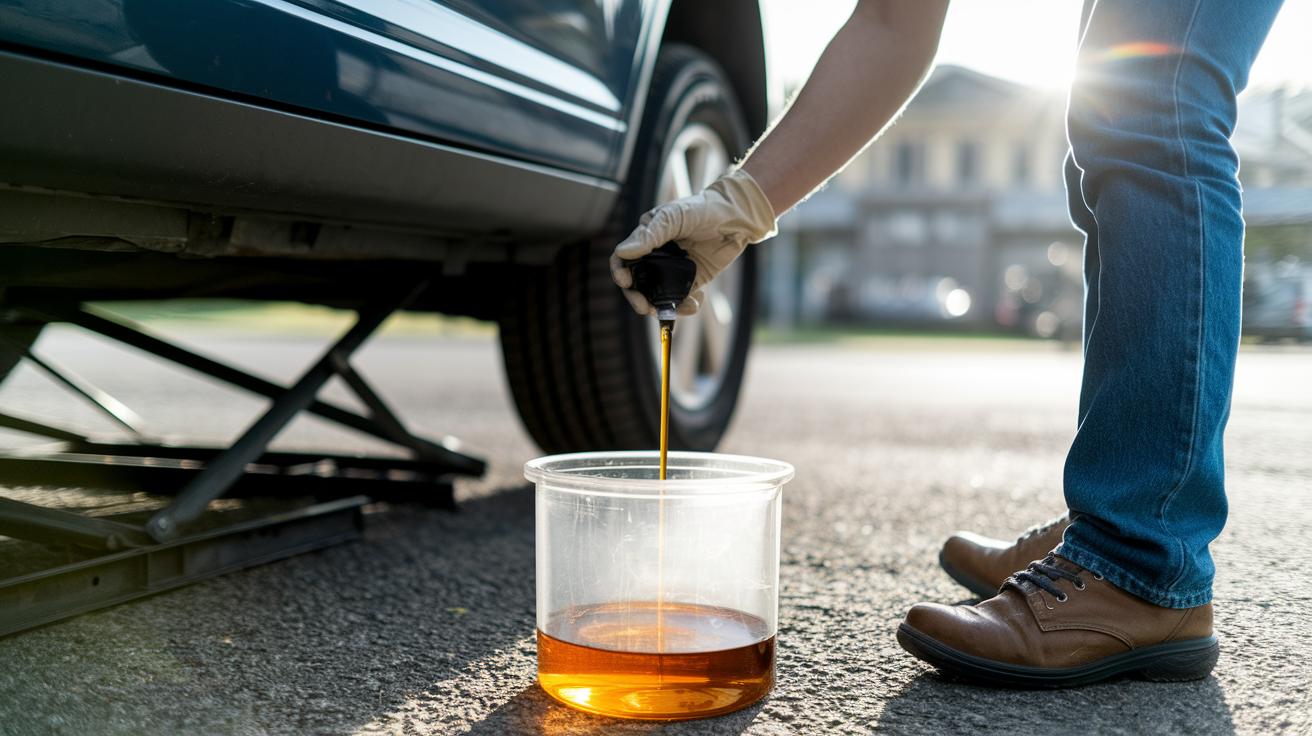
Before you dive into an oil change, give your engine a good 15–30 minutes to cool down. This little break helps keep you safe from burns caused by hot oil or parts. Always make sure your car is steady on sturdy jack stands or ramps, never just use a basic floor jack. And when you’re working with oil, slip on some gloves and protective eyewear, just like you’d gear up for a rainy bike ride.
Next, gather all the used oil and filters in a secure, leak-proof container. Think of it like storing leftovers in a tightly sealed jar so nothing spills over. Many auto parts stores and service centers happily take these containers for recycling, so make use of the programs they offer. And don’t forget: never dump used oil down a drain or onto the ground. Stick to your local environmental guidelines to keep our community and nature safe. This smart approach not only keeps you secure but also plays a big part in responsible oil disposal.
Benefits of Regular Car Engine Lubrication Maintenance
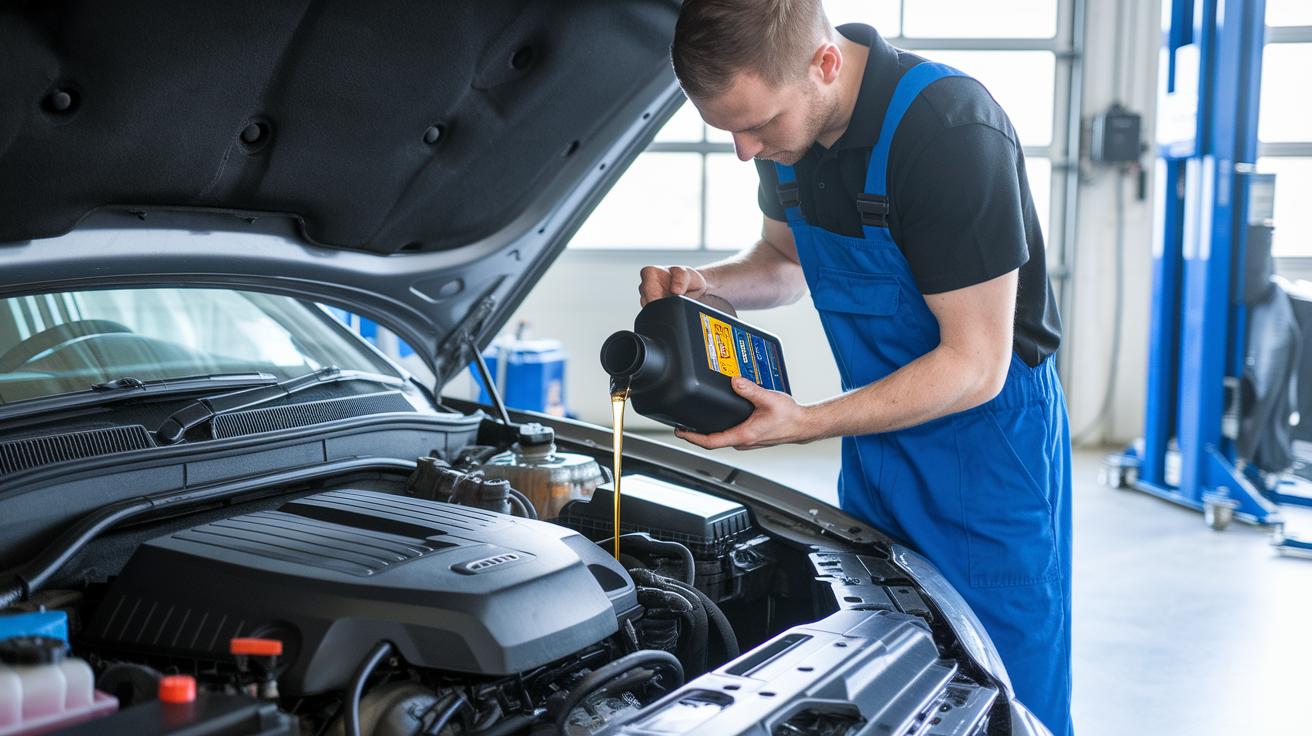
Ever notice how a musician tunes their guitar before a big show? Your engine needs that same kind of care. Regular oil changes give your engine a tune-up, making sure every part gets the right amount of smooth, clean oil. Fresh oil doesn’t just keep things quiet, it can help your car run a little more efficiently, saving you a bit on gas over time.
Think about it like this: when your engine has fresh oil, it runs smoother and keeps wear and tear at bay. It’s like giving your engine a refreshing drink on a hot day, cleaning away impurities that could cause sludge buildup. Every component in your engine gets a little love, and that means everything works better.
- Boost your fuel economy by up to 2–5%
- Lower engine wear and guard against sludge buildup
- Give your engine a longer, healthier life
- Keep your warranty and resale value in good shape
Routine oil maintenance is like a health check-up for your car. It offers just the right blend of lubrication, cooling, and cleaning to help your engine’s moving parts work their best. In simpler terms, a quick oil change now can mean a smoother, safer drive later, kind of like taking care of yourself so you can enjoy the ride of life.
Car Oil Change: Smooth and Simple

Ever wondered if you can simply top off your oil instead of getting a full change? It might seem like an easy fix, but it actually muddles your oil with unwanted gunk and weakens the special ingredients that keep your engine happy. Imagine adding water to a full-strength smoothie, you lose that rich kick and all the good stuff.
So, what’s the real difference between regular motor oil and synthetic oil? Regular oil has basic additives, while synthetic oil is built with extra-helpful ingredients that even clean out tiny impurities. It works a bit like choosing a top-notch computer over a basic model, it runs smoother and lasts longer, sometimes stretching up to 15,000 miles before needing a change.
How can you tell when it’s time to change your oil? The easiest way is to check the oil-life indicator, keep an eye on your mileage, or simply take a peek with a dipstick. If your oil looks dark or feels gritty, that’s your cue, kind of like noticing when your favorite drink has lost its freshness.
And what about doing it yourself, can a first-timer handle an oil change? Absolutely, if you have a few basic tools like a jack, an oil-filter wrench, and a dipstick. With a bit of guidance from those handy online model-specific guides, even beginners can smoothly change their own oil, just like following an easy, step-by-step recipe.
Final Words
In the action, our guide breaks down a simple and safe five-step process for a successful car oil change. We covered everything from gathering the right tools and checking oil type to weighing DIY versus professional service options, cost comparisons, and proper oil disposal methods.
We even highlighted the lasting benefits of regular engine care. Keep these tips in mind to boost your confidence and expertise every time you perform a car oil change. Here’s to smooth rides ahead!
FAQ
How often should car oil be changed?
The oil change frequency follows your owner’s guide. Conventional oil may be replaced every 3,000–5,000 miles, while full synthetic often lasts 10,000–15,000 miles.
What is the average cost of a car oil change?
The average oil change cost depends on the oil type. Conventional oil typically costs $35–$55, synthetic blends run $50–$80, and full synthetic ranges about $75–$120.
Can you change car oil yourself?
Changing your oil yourself is feasible with the right tools and a step-by-step guide. DIY oil changes can save money while giving full control over your oil and filter brands.
How much should an oil change service cost?
A proper service generally aligns with industry averages, with costs varying by oil type, filter quality, labor rates, and service specials in your area.
Where can I find affordable oil change deals near me?
Local auto service centers, quick-lube chains, and online coupon sites offer budget-friendly oil change specials. Check for promotions on reputable centers like Walmart or local shops.
What are the differences among brands like Take 5, Walmart, Valvoline, and Midas?
These brands differ in pricing, service packages, and convenience. Compare local reviews and current specials to find the best match for your budget and service needs.
How much is Walmart’s full synthetic oil change?
Walmart offers competitively priced full synthetic oil changes. The exact cost varies by location and any current promotions, so checking local rates is the best approach.
Are synthetic oil changes available near me?
Many service centers offer synthetic oil changes that provide longer performance intervals. Check local shops and mobile mechanics to see if full synthetic services are near you.