Guides
Tips For Test Driving A Car: Boost Confidence
By jamesdimon
September 16, 2025
Field Notes

Ever left a test drive wondering if you caught every little detail? When you're behind the wheel, you really get the feel of the car – its smooth ride, cozy comfort, and safety features that pictures just can’t show you.
In this guide, you'll find easy, practical tips to boost your confidence and help you choose the best car for you. We’ll chat about everything, from planning out your route to keeping an eye on those small, important details that really matter.
Ready to turn a simple spin into a smart, confident decision? Let’s dive in and make every test drive count!
Maximizing Your Test Drive with Essential Tips for Test Driving a Car

Test drives give you a real feel for a car that pictures and reviews never can. When you sit behind the wheel, you pick up on those small differences in comfort, the way it handles, and its overall performance. And let's be honest, when you're about to drop thousands of dollars, you want to know exactly what you're getting.
Before you even head out, do a bit of homework. Look up different models and trims to see what sets them apart, sometimes features aren’t obvious from specs alone. Check out handy driver-assist tools like blind-spot alerts and lane-keeping aids to see how they work in action. You might even want to peek at some broader car buying tips for extra insights. And if you can, take the car on the highway above 55 mph. This is when you'll notice how it behaves at higher speeds, making it easier to compare vehicles and choose the best one.
During your drive, keep an eye (and feel) out for things like overall comfort, steering precision, how well the brakes perform, and all the safety features. Notice how quickly the car accelerates, how gently it brakes, and how it stays steady in turns. These firsthand experiences give you a clear picture of the car's real performance, helping you know if it's the right fit for you.
Preparing for Your Test Drive: Planning Routes and Safety Checks

Pick a weekday morning for your test drive so you can avoid busy lots and crowds. When you book an appointment at the dealership, they’ll have the car ready and freshly fueled for you. This smart timing means you can take your time checking out the car without worrying about long lines or pushy salespeople.
Bring along some everyday items to see how well the car fits into your routine. Whether it’s a child seat, a suitcase, or your golf clubs, packing a few things helps you test the space in the trunk and cabin. It’s kind of like trying on shoes, you want to make sure they’re comfortable and practical for daily use.
Plan to drive the car under a few different conditions. Take it through busy city streets, let it cruise on the highway, and test out parking in tight spots. Aim for at least 45 to 60 minutes behind the wheel. You might even break the drive into a couple of sessions to really get a feel for everything the vehicle has to offer.
Inspecting the Vehicle: Comprehensive Walk-Around Checklist for Test Driving a Car

Before you drive off, give the car a good once-over. Spending just a few extra minutes checking its exterior can save you from unpleasant surprises later, think of it like a pre-flight check for your ride. It’s quick, simple, and really important.
- Body panels and paint look even
- Door gaps and seals are consistent
- Headlights and tail lights are clear and properly aligned
- Windshield and wipers are working well
- Tire tread depth and pressure are spot on (for more details, check out smart tire technology)
- Fluid levels in the reservoirs are visible
- Mirrors have a full adjustment range
- No leaks or obvious damage under the car
Imagine spotting a tiny dent or scratch that might seem small but could cause issues over time. When your headlights and tail lights align perfectly, they boost your safety and hint that the car has been well looked after. A clear windshield and responsive wipers mean you’ll have a better view during rainy drives, which makes you feel more in control. Checking the tires and fluids helps you know the car’s grip and readiness for any road challenge. All in all, this checklist turns your test drive into a thorough check-up, leaving you confident and informed about your next vehicle.
Evaluating Vehicle Performance: Acceleration, Braking, Suspension and Handling Review

When you take a car for a spin on the highway, you really get to feel what it's all about. Cruising at over 55 mph lets you notice how fast it picks up speed, how quickly it stops, and if it feels balanced on the road. Sometimes you might sense a tiny lag when you hit the gas, which could mean the engine isn’t as sharp as it should be. And when you test the brakes by slowing from 25 mph to a full stop in a safe spot, you might catch differences that specs on paper just can’t show. Going over a few bumps or potholes reveals how well the suspension works, while quick lane changes and tight turns let you see if the steering feels smooth and on point.
| Parameter | What to Observe |
|---|---|
| Acceleration | Throttle lag, turbo spool, shift times |
| Braking | Pedal feel, stopping distance, ABS activation |
| Suspension | Ride smoothness, noise over bumps |
| Steering | Response speed, feedback, centering |
| Handling | Body roll, stability in corners |
Looking at these clues can help you compare different cars with ease. If a car has almost no delay when you press the gas and shifts gears smoothly, it usually means you’re in for a refined engine feel. Likewise, a braking system that feels firm yet comfortable, along with precise steering, builds trust that the car is well-tuned. And when the suspension smoothly handles every bump, you know it’s ready for both everyday driving and long journeys. Testing on the road like this gives you real, practical info so you can choose the car that fits your style and needs just right.
Assessing Comfort and Features During Your Car Test Drive

When you get in, check out the seats and controls. Sit down and feel the cushion and back support to see if they suit your body. Adjust the seat and backrest to make sure you’re comfy on long drives. Play with the pedals and controls to get a real feel for them. Ask yourself, “Will I be comfortable during my daily commute or on a long trip?” Imagine fitting a child seat or a heavy suitcase in the space to get practical clues about the layout.
Next, try out the infotainment system. Tap around on the touchscreen to see if it responds quickly and if the menus flow smoothly. Pair your phone with Bluetooth to ensure it connects without a hitch. Turn the climate system up and down, and listen carefully to the fan noise while checking the airflow. Finally, test the audio system by playing your favorite song at highway speeds to hear if everything is crystal clear. These hands-on checks help make sure the car’s tech and comfort features match your driving style.
Spotting Potential Issues: Mechanical Red Flags on a Test Drive

When you're test-driving a car, make sure you listen carefully for any knocking or ticking sounds coming from the engine, whether the car is idling or under load. Those little noises are like the car's way of whispering secrets about its inner workings, details that photos or reviews might miss. And if you notice any hesitations or a clunk during gear shifts, that could be a sign something's up with the transmission. Don’t forget to keep an eye on the dashboard; any warning lights might be hinting at hidden problems that could impact the car's overall performance.
After your drive, take a minute to pop under the car and check for any fresh fluid leaks. A quick glance can show if any fluids are escaping when they shouldn’t be. Also, give the wipers a test run to ensure the windshield is left completely streak-free. Catching these red flags early not only gives you a clearer picture of the car’s condition but also helps you avoid costly surprises down the road.
Next Steps After Your Drive: Questions to Ask and Negotiation Tips
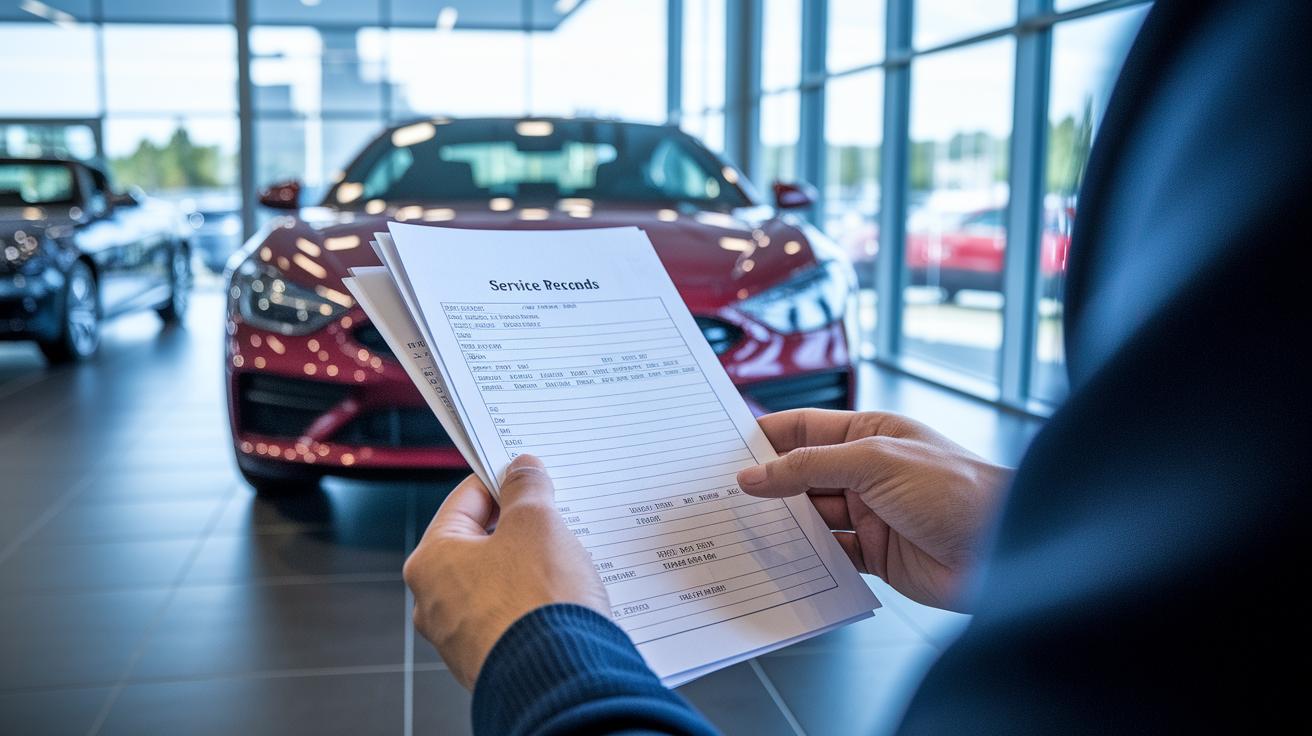
After your test drive, it’s smart to ask a few simple questions. First, check on the car’s full service history. Next, ask if it’s been involved in any accidents or had major repairs. Then, see if there’s any factory warranty still in play. And finally, compare the fuel economy you experienced with what was promised. These questions help you dig into the car’s past and uncover any hidden issues. If something felt off during your drive, don’t hesitate to ask for another test session.
Now, use the answers you get as a bargaining chip when it comes to setting the price. If you find out that the service records are incomplete or the fuel economy is lower than expected, that’s a clear sign to negotiate for a better deal. Your own notes on how the car performed and felt are powerful tools that can boost your confidence and strengthen your position as you move forward with your decision.
Final Words
In the action, our guide walked through planning your test drive, checking key details like scheduling, personal item use, and a solid walk-around review. We also covered vehicle performance tests, interior comfort checks, and spotting potential issues that might raise red flags.
Remember, following these test drive insights and tips for test driving a car puts you in a better spot to make smart choices and feel more confident behind the wheel.
FAQ
What are some test driving tips mentioned on Reddit?
The Reddit tips for test driving a car suggest planning ahead, checking both the vehicle’s features and condition, and asking clear questions to build confidence and enjoy a stress-free drive.
How does feeling nervous about test driving affect the experience?
Feeling nervous about test driving is normal. Preparing by learning about the car’s features and planning your route can help reduce anxiety and make the drive more enjoyable.
What should I look for when test driving a used car?
Looking for signs of wear and tear, checking fluid levels, testing performance, and observing warning lights are key when evaluating a used car during a test drive.
How can I test drive a car without committing to a purchase?
Testing a car without buying means scheduling an appointment, taking a thorough drive that covers different conditions, and asking questions about the vehicle’s history and performance without feeling pressured.
What are the best practices for test driving a car at a dealership?
At a dealership, best practices involve booking an appointment, confirming the car is ready to drive, and using the test drive to check key safety and performance features while asking detailed questions.
What questions should I ask during a test drive?
Essential questions include inquiries about service history, previous repairs, warranty details, and fuel economy estimates—all helping you understand the vehicle better.
What does a new car test drive checklist include?
A new car test drive checklist typically covers safety checks, feature evaluations, performance observations, and overall comfort assessments to ensure you capture every important detail.
How long should a test drive last?
A test drive should last about 45 to 60 minutes so you can assess the car in different driving conditions like city traffic, highways, and parking situations.
How should I prepare for a test drive?
Preparing for a test drive involves researching various models, scheduling an appointment, packing any personal items needed for fit checks, and planning diverse routes to test all driving conditions.
How do I pass my driving test on the first try?
Passing your driving test requires plenty of practice, calm and focused preparation, and familiarity with the test area, separate from evaluating a car’s performance during a test drive.