Guides
Car Buying Tips Fuel Smart Savings
By milesteller
September 8, 2025
Field Notes
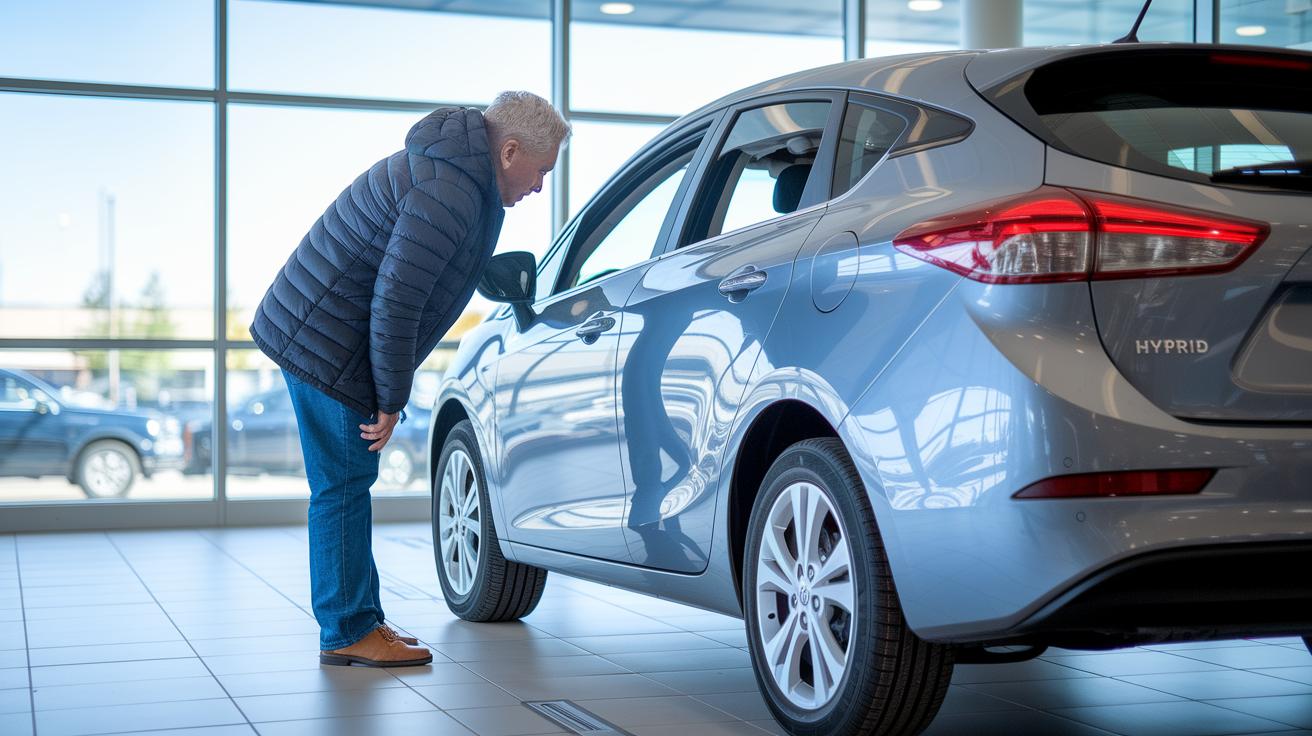
Ever noticed how some people score amazing car deals while others end up paying way too much? It all comes down to a little planning. Think of budgeting like mapping out your route before a road trip, every turn matters and every cost counts. When you know your limits, those extra fees don’t seem as intimidating, and you’re more likely to steer toward better deals.
In this guide, we're diving into a few simple tips that help you make smart choices. That way, you can get behind the wheel feeling confident and totally in control.
Comprehensive Budget Planning and Negotiation for Car Buying

Planning your budget is a lot like planning a fun road trip. Since most new cars cost around $30,000, it helps to know your spending limits and set a clear down payment from the get-go. Imagine you’re mapping your route, you need to know where you begin and how far you can go. I remember a buyer who counted every cent before starting his car collection; every dollar was carefully planned to work toward his dream ride.
When it comes time to negotiate, things often move to the Finance and Insurance section where the final price is set. This is where your prepared budget becomes your secret shield. Using simple tactics like checking dealer invoice prices (what the dealer actually paid) and comparing quotes from trusted sources can help you dodge the extra fees that often pop up. Dealerships may try to slip on extras during the final paperwork, so knowing your numbers keeps you firm on the price you want.
Here’s a quick checklist to keep you on track:
| Step | Action |
|---|---|
| 1 | Figure out your total funds and set a down payment goal |
| 2 | Check dealer invoice vs. MSRP using online tools |
| 3 | Gather at least three competitive quotes |
| 4 | Time your purchase for end-of-month or end-of-period deals |
| 5 | Avoid models with extremely limited supply |
By pairing a well-planned budget with smart negotiation moves, you set yourself up for a confident car buying experience. Knowing your limits not only helps you dodge unnecessary extras but also gives you the power to walk away if the deal isn’t right. In the end, you secure a fair price while driving away with the satisfaction of having made a smart choice.
Market Price Research Strategies for Car Buying
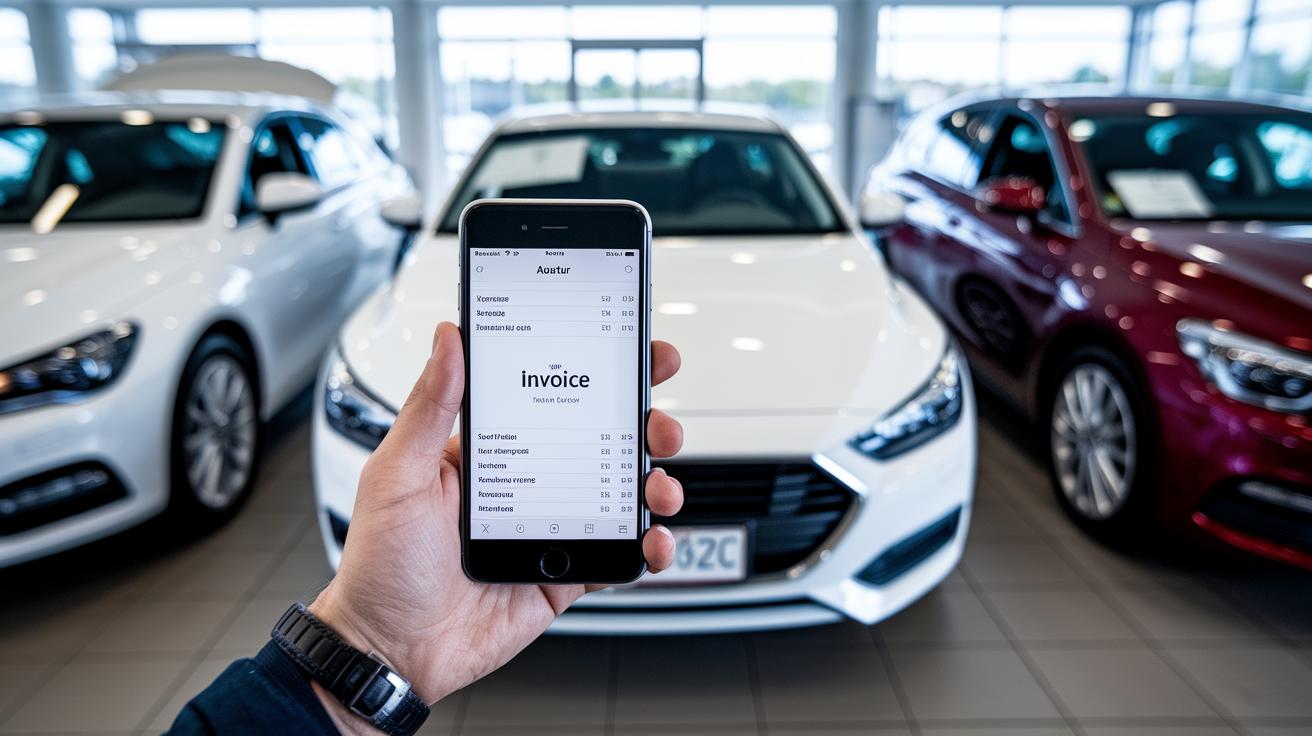
When you're shopping for a car, doing a little homework on the pricing can really give you an edge. It's like checking under the hood before you hit the road. Knowing the difference between what the dealer actually paid (the invoice) and the car's sticker price (the MSRP) helps you see where there's room to negotiate. And when you keep an eye on seasonal deals, you're less likely to be caught off guard. Ever notice how spotting that gap makes you feel like you’ve unlocked a secret shortcut to a better deal?
Here's a handy checklist to keep in mind:
| Step | What to Do |
|---|---|
| 1 | Check the gap between the dealer invoice and the MSRP |
| 2 | Look for seasonal rebates and special incentives |
| 3 | Gather at least three out-the-door price quotes |
| 4 | Review past price trends |
By collecting pricing data from trusted sources like TrueCar, RydeShopper, Edmunds, and Cars.com, you'll get a pretty clear picture of current deals and hidden discounts. When you compare different dealerships and track how prices have changed over time, you'll start to see patterns, almost like reading the car's history. Using these insights to set a realistic target price not only boosts your confidence when talking to dealers, it also helps you avoid paying more than you need to.
Pre-Purchase Inspection Checklist for Used Car Buying
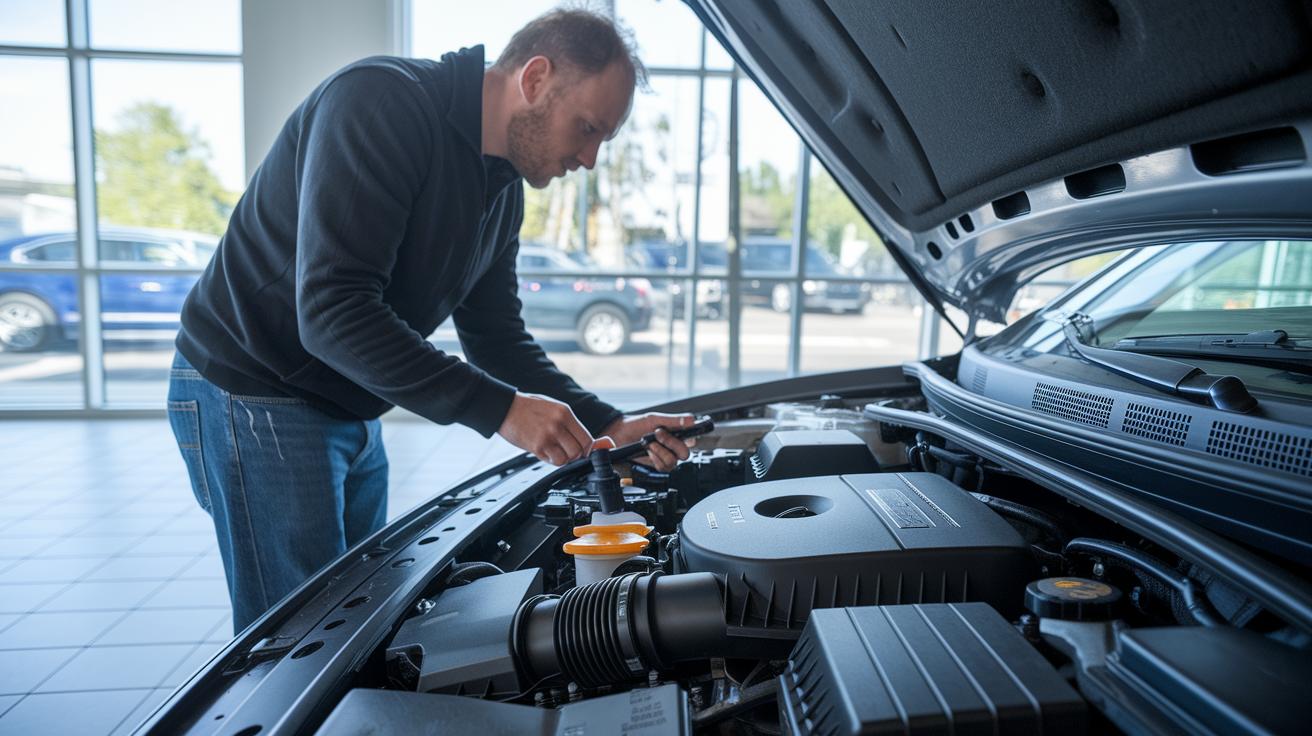
Before you decide to buy a used car, take a moment to inspect it carefully. A quick check of a few key spots can save you a lot of trouble later on.
| Inspection Area | Key Checkpoints |
|---|---|
| Engine & Fluids | Look for leaks, check the oil level, and see if the coolant is in good shape |
| Tires & Brakes | Check the tread on your tires and see how worn the brake pads are |
| Body & Frame | Look for any rust spots and make sure everything is lined up correctly |
| Interior & Electronics | Make sure the dash lights work and that the infotainment system is running smoothly |
| Test Drive Performance | Pay attention to how the steering and suspension feel |
| Vehicle History Report | Review any accident records and check the title status |
Use this checklist as a guide while you walk around the car at the dealership. Take your time checking the engine area for leaks or low oil levels, and then look over the tires and brakes to be sure you can stop safely. Also, inspect the body for rust or any signs that something isn't right, and have a quick peek at the interior electronics to catch any warning lights. Even a brief test drive can help you notice if the steering or suspension isn’t working as it should.
After doing your own inspection, it’s a good idea to have a trusted mechanic give the car a thorough look. Their expert eye can spot issues that you might miss, giving you extra confidence before you make your final decision.
Dealership Negotiation and Private Seller Tips for Car Buying

Smart negotiation is your secret weapon for great fuel-smart savings when you’re buying a car. Whether you're talking to a dealer or dealing with a private owner, knowing a few key tricks can really help you land a fair deal that fits your budget.
Dealership Negotiation Tactics
When you’re at a dealership, start by checking the invoice price, it’s like uncovering hidden rebates under the hood. This tells you just how much room there is for a discount. And, just like any good mechanic, be on the lookout. Sometimes dealers try to sneak in extra add-ons in the Finance and Insurance office, so stick with your pre-set numbers. Comparing bids from several local dealerships is a smart move too; think of it as checking different service stations for the best fuel price. Stay friendly yet confident, and don’t forget to mention your research to avoid any surprise costs.
Private Seller Bargaining Tips
When you’re buying from a private seller, double-checking paperwork is key. Ask for a clear title, make sure the VIN on the car matches the documents, and ensure the car’s history is all in order. Always meet in a safe, public spot, and be ready to offer solid cash that reflects your homework. It’s like knowing exactly what parts your car needs before you head to the shop, you’ll be less likely to overpay. Also, a quick peek at the seller’s reputation through consumer reviews can boost your confidence in making the right choice.
Bringing together these well-thought-out strategies for dealerships and private sellers means you can negotiate with confidence, secure a deal that works for your wallet, and enjoy lasting savings on your next ride.
Auto Financing Options and Credit Guidance in Car Buying
When you're exploring financing choices, it pays to compare loans from banks, credit unions, and even dealer finance departments. Each one brings its own terms and interest rates, and getting preapproved tells you what you can truly afford before you even step onto the lot. It’s like scouting out the best pit stop on a long drive, you know your options and can pick the best one for your journey.
Want to save more money? Boosting your credit score can really help. Even a small improvement might drop your interest rate by a point or two, saving you cash over the life of your loan. Take time to shop around for rates from reliable sources, and if you're new to the process, check out a First Time Car Buyer guide for handy tips. Keeping an eye on your credit and comparing offers not only reduces your costs but also builds your confidence in making smart financial choices.
A larger down payment is another solid move. By putting more money down at the start, you lower the total interest you’ll pay and may even unlock better loan terms. This approach cushions you against surprises when rates change and keeps your monthly payments in check. For more easy-to-follow advice, the New Car Buying Guide offers additional insights to help you plan your down payment strategy.
Trade-In Value Appraisal and Ownership Costs in Car Buying
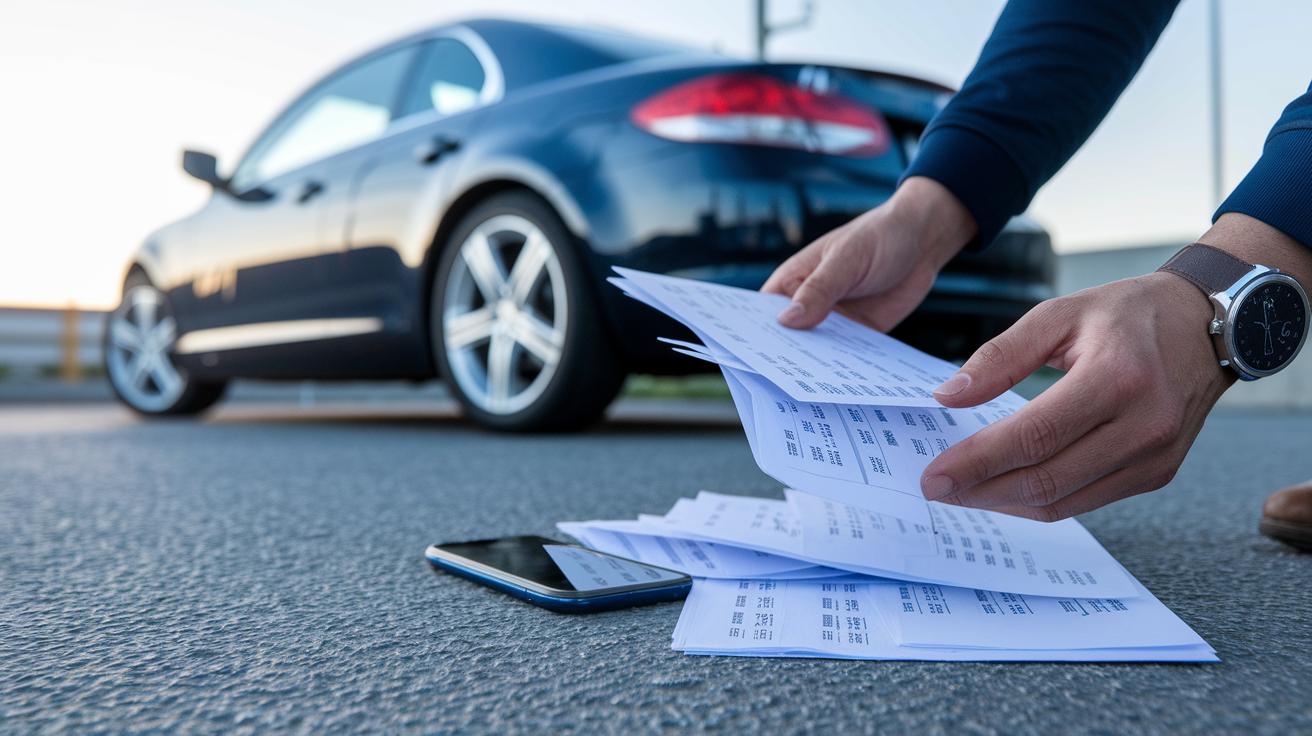
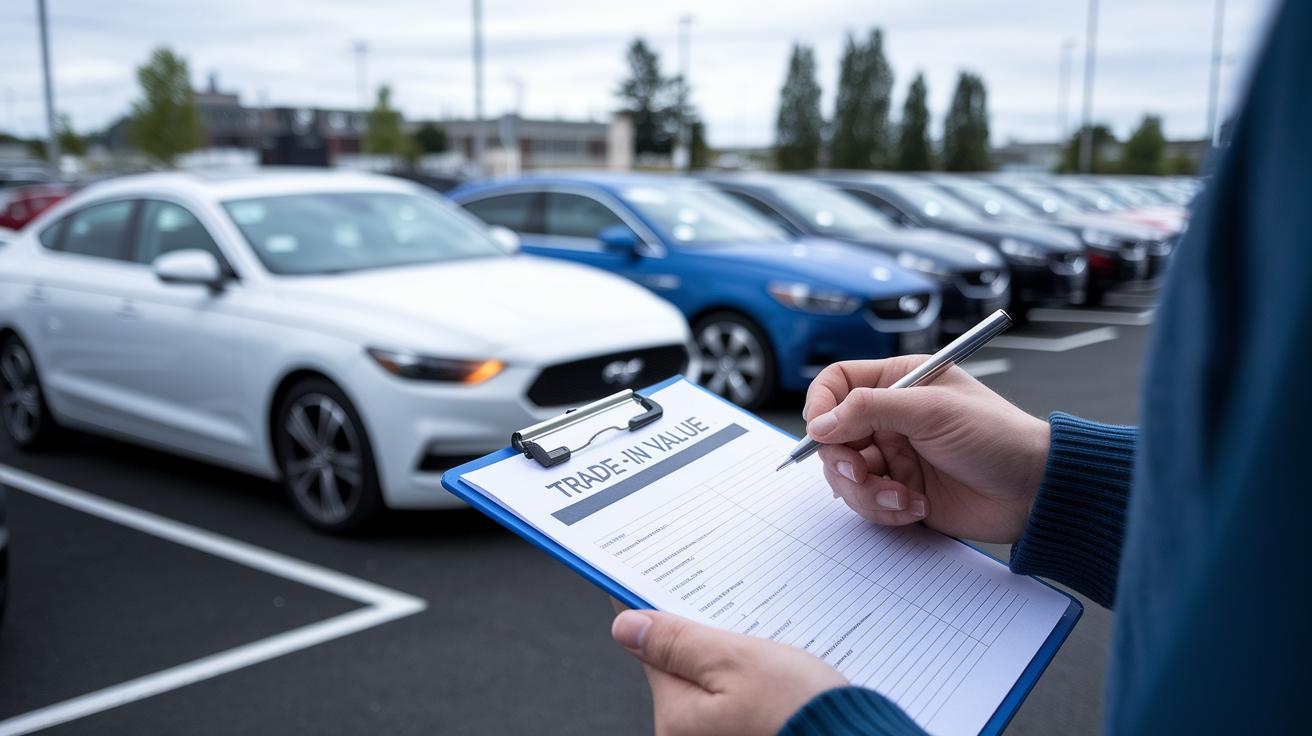
First, get your trade-in ready to fetch the best deal. Gather your maintenance records and any receipts from recent repairs to show your car’s health. Try checking tools like Kelley Blue Book for a realistic price based on your car’s condition and mileage. Think of it like piecing together a puzzle, each oil change, tire replacement, or brake service helps prove your car's well cared for, giving you a stronger hand when you negotiate.
Next, break down every cost of owning your car to see the full picture. It’s like listing all the expenses needed to keep your ride in tip-top shape. Include things like the yearly drop in value (often 15-20% in the first year), plus your insurance, gas, regular service, and even registration fees. Doing this helps you plan your monthly budget and avoid surprises later.
Warranty Evaluation and Extended Service Contracts in Car Buying
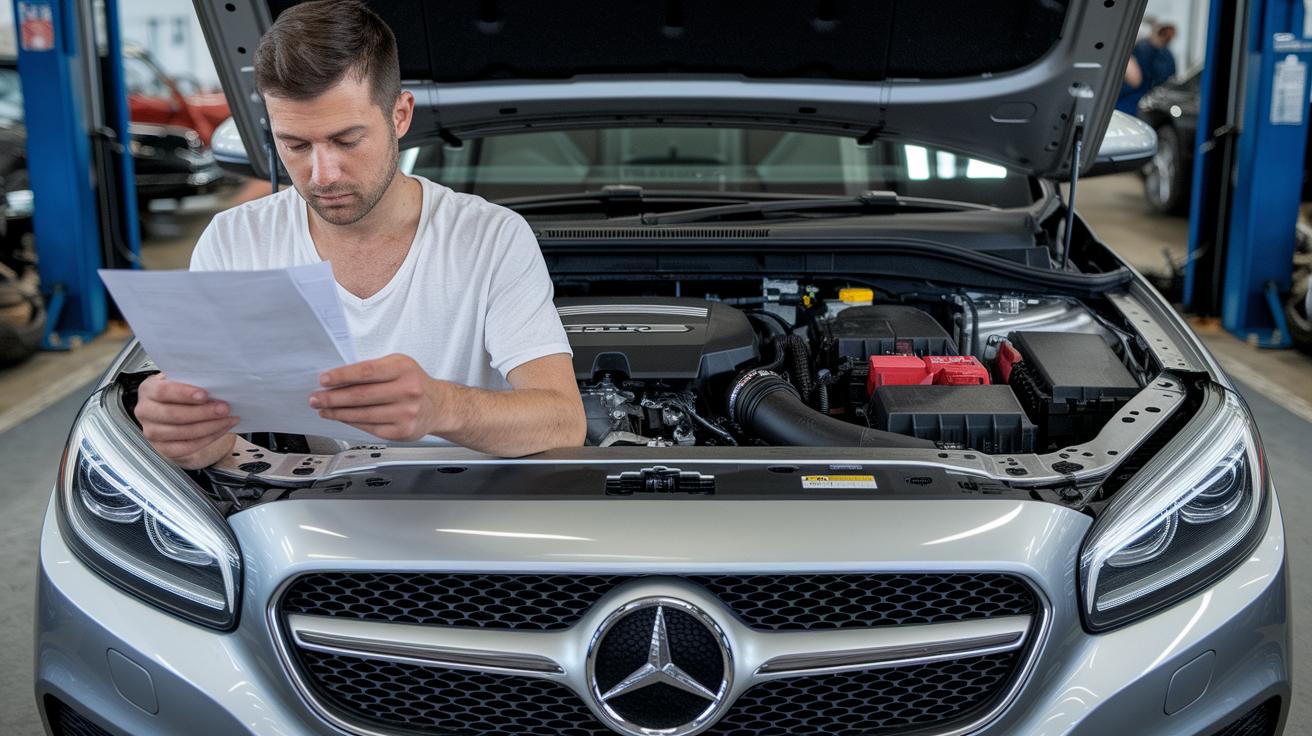
Factory warranties usually last about 3 years or 36,000 miles, covering your car's main engine parts and giving you a basic bumper-to-bumper promise without any extra cost. It’s kind of like when your favorite mechanic gives you a knowing nod after a checkup. Extended service contracts can add another 2 to 5 years of protection, helping cover repair costs that might pop up after the factory warranty runs out. They typically focus on the engine or offer a broader range of repairs. Think about it like adding extra airbags, more coverage for extra peace of mind.
When you’re mulling over your options, compare the extra cost of these contracts to what you might actually spend on repairs later. And don’t skip over the fine print! Look up the details on cancellation rights and understand exactly which parts of your car are covered and any limits on service. It might be a smart move to have a trusted expert review the contract if anything seems confusing about the legal bits.
Fuel Efficiency and Environmental Factors in Car Buying
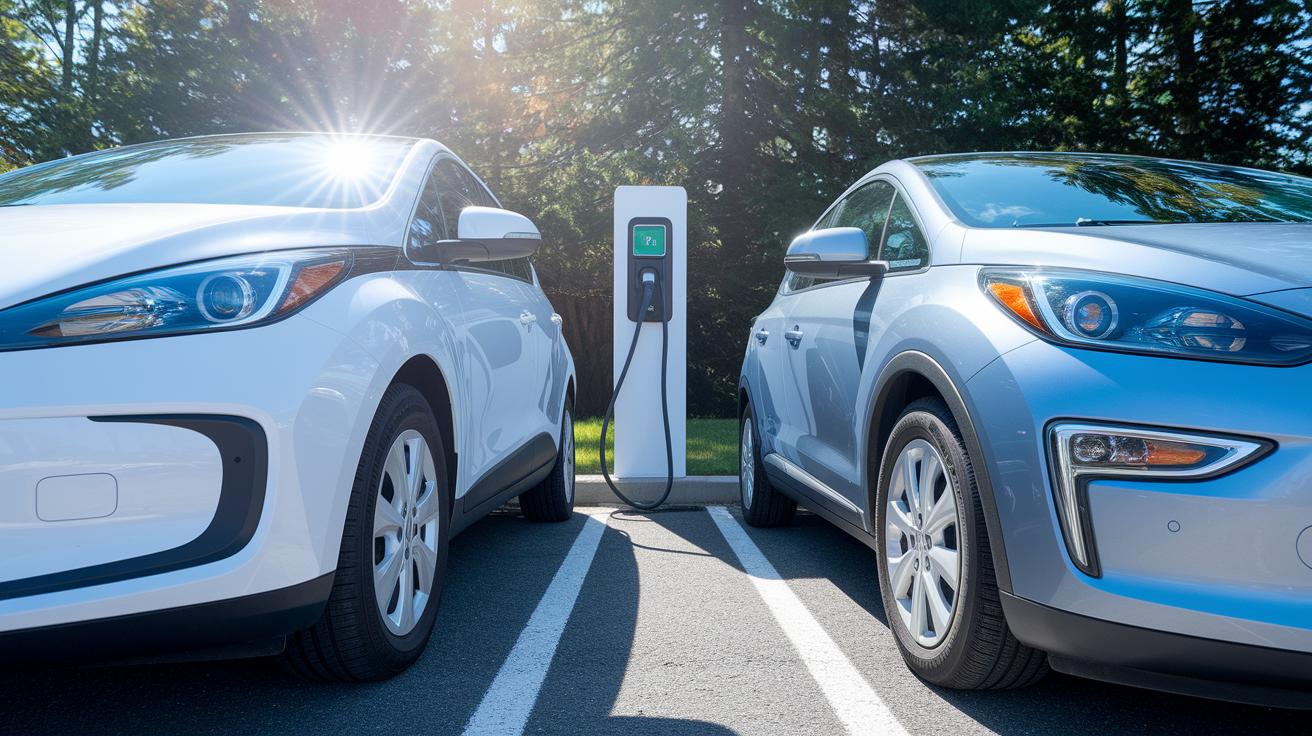
When you're comparing cars, checking out the EPA ratings for combined MPG is a smart move. A car with a high MPG means fewer visits to the gas station, saving you money over time. Hybrids, for instance, can give you about a 20–35% boost in fuel efficiency over regular engines. And if you're looking at a plug-in EV, you'll enjoy a quieter ride and lower emissions. It’s like giving both your wallet and the planet a little break.
Now, imagine this: some plug-in EVs can even qualify for federal tax credits of up to $7,500. That rebate really helps lower the overall cost of the car. Plus, if you go with an efficient model, you might save anywhere from $500 to $1,000 every year on fuel. So not only do you invest smartly in a car that’s kind to the environment, but you also reap long-term savings. Isn't it great when you can make a choice that benefits both you and nature?
Final Words
In the action, you explored how a solid budget plan paired with smart negotiation, detailed market research, and careful inspections leads to more confident vehicle decisions. Each section showed practical steps, from crunching numbers, checking financing options, and evaluating warranties, to comparing fuel efficiency, and taught effective car buying tips that simplify complex processes.
Keep these insights handy to boost your confidence and enjoy a smooth ride toward your next car purchase.
FAQ
Q: Car buying tips reddit
The car buying tips shared on Reddit focus on community advice such as careful budgeting, market research, and verifying vehicle history. This guidance helps buyers make smart decisions and secure a great deal.
Q: Used car buying tips
The used car buying tips emphasize reviewing vehicle history reports, having a thorough pre-purchase inspection, and checking maintenance records to avoid hidden issues and ensure reliability in your purchase.
Q: Car buying tips for beginners / First time car buying tips
The car buying tips for beginners suggest setting a clear budget, researching dealer offers, and asking critical questions. This approach builds confidence and helps first-time buyers navigate the process smoothly.
Q: Car buying tips at dealership
The car buying tips at a dealership involve asking questions about price breakdowns, financing options, and extra fees. Knowing these details helps you negotiate transparently and secure a favorable deal.
Q: Car buying tips spreadsheet
The car buying tips spreadsheet is a useful tool to organize your budget, track quotes, and compare offers from different dealers, making it easier to evaluate costs and manage your purchase effectively.
Q: What to ask when buying a new car from a dealership
The question about what to ask when buying a new car encourages inquiring about dealer invoice pricing, financing terms, warranty details, and any additional fees. This ensures you have complete information before finalizing your purchase.
Q: What is the 20% rule when buying a car?
The 20% rule when buying a car suggests putting down at least 20% of the car’s price. This strategy reduces the loan amount, helps secure better financing terms, and keeps monthly payments manageable.
Q: What are 5 tips to use when buying a car?
The five tips include setting a realistic budget, researching market prices, obtaining multiple quotes, preparing for negotiations, and choosing financing that aligns with your financial situation to make an informed purchase.
Q: What is the 30-60-90 rule for cars?
The 30-60-90 rule for cars means evaluating price segments to decide on affordability and timing. It helps buyers break down costs into tiers, ensuring each part of the purchase falls within a reasonable budget.
Q: What is the 35 rule for buying a car?
The 35 rule for buying a car suggests keeping your total car expenses below 35% of your monthly income, ensuring that your purchase remains financially manageable while maintaining overall budget balance.