Maintenance
Car Maintenance Cost: Smart Savings Simplified
By milesteller
February 1, 2025
Field Notes
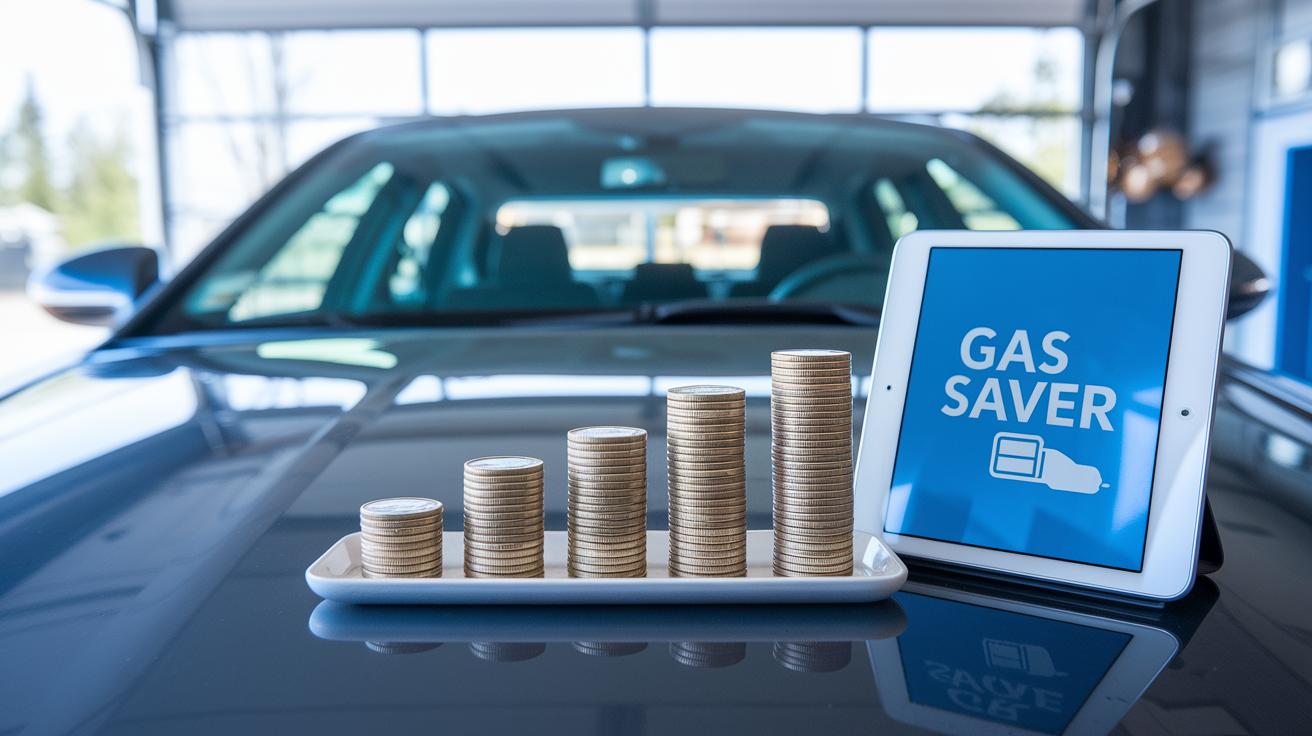
Ever wonder why keeping your car in shape can feel like cracking a secret code? You’re not the only one. A lot of drivers worry about costs and wonder how to maintain their ride without emptying their wallet. Regular check-ups and a bit of planning can really make a difference. Setting aside a little money each month might seem tiny, but it covers both routine fixes and those unexpected surprises. Hang on, and I'll share some friendly tips on building a savings habit so you can drive with confidence and keep your car humming along smoothly.
Breaking Down Car Maintenance Costs: What to Expect

When you hit the road these days, keeping track of car maintenance might seem like one of those adulting tasks that can sneak up on you. Typically, you can expect to pay about 9.68 cents for every mile you drive. So if you're clocking in 15,000 miles a year, that comes out to roughly $1,452 in maintenance and repairs. It’s a neat way to set your expectations for what you’ll need to keep your car running smoothly.
Experts usually suggest planning on at least $50 a month for regular fixes and surprise repairs. Some even recommend stashing away closer to $100 every month. It’s like having a little safety net to cover both the scheduled check-ups and those unexpected hiccups that might otherwise put a dent in your wallet.
Keep in mind that what you end up spending can really vary. The make and model of your car, where you live, how you drive, and even yearly price increases all play a part. For instance, a luxury ride in a big city can cost a lot more to maintain than a standard car in a small town.
And here’s a friendly heads-up: without a set-aside fund for maintenance, about one-third of U.S. drivers could find themselves in debt when major repairs pop up. Planning ahead means you’re less likely to have those big, unexpected bills catch you off guard.
Routine Car Maintenance Cost Estimates
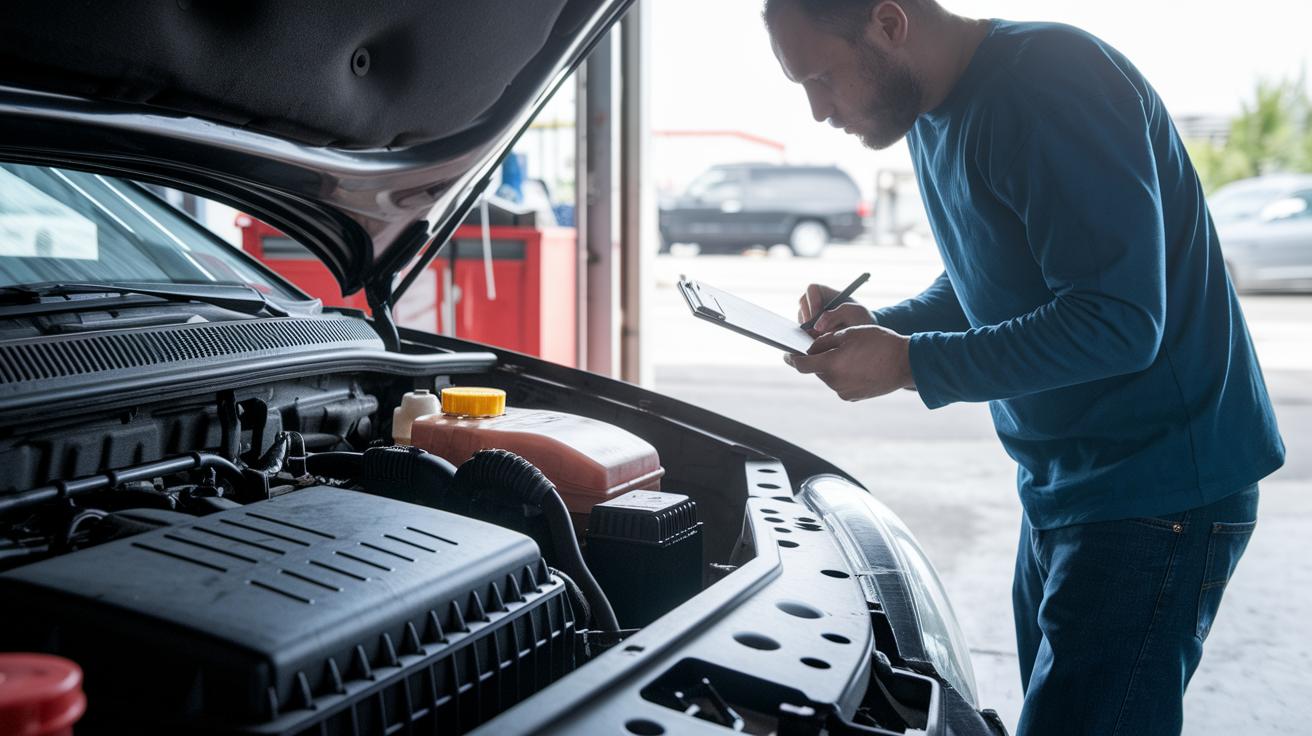
Keeping your car running smoothly is all about regular care. Here’s a friendly guide that shows you when to schedule common services and what they might cost, so you can plan ahead without any surprises.
-
Oil Change
Get your oil changed every 3,000 to 7,500 miles. Standard oil typically costs between $35 and $75, while synthetic oil can run from $65 to $125. Check out our Car Oil Change guide for more details. -
Cabin Air Filter Replacement
Swap out your cabin air filter roughly every 15,000 miles. For basic models, expect labor to cost between $20 and $50, though luxury or high-performance cars might push that total close to $100. -
Tire Rotation
A tire rotation every 5,000 miles helps keep your ride smooth. This service usually costs between $60 and $132. For more information on these fees, visit our Tire Rotation Cost Guide. -
Windshield Wiper Blades Replacement
It’s a good idea to replace your windshield wiper blades every 6 to 12 months. The average price for this service is about $53 to $64. -
Brake Pads and Inspection
For brakes, aim to have an inspection every 5,000 to 10,000 miles or at least twice a year. Costs vary widely, from around $100 up to $1,000, depending on the parts needed and your vehicle’s specifications.
Following your owner’s manual and sticking to these service intervals not only saves you money in the long run but also keeps your car ready for every drive. Enjoy those smoother rides and fewer unexpected visits to the shop!
Unexpected Repair Costs and Repair Bill Breakdown
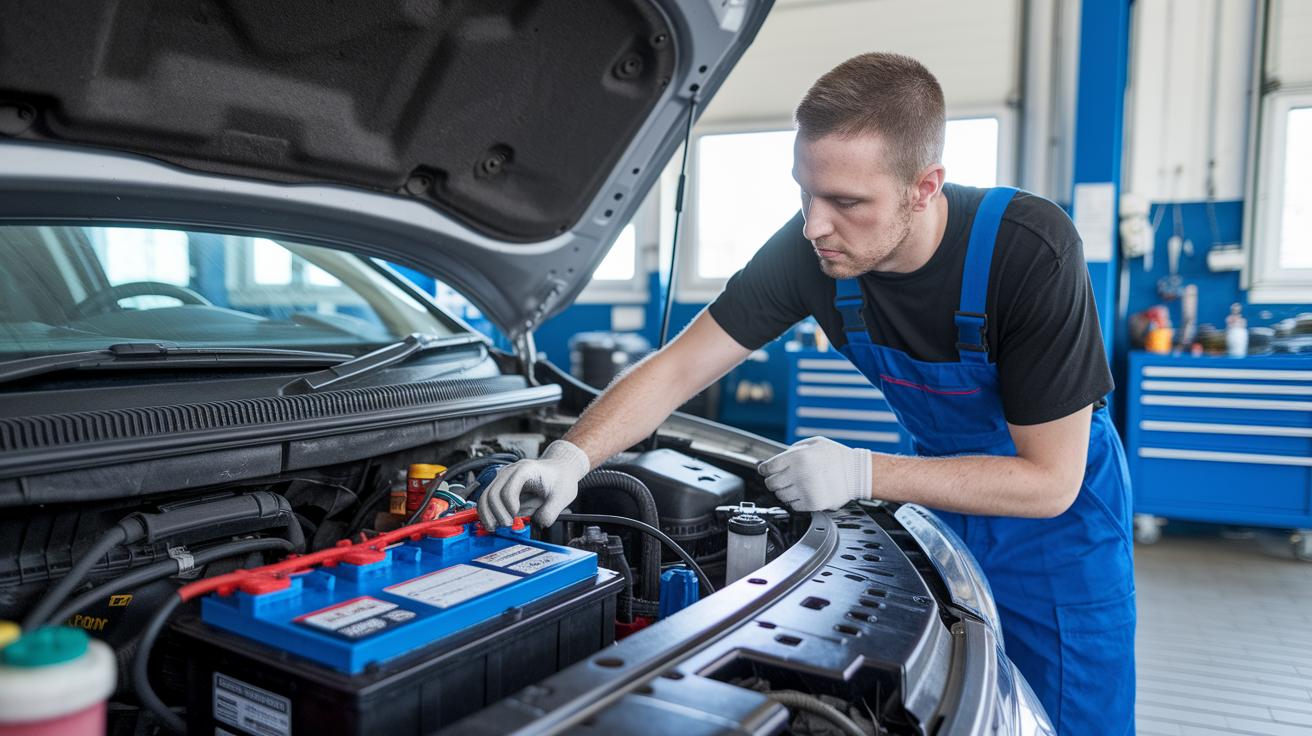
Car repairs can sometimes sneak up on you, even when you’re keeping up with regular services. Imagine driving along and suddenly finding out your battery has gone dead, fixing it might set you back anywhere between $45 and $250, depending on your car. Then there’s that flat tire; a simple fix usually costs about $54 to $64, but if the sidewall is hurt, you might need a brand-new tire. And don’t forget about the timing belt; it typically runs you between $367 and $585, yet ignoring it might lead to much bigger engine issues down the road.
Minor Repair Costs
Even the little repairs can add up over time. Battery swaps, tire fixes, and timing belt replacements might seem minor on their own, but when they all pile up unexpectedly, your repair bill can grow pretty quickly. It’s like a series of small bumps on the road that suddenly turns into a rough ride.
Major Repair Costs
Then there are the hefty repairs that can really hit your wallet hard. Take the catalytic converter, for example, replacing it can cost around $2,300, a price that has grown even more concerning since theft became a real risk since 2019. Transmission repairs or service can be even steeper, typically ranging from $2,900 to $7,100, especially if a rebuild is on the table. And if you ever face an engine replacement, brace yourself for costs between $4,000 and $10,000. Opting for rebuilt engines might ease the burden a bit, but a major repair like that really underscores the need for an emergency fund.
| Repair Type | Average Cost |
|---|---|
| Catalytic Converter | $2,300 |
| Dead Battery | $45–$250 |
| Flat Tire Repair | $54–$64 |
| Timing Belt Replacement | $367–$585 |
| Transmission Service/Repair | $2,900–$7,100 |
| Engine Replacement | $4,000–$10,000 |
Factors Affecting Vehicle Upkeep Pricing
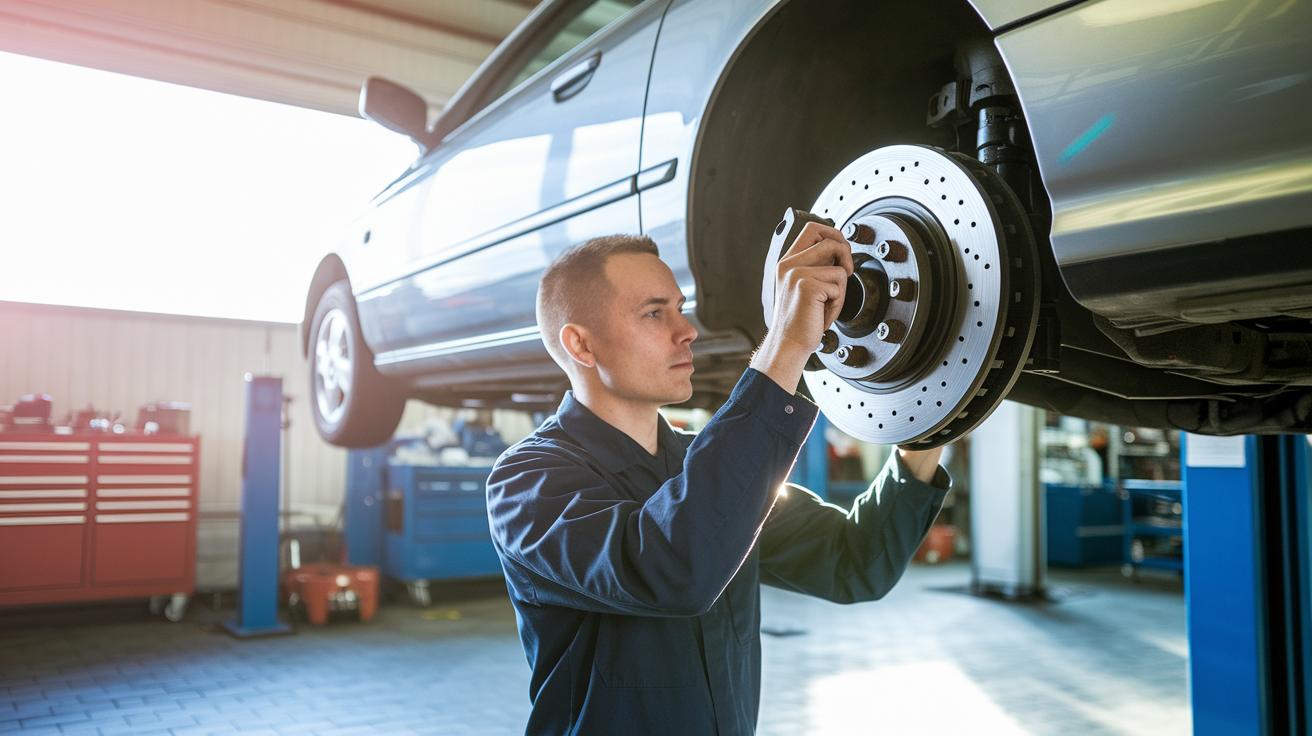
Car maintenance costs come down to a few key factors. Let’s take a closer look at five main things that can change your bill.
• Make/model
Your car’s brand and style really affect the price. Fancy or high-performance models often need more expensive parts and a bit more work. For example, swapping out premium brake pads on a luxury car can cost a lot more than doing the same job on an economy model.
• Location
Where you are matters too. In big cities or near the coast, labor costs can be higher because of the increased cost of living. In quieter, rural areas, you might enjoy lower bills for the same work.
• Driving habits
The way you drive makes a difference. If you often slam on the brakes or speed up quickly, parts like your brakes and tires will wear out sooner. This means you might need repairs more frequently.
• Part quality
The quality of the parts you choose can really impact long-term costs. You can go with top-notch OEM parts (the ones made by your car’s manufacturer) or opt for less expensive aftermarket options. While premium parts might cost more upfront, they can help prevent repeated repairs. For example, using OEM engine filters can keep your engine running smoothly for longer than their cheaper counterparts.
• Inflation
Remember, prices for parts and labor tend to rise every year. Even routine services can gradually become more expensive as time goes on.
DIY vs. Professional Service: Savings on Car Maintenance Cost
DIY Maintenance Benefits
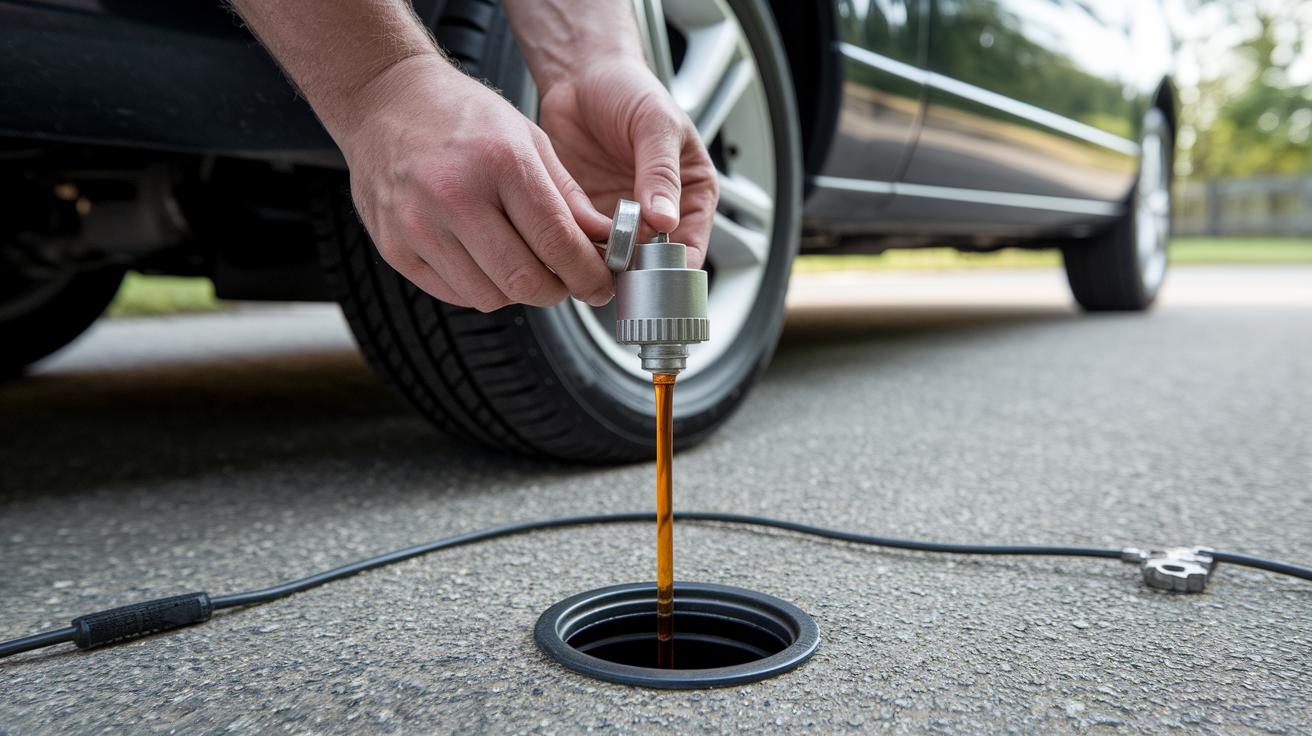
Taking on simple car tasks yourself can really cut your costs, sometimes by 30 to 50 percent compared to a shop visit. Think about it: swapping out the oil and filter, replacing the cabin air filter, or changing those tired windshield wiper blades are all projects that don’t need a lot of fancy tools. You often pay much less for parts on your own than you would for a shop’s work. And honestly, most of these jobs only need a few basic tools and a little time. Ever given oil changing a try? With a clear guide and the right gear, it’s easier than you might think. Plus, when you skip the shop, you dodge the hourly rates that can run from $75 to $150.
Professional Mechanic Advantages
That said, sometimes it makes sense to let a pro handle things. Mechanics bring a level of expertise that’s hard to beat. They use advanced equipment to quickly spot issues and even offer warranties on their work, helping you avoid what might start as a small fix turning into a big, expensive problem. And if you’re part of groups like AAA, you might even get a 10% discount on labor (up to $75) and on parts at certain shops. For many drivers, having a trusted professional work on more complicated repairs gives a lot of peace of mind, especially when safety and performance are on the line.
Budgeting Tips for Monthly and Yearly Vehicle Service Fees

-
Set aside a fixed amount each month. Consider putting away about $50 to $100 regularly for both routine upkeep and unexpected repairs. It’s like refilling your gas tank, adding a little bit each month makes sure you’re never caught off guard with a huge repair bill.
-
Build up an emergency fund for maintenance. Try to save enough to cover 3 to 6 months of your usual service costs, which usually comes out to around $500 to $1,000. Think of it as your trusty spare tire, ready to help out when a major repair suddenly comes knocking.
-
Use an online auto service fee calculator. There are some great digital tools out there that let you plug in your car’s details and recent service history to forecast upcoming expenses. It’s a bit like checking the weather before a long drive, helping you plan your budget so you know what to expect.
-
Follow your car’s factory maintenance schedule. Keep an eye on your owner’s manual or the manufacturer’s website for service intervals. Sticking to their recommended schedule is like following a well-marked map, ensuring that you spread costs out nicely and avoid any surprise, steep bills.
Comparing Dealership vs Independent Repair Expense
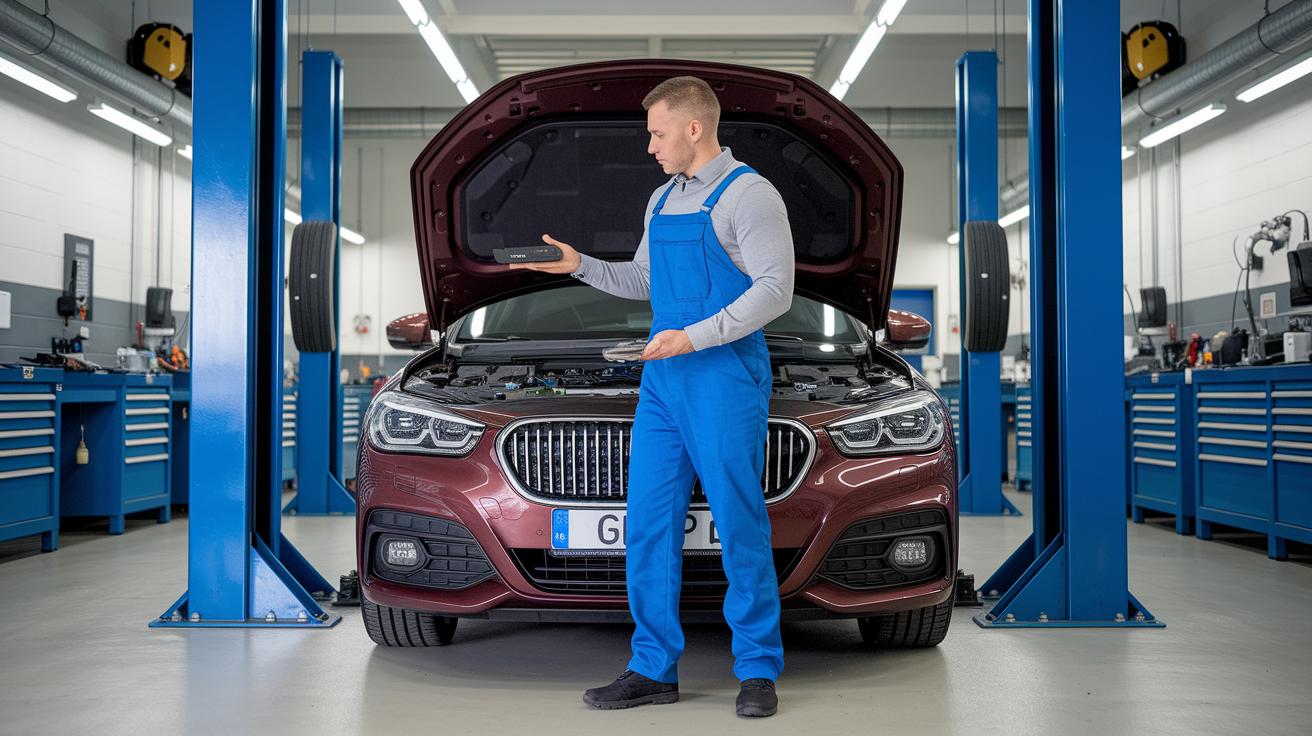
Dealerships have a solid rep for using original parts and employing factory-trained techs, but they usually charge about 20–30% extra for their top-notch labor. This means you get premium parts and service, but the bill ends up being significantly higher.
Independent repair shops, on the other hand, often come in at lower hourly rates and can shop around for parts. This flexibility might save you money, especially if you often need repairs or major work done. They might not match the uniformity of a dealership, but the reduced cost can be a big win for many budgets.
In the end, the right choice depends on the repair you need and how much risk you’re willing to handle. For everyday fixes or cosmetic work, a certified independent shop can deliver quality work for much less. Many independents even get the nod from organizations like AAA, meaning you can score discounted rates on labor and parts. It’s all about weighing the tech’s expertise against your comfort with the price.
Final Words
In the action, we explored what managing car maintenance cost looks like, from routine expenses like oil changes and tire rotations to unexpected repair bills. We broke down average upkeep expenses and highlighted factors that can shift costs, whether you're handling repairs on your own or opting for professional help.
By diving into budgeting tips and comparing service options, this article gave a clear roadmap for keeping your vehicle in top shape. Stay positive and confident in making the best decisions to secure a smoother ride ahead.
FAQ
Q: What is the typical monthly and yearly car maintenance cost, and what is the average maintenance budget?
A: The average car maintenance expense is around $50–$100 monthly, totaling roughly $1,400–$1,500 annually for a 15,000-mile driver. This budget helps cover routine services and unexpected repairs.
Q: How do car maintenance costs vary by brand, model, and luxury level?
A: Car maintenance costs differ by make and model—standard vehicles are generally cheaper, while luxury and performance cars often require pricier parts and specialized labor, raising overall expenses.
Q: How can I estimate and calculate my car’s maintenance costs?
A: A car maintenance estimator uses factors like mileage and service history to gauge costs. Online tools offer quick calculations to help you plan your budget for both routine care and unforeseen repairs.
Q: What is the cost of a full car service?
A: A full car service cost varies by vehicle and required inspections. Typically, expect to pay from around $100 to several hundred dollars, depending on labor, parts, and additional diagnostic work.
Q: Is there a free car repair estimate calculator available?
A: A free car repair estimate calculator lets you enter details such as mileage and issues to get a helpful cost approximation. This tool offers a quick snapshot to help with budgeting for repairs.
Q: What car generally has the highest maintenance cost?
A: Luxury and performance vehicles usually have the highest maintenance costs due to premium parts and specialized labor. Certain European models, for example, are known for higher upkeep expenses.