Maintenance
Car Maintenance Tips: Keep Your Car Running Smooth
By milesteller
September 16, 2025
Field Notes

Ever wonder why some drivers end up with huge repair bills while others enjoy a carefree ride? Regular car care is like having a good friend who spots little issues before they become big problems. Simple steps like getting your oil changed, checking your tires, and keeping an eye on your fluids can really make a difference, keeping your car happy and safe for every journey. In this post, we're sharing easy, practical tips to help keep your ride smooth and save you money on repairs down the road.
Key Car Maintenance Tips to Prevent Costly Repairs
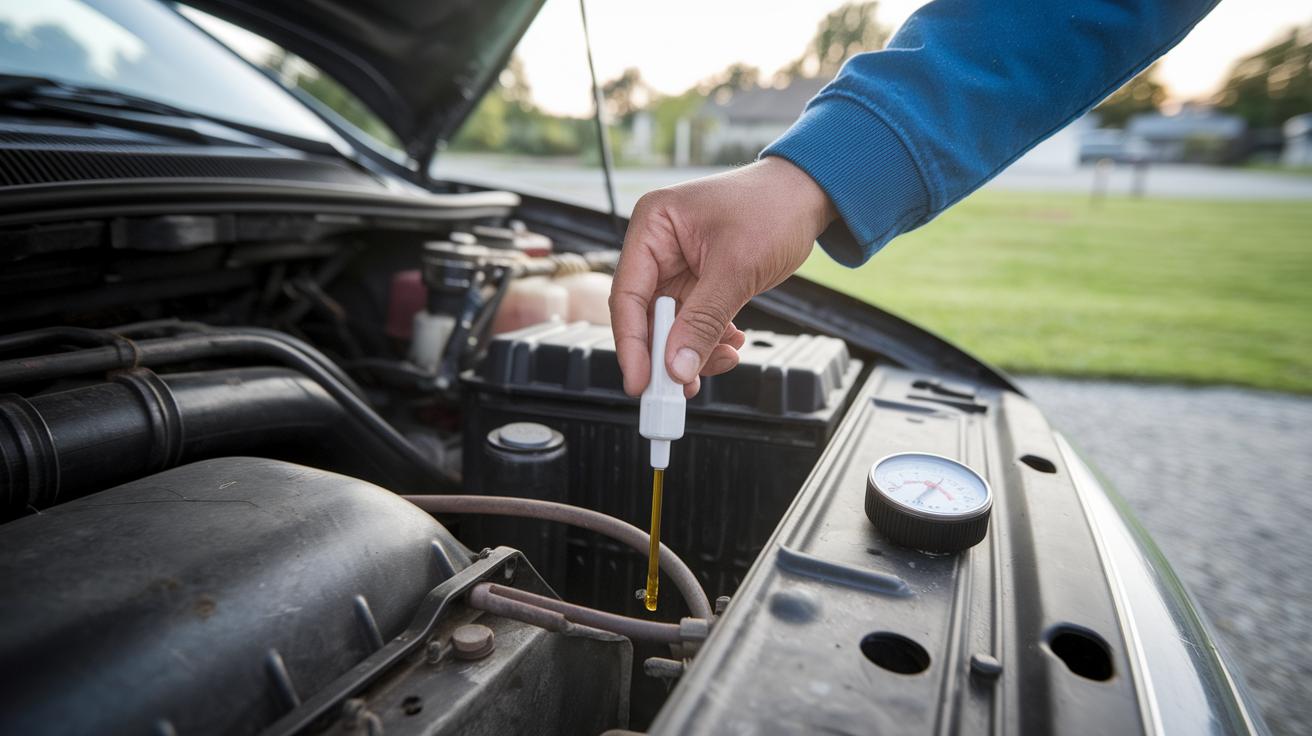
Regular upkeep is like a best friend for your car. Keeping up with oil changes, tire rotations, and fluid checks can save you from some pretty steep repairs later on. It's a bit like tuning a guitar, when everything's set just right, your ride runs smooth and sings along nicely.
Oil changes are an absolute must. Skipping them can cause your engine to work too hard and overheat. Think of your engine as a well-oiled machine; fresh oil acts like a cozy cushion for its parts, sort of like oiling a door to keep it from creaking. So, check that dipstick each month and plan for a full oil change every 5,000 to 7,500 miles to keep things running happily.
Don’t overlook tire care either. Grab a pressure gauge each month and check your tires, the right PSI is usually posted on the driver’s side door. Rotating your tires every 5,000 to 7,000 miles not only keeps your ride safe but also improves fuel efficiency. Evenly worn tires are really the bread and butter of smooth driving.
Brakes deserve extra attention, too. A quick look can catch early warning signs like squeaking noises or a longer stopping distance. Keeping your brakes in good shape means they’re always ready to perform when you need them most.
Also, keep an eye on your fluids. Checking everything from coolant and brake fluid to transmission, power steering, and washer fluids monthly is key to avoiding bigger problems down the road. And if your car is over three years old, slow starts or dim lights might mean your battery needs a checkup.
Lastly, don’t forget about filter replacements for oil, air, fuel, and the cabin. These quick swaps help maintain engine performance and extend your car’s life. And sometimes, a routine professional inspection can catch issues that simple DIY checks might miss.
Oil Change Scheduling: A Core Car Maintenance Tip
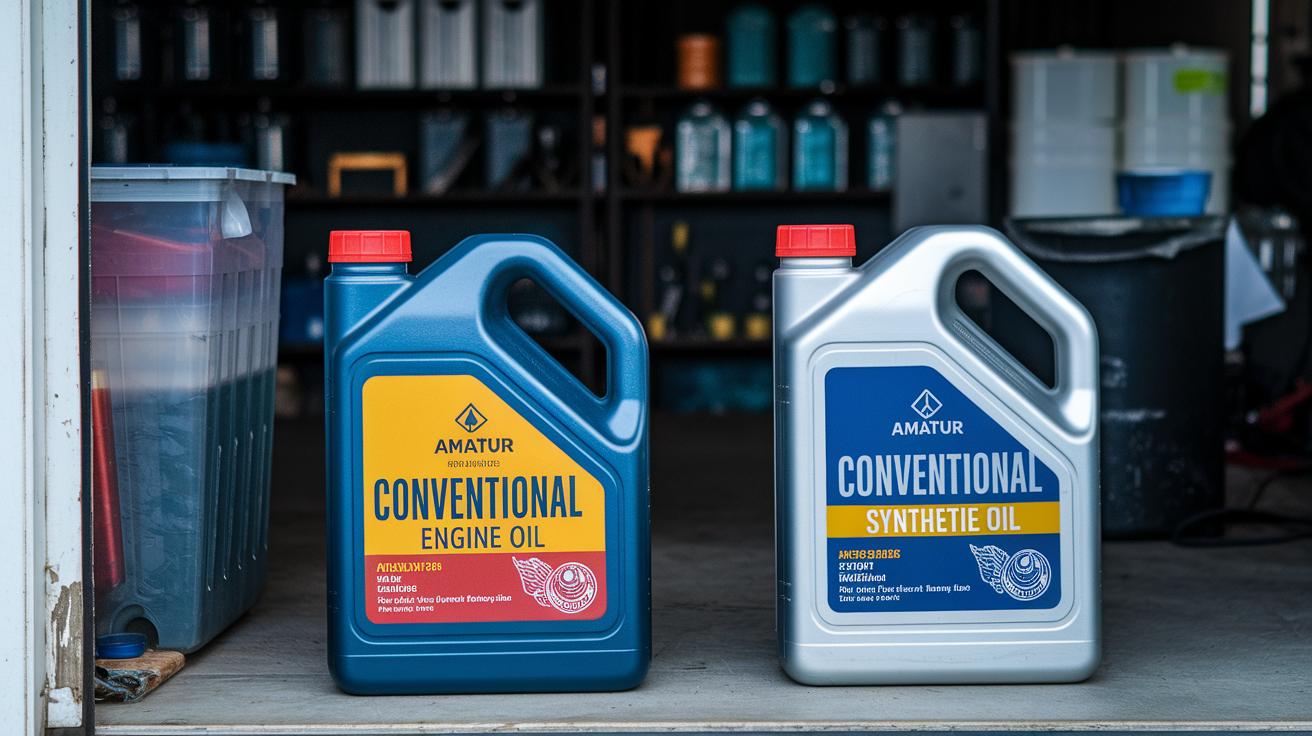
Your car’s oil type and the climate you drive in can really affect how often you need an oil change. Regular oil works great on a schedule of about 5,000 to 7,500 miles. But if you opt for synthetic oil, you get the bonus of additives that help keep your engine cleaner and reduce friction. It’s a bit like putting performance parts under your hood that help prevent breakdowns, especially when the heat is on.
Also, think about where you live. In really warm areas, even ordinary oil can break down faster. Synthetic oil handles high temperatures like a cooling vest on a sizzling day, offering extra protection for your engine. Choosing synthetic in hot weather is like giving your car a little extra comfort against the heat.
| Oil Type | Cost | Change Interval | Climate Suitability |
|---|---|---|---|
| Conventional | Lower | 5,000 to 7,500 miles | Standard conditions |
| Synthetic | Higher | Longer intervals possible | Extreme temperatures |
Just remember, if you often face extreme weather, whether it’s blazing hot or biting cold, paying a bit more for synthetic oil might be a smart move. Its enhanced properties help keep your engine running smooth, no matter what the weather throws at you.
Tire Care Guidelines for Safer Driving and Fuel Efficiency
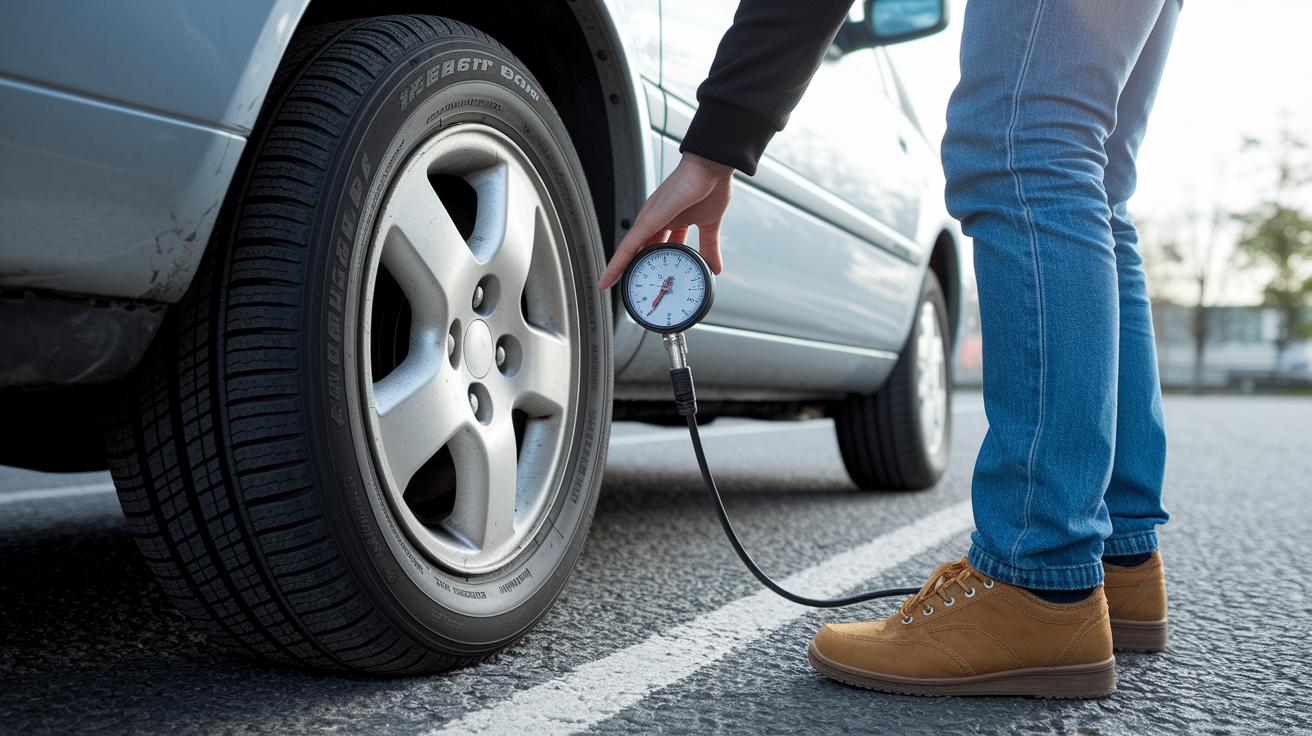
Rotate your tires every 5,000 to 7,000 miles to keep them wearing evenly and performing at their best. Check the pressure in each tire once a month with a reliable tire gauge and compare it with the PSI noted on your driver’s side door. This simple habit can even boost your gas mileage by as much as 3%.
Take time to inspect your tires regularly for any visible damage or uneven wear. Make sure you keep an eye on the tread depth, it should never drop below the 2/32" mark. Using a gauge gives you that extra peace of mind, kind of like knowing a well-tuned engine is ready to hit the road.
It’s also smart to keep your wheel alignment in check so your car doesn’t start pulling to one side, which can wear your tires out faster. If you’re a DIY kind of person, check out this guide on tire rotation for more detailed steps.
- Rotate tires every 5,000 to 7,000 miles
- Check tire pressure monthly with a tire gauge
- Inspect tires for damage and signs of uneven wear
- Ensure tread depth remains above 2/32"
- Keep your wheel alignment in proper order
Fluid Level Inspection Tips to Ensure Smooth Vehicle Operation
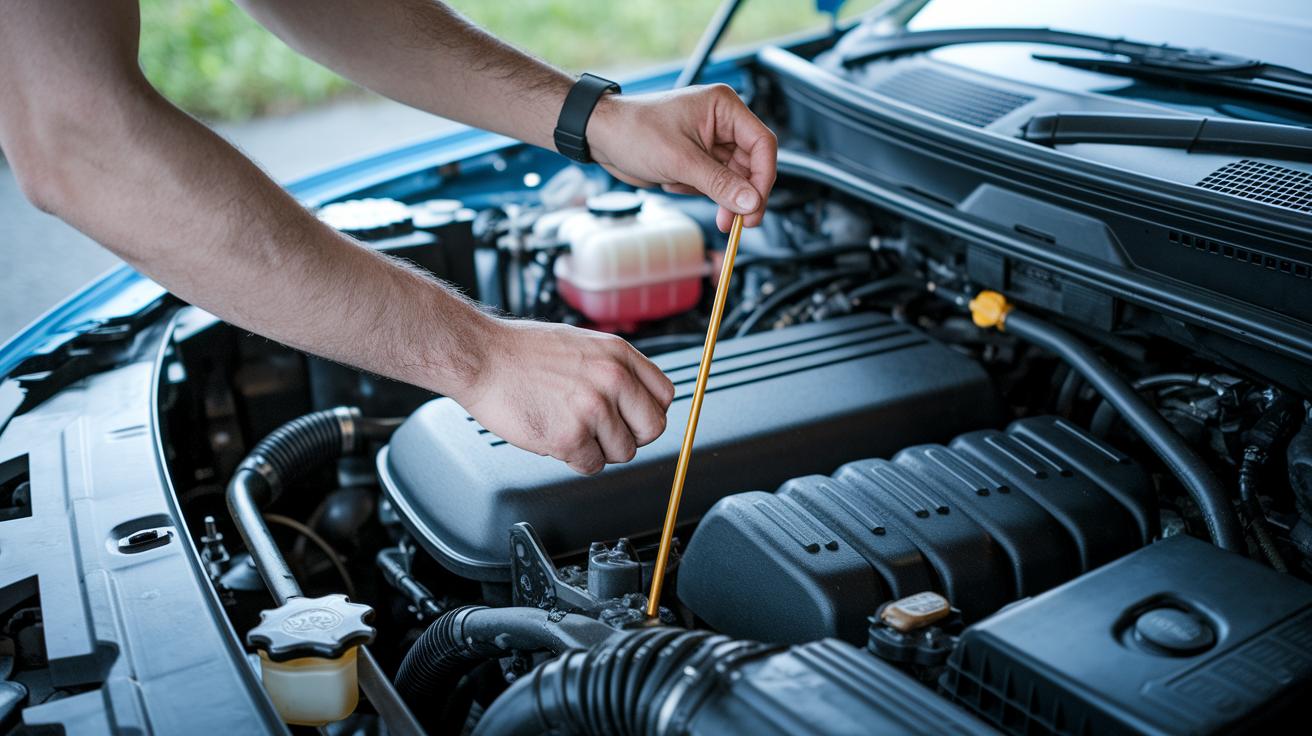
Taking care of your car’s fluids is like giving it a little health check every month. It’s simple, just take a few minutes to peek at your engine oil, coolant, brake fluid, transmission fluid, power steering fluid, and windshield washer fluid. You can use a dipstick for the oil or check the marks on the other fluid reservoirs. Imagine pulling out the dipstick and seeing if the oil level is right at that "full" mark, just like making sure you’ve got enough gas for a long drive.
Keeping your fluids topped up to the manufacturer’s recommendation helps avoid problems and keeps your car running smoothly. For example, mixing coolant with 50% water and 50% antifreeze is like giving your engine a refreshing drink on a hot day, it keeps overheating and rust away. And hey, using fresh brake or transmission fluid means you won’t face expensive fixes later on.
- Check all your fluids each month
- Fill them to the “full” mark recommended by your car’s maker
- Use a 50/50 coolant mix to keep things balanced
- Keep an eye on brake and transmission fluids so wear doesn’t turn into a big problem
Seasonal Car Maintenance Tips for Year-Round Reliability
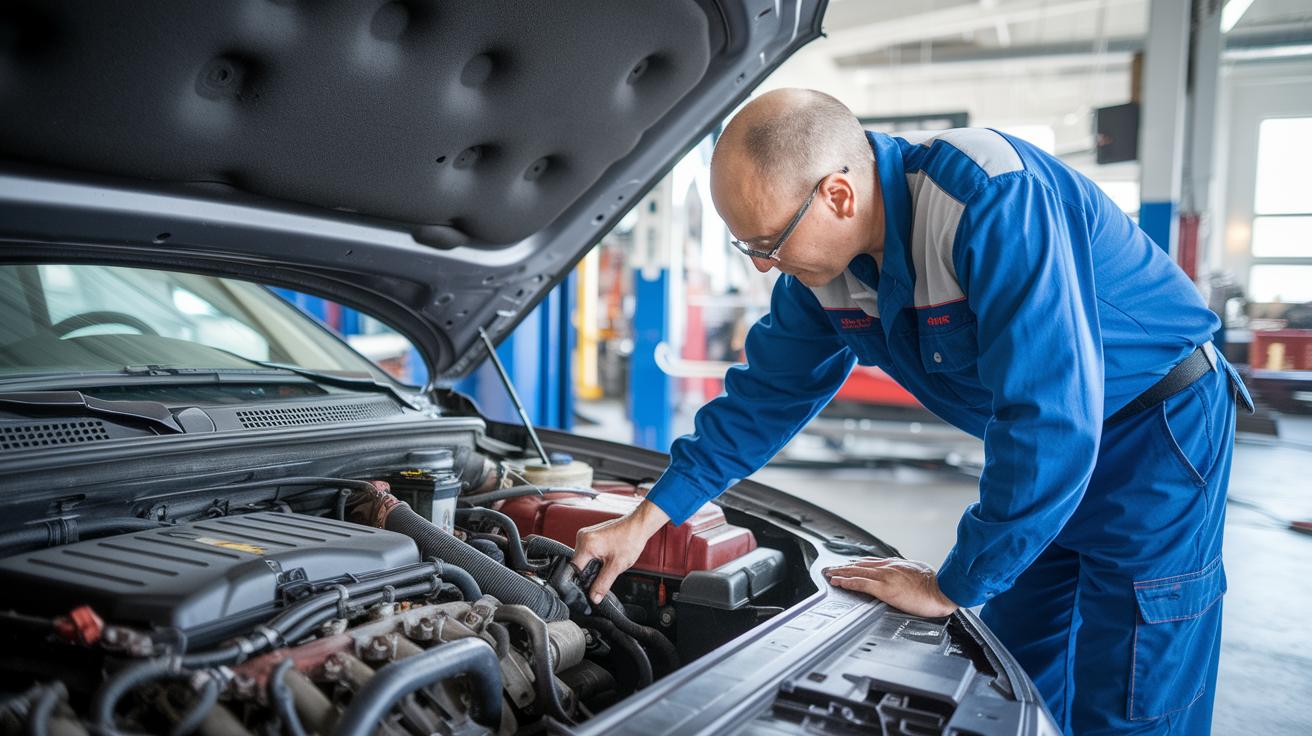
Spring is here, and it’s a great time to give your car a little refresh. Start by checking your belts and hoses for any cracks or leaks. These parts work hard to keep your engine running and your cooling system in check. Next, change out the air and cabin filters so you enjoy fresh airflow and a comfy interior. While you’re at it, flush the cooling system and top up the coolant. A clean system helps prevent overheating as the temperatures climb. And don’t skip a quick test of your brake pads and discs, you want to be sure your stopping power is ready for any spring showers.
Summer brings a different set of challenges. The heat can really put your car to the test. Make sure to check the coolant level and the radiator cap closely; a tight cap helps keep your engine cool during hot spells. While you’re doing that, give your AC and cabin vents a little look-over to ensure they’re ready to keep you cool. Also, keep an eye on tire pressure. With rising temperatures, your tires may gain 1–2 psi for every 10°F increase, which can impact your car’s fuel efficiency and handling.
In fall, it’s time to focus on safety as the days get shorter. Test your battery’s output, especially if it’s been around for over three years. This simple check can save you from a frustrating breakdown on a chilly morning. Replace your wiper blades and make sure all your lights are working properly so you have clear visibility as the daylight fades.
When winter rolls in, your car needs to be as tough as the weather. Check that your antifreeze is ready to handle the low temperatures, this is key to preventing engine issues. It’s also smart to inspect your tire tread depth and think about switching to snow or all-season tires for better grip on icy roads. Regular, proactive checkups like these will keep your vehicle running smoothly all year long.
Monitoring Warning Lights and Knowing When to Seek Professional Service
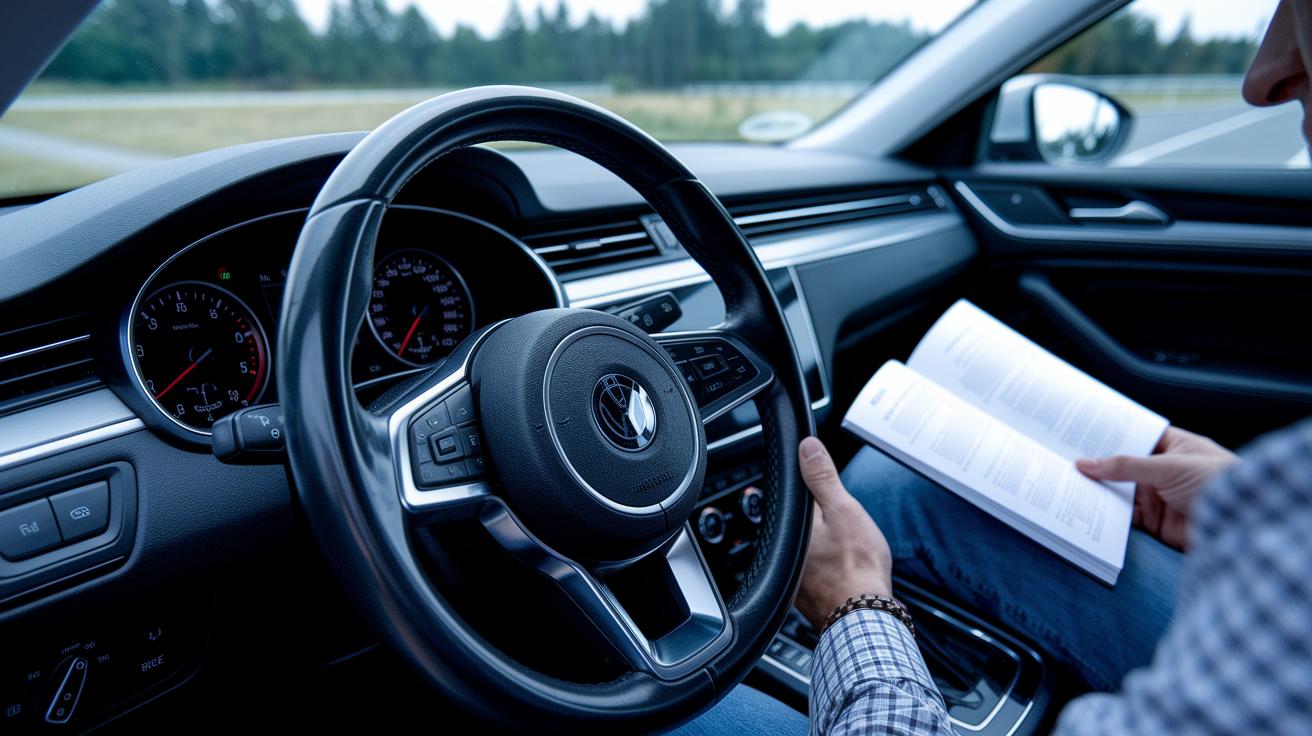
Your car’s dashboard is like a friendly head-up display letting you know when something's a bit off. When you see lights like Check Engine, oil pressure, battery, or ABS flash on, take a quick peek at your owner’s manual. It’ll point you in the right direction, so you can figure out if it’s a quick fix at home or if you need to call in your trusted mechanic.
It’s also smart to keep an eye on your belts and hoses. These important parts help keep your engine running smoothly by managing its timing, cooling, and other systems. If you notice any cracks or signs of wear, often around the 60,000-mile mark or at the first hint of trouble, it’s a great time for a replacement. And don’t skip on regular check-ups; having a professional inspect your car annually or every 10,000 miles can catch hidden issues like worn-out suspension or tiny leaks before they become big problems.
Staying organized with a service calendar can make all the difference. Whether you use your phone or a paper log, jotting down oil changes, brake services, coolant checks, and filter replacements means you’re ready to act fast when a warning light pops up, keeping minor issues from turning into major repairs.
- Check dashboard warning lights as soon as they appear
- Inspect belts and hoses regularly for any damage
- Keep a maintenance log for all services
- Rely on certified technicians for detailed inspections
Final Words
in the action, this post breaks down the do’s and don’ts for keeping your ride in top shape. It highlights everything from oil change scheduling to tire rotations and fluid level checks, making it easy to avoid costly fixes. Seasonal care tips and keeping an eye on warning lights round out the guide. Following these simple car maintenance tips not only smooths out everyday driving but also boosts safety and confidence behind the wheel. Embrace these habits for a smoother, more reliable drive every day.
FAQ
Car maintenance tips reddit
Car maintenance tips on Reddit suggest checking essential tasks like oil changes, tire rotations, and fluid inspections. These simple steps help prevent costly repairs and keep your car reliable.
Car maintenance checklist
A car maintenance checklist covers tasks such as oil and filter changes, tire care, brake and fluid checks, and battery tests. Staying organized with this list helps maintain smooth vehicle operation.
Car maintenance tips for beginners
Car maintenance tips for beginners focus on simple checks like monitoring oil, tire pressure, and fluids monthly, along with basic brake and battery inspections to build a solid foundation for vehicle care.
Best car maintenance tips
The best car maintenance tips include routine oil changes, regular tire rotations, and consistent fluid inspections. Following these practices keeps your engine running smoothly and helps avoid unexpected issues.
Car maintenance Checklist PDF
A car maintenance Checklist PDF is a handy downloadable guide that details routine tasks such as oil changes, fluid level checks, and tire maintenance, making it easier to keep your vehicle in top shape.
Car maintenance schedule
A car maintenance schedule outlines when to perform tasks like oil changes, tire rotations, and brake checks. Adhering to these intervals helps prevent breakdowns and extends your car’s life.
Car maintenance checklist template
A car maintenance checklist template provides an organized format to track tasks like oil, fluid, and tire inspections. Using a template ensures you consistently address all vital upkeep points.
Basic car maintenance checklist
A basic car maintenance checklist might include checking oil levels, tire pressure, fluid levels, and inspecting brakes and battery. This simple guide helps you keep your car safe and running efficiently.
What is the 30-60-90 rule for cars?
The 30-60-90 rule for cars isn’t a widely recognized standard. Some drivers use it as a guideline to perform minor checks every 30, 60, and 90 days, but it’s not an official maintenance protocol.
What are important maintenance tips for a car?
Important maintenance tips for a car include regular oil changes, tire rotations, fluid checks, brake inspections, and timely filter replacements. These steps help ensure your vehicle runs smoothly and safely.
Are you supposed to tip for car maintenance?
Tipping for car maintenance isn’t standard practice since service providers charge set fees for their work. Gratuities are generally not expected when having routine maintenance done.
What is the first rule of maintenance for your car?
The first rule of car maintenance is to follow a consistent schedule as recommended by your owner’s manual. This approach ensures all key components are regularly inspected and maintained.