News
Car News China: Sparkling Updates Ahead
By jamesdimon
September 20, 2025
Field Notes
Ever notice how the car world in China keeps surprising us? While overall sales have taken a bit of a dip, new energy vehicles are zooming ahead and stirring up plenty of chatter among car lovers and experts alike.
This shift in the market makes every ride feel like a bigger deal, quality and cost are more important than ever. Electric cars are now showing they can hold their own against traditional models, almost like a smooth engine purr in a classic ride.
So, buckle up as we dive into the latest trends that are shaking things up across major regions. Trust me, you won’t want to miss a beat of what’s unfolding in this dynamic auto market.
Overview of China’s Auto Market Trends in 2024
In the first quarter of 2024, China’s auto market sold 5.4 million vehicles, a 10% drop from last year. Shifts in what buyers are looking for and new government rules seem to be stirring up plenty of chatter among car lovers and experts alike. One buyer even mentioned, "It feels like every purchase now makes you weigh up quality and cost more than before."
New energy vehicles, or NEVs, are really making waves. They clocked in at 1.8 million units sold, which is a solid 30% rise compared to last year. Meanwhile, passenger cars still lead the pack with an 80% share, proving they’re the reliable workhorses we depend on day in and day out. Imagine walking into a dealership where almost four out of every five vehicles exude that tried-and-true performance, even as electric models are gaining ground.
Looking at regional trends, provinces like Guangdong, Jiangsu, and Zhejiang are real powerhouses, accounting for 12%, 10%, and 9% of all sales respectively. These areas aren’t just local highlights, they’re setting the pace for the entire country’s auto scene, pointing us toward the trends that will shape the future of China’s car market.
Leading Chinese Electric Vehicles Making Headlines
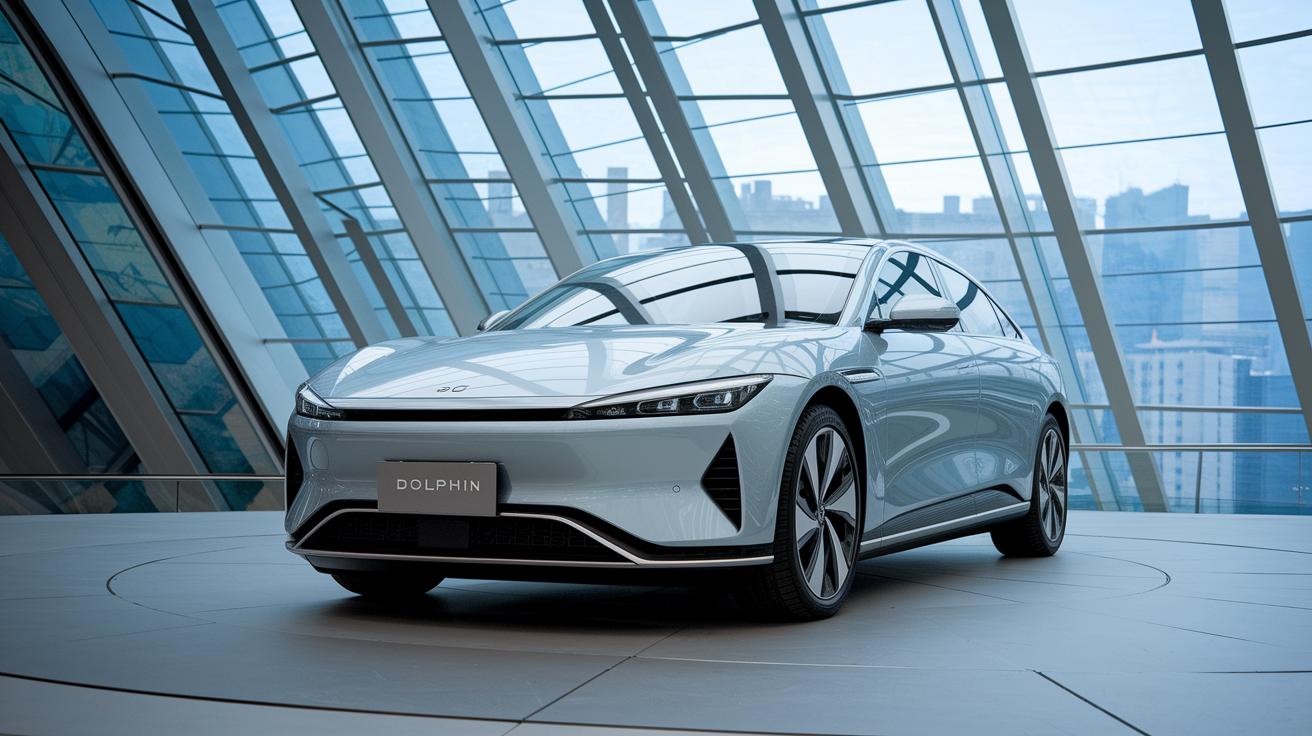
This spring, China's electric vehicles are turning heads and sparking conversations. Car fans and experts can’t stop talking about how top models delivered big numbers in April 2024. Sleek designs, eco-friendly tech, and performance that feels like a smooth purr are drawing drivers in. And here’s a fun fact: the BYD Dolphin comes with a 50 kWh battery pack that delivers a remarkable 415 km range, really challenging the old gas guzzlers!
| Model | Manufacturer | April 2024 Deliveries |
|---|---|---|
| BYD Dolphin | BYD | 42,000 |
| Tesla Model Y | Tesla | 38,500 |
| Li Auto L9 | Li Auto | 15,200 |
| NIO ET5 | NIO | 8,700 |
These numbers show a clear shift in what today’s drivers care about. The BYD Dolphin really stands out with its efficient battery and long range, making it a favorite for city driving. And did you know that Tesla Model Y ramped up production in China to hit 340,000 units in Q1? That’s a strong sign of both high quality and volume. Each milestone not only boosts the car brands but also sparks fresh ideas for better design and greener rides.
Impact of Government Policies on China’s Car Industry
China ended its NEV purchase subsidies at the close of 2023, and boy, did that shake things up! Automakers and buyers alike are rethinking their moves now that that extra government boost is gone. One industry insider put it simply: "Without those subsidies, every dollar spent on a new ride really counts." So, manufacturers are reworking their pricing and product strategies to match the new playing field.
And then there's the dual-credit policy, which has become a real game-changer. Here’s how it works: auto companies have to earn or swap credits based on the number of new energy vehicles they build versus traditional models. This setup nudges makers to keep a balanced lineup, sparking innovation and speeding up their EV production. It's like having a friendly nudge that says, "Hey, let's up our game!"
On July 1, 2023, China also rolled out its China 6 emission standards. These new standards tighten the screws on NOx emissions by 30% to help clear the air. Car makers are busy tweaking engine designs and installing advanced emission controls so every new model not only meets but beats these tougher restrictions.
Plus, there's a big push to hit a fuel consumption target of 5.0 L/100 km by 2025. This goal is steering companies to invest in smarter engine designs and innovative hybrid systems. It’s not just about faster cars, it’s about moving toward a cleaner, greener future for everyone.
Major Chinese Automakers and Their Global Moves
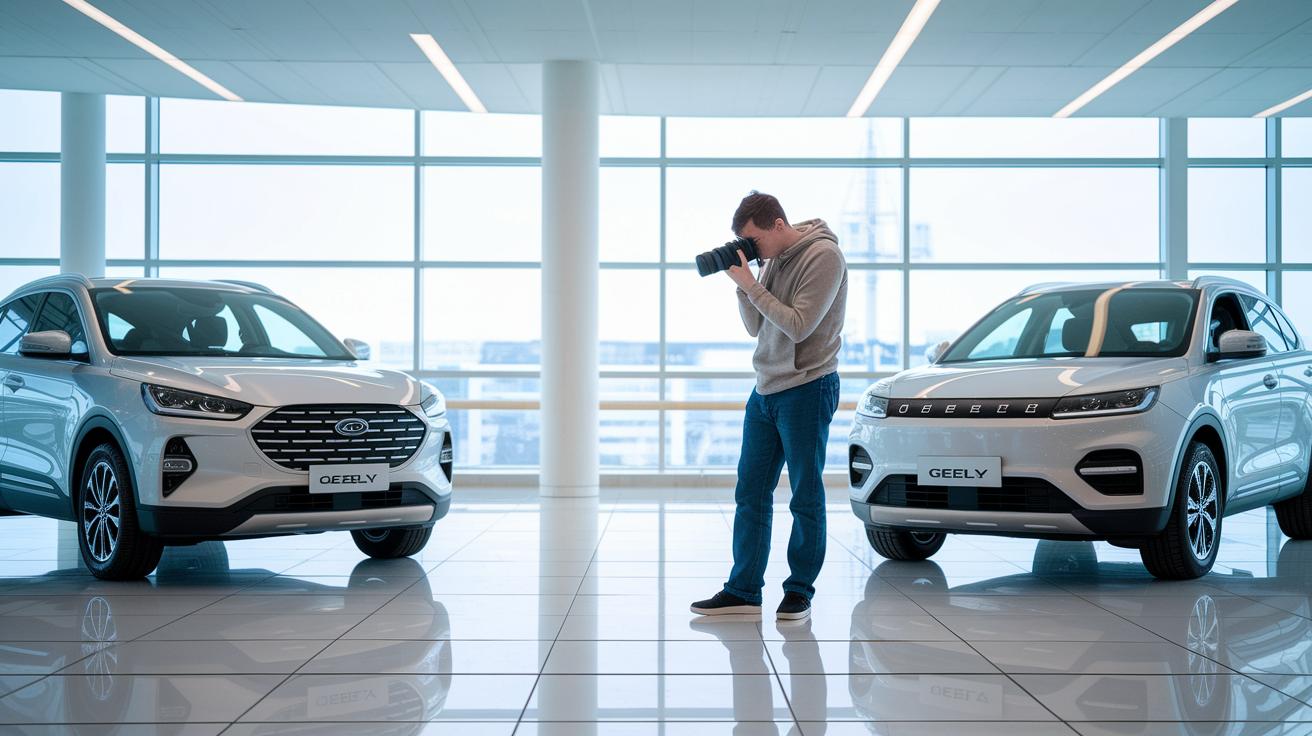
In the first quarter of 2024, BYD really hit its stride. The company scored a net profit of 10.2 billion RMB while sending 40,000 vehicles overseas. It’s proof that solid profits can pair perfectly with stepping into new markets. It's like watching a trusted auto brand shift gears and take its quality rides far and wide. One car enthusiast even said, "BYD's numbers show just how lively the auto world can be."
Geely is catching eyes as well, with its overseas sales jumping 25% from last year. They made smart moves into markets in Southeast Asia and Europe, showing that going global can really fire up a brand’s momentum. It seems like Geely is just warming up as it tunes its approach to meet local tastes.
Over in India, SAIC Motor and GM have teamed up to launch the Wuling Hongguang EV, stepping into one of the world’s busiest auto markets. At the same time, Great Wall Motors is set to start production at its new plant in Thailand by 2025. These plans not only expand their reach but also highlight their drive for high-tech upgrades, think sleek digital dashboards and smart connectivity features, taking innovation right from the showroom to the open road.
Emerging Automotive Technologies from China
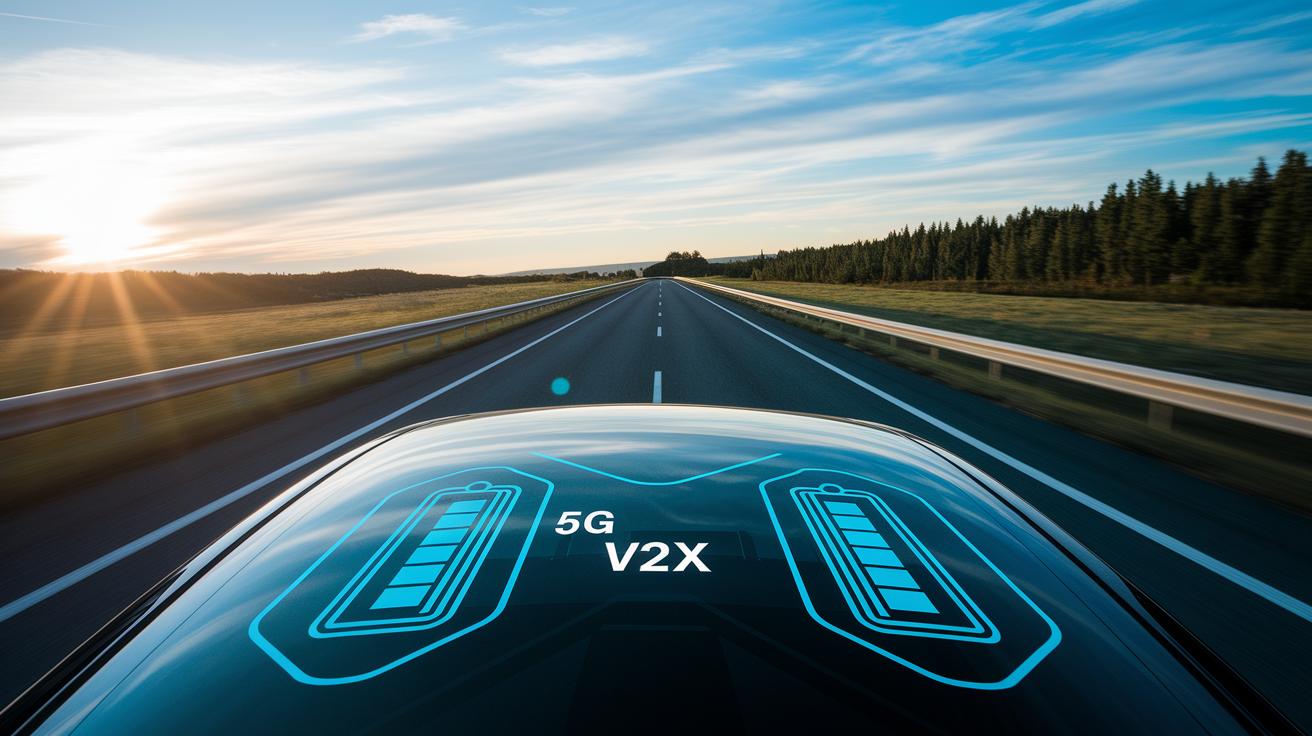
China’s auto scene is shifting into a new gear with some really exciting tech that’s making driving smarter and safer. Ever notice how a great song can turn an ordinary drive into a fun adventure? That’s the vibe these new innovations bring. In April 2024, breakthroughs in battery technology, self-driving systems, and smart connectivity captured the attention of both industry experts and everyday drivers.
Here’s a quick rundown:
- CATL’s silicon-anode battery delivers an impressive 500 Wh/kg.
- BYD’s Blade battery hit 2 million units by the end of 2023.
- Baidu’s Apollo Robotaxi now runs 200 vehicles in Beijing.
- Huawei’s HarmonyOS Cockpit is now in 10 car models.
- Shanghai’s 5G V2X trials reached a latency of just 120 ms. (Check out more about this new tech car here: https://unionno.com?p=211)
These aren’t just numbers on a spec sheet, they’re changing the way we get around. Imagine a battery that keeps you going much longer, a self-driving system that helps you handle traffic with ease, or a smart cockpit that makes every drive feel intuitive. In short, China’s auto industry is revving up for rides that are not just efficient but also a lot more connected and enjoyable.
Forecasting China’s Auto Market Through 2025
Hey there, car enthusiasts, it looks like new energy vehicles (NEVs) are really about to hit the fast lane. Experts are saying NEV sales could soar to around 10 million units by 2024, making up about 35% of the market. With everyone scrambling to go green and stricter emission rules coming into play, more buyers are turning to NEVs. And guess what? Domestic brands are stepping up their game to give imported models a run for their money. Pretty exciting, right?
Now, zooming out a bit, overall vehicle sales for 2024 are expected to hit about 22 million units. This steady demand shows that whether you’re into traditional cars or the latest NEV tech, there’s something for everyone on the road. Shoppers are balancing that trusted performance with shiny, new features, and it’s clear that quality and cool innovations still steer buying decisions.
And here’s a fun twist, China’s auto exports are also shifting gears. By 2025, export numbers might climb to 1 million units. Thanks to eager Latin American markets that want modern yet affordable rides, these figures spotlight the global appeal and growing muscle of China’s auto industry.
| Metric | Figure |
|---|---|
| 2024 NEV Sales | 10 million units (35% market share) |
| 2024 Total Vehicle Sales | 22 million units |
| 2025 Export Target | 1 million units |
Final Words
In the action, the post unpacked China’s dynamic auto market in Q1, from total sales drops to the NEV boost and key regional shifts.
It also shed light on emerging tech, strategic government policies, and bold global moves by top automakers.
This overview brings you the freshest car news china insights, leaving you optimistic and better equipped to make smart automotive decisions.
FAQ
What did China’s Q1 2024 auto market show in overall sales and trends?
China’s Q1 2024 auto market performance reveals 5.4 million units sold with a 10% year-over-year decline, setting the stage for evolving dynamics in consumer demand and competitive pricing.
How is the new energy vehicle (NEV) segment performing in China’s auto market?
The NEV segment shines with 1.8 million units sold—a 30% year-over-year increase—indicating a robust shift toward greener transportation and a growing share of the overall market.
What role do regional sales play in China’s auto market trends?
Regional figures, with provinces like Guangdong at 12% and Jiangsu at 10%, underscore how localized consumer demand shapes China’s auto landscape and influences distribution strategies.
Which Chinese electric vehicles have made headlines recently?
Recent headlines spotlight models such as the BYD Dolphin, Tesla Model Y, Li Auto L9, and NIO ET5, each drawing attention through notable delivery figures and key performance specs in April 2024.
How are government policies impacting China’s car industry?
Government moves—from phasing out NEV purchase subsidies to enforcing the dual-credit system and stricter emission standards—are steering manufacturers toward cleaner technologies and more efficient powertrains.
What global moves are leading Chinese automakers making?
Leading firms like BYD, Geely, and Great Wall are expanding internationally by boosting exports, entering new markets, and forging strategic partnerships, thereby enhancing their global footprint.
What emerging automotive technologies are driving innovation in China?
Cutting-edge tech such as CATL’s silicon-anode batteries, BYD’s Blade batteries, Baidu’s Apollo Robotaxis, Huawei’s HarmonyOS cockpits, and 5G V2X trials are paving the way for next-generation innovations.
What forecasts exist for China’s auto market through 2025?
Projections highlight NEV sales reaching 12 million units by 2025, with overall sales predicted at 22 million in 2024 and exports expected to hit 1 million units, showcasing a strong upward trend.