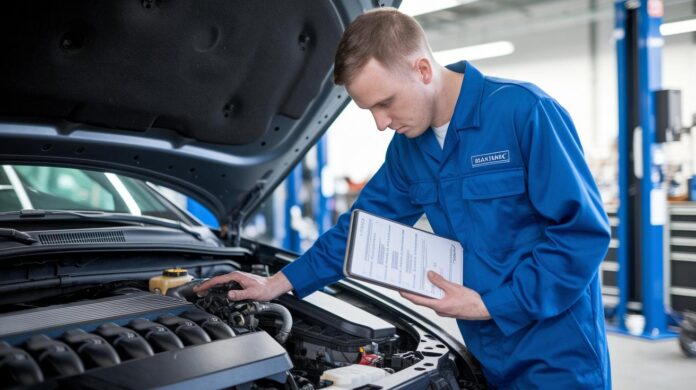

Ever notice how some cars just keep chugging along while others suddenly start acting up? Taking care of your car starts with a simple service routine. This checklist breaks down maintenance into easy, timed steps, like checking your fluids and keeping an eye on tire pressure.
Small fixes now can save you a lot of money on repairs later. Ready to see just how simple car care can be? Let’s dive in and keep your ride smooth and safe.
Car Servicing Checklist Overview for Every Maintenance Interval
Taking a simple, timed approach to car care makes it easy to keep your car in top shape all year. Breaking up the work into clear intervals helps you know what to check and when, so you can catch little issues early before they turn into big, expensive problems.
By sorting service tasks into immediate, monthly, every 3 months/3,000 miles, every 6 months/6,000 miles, every 12 months/12,000 miles, and every 24 months/24,000 miles, you set up a routine that works like clockwork. Whether you’re checking warning lights, testing fluid levels, or inspecting belts and tires, this checklist covers the basics to keep your ride running smooth and safe.
| Interval | Key Tasks |
|---|---|
| Immediate | Check engine light (constant or flashing), tire pressure warning, headlight/tail light failures, wiper blade damage |
| Monthly | Engine oil level (dipstick “low” to “full” ≈1 qt), coolant/antifreeze, windshield washer fluid |
| Every 3 months/3,000 miles | Transmission fluid (engine running in Park), battery & cables, belts, engine air filter, power steering fluid, exhaust system, tire pressure & condition, tire tread depth, oil filter change, tire rotation |
| Every 6 months/6,000 miles | Chassis lubrication (if not “lube for life”), exterior wash & wax |
| Every 12 months/12,000 miles | Brakes (fluid, linings, rotors, pads), cabin air filter, coolant flush |
| Every 24 months/24,000 miles | Spark plugs, timing belt replacement, battery test/replacement, tire replacement |
Car Servicing Checklist: Essential Fluid Checks and Oil Change Tasks
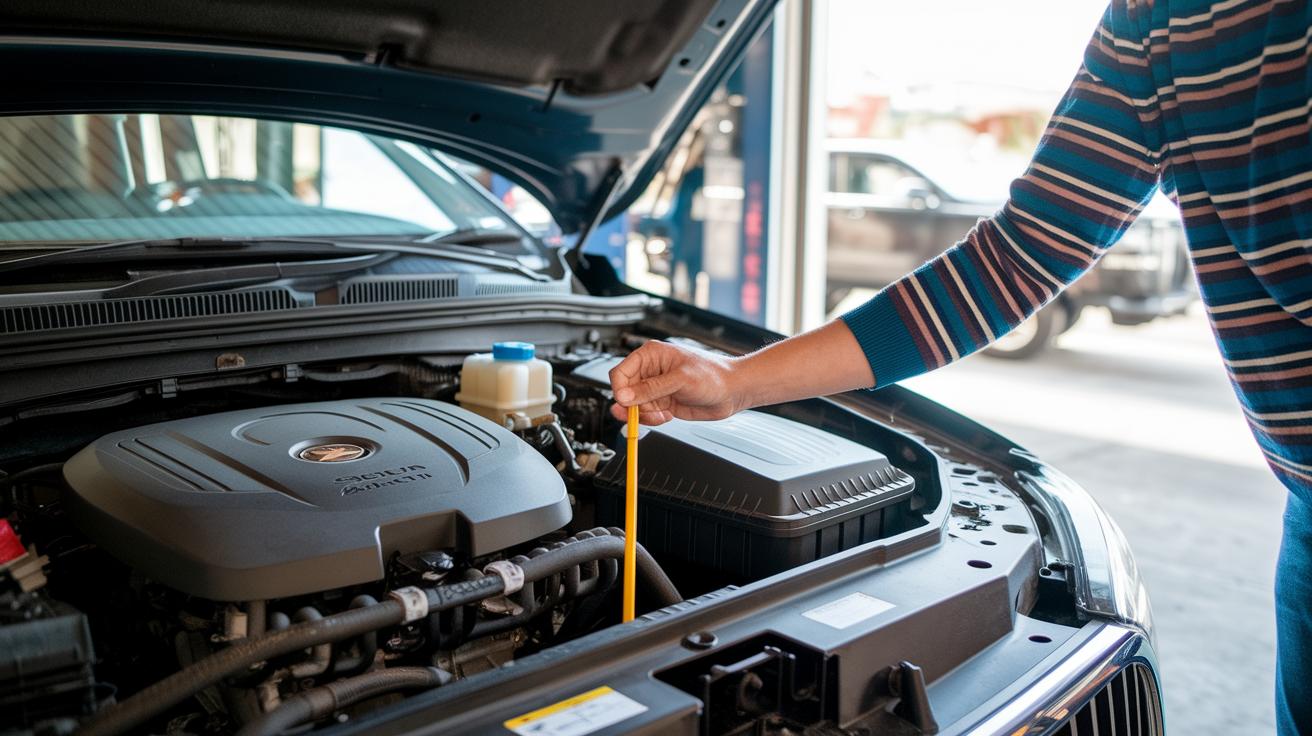
Keeping your car's fluids at the right level is key to a smooth ride. Regular checks help catch small issues before they become big, costly problems and keep your engine purring like it should. By checking oil, coolant, and other fluids often, you make sure each part gets the right lubrication and nothing sneaks by unnoticed.
- Check your engine oil every month using the dipstick. You should see a gap of about one quart between the “low” and “full” marks. Don’t forget to change your oil every 3,000 miles or about 3 months to clear out any debris.
- Look at your coolant or antifreeze each month. Whether you’re using a premixed fluid or a 50/50 concentrate, top it off when needed.
- While your engine is running and parked, check your transmission fluid every 3,000 miles to make sure the levels are just right.
- Keep an eye on your power steering fluid too. If you’re topping it off regularly, it might be a sign of a leak.
- Fill up your windshield washer fluid every month. Just be sure you’re mixing it correctly so you always have a clear view.
Always remember to wear gloves when handling these fluids and try to work on a level surface. This simple step keeps you safe from chemicals and makes your readings more reliable.
Car Servicing Checklist: Brake Inspection and Tire Maintenance Guidelines
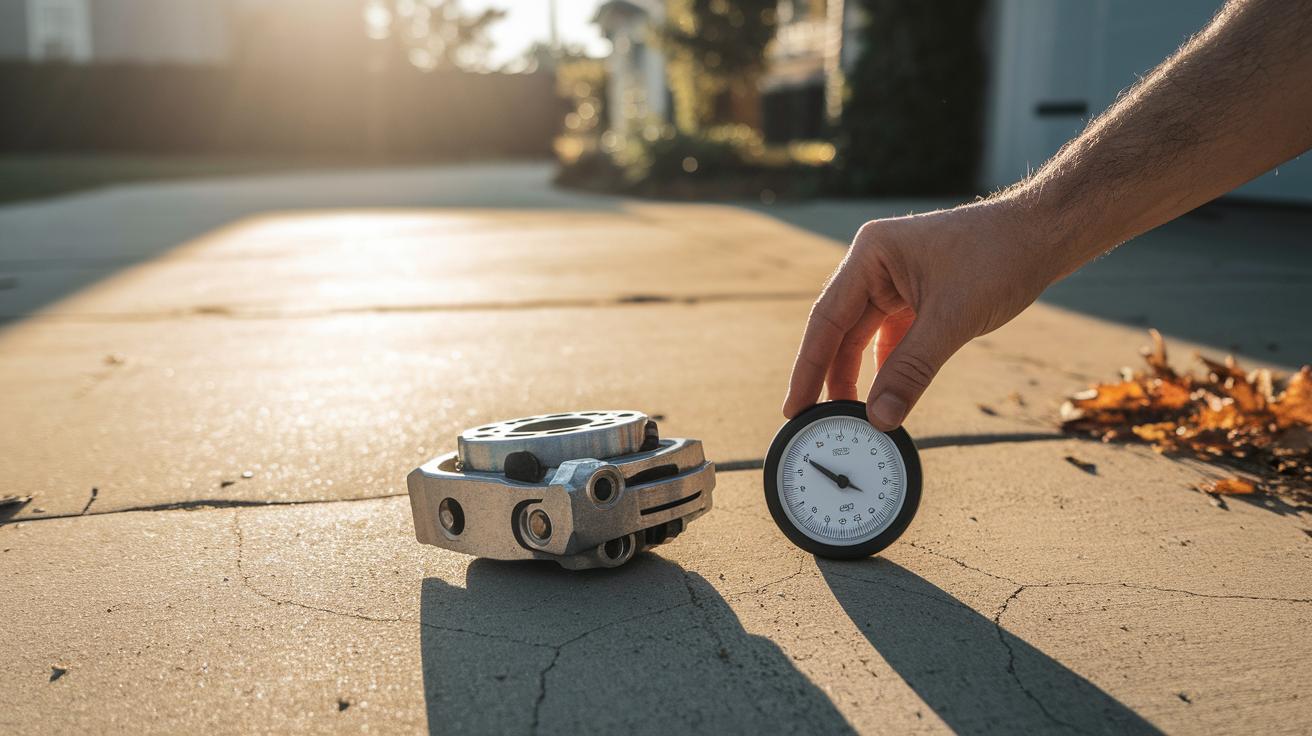
Let's start with your tires. Give them a good once-over and rotate them every 3,000 to 6,000 miles as your car maker suggests. It keeps wear even across each tire. Also, check the tire pressure each month with a gauge, set it to the PSI listed in your vehicle manual. You can even use a penny or quarter to measure tread depth: look for at least 2/32" in dry weather and 4/32" when it’s wet. That way, you know your tires have enough grip on the road.
Now, let’s talk about your brakes. Take a close look at your brake pads. If they’re under 1/4 inch thick or if you hear any strange noises or feel unusual vibrations when you slow down, it might be time to get them checked. Good brakes are super important for your safety and can help you avoid more serious repairs later on.
Always keep an eye out for any warning signs. For instance, if you feel an odd pulsing while braking or if your tire pressure keeps dropping even after a check, it’s a good idea to see a professional. A thorough inspection might uncover hidden issues that could affect your car’s overall safety. Stick to a regular maintenance routine to keep your ride running smoothly and safely.
Car Servicing Checklist: Engine Components and Belt Inspections
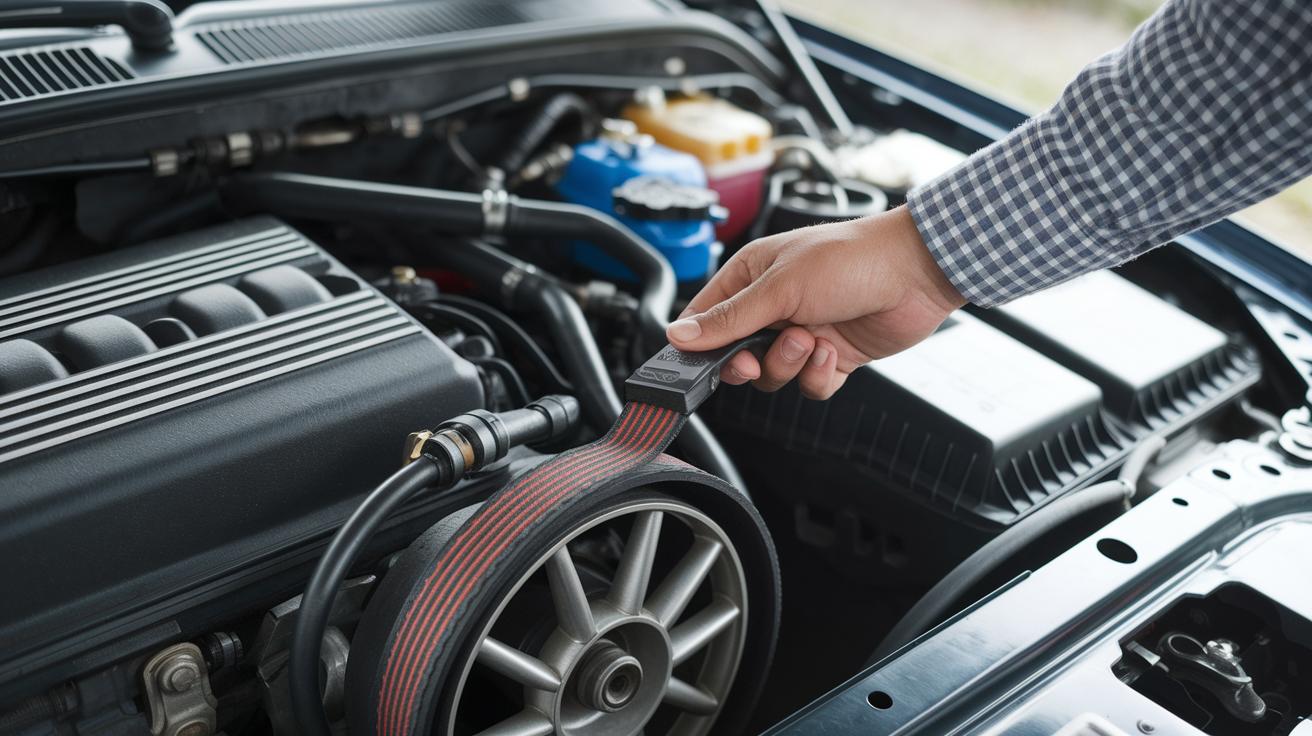
When you check your engine belts, don’t just rely on scheduled intervals. Instead, give them a good look for any cracks, glazing, or signs that they're out of line. Run your finger along the belt, if you feel any rough spots, it might be a sign of wear. Fun fact: a quick tactile check once uncovered a small cut on my serpentine belt, saving me from a breakdown on a hectic day. Adding this simple check to your routine can help you catch problems before they escalate.
For your spark plugs, keep an eye (and ear) out for performance changes rather than just tracking mileage. Noticing rough starts, occasional misfires, or a dip in acceleration? Those are clues that spark plug deposits might be to blame. Just take one out and inspect its electrodes for any buildup or obvious wear. I once found a spark plug coated in carbon after a quick look, which was my cue to swap it out and bring back that smooth ignition. This little test fits perfectly into your regular spark plug routine.
When it comes to the engine air filter, it’s essential to check for any debris that might block airflow. Don’t just stick to a yearly replacement schedule, hold the filter in your hand and give it a tap. If it shakes and releases too much dust, that’s your sign to either clean or replace it, allowing your engine to breathe comfortably. This proactive tip keeps your engine running efficiently and complements your full routine service checklist.
Car Servicing Checklist: Electrical System and Coolant Review
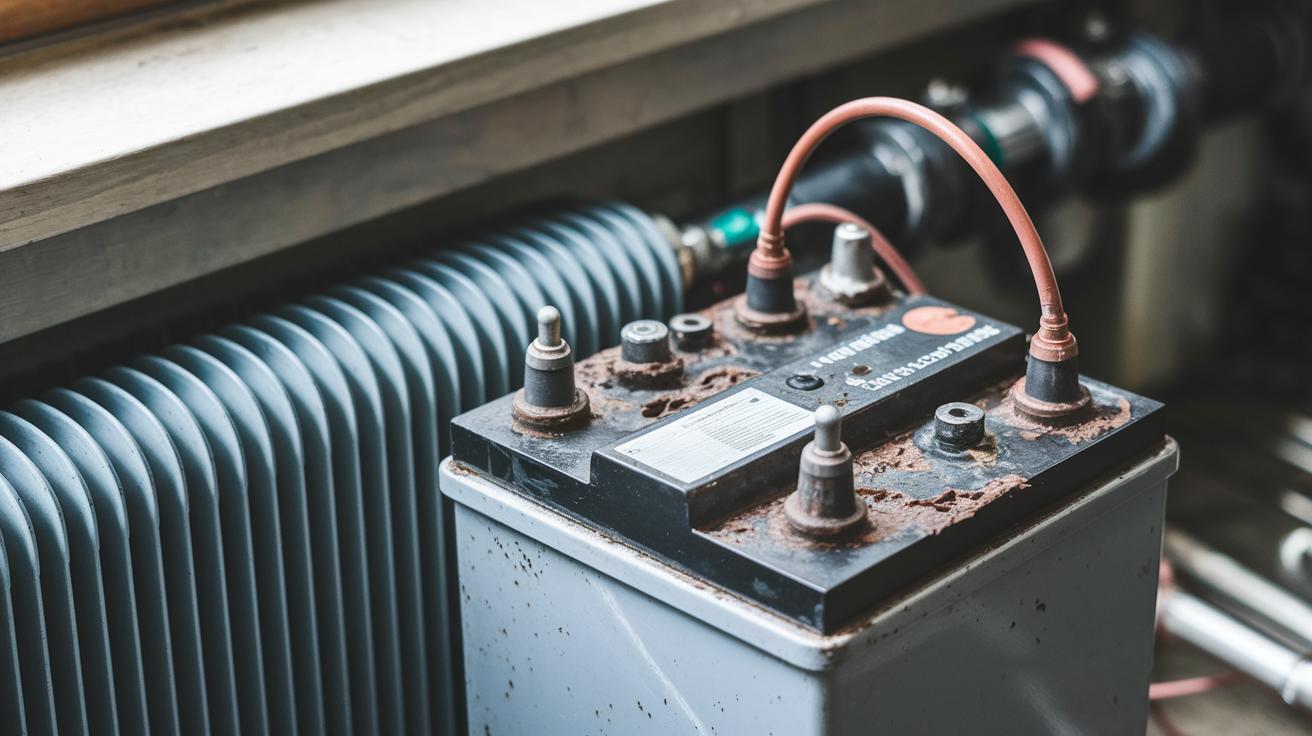
Keep an eye on your battery so you don't get caught off guard. Test it after about three years, and think about replacing it before it hits six years old. Check the battery’s mounting and cables each month for any signs of corrosion or looseness. Even a little bit of rust on the terminals means it’s time to take a closer look. A quick visual check during your oil change can catch problems early, keeping your battery in tip-top shape for your car's electrical system.
Now, let’s talk about your coolant system. To avoid any overheating surprises, inspect your radiator and hoses for leaks or cracks every 5,000 miles. It’s a good idea to flush or replace your coolant once a year or around 12,000 miles to keep your engine running cool. While you’re at it, check for any stains on the radiator or worn belts during your oil change. These simple steps help keep your cooling system working smoothly, ensuring a safer ride.
Car Servicing Checklist: Professional Service Levels and Record Keeping
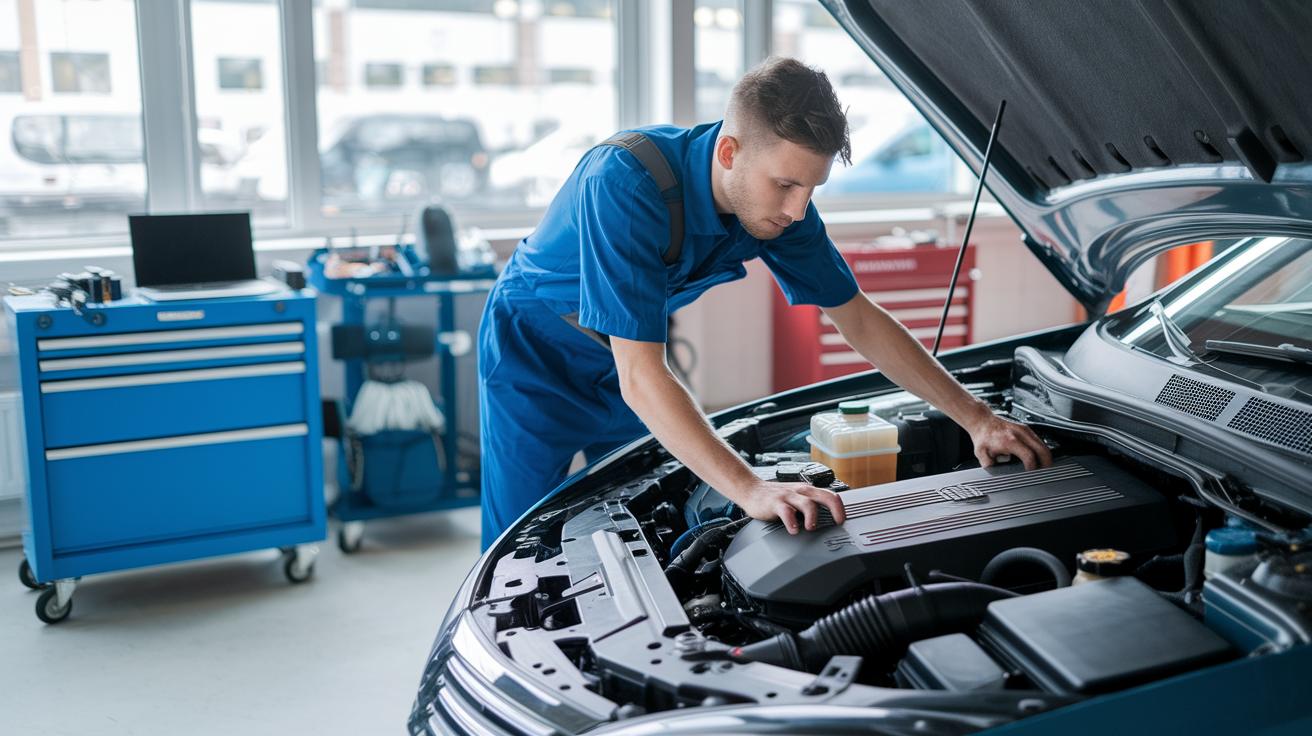
Keeping your car in top shape means having professional service levels that go way beyond your usual DIY fix-ups. Skilled mechanics take a close look at your ride and can spot things like a worn cambelt, the need for a brake fluid flush, or a bit of chassis lubrication that you might miss on your own.
Service tiers make it easier to stick to a schedule without breaking the bank or your busy day. For example, an interim service, a quick 25-point check, is suggested every 6 months or 6,000 miles to cover the major parts. Then, a full service ramps things up with a 40-point inspection every 12 months or 12,000 miles. And lastly, a major service is even more detailed with 50 checks every 24 months or 24,000 miles. Each of these steps keeps your car’s performance on track and ensures a deep professional inspection.
Writing down all your repairs and routine checks is just as important as the service itself. A detailed history of what’s been done boosts your vehicle’s resale value and meets insurance needs. Tracking the dates, mileage, and services on your auto repair checklist is a smart way to stay ahead of any problems and keep your car running safely.
Car Servicing Checklist: DIY Printable Maintenance Log and Template

Keeping a printable service checklist makes it really easy to track all your car's maintenance tasks. This handy template has spaces for Date, Mileage, Service Item, Status, and Notes, so you can jot down everything, from an oil change to a fluid top-up, a belt check, or even a filter replacement. It’s like having a diary for your car, letting you glance back at past work and plan ahead.
By updating your car log every month or every 3,000 miles, you stay on top of maintenance tasks. Regular check-ins not only remind you about what’s coming up next, but they also help you spot any repeating issues. For instance, if you see you’ve had to add coolant a few times recently, that might be a good sign it’s time for a thorough inspection. This simple habit can help you dodge expensive repairs and keep your ride running smoothly, so every drive feels just as reliable as the one before.
Final Words
In the action, the article walked through a detailed car servicing checklist by breaking down each maintenance interval. Small steps like fluid checks, tire inspections, and engine component reviews make upkeep manageable. Each section serves as a reminder to keep tracking vehicle health with an easy-to-use log. The guide keeps things straightforward, making routine care something anyone can follow. Keep these tips handy and enjoy a smoother ride ahead with a reliable car servicing checklist.
FAQ
What car maintenance checklist resources can I download?
The car maintenance checklist resources include free PDFs and templates that organize tasks by mileage and time, making it easy to track oil changes, filter replacements, and other service tasks.
What is included in a typical car service?
A typical car service covers checks like fluid levels, tire pressure and tread depth, brake inspections, and belt reviews to keep your car safe and ready to drive.
What is the 30-60-90 rule for cars?
The 30-60-90 rule for cars means you should inspect your vehicle at 30, 60, and 90-day intervals to catch small issues early and maintain optimal performance.
What regular maintenance is needed for a car?
Regular maintenance includes oil and fluid checks, tire pressure monitoring, filter replacements, belt inspections, and brake evaluations, all of which help keep your car running smoothly.
What does a major service include on a car?
A major service typically involves thorough checks and replacements such as spark plugs, timing belts, brake fluid, and battery tests to ensure all key systems are in excellent shape.