

Ever thought you could give your car a little tune-up at home instead of racing off to the mechanic? DIY car care might sound a bit scary at first, but it’s really easier than you’d think, like giving your ride a refreshing drink on a hot day. Imagine swapping out your wiper blades or pouring fresh oil in, all on your own. Taking care of these simple tasks not only saves you money but also keeps your car humming along nicely. In this guide, we’ll chat about everyday fixes that put more cash in your pocket and make keeping your car in shape a breeze.
Overview of DIY Car Servicing Essentials
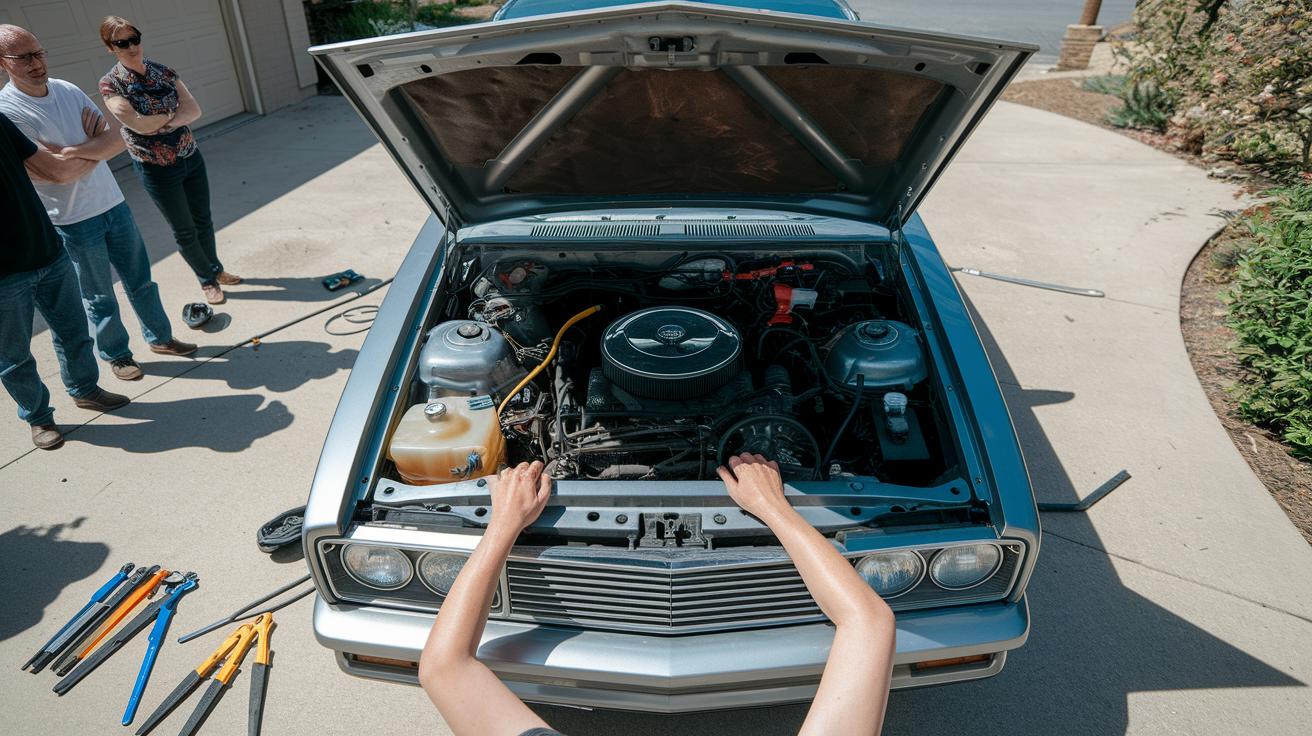
Tackling basic car care yourself can be really rewarding. It’s all about handling everyday jobs like changing your car's oil and filter, swapping out wiper blades, checking your air filter, replacing spark plugs, cleaning battery terminals with a simple wire brush, and inspecting your brake fluid. These little jobs work together to keep your engine happy, your ride safe, and your fuel use efficient.
For example, think of an oil change like giving your car a fresh drink. Typically, you might need to change your oil every 3,000 to 5,000 miles, though some sportier models might ask for service every 6,000 miles or every six months. Here’s something neat: doing a simple oil and filter change yourself can save you nearly $50 each time compared to taking it to a shop. Over time, those savings really add up!
Other tasks are just as important. Fresh wiper blades mean you get a clear view on rainy days, while a new air filter helps your engine breathe clean air, kind of like how you’d feel after a breath of fresh air on a busy morning. And if your spark plugs are getting worn, they can slow your car down, much like a misfiring engine spoils your favorite ride. Plus, cleaning battery terminals keeps corrosion at bay so you don’t end up with a no-start situation.
Taking care of these routine tasks not only saves you money and time but also helps extend the life of your car. It's like having a handy checklist that ensures every part of your vehicle is in tip-top shape, leading to smoother and safer drives every time you hit the road.
Tools and Materials for DIY Car Servicing
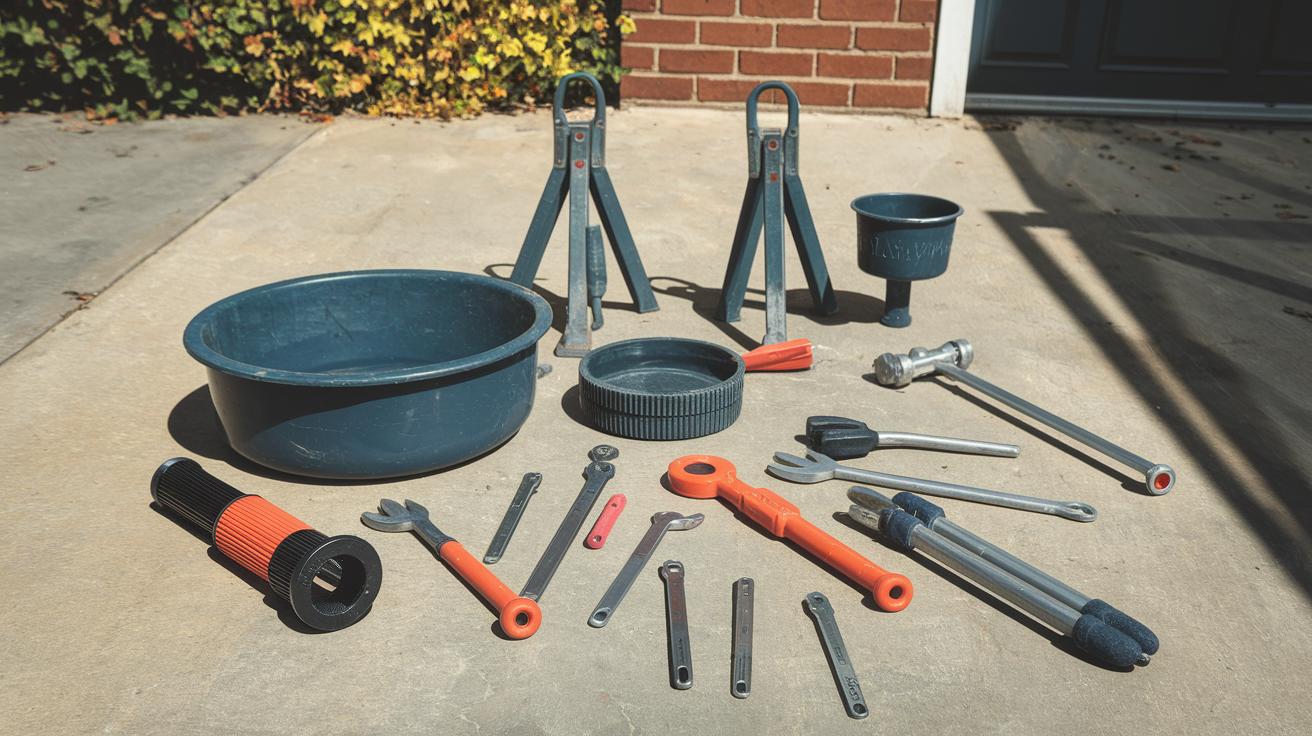
If you’re planning to give your car some love with a DIY service, having the right tools is a must. It’s like building a solid foundation for a fun car care adventure. You’ll need a few basics for tasks like changing your oil, swapping out brake pads, replacing spark plugs, and even cleaning battery terminals. Start with an oil filter wrench, a drain pan, and a funnel. And remember, you need to match your engine oil and filter to your car’s specs.
Next, if you’re lifting your car, make sure you’ve got a jack and jack stands, plus a lug wrench to help take off the wheels. A C-clamp is great for compressing those stubborn caliper pistons when you’re changing brake pads, and a spark plug socket with a ratchet makes swapping spark plugs a breeze. Even a simple wire brush can be a lifesaver when it comes to cleaning off battery terminals and keeping rust away.
For a one-stop-shop solution, check out a pre-assembled DIY toolset like the "Car Care Kit" over at unionno.com. It bundles all these essentials into one neat package.
| Tool | Price Range |
|---|---|
| Oil Filter Wrench | $10–$20 |
| Drain Pan | $8–$15 |
| Funnel | $5–$10 |
| Jack and Jack Stands | $50–$80 |
| Lug Wrench | $15–$25 |
| C-Clamp | $8–$15 |
| Spark Plug Socket & Ratchet | $20–$30 |
| Wire Brush | $5–$10 |
Step-by-Step DIY Oil Change Procedure
-
First, run your engine for a few minutes to warm it up. Then, park on flat ground and pull the parking brake. This helps the oil flow out more easily and keeps your car safe, kind of like making sure your bike is steady before you ride off.
-
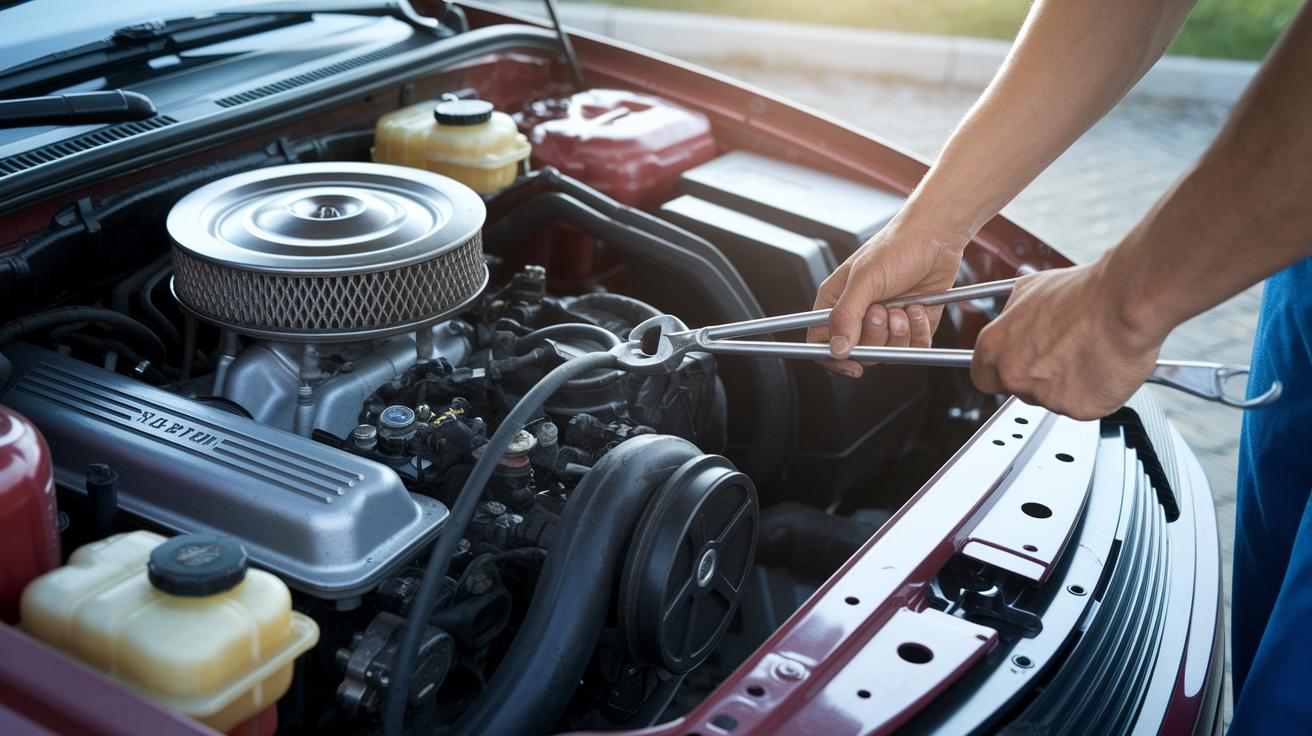
Next, use the right wrench to loosen the drain plug. Place a drain pan right under the plug and remove it slowly so the old oil can escape. Think of it as opening a tap to let out stale water before you fill it up again.
-
Let the oil drain out completely, which should take about 5 to 10 minutes. Waiting here is important; it makes sure no leftover old oil mixes with the fresh oil.
-
Now, take off the old oil filter using an oil filter wrench. Check that the entire filter, including its gasket, comes off cleanly. It’s a bit like swapping out a coffee filter, you want to get rid of the old, dirty one without leaving any residue.
-
Before you put on the new oil filter, rub a little clean engine oil on its gasket. This little trick helps it seal better. Then, tighten the new filter by hand until it’s snug. Follow the manufacturer’s instructions for the right tightness; it’s like making sure you screw the lid on just right.
-
Put the drain plug back in place and tighten it to the correct torque. This step is key because a firmly in-place drain plug stops leaks, just like a sealed jar stops spills.
-
Now, grab a funnel and fill your engine with the right amount and type of oil as specified in your car’s manual. This makes sure your engine gets exactly what it needs to run smoothly.
-
Finally, start your engine and check around the filter and drain plug to see if there are any leaks. Then, take a look at the dipstick to be sure the oil level is just right.
For a quick reminder, you can check out a Car Servicing Checklist or set a timely oil-change alert with Best Car Maintenance Apps.
Performing a DIY Brake Fluid and Brake Pad Check
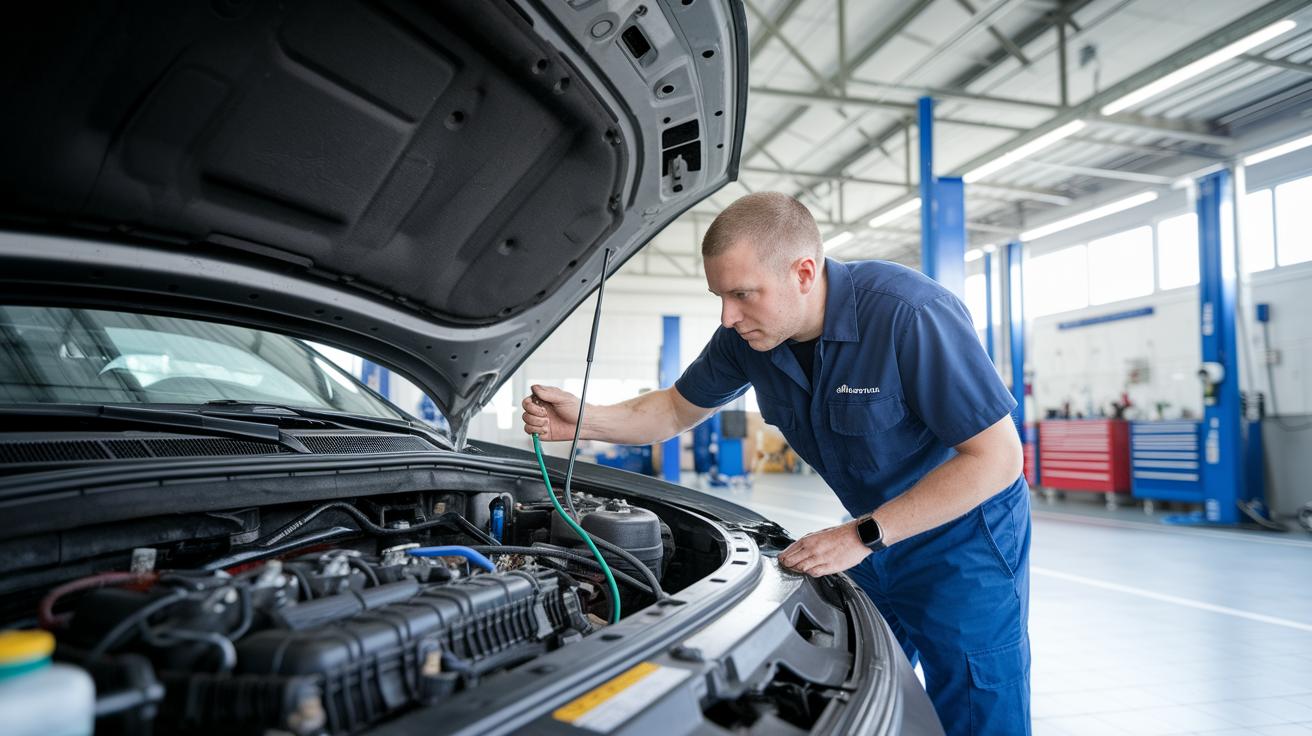
First, check your brake fluid. When the engine is cool, open the hood and find the small reservoir. The fluid should fall between the MIN and MAX marks. If it looks dark or is low, moisture might have gotten in, so it's a good idea to replace it every two years. Think of it like making sure your coffee is brewed just right every morning.
Next, take a look at your brake pads. Before you begin, raise your car with a jack and secure it on jack stands. Then, remove the wheel using a lug wrench. Here’s a simple way to check and replace the pads:
- Use a C-clamp to push the caliper piston back, making space for fresh pads.
- Take out the old pads and check how thick they are, thicker means better stopping power.
- Put the new pads in, then reattach the wheel.
- Tighten the bolts to the manufacturer’s settings.
- If needed, bleed the brake lines to remove any trapped air.
By keeping both the brake fluid and pads in good condition, you’re ensuring reliable stopping power and a safer ride.
DIY Car Servicing: Filters, Wipers, and Spark Plugs
Air Filter Replacement
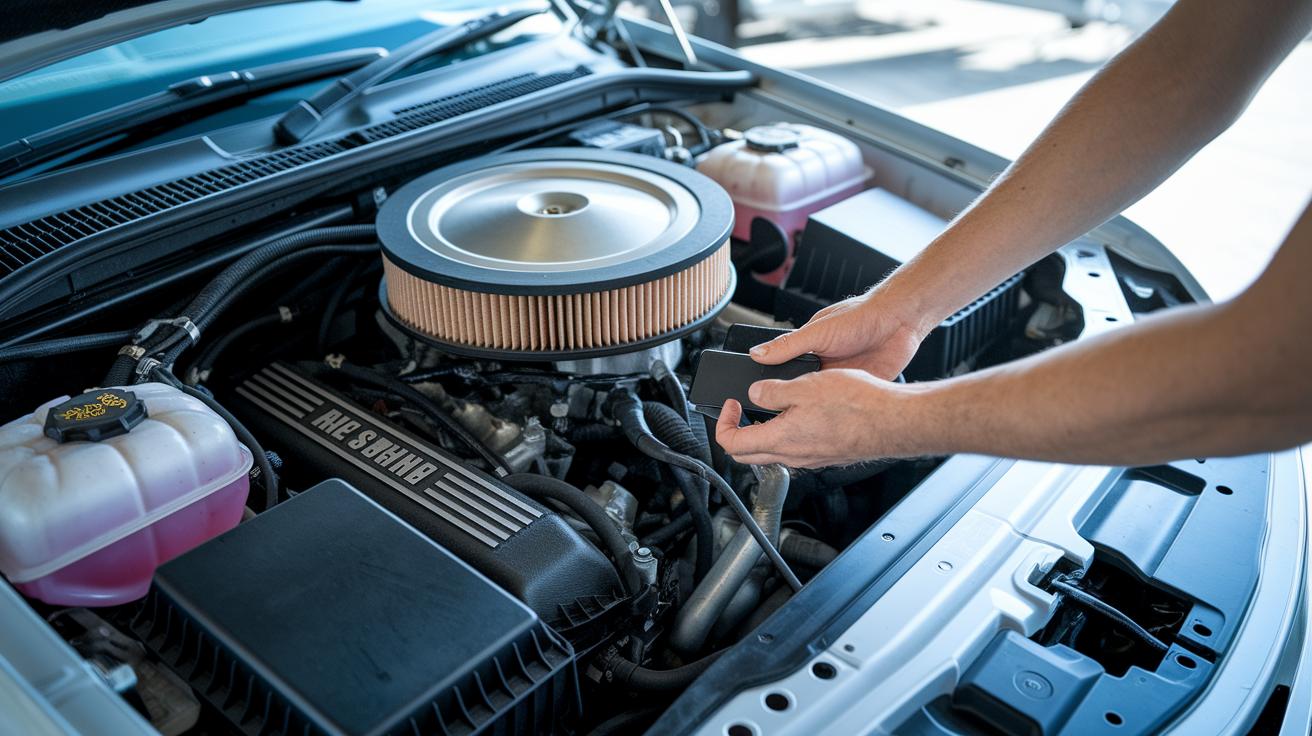
Taking care of your air filter is like giving your engine a fresh breath. First, pop open the air filter box under the hood, it's usually held in place by a simple plastic cover. Gently remove the old filter and take a quick look at its condition; if it's clogged or dusty, it’s time for a change. Generally, swapping out the filter every 12,000 to 15,000 miles keeps your engine happy and running smoothly. When you insert the new filter, make sure it fits snugly with no gaps. A quick test? Start your engine for a minute to check that no air is sneaking in around the filter box.
Wiper Blade Change
Wiper blades are key for seeing clearly when it’s raining or snowing. Here’s how to swap them out: lift the wiper arm until it locks into a raised spot, then press the clip to release the old blade. Slide off the worn-out blade and hook the new one onto the arm until it clicks in place. It’s a good idea to change your blades every year or whenever you see streaks or tears on the glass, it's like giving your windshield a fresh, clean swipe before every drive.
Spark Plug Replacement
Spark plugs are small but mighty, they help ignite your fuel and keep the engine running smoothly. Start by ensuring the engine is cool (this is important!). Using a spark plug socket and ratchet, carefully remove the old plug. Once it’s out, check the gap on your new spark plug, which should be between 0.028 and 0.060 inches. Thread it in gently by hand first, then use the ratchet to tighten it to about 15–25 lb-ft. After you’ve replaced the spark plug, keep an eye on your engine over the next 30,000 to 50,000 miles to make sure everything’s running as it should.
Tracking Maintenance and Budget-Friendly DIY Car Servicing

Keeping track of your car's service history is a clever way to keep your ride happy and avoid breaking the bank. Jotting down your mileage, service dates, and the tasks you finish not only keeps you on track with the car’s guidelines but also helps keep your warranty intact. For example, doing your own oil change might only set you back around $30 instead of the nearly $75 you’d pay at a shop, and swapping out brake pads yourself could cost about $40 compared to $150 if done professionally.
Keeping a written record helps you spot trends and plan your next steps. Here’s a simple way to get started:
- Keep a list of big services such as oil changes every 3,000 to 5,000 miles, air filter swaps roughly every 12,000 miles, and spark plug replacements around 30,000 miles.
- Write down seasonal checks like coolant, belts, and hoses so you can catch small issues before they get expensive.
Using a tool like the Car Maintenance Tracker can make recordkeeping a breeze. Think of it as your own personal timeline that shows when you did each service and hints at when the next one is due. It’s a handy way to compare how much you save doing it yourself versus paying a pro, and it helps you keep an eye on those expenses.
By noting down every detail, you not only save money but also get a clear picture of part prices over time. Reviewing your logs every now and then can uncover more ways to save, ensuring your car stays in tip-top shape for every confident mile you drive.
Final Words
In the action, we covered the basics of keeping your car running smoothly, from oil and filter changes to brake fluid checks and renewing spark plugs, wiper blades, and air filters. We broke down each task step by step and even showed how to save money with simple tools. Our guide supports your DIY car servicing efforts by providing a straightforward roadmap to keep your auto in top condition. Stay enthusiastic and keep learning as you build your confidence and skills, one maintenance task at a time.
FAQ
What does DIY car servicing entail?
The DIY car servicing involves doing routine tasks, like oil changes, filter replacements, wiper swaps, battery cleaning, and brake checks by yourself. It empowers you to save money while keeping your vehicle in top shape.
How do you service a car step by step?
The step-by-step car service includes warming the engine, draining the oil, replacing the filter, and refilling with the correct oil amount. Each step works together to ensure safe, efficient performance.
What are the best DIY car servicing practices for beginners?
The best practices for beginners focus on simple tasks such as checking fluids, replacing wiper blades, and inspecting brakes. This basic care builds confidence and keeps your car running safely.
Can I legally and safely service my own car at home?
The idea of servicing your own car at home is both legal and safe if you follow proper safety guidelines, use the right tools, and maintain detailed records to support warranty and maintenance standards.
Is it a good idea to service your own car?
The idea of self-servicing your car can save money and help you learn useful skills, provided you follow clear instructions and use quality tools for each maintenance task.
Where can I find DIY car maintenance resources?
The DIY car maintenance resources include online forums like Reddit, dedicated websites, and mobile apps offering checklists and reminders to guide your at-home auto care projects.
What should a DIY car maintenance checklist include?
The DIY car maintenance checklist covers tasks like oil changes, air filter swaps, wiper blade inspections, battery cleaning, and brake fluid checks to help you track and manage your vehicle’s upkeep efficiently.