

Ever think your everyday drive might soon get even smoother and simpler? Cool tech is mixing smart features with green ideas to change how we hit the road. Shared rides, self-driving cars, and electric vehicles are already changing the game. With fewer personal cars around and more connected systems taking over, our streets are turning into a testing ground for tomorrow's travel. And that means safer, cleaner, and more user-friendly journeys for all of us.
Key Trends Defining the Future of Mobility

The future of travel is already mixing green ideas with smart, user-friendly solutions that are changing the way we move every day. Surprising as it may sound, most people used to depend on their own cars. But these days, shared rides and digital tools are taking over. For example, projects like iMOVE’s ZOE2, a Renault Zoe modified for advanced Level 4 automation in Queensland's Mount Cotton, Ipswich, Bundaberg, and Mt Isa, are real-life tests of tomorrow’s tech.
It’s not just about high-tech upgrades either. How we choose to travel and the way our roads are built play big parts in this shift. In fact, private car use dropped from 45% in 2022 and could fall to just 29% by 2035. This change shows that more people are turning to shared, connected, and even self-driving systems for their daily commutes.
Smart travel networks, easy-to-use designs, and forward-thinking policies are paving the way for a new kind of transportation. Whether you're driving or riding along, expect journeys that are safer, cleaner, and more linked up. Cities are even stepping up to redesign how they support this digital shift.
Looking ahead, these trends are not only transforming our daily commutes but also the way goods move around. Bold new tech has sped up smart transport systems, prompting urban areas to rethink transit and streamline connections between different transport modes. With technology, design, and changing habits all working together, the future of mobility holds endless, exciting possibilities.
Electric Vehicle Revolution in the Future of Mobility

Investing in a greener future is really taking off as electric vehicles speed into the spotlight. Big investments are flowing into everything from everyday cars to buses and trains, all to help us cut down on pollution. Governments and car makers are teaming up to build more charging stations, making it easier to plug in and go.
Imagine this: you pull up to a parking lot and right there, next to a safe spot for your bike, is an easy-to-find charging station. This isn’t a far-off dream, it’s happening now as our cities and transit systems switch to electric power.
Plans to reach carbon-neutral mobility by 2040 are pushing everyone to change. New policies, incentives, and shortcuts are helping both regular drivers and businesses make the switch. And as our cities get smarter, charging spots are being built right into new public spaces, making our towns cleaner and greener.
The buzz around electric vehicles is more than just a trend; it’s a whole new way to think about getting around. Charging hubs aren’t just stops along the road anymore, they’re key building blocks for a sustainable, eco-friendly future.
Autonomous Transportation in the Future of Mobility
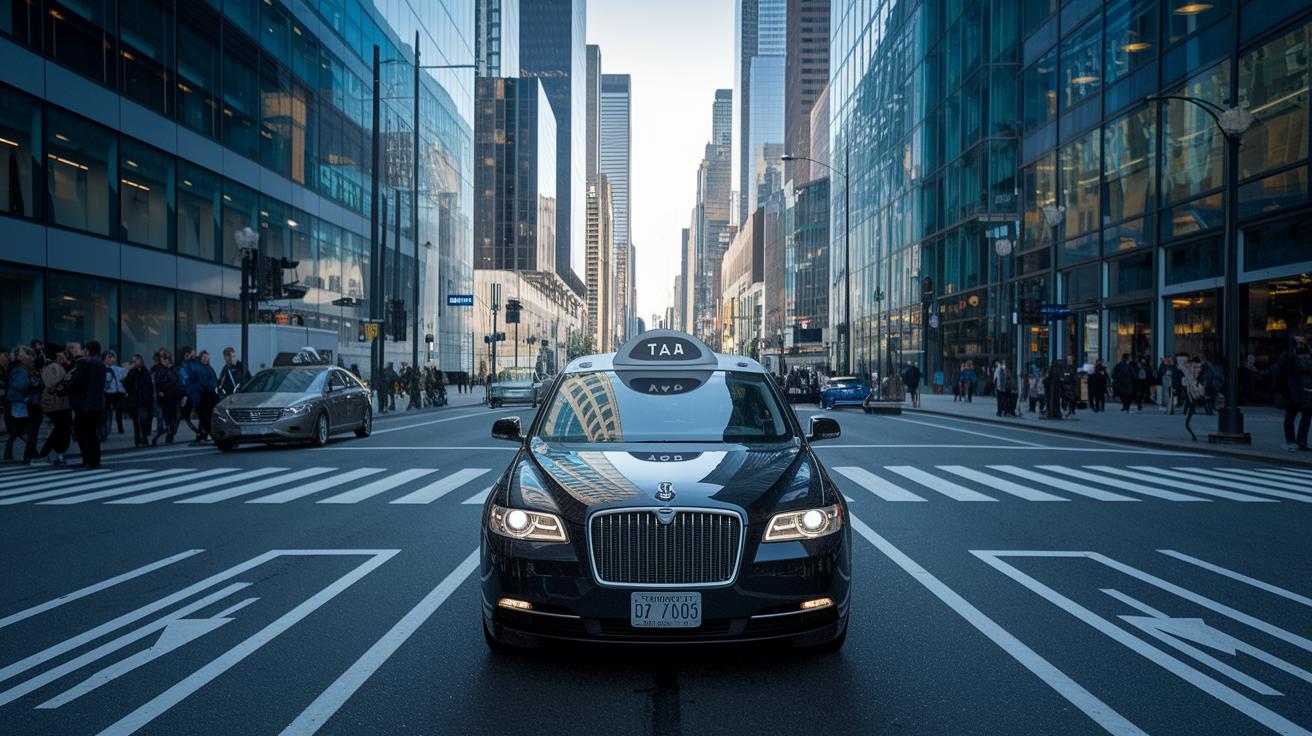
SAE International has set out six levels to explain how self-driving vehicles work, and these smart rides have leaped from tests into real U.S. cities. Driverless taxis aren’t just ideas anymore, they’re cruising busy streets and picking up passengers. Can you imagine? In Tokyo, back in 2025, Waymo kicked off a driverless taxi service that proved advanced robotics can safely whisk people around bustling city roads.
Over in Queensland, iMOVE’s ZOE2 Level 4 trials are lighting the way for bigger rollouts. These local tests are more than just a proof of concept; they’re shaking up work roles too. Instead of sitting behind the wheel, operators are now busy keeping an eye on cars remotely and helping passengers along the way. Picture this: a high-tech car chatting with city systems, like automated driving and connected cars, to smooth out traffic and quickly handle any surprises.
All around the world, companies like Baidu with Apollo Go are weaving autonomous vehicles into everyday life, even beyond mainland China. Sure, linking these vehicles with our current digital networks brings its own set of challenges, like making sure every system talks safely and seamlessly. But as tech experts and regulators figure out their new roles, the future of self-driving transportation is shaping up as a real team effort, a cool mix of human intuition backed by the precision of advanced technology.
Shared Mobility Solutions in the Future of Mobility
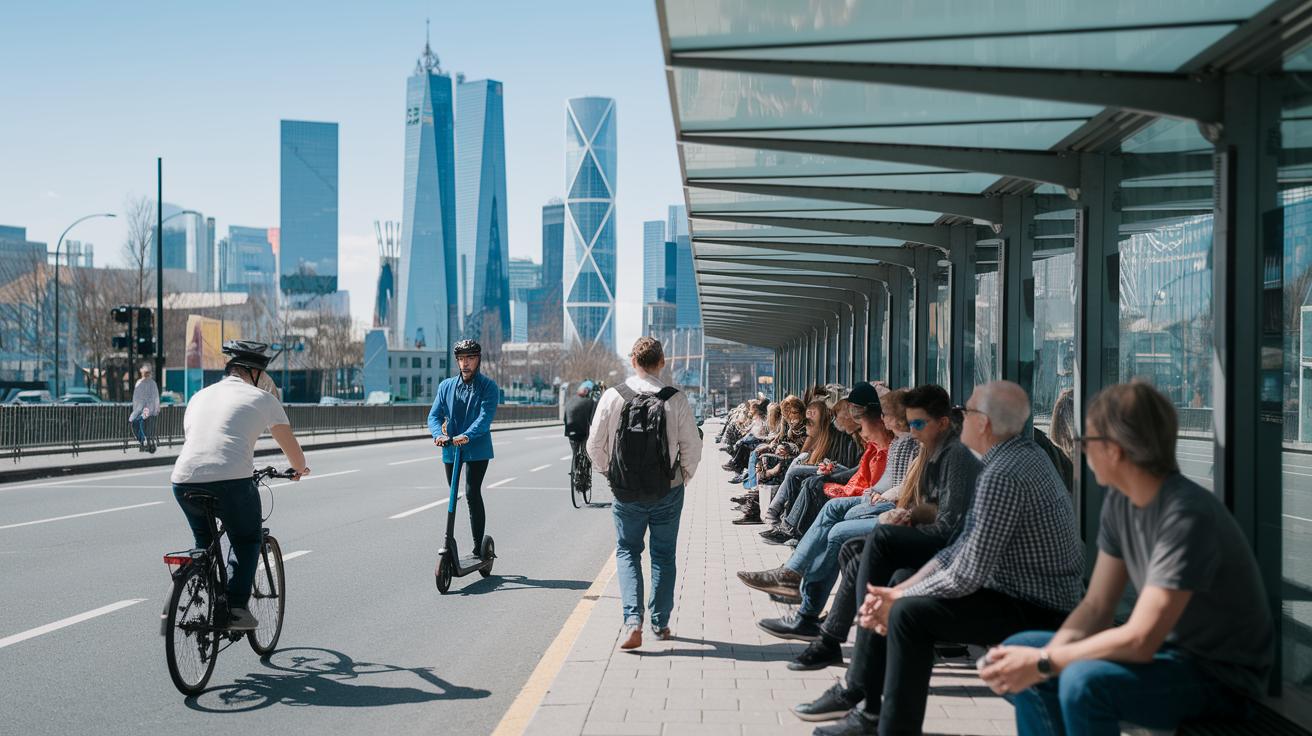
Getting around in the city is changing fast. Thanks to digital platforms, shared mobility has turned convenience and cost on their head. For instance, the ODIN PASS MaaS pilot in Brisbane logged 1 million public transport trips by May 2023. That means more than half the people using it left their own cars at home. It’s clear a lot of folks now prefer paying for each ride instead of owning a car.
And there’s more to it. Micro-mobility options like e-scooters and bikes along with ride-hailing services are slicing down lone car trips. Imagine hopping on an e-scooter for a quick ride to the bus stop or snagging a ride without the headache of finding parking. It’s almost like grabbing your favorite snack when you’re hungry! These digital platforms mix different transport choices together, making travel smoother, cheaper, and kinder to the planet.
Key strategies include:
- Expanding subscription models so you pay per ride.
- Using digital apps that bring various transport services into one easy-to-use experience.
- Boosting vehicle use with on-demand rides that fit the city’s pace.
This trend is paving the way for a future where urban travel isn’t about car ownership; it’s about accessing the right service when you need it, making your journey both efficient and in tune with modern life.
Connected Vehicle Technology for the Future of Mobility

Imagine cruising in a car that not only gets you where you need to go safely, but also chats with the city's traffic system in real time. Thanks to IoT sensors and cameras that work right at the edge, your car can instantly share data with roads and control centers. For example, when a sensor spots slowing traffic, it quickly alerts nearby signals, making stops and starts much smoother. Fun fact: one smart city pilot saw a drop in intersection wait times by nearly 20%!
Smart mobility isn't just about stopping traffic delays. Some innovative pilots are linking traffic lights, parking spots, and even bus schedules. When all parts of the transport chain work together, it eases congestion and cuts down surprises. At the center of this shift is vehicle-to-everything (V2X) communication. This tech not only improves safety, it also helps spot issues early on so drivers can get ahead of any problems.
Take a closer look at smart car connectivity features and you'll see how these systems keep vehicles one step ahead. They ensure quicker responses in emergencies and simplify fleet management. This tight communication network is setting the stage for a future where efficient, safe, and smooth rides are the new normal.
Environmental and Policy Impacts on the Future of Mobility

Rules and smart policies are changing the way we move around. New environmental limits and clean-air zones are making it easier for us to breathe and enjoy our cities. Imagine a busy downtown street that used to be choked with smog but now feels like a fresh, open corridor because of these new changes. It’s like turning chaos into calm, all through simple, thoughtful rules.
City planners are also rethinking how neighborhoods work. Many are embracing ideas like the 15-minute city where you can reach everything you need by just walking or biking. This means less driving, quieter streets, and fewer greenhouse gases. And as this change happens, job roles are shifting too, from traditional driving to tech jobs in areas like software, data analytics, and customer service.
Here are some key moves driving this change:
| Measure | Impact |
|---|---|
| Emissions targets | Set clear limits to cut down pollution |
| Zero-emission zones | Keep certain areas free of harmful chemicals |
| Incentives | Motivate more people to use shared transport and green energy |
All these efforts are laying a solid foundation for a future where our travel is greener and our lives feel a little lighter. Isn't it inspiring to think about a tomorrow with cleaner air and smarter cities?
Future of Mobility: Emerging Digital Trends
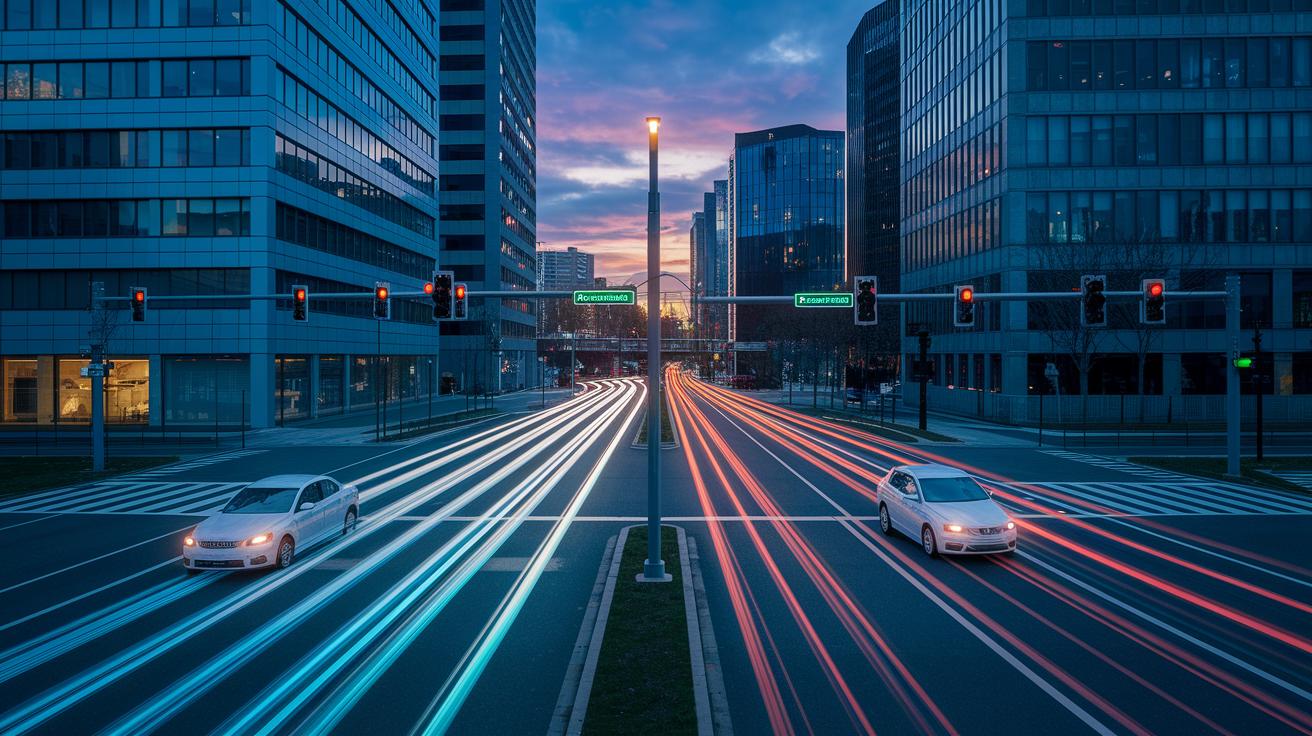
Digital innovation is revving up a shift from one-off tests to a fully connected system where cars, sensors, and city setups work hand-in-hand. Pilot programs are now exploring vehicle-to-everything tech, which lets cars communicate directly with smart traffic lights. For example, one test showed that using data to tweak signals nearly halved red light wait times.
Worldwide changes in rules are also steering these tech trials. New policies in key markets help set up safe ways for cars and infrastructure to share data. Thanks to this, more tests are blending real-time communication with AI-guided route planning to make busy streets safer and less congested.
Fresh digital projects are revealing breakthroughs we haven’t seen before. Some trials using advanced sensor networks combined with AI-based traffic control have cut urban congestion by as much as 15%.
| Emerging Focus | Key Development |
|---|---|
| Connected Infrastructure | Cars chatting with smart traffic systems to reduce wait times |
| Policy Frameworks | New rules that support safe data sharing between vehicles and infrastructure |
| Digital Pilot Programs | AI-powered traffic control tests that lower congestion by up to 15% |
Final Words
In the action of reshaping transport, we examined how new tech, from electric vehicles and self-driving trials to connected systems, can change the way we travel and care for our rides. Short recaps of shared services, smart policies, and real-life examples highlighted shifts waiting to be seen on our roads.
Everything points to a more efficient and sustainable future of mobility, sparking optimism for drivers ready to embrace the road ahead.
FAQ
What does future of mobility 2025 mean?
The future of mobility in 2025 means smart systems, expanded connectivity, and sustainable options reshaping travel. We envision more electric vehicles, autonomous trials, and integrated transit reducing private car use.
What do future of mobility companies do?
Future of mobility companies drive tech adoption and policy change by investing in electrification, shared systems, and smart connectivity to shape efficient, sustainable transport networks across regions.
How does McKinsey view the future of mobility?
McKinsey’s perspective on future mobility reflects trends like EV growth and automation, revealing a shift toward integrated and sustainable solutions powered by detailed data analysis and industry expertise.
What is Deloitte’s take on the future of mobility?
Deloitte’s outlook on future mobility centers on digital integration and smart infrastructure, emphasizing shared mobility, electrification, and policy reforms to boost urban travel efficiency and lower emissions.
What is the meaning of future of mobility?
The future of mobility means a shift to tech-based, green transport systems that mix electric, autonomous, and shared travel options, enhancing efficiency, connectivity, and sustainable urban planning.
What is covered in the McKinsey future of mobility PDF?
The McKinsey future of mobility PDF report outlines trends in EV growth, automation, and shared services, providing detailed analysis and forecasts for the evolving transportation industry.
What does the Future of Mobility podcast discuss?
The Future of Mobility podcast features chats on EVs, automation, and sustainable transit trends, offering insights from experts and innovators driving efficient, technology-driven travel solutions.
What marked the state of future mobility in 2022?
In 2022, future mobility saw early shifts toward EVs, shared services, and initial autonomous tech trials that set the stage for accelerated sustainable transit change.
What is the future of mobility in 2050 like?
The future of mobility in 2050 envisions highly automated, interconnected, and eco-friendly transport systems, where shared, smart, and sustainable travel options dramatically reduce private car use.
Is emobility the future?
Emobility is a key part of future mobility, focusing on electric-powered vehicles and supporting infrastructure that reduce emissions and support efficient, interconnected travel systems.
Who is the head of future mobility?
The head of future mobility isn’t linked to a single individual; global companies and industry leaders work together to shape strategies and policies for sustainable transport innovation.
How will urban mobility change by 2030?
By 2030, urban mobility will feature integrated, tech-enabled systems that curb private car use, with shared, electric, and autonomous services reshaping city travel while lowering congestion and emissions.