

Ever wonder if your test drive plan is missing a step or two? A little bit of homework can really change things up when you're choosing your next ride. This guide will walk you through some simple, friendly tips to test drive like a pro. We'll show you how to look for that perfect model, check out the must-have features, and even tackle that tricky insurance part. Get ready to boost your confidence and enjoy every twist and turn along the way.
How to Test Drive a Car: Simple Success
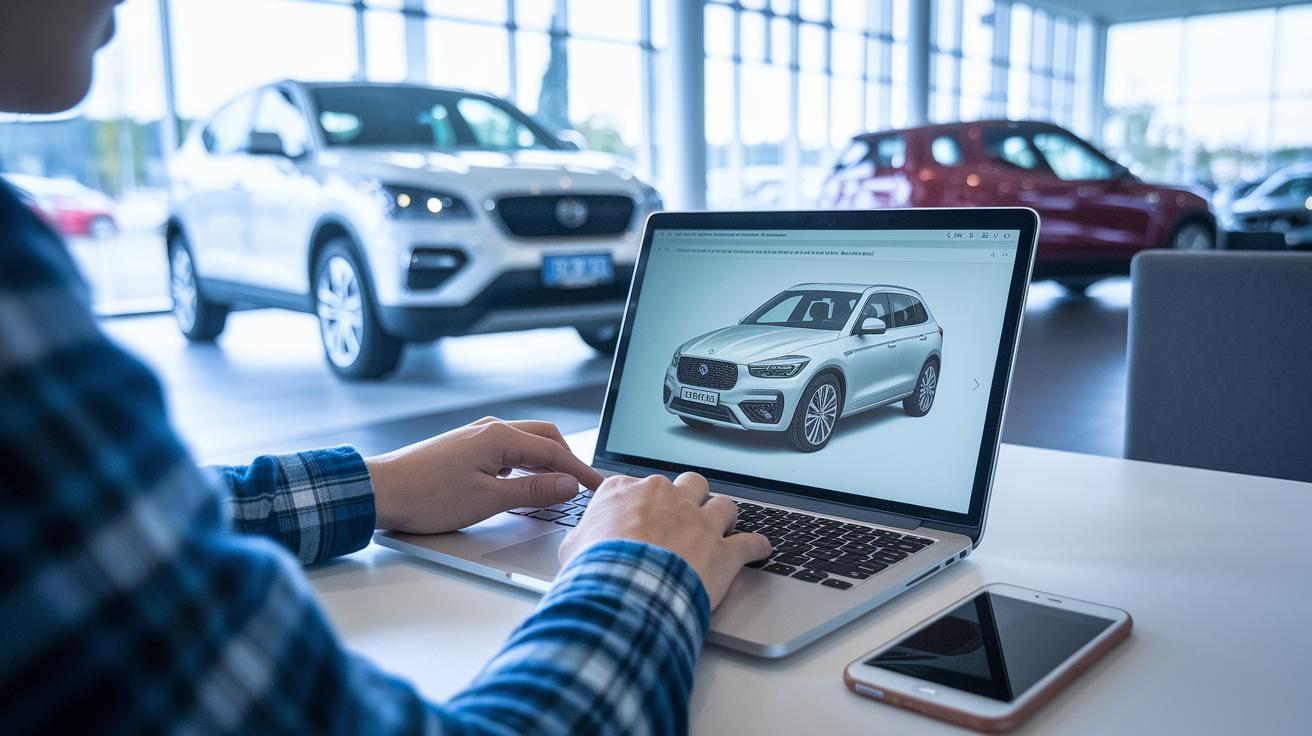
When you're ready to test drive a car, it's smart to do a little homework first. Use online buyer's guides and reviews to compare models, features, fuel economy, and prices. This way, you can focus on the vehicles that really match your needs. Check out any extra upgrades and read what others say to get the full picture. And make sure you meet the dealership's age rules and have a valid driver's license so nothing unexpected comes up.
Set your appointment a day or two in advance by calling the dealership or using their website. Let the salesperson know you’ve done your research and are ready to compare different models. It shows you're a serious buyer who knows what they're looking for. Think of it like planning a pit stop, you want enough time to check every detail before you take the ride.
Before you head out for your test drive, double-check your insurance coverage. Look over your current policy or ask the dealership if they offer temporary trial insurance. You might even want to peek at some car insurance guides online for extra tips. Taking these steps keeps you safe and sound while you get a feel for the vehicle. With your research done, your appointment set, and your insurance sorted, you're all set for a smooth, worry-free test drive.
Pre-Ride Inspection Checklist for Your Car Trial
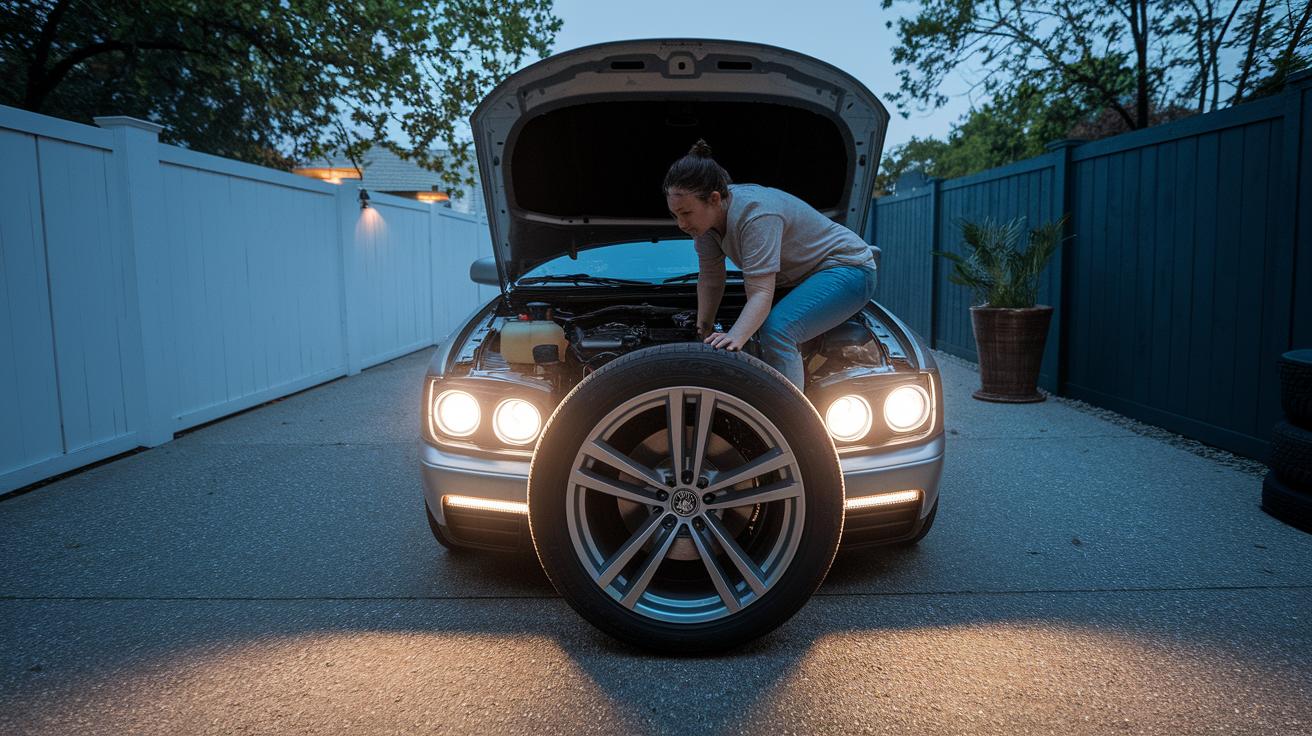
Before you take the car out for a spin, it’s a smart move to do a quick check-up. Start with the tires, make sure they’re pumped up just right and have plenty of tread left for a safe drive. Take a moment to glance at the fluid levels in the engine, coolant, brakes, and even the windshield washer. This little step can really save you from any surprises later on.
Have a close look at the car’s exterior too. Check for any dents, uneven paint, or tiny chips on the windshield that might suggest past damage. And don’t forget to test the lights, turn signals, and horn, these small details can often tell you if something’s off.
Inside, adjust the seats until they feel comfortable and ensure the seatbelts lock in securely. Make sure the mirrors and windows move without any issues. Give the infotainment system a quick test to see that it responds well, which can be a huge bonus during your drive. If you can, ask to see any service records so you have a better idea of the car’s history.
This straightforward inspection can help you catch any potential problems before you hit the road.
- Tire pressure and tread depth check
- Fluid levels: engine oil, coolant, brake fluid, and windshield washer fluid
- Exterior look for dents, paint inconsistencies, and windshield chips
- Test lights, turn signals, and horn functions
- Verify seat adjustments, seatbelt clicks, and mirror alignment
- Check window operations and infotainment responsiveness
- Review available maintenance logs or service records
Step-by-Step Car Demonstration Techniques on the Road
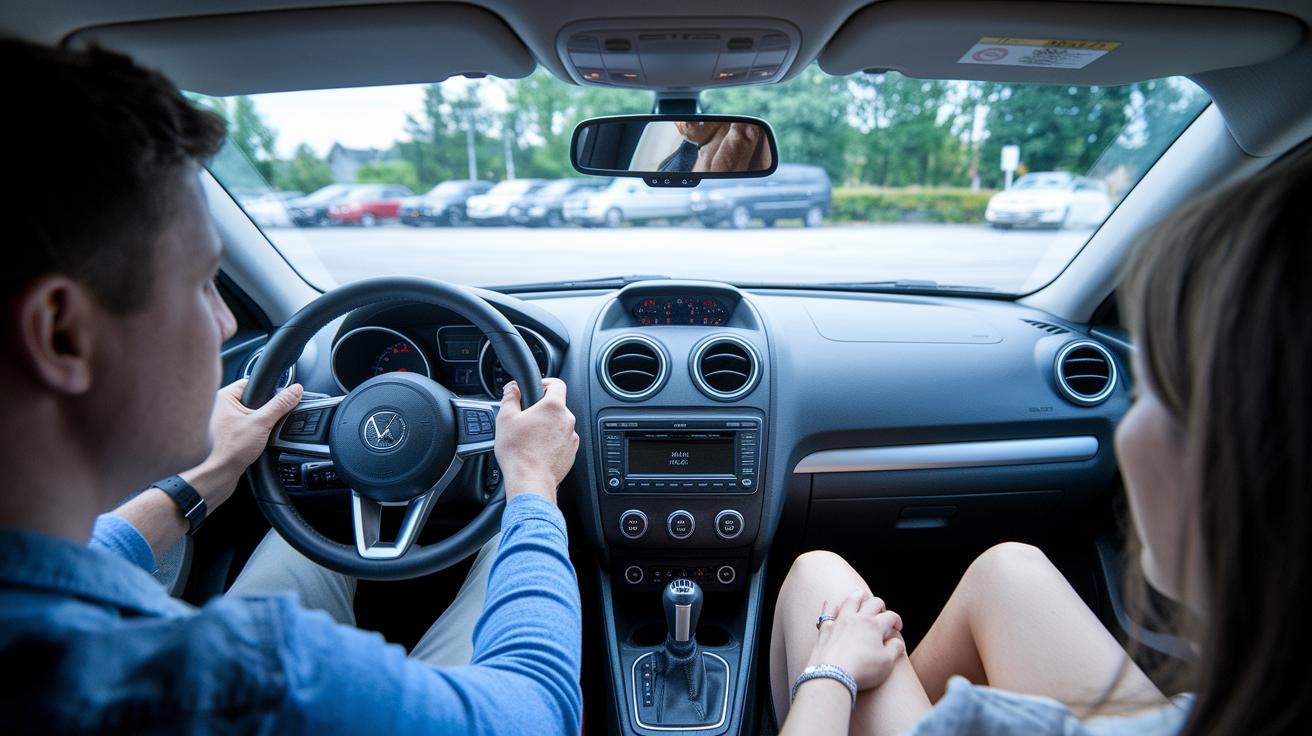
When you first hop into a car for a test drive, pick a quiet spot where you won’t be bothered. It’s the perfect chance to get comfortable with the basics, like tapping the accelerator, using the brakes, and steering gently, without any distractions. Once you’ve got a feel for these, try a few more challenging spots to see how it handles on busier roads.
Familiarizing with Basic Controls
Start by adjusting your seat and mirrors until everything feels just right for you. Then, take a moment to press the pedals. Lightly tap the accelerator to feel how the engine responds, and test the brake to make sure it feels solid. Think of these steps as setting up your personal cockpit before you head out on a ride. It’s all about making sure you’re comfortable and ready.
Urban Driving Assessment
Next, drive into a city-like environment where traffic moves slowly and stops frequently. This is your chance to see how the car deals with quick turns and sudden stops. Try maneuvering through tight spaces and pay attention to how quickly the brakes react and if the car stays balanced when you change directions. It’s like taking a quick tour through a lively neighborhood, testing every move along the way.
Highway Performance Evaluation
Now, let’s kick it up a notch by heading onto a highway where speeds range from 30 to 60 mph. Gently increase your speed to check out how well the car accelerates, and if it has cruise control, give that a try too. The ride should feel both energetic and stable, kind of like finding that perfect groove on an open road where everything just flows.
Cornering and Maneuverability
Lastly, put the car’s handling to the test with some sharp turns and lane changes. Make slow, careful curves to see how tight the turning circle is, then shift lanes quickly to check if the steering reacts fast enough. If the car feels smooth and responsive during these maneuvers, it’s a great sign that the handling is spot on.
Evaluating Vehicle Performance During a Car Test Drive

When you're taking a car for a spin, start by noticing how it reacts when you press on the gas and the brakes. How fast does it spring into action? Check how quickly it goes from a stop to 30 mph. And while doing this, listen up, does the engine or transmission make any funny sounds when you apply pressure? Also, see if the throttle responds directly, without any hesitation. When you hit the brakes, they should feel firm and trustworthy, giving you that secure feeling. Plus, pay attention to how the suspension handles bumps, letting the car glide smoothly rather than jostling you around.
| Metric | What to Observe | Example |
|---|---|---|
| Acceleration | Gas response, time from 0 to 30 mph | Smooth start in under 3 seconds |
| Braking | Brake pedal feel, stopping distance | Firm pedal, stops within ~120 ft |
| Suspension | Ride comfort, noise over bumps | No harsh jolts on uneven roads |
| Steering | Responsiveness, feedback | Quick, accurate turn at 45 mph |
After you jot down your first impressions, back them up with some numbers. Compare these metrics to see if the car suits your driving style and meets safety expectations. Notice if the suspension genuinely smooths out the ride and if the steering gives you that prompt, clear feedback on a swift turn. A solid performance check like this helps you decide if the car delivers the balanced drive you’re looking for. By blending quick observations with clear data, you'll get a true picture of what the car can really do on the road.
Assessing Comfort and In-Car Features on a Test Drive
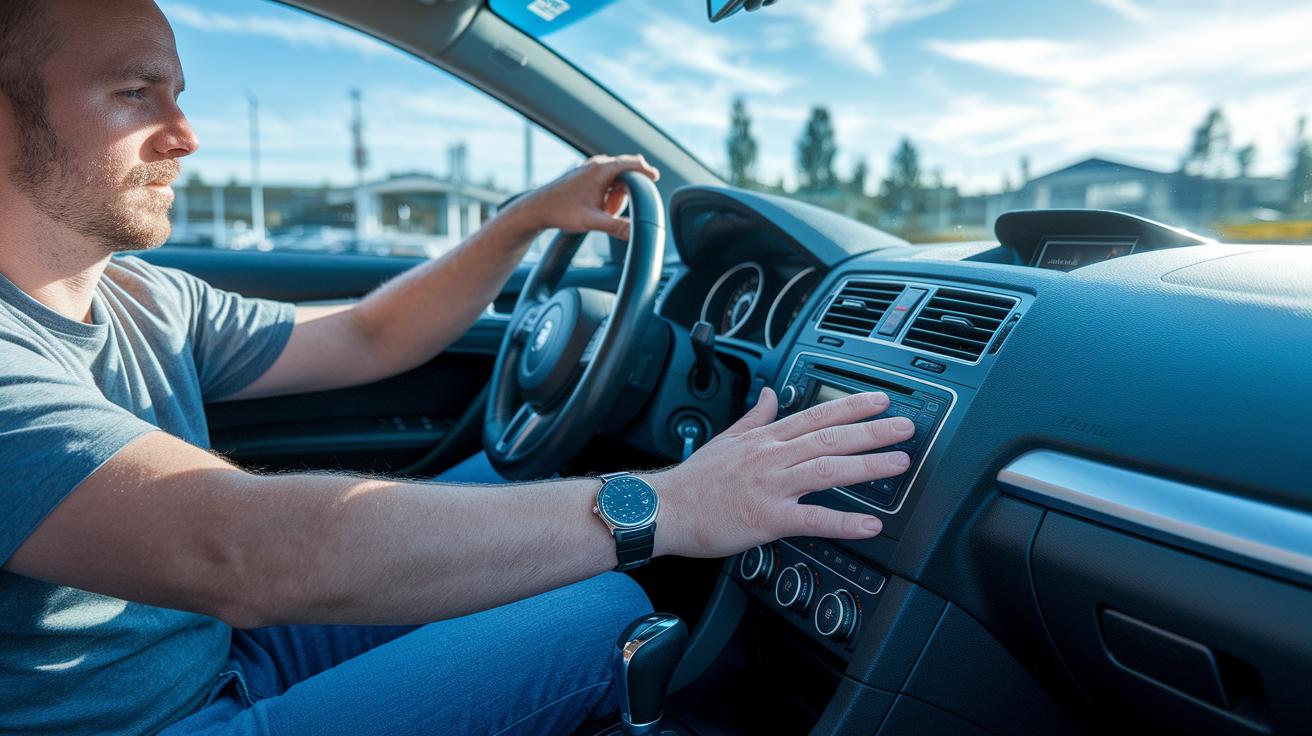
When you're behind the wheel on a test drive, take a moment to notice the little details in the cabin. Instead of just fiddling with the basic controls, feel out the quality of the seats, dashboard, and trim. Touch the materials, and see how the design makes you feel at home. Also, keep an ear open for any background noise, the gentle hum of the climate control on a breezy day can make a big difference.
- Check out the feel of the seat fabric and dashboard textures.
- See how well the controls are placed and if they’re easy to reach.
- Listen to how the car’s ambient sounds add to the overall vibe.
- Test how the climate system adjusts to changing conditions.
- Notice the finishing touches, like the grip of the steering wheel and the details on the dashboard.
Testing Safety Systems and Handling in a Car Trial
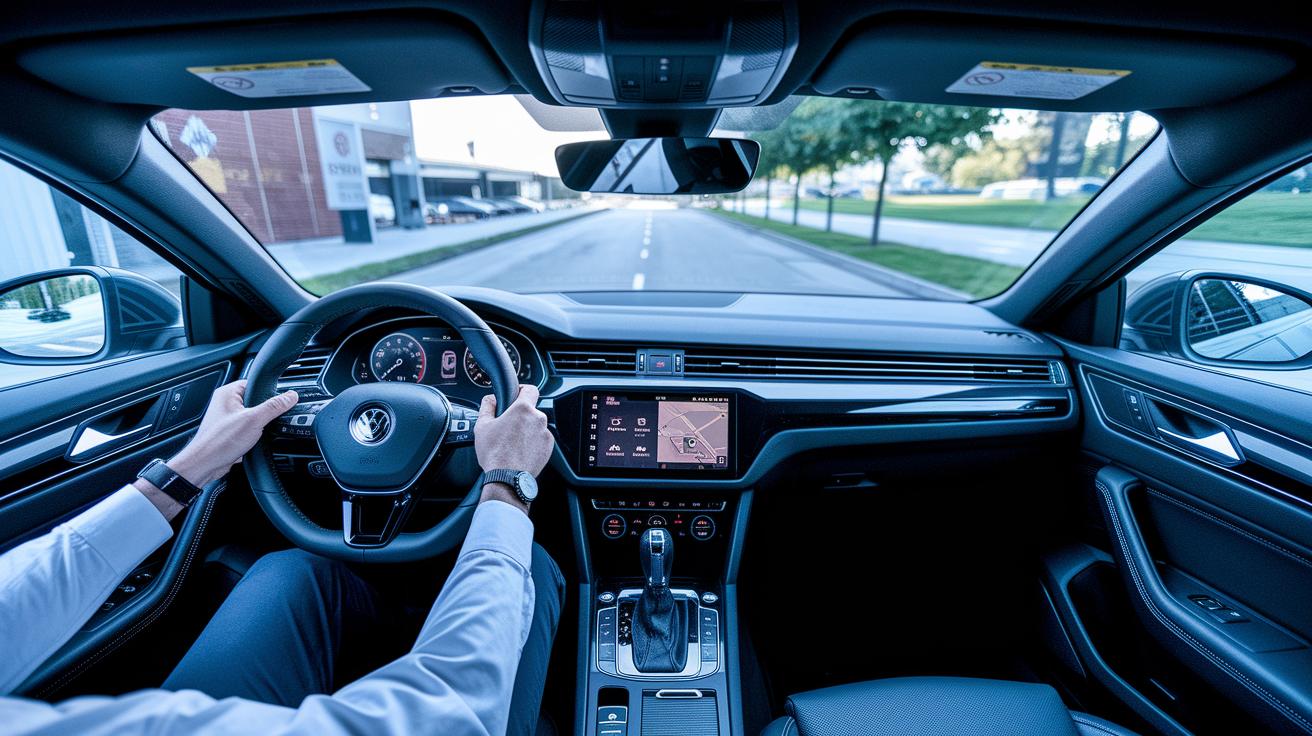
Before you set off on your test drive, take a few minutes to check out the car's safety features. Make sure the seatbelts click securely and that the pretensioners kick in when they should.
Once you're on the road, try out the high-tech tools like blind-spot monitoring, lane-keep assist, and adaptive cruise control. Notice how quick and steady they are in real driving situations.
Give the emergency brake a gentle test at low speeds. A fast, firm stop shows that the system’s tuned just right. At the same time, glance at the dashboard to be sure the airbag indicators are clear and the anti-lock brakes (ABS) look like they're working perfectly.
During your demo, safety comes first. It's a great idea to have a co-driver to help watch for any issues, and keep chatting with the salesperson so you don’t miss anything important.
Avoid any aggressive driving that might hide problems. Stick to a smooth, steady pace so you can really check how each safety system performs.
- Check that your seatbelt clicks in place and that pretensioners activate.
- Test the blind-spot monitor, lane-keep assist, and adaptive cruise control.
- Use the emergency brake at low speeds to see how quickly it responds.
- Peek at the dashboard to ensure airbag indicators are clear and ABS works properly.
- Follow safe demo practices by having a co-driver and maintaining clear communication.
Post-Test Drive Review and Decision Making for Car Buyers
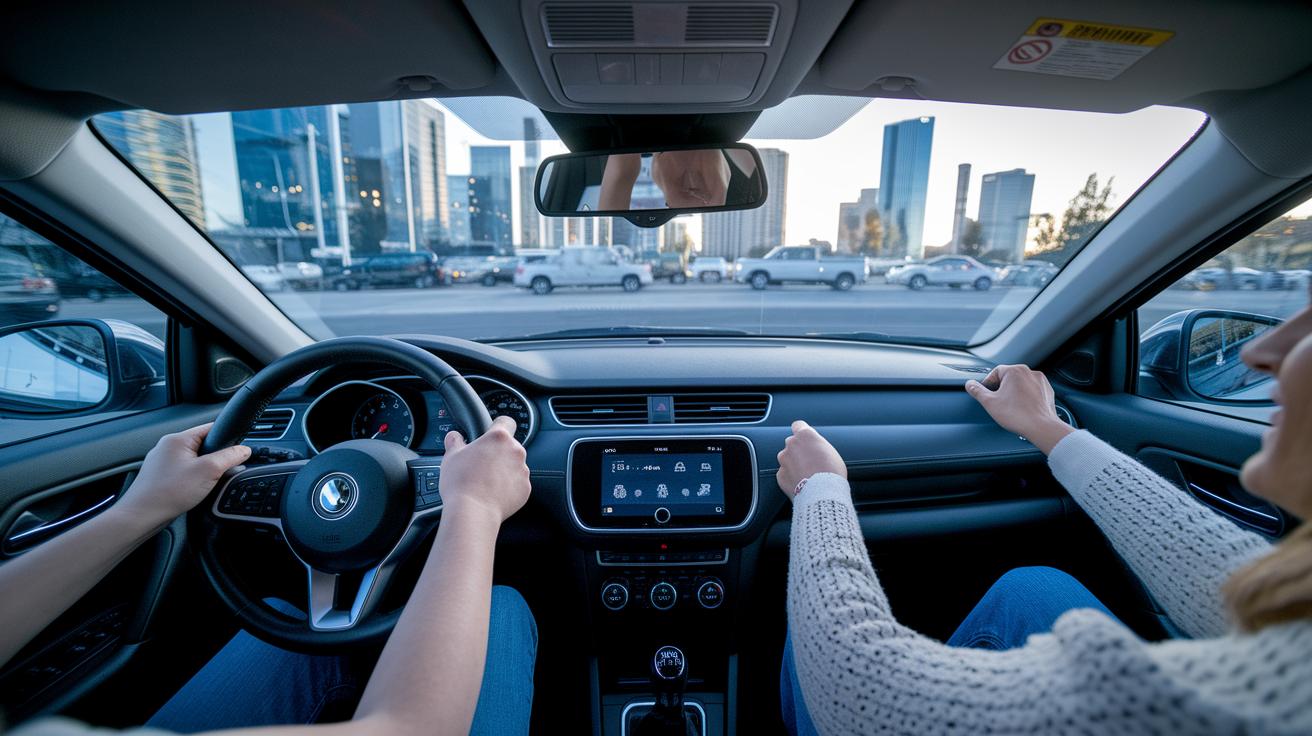
After your test drive, take a few minutes to jot down everything you noticed. Write down details like the noise levels, ride quality, and any odd vibrations you felt along the way. Think about how comfortable the ride was and whether all the features worked as they should in everyday conditions. Also, note what you thought about the dealership service, from how easily you could schedule a follow-up to the clarity of their explanations about maintenance and warranty. This simple list will help you compare each car later on.
- Handling rated on a 1 to 10 scale
- Comfort and ergonomics review
- Technology and feature performance
- Safety systems and responsiveness
- Dealer service and follow-up experience
- Pricing clarity and available add-ons
With these points in mind, go back through your notes and rate each vehicle based on these factors. Compare how each car fits your driving needs and personal style. This clear approach lets you zero in on a car’s strengths and any areas that might need a second look, making it easier to ask the right questions about pricing, upgrades, or delivery times. By putting your observations together, you can confidently pick a ride that not only looks great on paper but also feels great when you drive it.
Final Words
In the action, we explored everything from setting up your test drive details, researching your makes and models, booking an appointment, and checking insurance, to examining the vehicle’s condition and features before you hit the road.
We broke down key steps like scrutinizing the pre-ride checklist, testing safety systems, and evaluating on-road performance with practical maneuvers.
By reviewing your impressions and comparing notes, you'll know exactly how to test drive a car with confidence and a smile.
FAQ
How to test drive a car without buying
The way to test drive a car without buying is to schedule a trial stint with a dealership. Bring your driver’s license and verify your temporary insurance options before riding off for your test drive.
How to test drive a car at home
The method to test drive a car at home involves arranging a home pick-up trial with some dealers. They may deliver the car to your location so you can evaluate its features in a familiar setting.
How to test drive a car on Reddit
The discussion on Reddit often shows drivers sharing their experiences and tips on test drives. Users suggest planning your route, checking your documents, and asking dealers about any extra trial options.
How to test drive a car online
The process to test drive a car online uses virtual appointments or interactive video sessions. While not a full drive, these demos help you see the car’s features remotely before visiting a dealership.
How to test drive a used car
The approach to test driving a used car is similar to a new car. Request maintenance records, check for any visible wear, and take a close look at the ride quality and handling during your trial drive.
New car test drive Checklist pdf
The guide for a new car test drive checklist pdf provides a downloadable resource with key inspection items such as exterior condition, control tests, and feature reviews to help you stay organized.
Test drive cars near me
The method to find test drive cars near you is to visit dealership websites or use auto marketplace tools. Filter your search by location and schedule an appointment to try out your desired models.
How to test drive a car for a day
The tactic for a day-long test drive is to talk with the dealership about extended trial options. Some dealers offer full-day rides so you can thoroughly experience the car during everyday use.
What are the requirements to test drive a car?
The requirements to test drive a car include having a valid driver’s license, meeting minimum age criteria, and providing proof of insurance or accepting dealer-provided trial coverage as needed.
Can I ask to test drive a car and what do I need for it?
The process for simply asking to test drive a car typically means contacting your local dealer with your valid license and insurance details. They will confirm your eligibility and provide any additional instructions.
How do I let someone test drive a car?
The way to let someone test drive your car is by asking for their valid driver’s license, verifying their insurance or coverage, and setting clear terms for a safe and supervised trial drive.