

Ever wonder why so many car shoppers check out online reviews before picking a ride? It’s like getting advice from a group of trusty friends who’ve been there. These reviews spill the beans on everything, from fuel efficiency and safety to how comfy the car feels and even how well you’re treated at the dealership.
Think about it: instead of wading through confusing details, you’ve got real-life stories to steer you in the right direction. It’s a bit like having a buddy who’s already done the legwork, making the whole car-hunting process a lot smoother. With honest opinions just a click away, you can hit the road knowing you’ve chosen a car that really fits your needs.
Leveraging Online Reviews to Optimize Car Shopping Decisions

Online reviews have changed the car-buying game. Today, more than 90% of buyers check what others have to say online rather than relying solely on a friend’s advice. In fact, 64% even look at dealership ratings before stepping onto the lot. This means that real opinions are guiding a lot of our car research.
Reviews spill the beans on everything from gas mileage and safety features to comfort and how dealers treat their customers. For example, if you’re weighing the Ford Explorer against the Toyota Highlander, these reviews help you build a clear picture of what each car offers based on actual experiences.
Here’s a smart tip: sort reviews by date so you get the freshest opinions. Ever notice how a recent review can tip the scales? One buyer shared, "Before making my choice, I dug into user comments about the Explorer’s fuel efficiency and solid build." It’s like having a group of trusted friends fill you in with their honest thoughts.
In simple terms, using online reviews means adding real feedback into your car-shopping mix. This helps you make choices that you can feel good about, turning the competitive world of buying a car into a smoother, more confident ride.
Leveraging Online Reviews: Top Platforms for Reliable Car Shopping Feedback
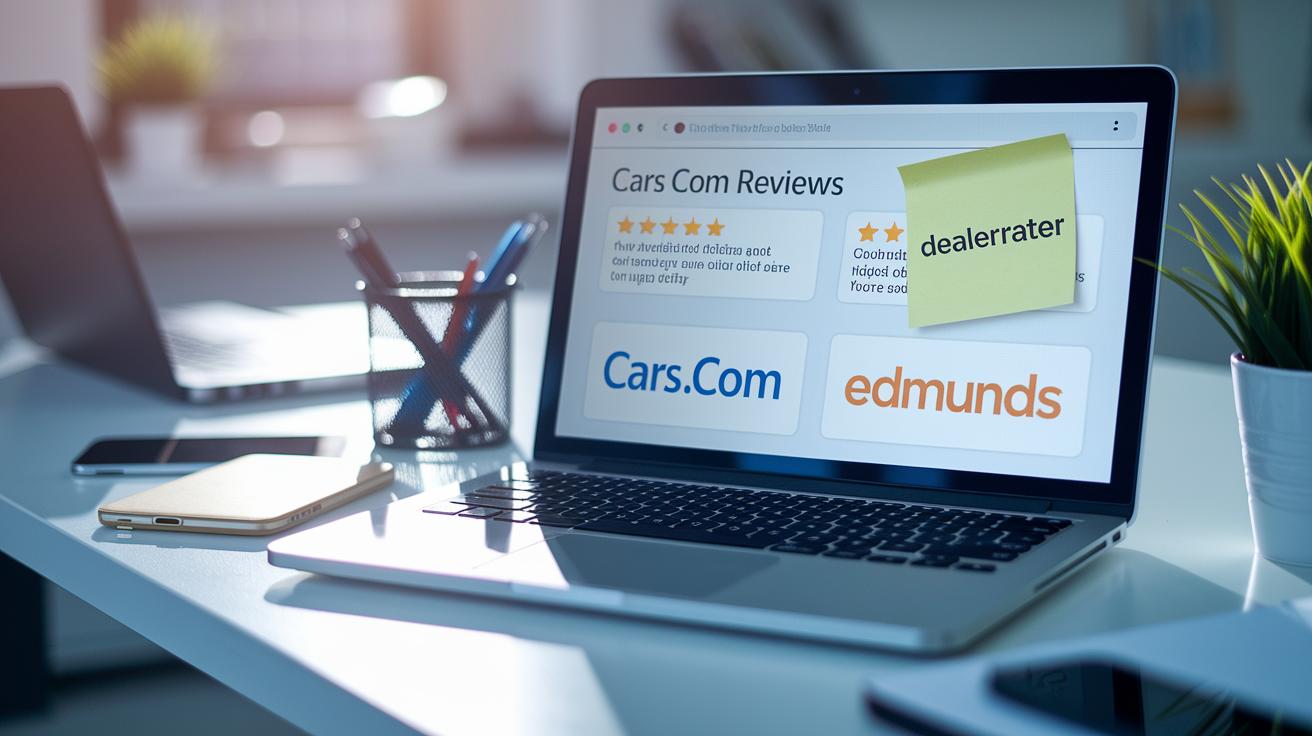
When you're shopping for a car, trusted sites like Cars.com, DealerRater, and Edmunds.com offer real-deal insights from actual buyers. Cars.com, which has been around since June 1998, attracts around 26 million visitors every month and features nearly 20,000 dealerships. Think of it like a giant conversation among drivers, each sharing their own story, one buyer even mentioned how those detailed reviews made choosing their car a whole lot easier!
DealerRater is another busy hub, with 7 million reviews reaching over 34 million users each month. It's like a huge suggestion box where countless car fans leave their thoughts, letting you know if a dealer is honest and if their service is top-notch.
Since 2021, Edmunds.com has been part of Carmax, and it brings together expert advice and real testimonials from drivers you can rely on. Plus, tools like Google Reviews and Maps make it super simple to check out current dealership ratings in your own neighborhood.
Don't forget about Yelp, which boasts 224 million reviews, with auto-dealer feedback making up about 6% of its content, and Facebook, where hundreds of thousands of dealer ratings are shared. Other handy tools, like Kelley Blue Book for real pricing info and CarGurus for clear comparisons, also add to your arsenal.
Mixing these trusted sites together gives you a full picture of what to expect. With such a variety of honest opinions, you can shop for your next ride with confidence, knowing you’ve got all the facts right at your fingertips.
Leveraging Online Reviews: Methods to Verify Authentic Car Shopping Feedback
When you check online reviews, a few handy tips can help you tell real feedback from the rest. Start by spotting those verified-purchase badges that show the reviewer actually bought or used the car. If a reviewer has a lengthy history and shares both the ups and downs, like complimenting a car’s great fuel efficiency but also pointing out issues with the infotainment system, you can trust their feedback a bit more.
Next, take a look at reviews across sites like Google, Edmunds, and Yelp. When similar comments pop up on different platforms, that’s a solid sign the review is genuine. Also, pay attention to the dates; reviews that are too old might not take into account the latest updates. Watch out for overly generic praise or phrases that sound almost the same time after time, these can be hints of inauthentic reviews.
Another neat tip is to check if dealerships are replying to reviews. With about 86% of consumers valuing ongoing brand engagement, responses from dealerships add an extra layer of accountability. This back-and-forth can help you focus on reviews that truly reflect real buyer experiences.
Always remember to double-check new reviews too. Since car models can update quickly, the latest feedback will keep your car buying decisions smart and well-informed.
Leveraging Online Reviews: How to Analyze Aggregated Dealership Scores for Car Shopping

Looking for your next ride? Online reviews can really guide your choice. They don’t just boost local SEO, they build trust, draw in more visitors, and show you real customer experiences. In fact, a survey found that 64% of buyers check out ratings first. So, those scores are more than just numbers on a screen.
When you break down these summary scores, you get a better idea of which dealership might be best for you. Here are five key indicators to look for:
| Indicator | What It Tells You |
|---|---|
| Average Star Rating | Overall customer happiness |
| Total Review Count | How many customers have weighed in |
| Review Recency | The freshness of the feedback |
| Sentiment Trends | Common themes and feelings in the reviews |
| Platform Distribution | Diverse feedback from several review sites |
Digging into these scores gives you a clear picture of what buyers think, almost like reading a trusted friend’s advice. By using data-backed ratings, you turn scattered opinions into a neat summary that helps you compare dealerships fairly. And when you look beyond the surface, you get a sense of the long-term customer experience at each spot. So next time you’re car shopping, remember to put these reviews to good use!
Leveraging Online Reviews: Using Consumer Feedback to Enhance Negotiation in Car Shopping

Online reviews do more than just tell you if a car runs well, they also spill the beans on pricing details that can boost your bargaining power. Many buyers mention things like closing discounts or even hidden fees that some dealers try to sneak in. For instance, one review talked about an unexpected add-on cost in the final price, which then gave the buyer a solid reason to ask for a discount. It’s a good idea to ask, "Are there any extra charges in the fine print?" when you’re discussing the price. And when you see stories of dealers waiving fees to seal the deal, it can really work in your favor.
Try comparing what different buyers have paid by checking reviews on several sites. Even one negative review about poor service after the sale can be a good way to start a conversation with a dealer. Use these honest customer stories to back up your argument, build trust, and confidently ask for extra perks when negotiating your car purchase.
Mixing these insights with your own research turns reviews into a handy tool for scoring a better deal.
Leveraging Online Reviews: Best Practices for Systematic Feedback Evaluation in Car Shopping

If you're looking to dig deeper than just skimming reviews, try these steps to uncover patterns that go beyond the surface. This approach helps you gather insights that simple filters might miss.
Start by keeping an eye on frequently used phrases in the reviews. For instance, notice comments like "smooth ride" or "unexpected noise" to spot any trends.
Next, count how often words related to important aspects, like fuel efficiency or design issues, pop up. Look at these over a period of time to see if opinions change after a manufacturer update or fix.
Then, use a timeline to match review dates with changes in feedback. This way, you can clearly see when and how opinions start to shift.
Also, compare the star ratings given with the written comments. This can reveal connections that basic filters might overlook.
It’s a good idea to group reviews by location or dealer. Sometimes, patterns specific to a city or service center can highlight a local issue, say, a string of reviews from one area pointing to a common problem.
Finally, put together a simple visual summary. For example, you could create a table that lists each car model, its average sentiment score, and the recurring feedback points.
| Model | Avg. Sentiment Score | Key Points |
|---|---|---|
| Model A | 8.2 | Smooth ride, fuel saver |
| Model B | 7.5 | Infotainment lag noted |
| Model C | 7.9 | Strong safety features |
This method adds a data-driven twist to your review checks, making it easier to spot shifts in how a car is perceived over time. Happy car hunting!
Leveraging Online Reviews: Avoiding Pitfalls in Car Shopping Decisions

When you’re car shopping, leaning on just one review site might steer you in the wrong direction. A five-star rating sounds great, but sometimes it hides small issues that newer reviews catch. One buyer even said, "I later found out the car's fuel efficiency dropped after a software update, which a glowing old review didn't mention."
There are a few common traps to watch out for. Overly high or low ratings can mask the overall picture. Also, if you ignore the dates on reviews, you might miss out on updates or fixes. And relying on a single source might give you only a narrow view.
These pitfalls can lead you to make choices based on outdated or incomplete info. One recent review admitted, "I trusted older comments that missed a mid-cycle update, and it made me rethink features I valued."
To avoid this, compare reviews from multiple sites. Look for awards or ratings in the middle range, and take the time to read full comments so you catch the real details behind each score.
Final Words
In the action of leveraging online reviews for car shopping, we broke down how digital feedback shapes smarter buying decisions. We looked at top review sites, ways to spot honest customer input, and methods to use ratings for better price talks. The post offered clear steps to compare models and avoid common mistakes. By checking multiple sources, you’re set to make a confident decision when choosing your next ride. Keep your research friendly and practical, and enjoy the smooth ride ahead!
FAQ
What is the best website for car reviews and evaluations?
The best website for car reviews and evaluations blends expert analysis with buyer feedback. Sites like Cars.com offer clear ratings, in-depth comparisons, and real-user reviews to help you choose your next car with confidence.
Can you negotiate the price when buying a car online?
The ability to negotiate car prices online comes from using customer feedback as leverage. Insights from multiple reviews on discounts, fees, and dealer flexibility can guide you in securing a better deal.
Who is the best car reviewer?
The best car reviewer depends on what you value most. Many shoppers favor experts from sources like Edmunds or Cars.com, so pick a reviewer whose style and insights align with your personal car-buying needs.