Maintenance
Synthetic Vs High Mileage Oil: Superior Engine Care
By jamesdimon
September 14, 2025
Field Notes
Ever wondered if the oil you use could completely change your engine's story? Synthetic oil acts like a true hero, handling extreme heat and lasting longer between changes. And then there's high mileage oil, made for older engines with extra ingredients to help cut down on leaks and wear. In this post, we're chatting about both types, sharing simple facts and real benefits. Stick with us to see how choosing the right oil can keep your engine running smooth and help you avoid costly repairs.
Comparing Synthetic vs High Mileage Oil: Core Differences and Ideal Applications
Synthetic oil is a man-made product built with uniform base stocks that stand up to both hot and cold weather. It works great for newer or low-mileage engines that need to perform well under tough conditions. Imagine your engine keeping steady even when temperatures drop to –40°F or climb past 230°F. Plus, synthetic oil often lasts up to 15,000 miles, which can really help lower your overall maintenance costs.
High mileage oil, on the other hand, is specially made for engines that have run over 75,000 miles. It blends synthetic elements with traditional mineral oils and adds extra ingredients like seal conditioners and leak-stop additives. This means if your engine oil starts to look dark or sludgy, high mileage oil might just help reduce leaks and slow down wear while still keeping your engine well-lubricated.
Both types of oil are made for different needs. Synthetic oil gives you strong thermal protection and lets you go longer between oil changes, making it a smart choice if you stick to a regular schedule. High mileage oil is a practical pick for older engines, helping maintain performance and potentially saving you from costly repairs. Since oil changes can take up about 35% of your annual maintenance budget, choosing the right oil really pays off in keeping your engine healthy and efficient.
Chemical Profiles: Synthetic Versus High Mileage Lubricant Formulations

Synthetic Oil Composition
Full synthetic oils start out with carefully engineered base stocks like PAOs and esters. Think of it like making a perfect smoothie where every ingredient blends smoothly. These oils mix in friction modifiers, detergents, dispersants, and anti-wear agents to cut down on heat and friction. The bonus? Their even molecular make-up means the oil holds its thickness whether it’s freezing cold or super hot. It’s like having a well-tuned engine behind your wheel every day.
Plus, the additives work hard to stop any deposits from building up inside your engine. In simple terms, synthetic oil is built to keep your engine squeaky clean and well-protected even when you’re pushing it hard. Imagine it as having a full-service team in every drop, ready to boost engine durability and efficiency.
High Mileage Oil Composition
High mileage oil takes the best of synthetic formulas and mixes them with mineral oils to make a blend that’s just right for engines with over 75,000 miles. This oil is packed with extra detergents to help clear sludge and keep the engine parts by your side free of build-ups. It also has seal conditioners to help reduce leaks that can pop up as your engine ages.
Think of high mileage oil as a tune-up for an older engine. It includes special leak-stop ingredients, better detergents, and antioxidants meant to handle more oil use and the extra stress of an older engine. It’s like giving your car a restorative treatment that not only stops further damage but also helps your engine run more reliably for the long haul.
Every drop of these oils is designed with specific engine needs in mind, ensuring that whether your engine is new or seasoned, it gets the right kind of care for its mileage and driving conditions.
Performance Metrics and Longevity: Detailed Comparison
Let’s dive into some key details that add to what we discussed earlier. Below is a table that shows how different oil types stand up to long drain intervals and engine wear. This side-by-side view helps you choose the best oil for your engine's needs.
| Performance Factor | Synthetic Oil | High Mileage Oil |
|---|---|---|
| Viscosity Stability | Keeps its thickness steady across a wide range of temperatures, which helps cut down on friction when the engine is pushed hard. | Adjusts its thickness to suit engines with wear, ensuring a smooth and balanced operation. |
| Thermal Protection | Offers reliable heat resistance even when the engine is under prolonged stress. | Provides decent heat protection to help older engines that tend to run hotter. |
| Deposit Prevention | Features advanced formulas that help reduce sludge buildup, keeping the engine cleaner. | Uses enhanced detergents to limit deposit buildup in aged engines. |
| Seal Conditioning | Delivers solid protection to keep seals in good shape during long-term use. | Packs extra seal conditioners and leak-stop additives to support older, worn seals. |
| Extended Interval Performance | Built to handle long intervals between oil changes without sacrificing engine cleanliness. | Crafted to balance extended use with special tweaks, keeping an older engine well-managed. |
| Engine Wear Resistance | Uses refined molecules to guard against internal wear, supporting long-lasting engine durability. | Focuses on lessening friction in high-mileage engines, which helps control wear over time. |
Cost Analysis: Balancing Price and Long-Term Savings with Premium Lubricants
Synthetic oil might cost you an extra $15 to $25 each time you change it, but think of it like a smarter investment. Even though you shell out a little more upfront, synthetic oil lasts longer between changes. This means you could lower your total ownership costs by 25–35%, saving anywhere from $300 to $800 each year per vehicle. In simple terms, those extended oil drain intervals cut down on both the labor and the number of oil changes you have to pay for.
For cars that have logged over 75,000 miles, high mileage oil is designed just for them. It tackles common issues like leaks and extra oil consumption. Using this specialized oil could bring you annual savings of about $200 to $500 on repairs and oil replacements. Considering that oil changes typically eat up around 35% of an average $1,200 yearly maintenance budget, picking the right oil isn’t just about a smooth ride, it’s also a smart way to save money down the road.
Key cost considerations include:
- The extra cost per oil change
- How much you can save annually per vehicle
- The overall impact on your yearly maintenance budget
- How longer intervals reduce repair and replacement expenses
Both options clearly show that a little extra spending upfront can lead to big savings when you factor in maintenance and potential repairs over time.
Maintenance and Oil Change Intervals: Tailoring Service for Engine Age
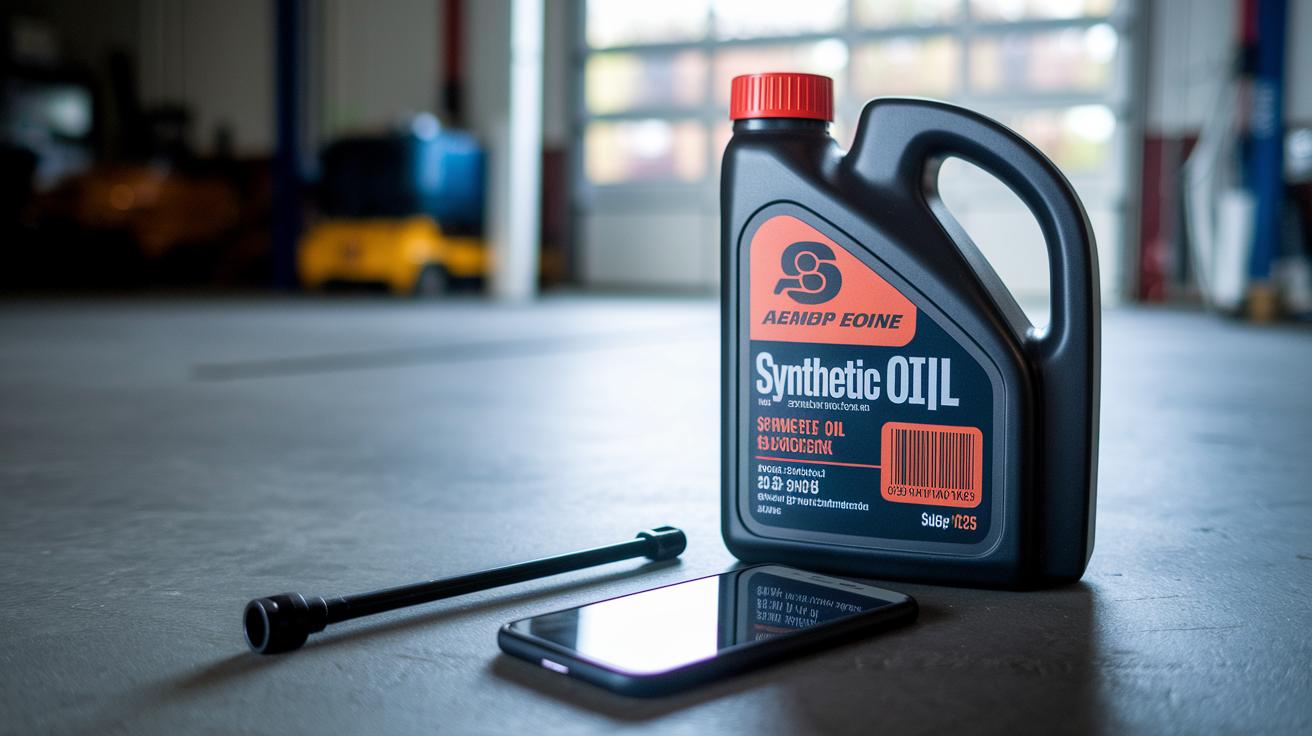
Did you know that a simple change in your oil schedule could make your engine last much longer, just like a regular checkup keeps you healthy? Most drivers stick to an oil change every 3,000 to 7,500 miles using mineral or synthetic blends. But if you’re running full synthetic oil under everyday conditions, you might be able to stretch that to around 15,000 miles. And for engines showing signs of age, like having dark, sludgy oil, it’s a good idea to change every 5,000 to 7,500 miles to help with issues like seal shrinkage and extra oil use.
Nowadays, digital maintenance tools can be super helpful, giving you up to 95% accuracy when it comes to picking the right oil and change interval. These tools consider your car’s mileage, age, and driving habits, cutting down mistakes by about 70%. They make it easier to decide if your engine is ready for a premium oil upgrade. For a step-by-step guide, check out the details at car oil change.
By adjusting your oil-change schedule based on your engine’s condition and age, you not only keep your ride running smoothly but also avoid costly repairs down the road.
Making the Right Decision in Synthetic vs High Mileage Oil
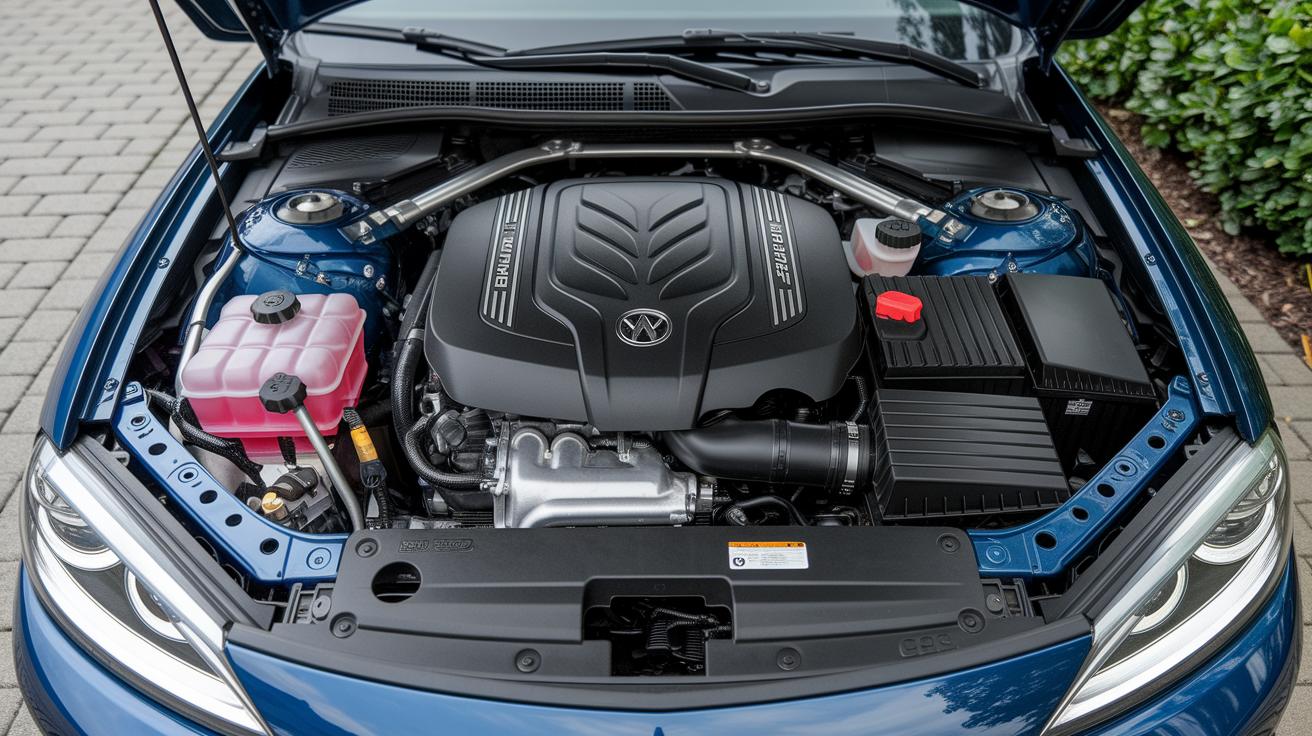
Synthetic Oil Pros and Cons
Synthetic oil works best for newer or low-mileage engines that need steady performance, especially when temperatures soar. Imagine starting your car on a chilly morning and feeling the oil flow as smoothly as a fine, well-poured drink. It means you can go longer between oil changes, making maintenance a bit easier on you. But keep in mind, you might feel the pinch at the pump since it costs a bit more.
High Mileage Oil Pros and Cons
High mileage oil is made for engines that have clocked over 75,000 miles. It’s like giving an older engine a refreshing boost, helping to deal with leaks, oil loss, and build-up of unwanted deposits. This blend supports aging engines and may help cut down on repair bills in the long run. That said, in really tough driving conditions, you might not get the same high-performance vibe as you would with full synthetic oils. And don’t forget, when you change your oil (usually about 2–3 gallons), you need to dispose of it properly to keep our environment safe. For extra maintenance ideas, check out High Mileage Car Maintenance Shines With Savvy Tips.
Final Words
In the action, we broke down what sets synthetic vs high mileage oil apart, highlighting formulating differences, performance factors, and maintenance intervals. We shared how each oil suits specific engine needs while addressing costs and long-term savings. The info makes it simpler to pick the right choice based on your vehicle’s mileage and condition. Enjoy the ride knowing you're backed by clear insights that can boost your confidence on the road and impress anyone with your automotive know-how.
FAQ
Frequently Asked Questions
Synthetic vs high mileage oil reddit
The debate on Reddit highlights that synthetic oil offers uniform formulation and high thermal stability, while high mileage oil includes extra additives for older engines, addressing seal wear and minor leak issues.
Synthetic vs high mileage oil motorcycle
When comparing oils for motorcycles, synthetic oil maintains strong viscosity in diverse temperatures, whereas high mileage oil adds conditioners to help older engines with higher wear levels and potential leaks.
Full synthetic vs high mileage oil
Full synthetic oil provides superior temperature control and breakdown resistance with engineered base stocks, while high mileage oil blends in mineral components and additives to support engines with over 75,000 miles.
Is high mileage synthetic oil worth it or is it better to get full synthetic oil?
High mileage synthetic oil is ideal for older engines by reducing leaks and oil burn, but full synthetic oil is best for newer engines needing maximum thermal protection and consistency.
Synthetic vs high mileage oil viscosity
Synthetic oil maintains a stable viscosity in both extreme cold and heat, whereas high mileage oil often adjusts its consistency to better suit aging engines with worn components and increased oil consumption.
Synthetic vs high mileage oil for Toyota
For Toyota vehicles, newer engines shine with full synthetic oil’s performance benefits, while older models benefit from high mileage oil’s seal conditioners and leak-prevention additives.
Synthetic vs high mileage oil for Chevy
Chevy owners with lower-mileage engines benefit from full synthetic oil’s consistent protection, while those with older models find high mileage oil more effective in managing leaks and reducing deposit buildup.
Can I switch from high mileage oil to synthetic?
Switching from high mileage oil to full synthetic oil is safe if your engine is in good condition; always consider your engine’s mileage and any existing signs of wear before making the change.
What is the disadvantage of high mileage oil?
High mileage oil may lack some of the advanced thermal and friction performance benefits found in full synthetic oil, making it less ideal for newer engines focused on maximum efficiency.