Tech
Infotainment System Technology: Smart, Agile Performance
By jamesdimon
September 19, 2025
Field Notes
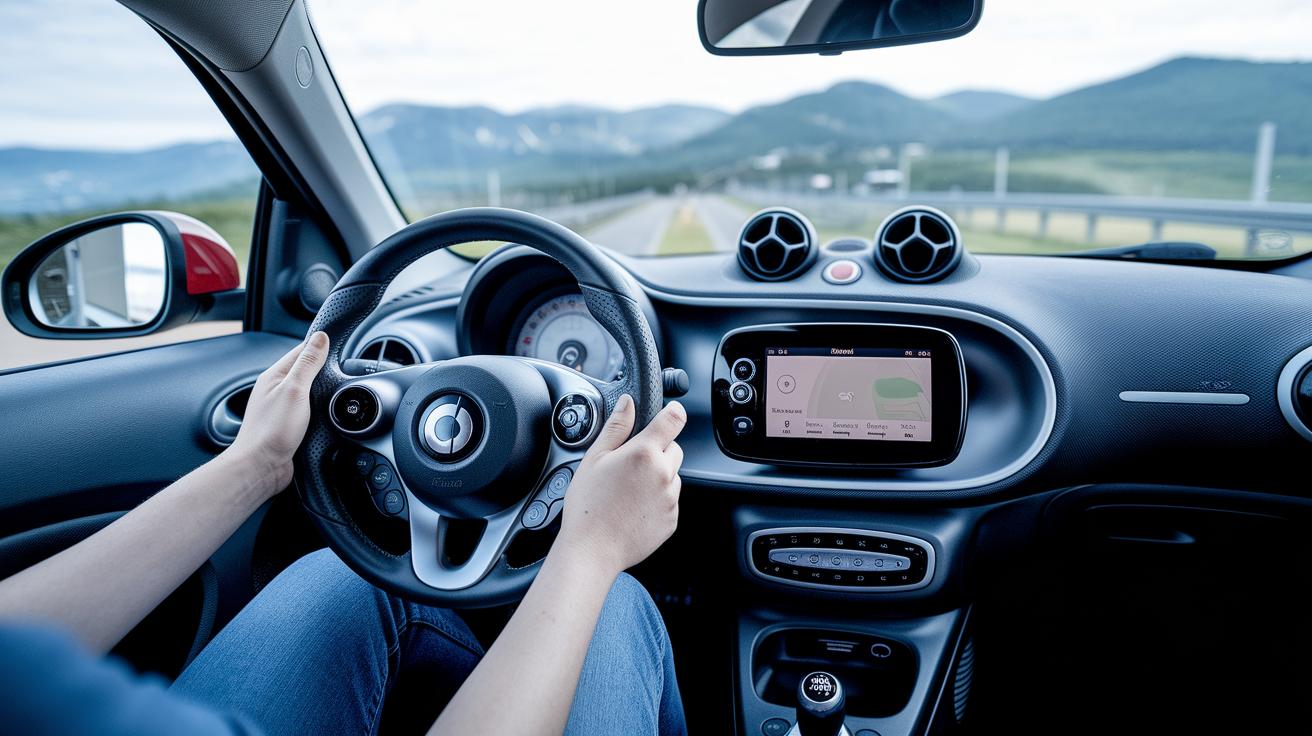
Ever wonder if your car could be as smart as your phone? With today’s infotainment systems, your ride brings together music, maps, and live updates into one neat, connected hub. It’s like having a mini command center right on your dashboard.
These systems run on fast chips and plenty of storage, keeping everything working smoothly, just like a well-tuned engine. In this post, we’ll chat about how smart performance not only keeps you entertained but also boosts your safety. Ready to see how the digital age is changing the way you drive?
Infotainment system technology: Smart, Agile Performance
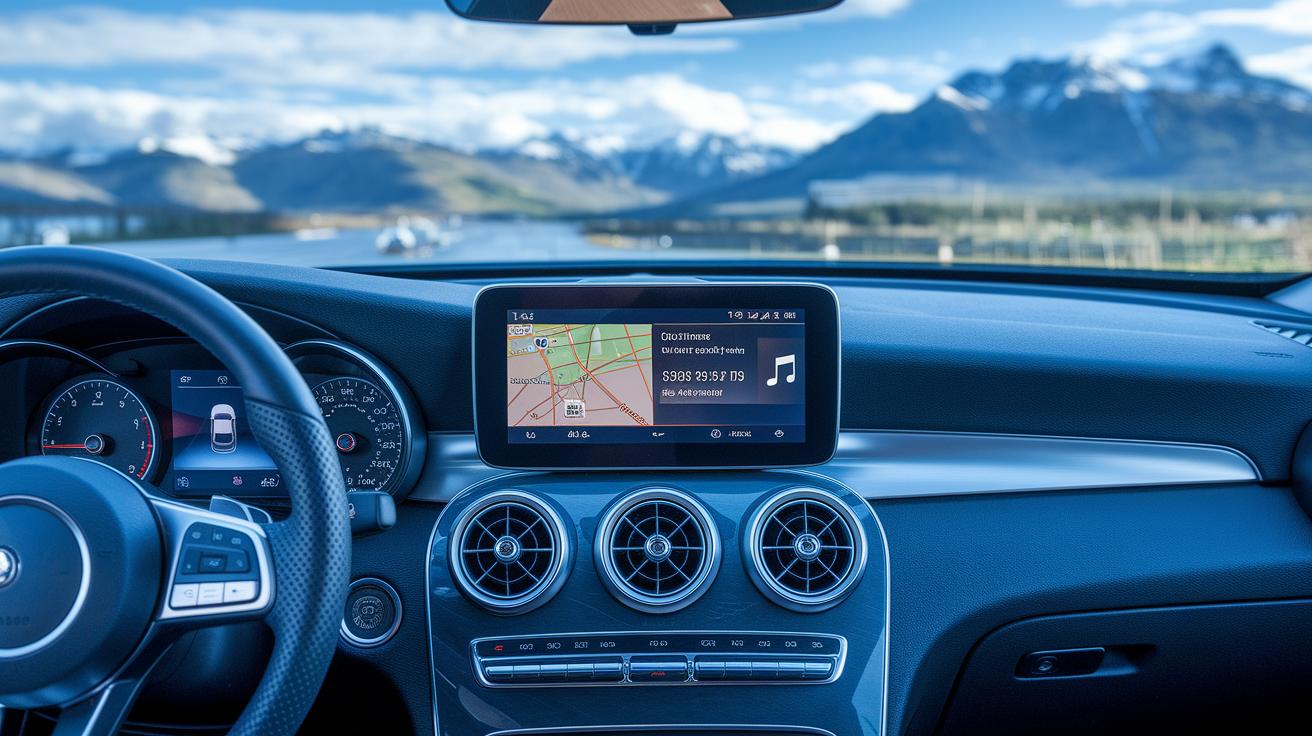
Your car’s infotainment system is like a mini command center that pulls together everything from your favorite tunes and maps to live traffic alerts and voice commands. It’s designed to turn your vehicle into a connected space where you can easily dive into music, navigation, and apps without missing a beat on the road.
At its heart is a robust CPU that handles tasks smoothly, paired with speedy solid-state drives instead of old-school hard drives. This combo, along with modern cockpit displays and interactive screens, keeps the system reliable for up to ten years. Factors like processing power, weather conditions, and routine software updates all help ensure the system runs smartly and remains dependable.
But it’s not all about fun and games, safety gets a boost too. Infotainment today helps with hands-free controls and links up with advanced driver assistance features, which means you can stay entertained and safe at the same time. Automakers like Ford, Nissan, Renault, and Vauxhall are leading the way, showing that these digital hubs can offer both thrilling media experiences and important safety functions.
In other words, with smart navigation, seamless voice control, and rock-solid connectivity, your infotainment system transforms driving into an enjoyable, secure, and engaging experience.
Software and Hardware Integration in Infotainment System Technology
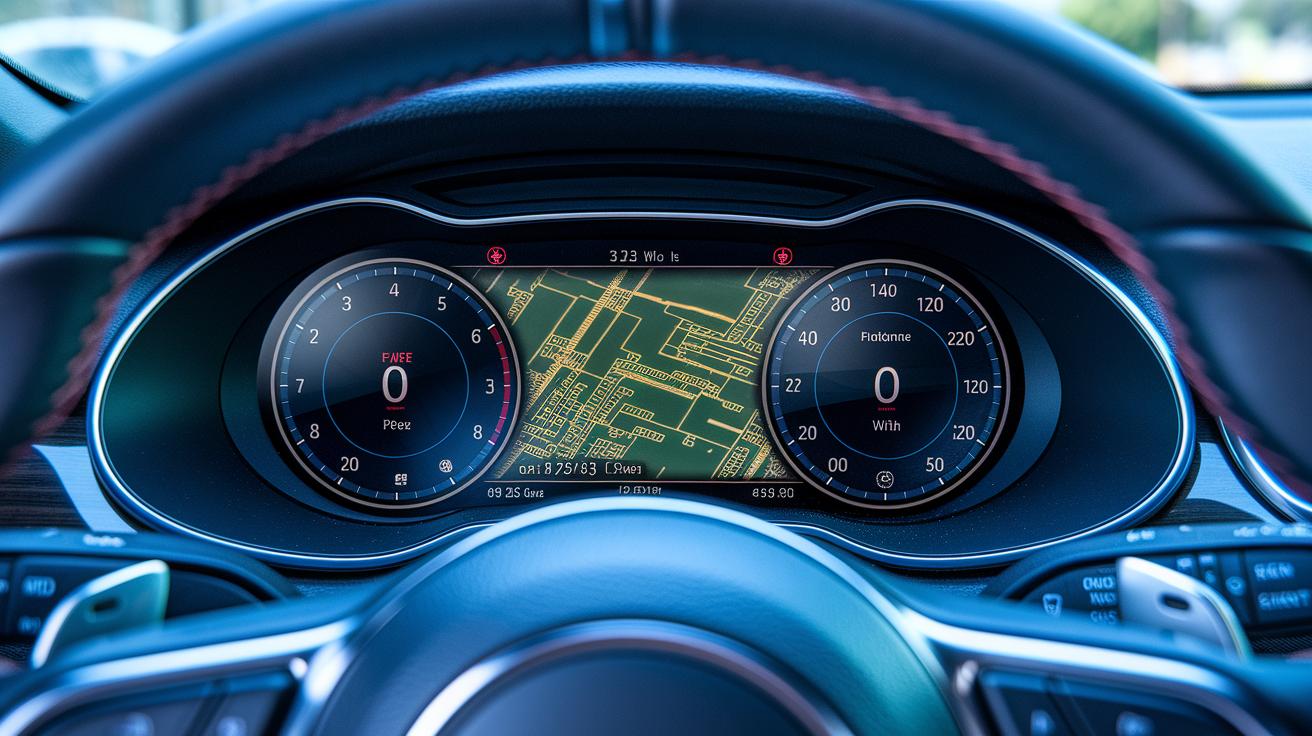
Ever wonder how your car’s digital heartbeat works? Modern infotainment systems pack a powerful chip that brings together a CPU, a GPU, plenty of memory, and secure flash storage. It’s like having a high-performance engine under the hood of your multimedia console, making sure your music, maps, and sensor data all run smoothly.
Let’s break it down simply:
| Component | What It Does |
|---|---|
| CPU | Executes commands and keeps things running at full tilt |
| GPU | Handles graphics so your display feels snappy and lively |
| Memory | Quickly fetches data so multitasking feels effortless |
| Storage | Uses speedy flash storage (like an SSD) for fast boot-ups and reliability |
| OS | Manages all the hardware smoothly with systems like QNX or Linux |
| DSP | Optimizes audio/video decoding and mixes sensor data for better performance |
The magic doesn’t stop with hardware. The software frameworks bring these parts together, ensuring each one talks nicely with the others. The operating system hides the complexity of the hardware and makes sure everything works in harmony. Digital signal processing techniques refine your audio and video, while sensor data fusion boosts the system’s responsiveness. And thanks to strict safety standards, these systems safely share important data over the CAN bus, keeping your ride secure and smooth.
In short, your car’s infotainment system is a symphony of high-tech parts working together, much like a finely tuned engine delivering power when you need it most. Isn’t that a pretty cool way to see how your ride stays connected and safe?
Connectivity Features of Infotainment System Technology
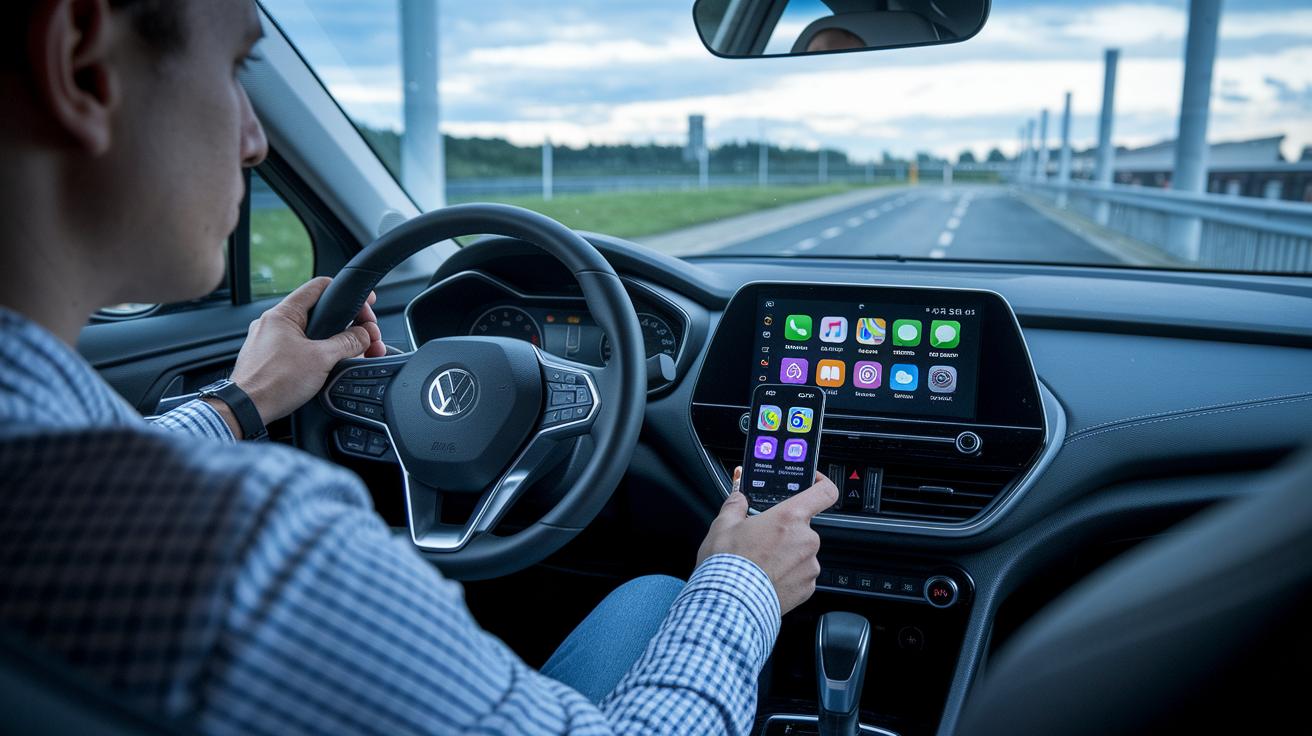
Ever pair your smartphone with your car using Android Auto or Apple CarPlay? It feels like a secure, smooth handshake between your devices. You get calls, messages, and your favorite apps right at your fingertips on the dashboard, making your drive safer and easier.
Modern cars now depend on smart wireless methods to keep you connected. Cost-effective Bluetooth Low Energy chipsets let you enjoy smooth audio and hands-free calls, no interruptions to your tunes or chats. Meanwhile, built-in Wi-Fi hotspots and fast cellular connections (like 4G or 5G) keep you updated with live traffic and streaming media. Basically, these features work quietly in the background so you can focus on driving without getting sidetracked.
And there’s a little more magic with cloud connectivity. It handles everything from map updates to remote software fixes that keep your system running smoothly. Your contacts, calendars, and media libraries sync automatically, so you're always current. This real-time data flow not only boosts your system's performance but also helps prevent issues, giving you peace of mind on the road.
User Interface Design in Infotainment System Technology
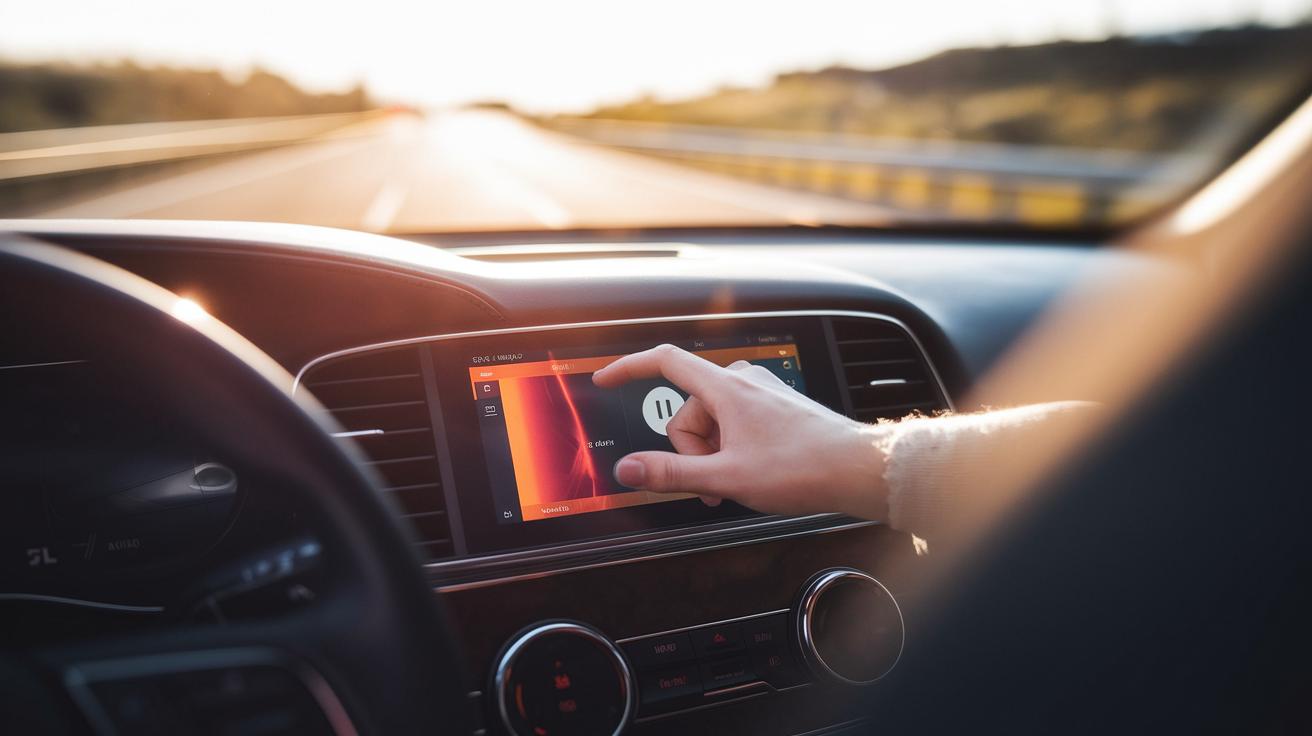
Cars have come a long way with touchscreen displays. Remember those old, clunky panels? They’ve been replaced by smooth, capacitive screens that show off bright colors and let you change themes just how you like. These modern screens make it super simple to play media or find your way around, all with just a tap.
Capacitive Touchscreen Displays
Today’s capacitive screens give you crystal clear images and the chance to pick a theme that suits your mood. They’re really quick to respond, almost like a real button. Just picture this: you set a theme that matches your vibe, and when you tap, it reacts instantly. It feels natural, like your car understands you.
Voice Command Integration
Modern infotainment systems now let you talk to them. You can say things like, “Navigate to…” and even in a noisy car, the system hears you, thanks to smart noise cancellation. This means you can keep your hands on the wheel and still chat with your car like an old friend.
Advanced Gesture Recognition
Ever wished you could adjust the volume with just a wave? That’s exactly what the new gesture sensors let you do. With a simple hand motion, you can answer calls or change the media, all without ever touching the screen. Plus, haptic feedback adds a little bump you can feel, so you know your touch was registered. It’s like your car is giving you a gentle nod each time you interact with it.
Over-the-Air Updates and Security in Infotainment System Technology
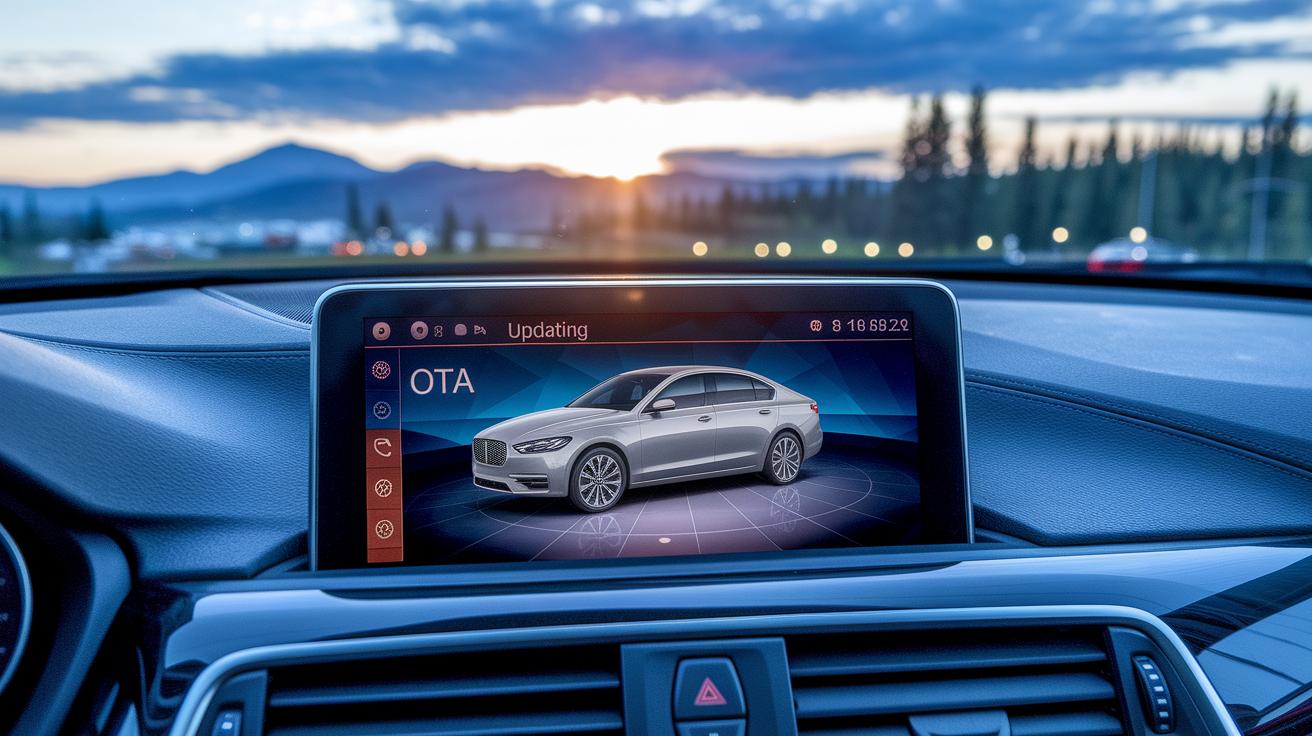
Car makers keep your car’s infotainment system fresh by sending over-the-air updates for about 5 to 7 years after the system first hits the road. These updates bring new features and patch up any issues without you having to lift a finger.
They use strong privacy measures like TLS (a secure way to send data) and a protected CAN bus to keep all your car’s information safe. This smart setup not only defends against remote hacks but also lets the system easily roll back to a previous version if something goes off track. It all runs on a client-server model, which means updates are sent quickly and safely.
On-demand diagnostics keep an eye on the system’s health every day. This constant check helps catch problems early, so if there’s a hiccup, the system can switch back to a safe version right away and keep your ride running smoothly.
Comparison of Leading Infotainment System Technology Models

| System | Key Features | Primary Strength |
|---|---|---|
| Ford SYNC | Easy-to-use interface, strong voice commands, Apple CarPlay and Android Auto | Great for streaming media and smooth voice control |
| NissanConnect | Real-time traffic info, cloud-based navigation, map updates via over-the-air | Excellent for live updates and smart navigation |
| Renault OpenR | Navigation help, media playback, satellite radio | Offers a good mix of entertaining media and clear directions |
| Vauxhall Intellilink | Mirrors your smartphone, Bluetooth streaming, safety and emergency features | Top-notch for connecting your phone and keeping you safe |
Each infotainment system brings a unique flair to your driving experience. Ford SYNC is perfect if you're all about hands-free convenience and a smooth multimedia ride. NissanConnect shines with real-time travel details that keep your journey updated and effortless. Renault OpenR gives you a balanced combo of navigation and media for those who love a steady in-car experience. And if you rely heavily on smartphone features and safety alerts, Vauxhall Intellilink is designed just for you.
Future Innovations in Infotainment System Technology
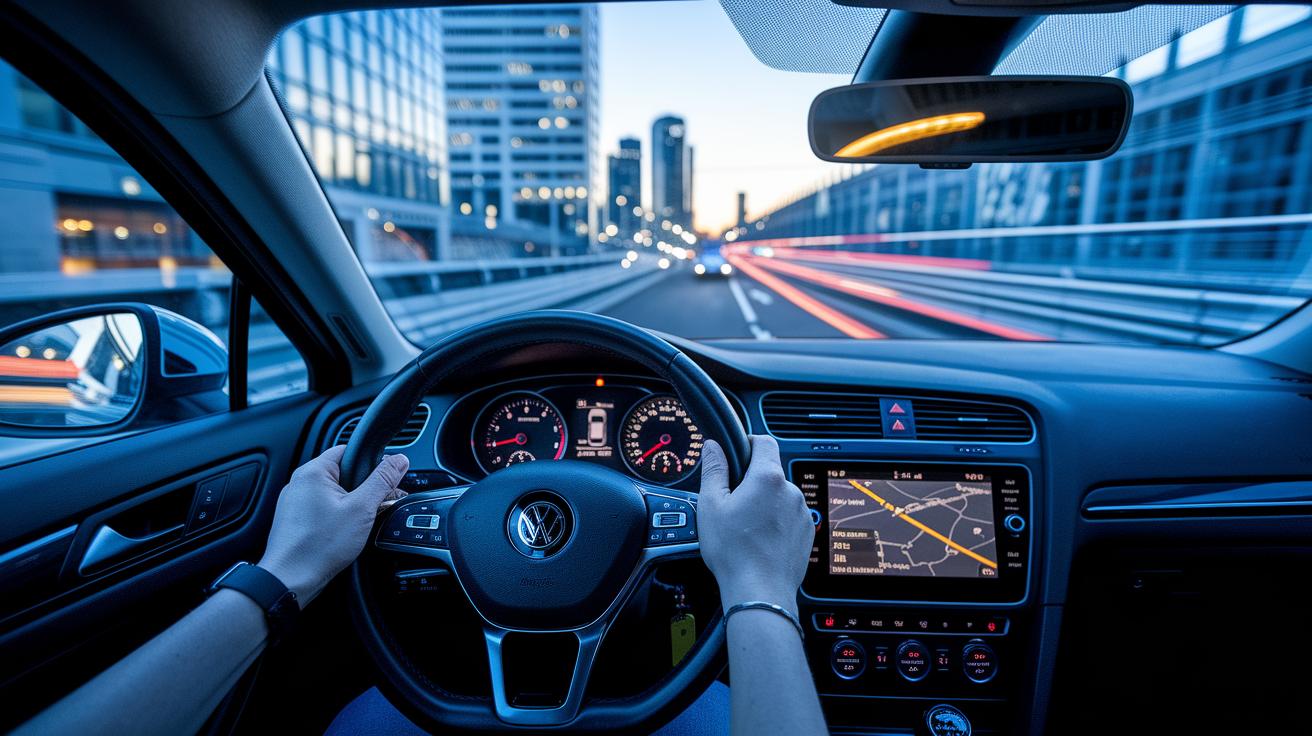
Imagine this: your car's windshield turns into a digital buddy. You get navigation tips and safety alerts right in your line of sight, much like a friendly guide that’s always there for you. Meanwhile, smart AI and machine learning quietly learn your habits, picking the tunes you love, adjusting the temperature to suit your mood, and basically acting like a co-pilot that knows you inside out.
Next up, picture a car that can chat with the world. With new 5G speeds and vehicle-to-cloud connectivity, your ride will share important info in a flash. This means real-time traffic updates, smooth streaming, and stronger cybersecurity to guard your digital journey. It’s like having a high-tech guardian keeping everything running safely.
And there’s more: predictive maintenance paired with smart safety systems is on the rise. Think of sensors that keep an eye on your driving conditions and give you tailored warnings when needed. Cloud diagnostics and edge computing work hand-in-hand to alert you about potential issues before they turn into big hassles, helping to keep your car safe and efficient.
Experts are pretty excited about these changes. They say that with faster connectivity and smarter alerts, your car will not only respond better to the road but also keep getting improved with regular updates. In other words, your vehicle is set to evolve into a smarter, safer, and more connected ride over time.
Final Words
In the action, this article took us through how infotainment system technology serves as the heart of today’s cars. We explored its core functions like media controls, navigation, and voice commands, mixed in the smart software-hardware integration, and highlighted connectivity features that keep our rides both fun and secure.
We compared popular models and even peeked at future innovations. Every step confirms that smarter cars translate to smoother drives and better updates for our daily automotive experiences. Enjoy every mile with newfound insights!
FAQ
What does a touch screen infotainment system for a car do?
The touch screen infotainment system for a car provides a multimedia hub that integrates navigation, media playback, smartphone pairing, and hands-free controls, making driving more intuitive and secure.
What is infotainment technology and what are its examples?
Infotainment technology describes the vehicle’s media hub that combines navigation, entertainment, and connectivity. Examples include touchscreen displays, voice control interfaces, and in-car digital systems.
How do VW, Hyundai, and Volvo infotainment systems compare?
VW, Hyundai, and Volvo infotainment systems offer unique interfaces that blend navigation, media, and smartphone integration with responsive voice commands and intuitive controls, each reflecting its brand’s design philosophy.
What is the price range for an in-car infotainment system?
In-car infotainment system prices vary. Basic models cost a few hundred dollars, while advanced units with enhanced integration and connectivity features can be considerably more expensive.
What causes infotainment systems to start or not work properly?
Infotainment systems might face starting issues or malfunctions due to software glitches, hardware faults, or connectivity problems, which can often be resolved through updates and routine maintenance.
Which car is known for having the best infotainment system?
The best infotainment system depends on personal preferences, but many drivers favor setups like Ford SYNC and NissanConnect for their user-friendly interfaces, reliable voice control, and robust connectivity features.