Guides
Diagnosing Unusual HVAC Smells: What They Really Mean
By sarahwestwood
August 2, 2026
Field Notes

Think a weird smell from your vents is just old dust? Think again.
Some scents are harmless. Some mean a gas leak, burning wiring, mold, or a refrigerant leak.
This guide shows you how to diagnose unusual HVAC smells (HVAC = heating, ventilation, and air conditioning), what each scent likely signals, which ones need immediate action, and the quick checks you can run yourself.
Read on to protect your household, avoid costly damage, and know exactly when to call a pro.
What HVAC Odours Mean and What to Do First

If your home smells like rotten eggs or sulphur, stop reading and act. Get everyone out of the house without turning on light switches, using your phone inside, or touching the HVAC (heating, ventilation, and air conditioning) system. These actions can spark a flame if gas is present. Once you’re outside and at a safe distance, call your gas utility or emergency services.
Smoke or a strong electrical burning smell needs a similarly fast response. Turn off the system only if you can do it safely, get out of the house, and call for help. Don’t stick around to investigate wiring or motors yourself.
One more thing worth knowing: carbon monoxide has no smell at all. If anyone in the house has a headache, feels dizzy, nauseous, confused, or unusually weak, treat it as a possible exposure. Evacuate immediately and call emergency services. Don’t wait around to see if the feeling passes.
Most HVAC odours aren’t emergencies, though. The table below gives you a fast way to figure out what you’re dealing with and what to do right now, before digging into causes or fixes later in this guide.
| Smell | Likely Cause | Severity (1-5) | Do Now |
|---|---|---|---|
| Musty or mouldy | Mould on coil, standing water in drain pan, dirty ducts | 2-4 | Inspect or replace filter, check for standing water |
| Burning or electrical | Overheated motor, burned wiring, failing components | 3-5 | Turn off system, evacuate if smoke present, call technician |
| Rotten egg or sulphur | Natural gas leak | 5 | Evacuate now, do not touch switches, call gas utility |
| Sewage | Dry P trap, blocked condensate drain, sewer gas intrusion | 3-4 | Check drain and nearby traps, arrange professional service if recurring |
| Sweet or chemical | Refrigerant leak | 3-4 | Turn off cooling, call a certified HVAC technician |
| Dead animal | Rodent or bird trapped in ducts or unit | 2-4 | Inspect accessible panels, call pro if inaccessible |
| Cigarette or pet odour | Odour buildup in filter or ducts | 1-3 | Replace filter, consider duct cleaning |
Low severity smells, like a lingering pet odour or a filter that’s overdue for changing, are usually safe enough to investigate yourself. But if an odour keeps coming back, gets stronger over time, or you can’t explain it after basic checks, that’s your cue to call a professional instead of continuing to guess.
How to Locate the Source of an HVAC Odour
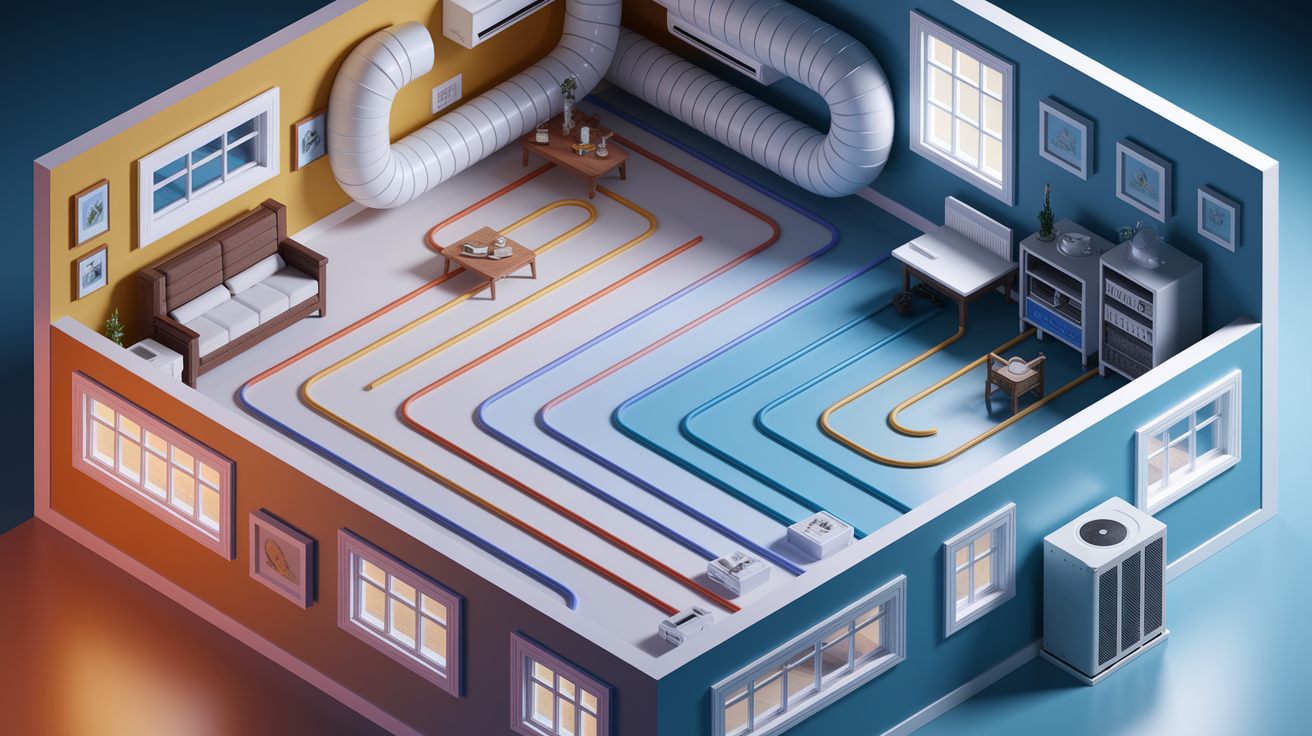
Before troubleshooting any specific smell, take a minute to observe the pattern. Where it comes from, when it happens, and what mode your system is running in all help narrow things down without wasting time chasing the wrong problem.
Work through this checklist in order:
- Note whether the smell shows up right at startup and fades, or lingers through the whole cycle. A smell that disappears after a few minutes points to something different than one that sticks around.
- Check whether it’s coming from one vent, several vents, or directly from the indoor or outdoor unit. A single vent smell often means something localized, like debris sitting in that duct run.
- Identify which mode is running: heating, cooling, or fan only. Some odours only show up in one mode, which helps narrow down whether the coil, heat exchanger, or blower is involved.
- See if the smell changes after you replace the filter or shut the system off entirely. If it fades once the system’s off, that’s a useful clue.
- Look for visible smoke, standing water, leaks, debris, droppings, nesting material, or pests near accessible components.
If at any point you see smoke, smell gas, notice a severe electrical odour, or spot exposed wiring, stop right there. Don’t open electrical panels or touch refrigerant lines yourself. Back away and call a qualified technician.
Musty or Mouldy HVAC Smells: Diagnosing Mould and Moisture Issues
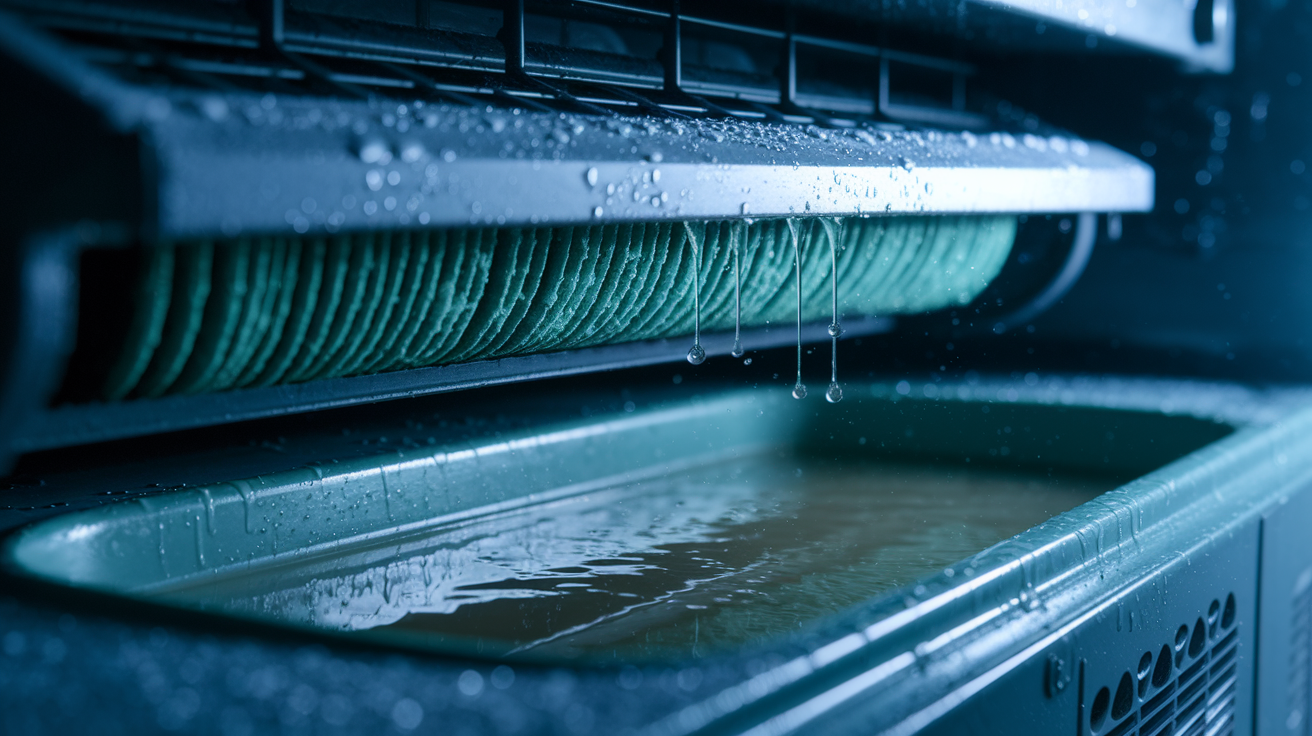
A musty or mouldy smell almost always points to moisture where it shouldn’t be. Mould growing on the evaporator coil, water sitting in the condensate pan, a clogged drain line, or dirty ductwork holding onto damp air are all common culprits. It’s especially common the first time you run your system after it’s been idle for a season, since condensation can build up in a system that hasn’t moved air in months.
Here’s how to work through it yourself:
- Check and replace the air filter if it’s dirty. A clogged filter restricts airflow and encourages moisture to linger on the coil.
- Inspect the condensate pan for standing water. Standing water is a breeding ground for mould and mildew.
- Clear the drain line using 1 cup of white vinegar, or a mix of 1/4 to 1/2 cup bleach diluted in 1 gallon of water. Wear gloves and a mask, and make sure the area is ventilated.
- Run the fan on its own for a while to help dry out the coil and surrounding components.
- Recheck the smell after 24 to 48 hours to see if it’s improved.
If visible mould covers more than about 10 square feet, that’s the threshold the EPA (Environmental Protection
Final Words
Smell something off? Start with the emergency steps: evacuate and call emergency services for rotten-egg or strong electrical-smoke smells, and shut down the system only if it’s safe.
Use the severity scale, the vent-by-vent checklist, and the smell-specific fixes here to find the source and try safe DIY fixes like changing filters or clearing drains. Call a pro for mould over 10 sq ft, persistent burning smells, or unexplained odours.
This guide helps with diagnosing unusual HVAC smells and what they indicate so you can act quickly and keep your home safe.
FAQ
Q: What could be causing a strange smell from my HVAC?
A: A strange smell from your HVAC could come from mold or damp coils, a clogged condensate pan, burned wiring or motor, dead pests, sewer backup, refrigerant leaks, or lingering smoke or pet odors. Check filters and vents; evacuate and call emergency help for rotten-egg or heavy smoke.
Q: What does AC freon smell like?
A: AC freon often has little or no smell, but leaks can seem sweet or chemical from oil or additives. If you suspect a refrigerant leak, avoid the area and call a licensed technician.
Q: What does a bad AC compressor smell like?
A: A bad AC compressor smells like burning insulation, hot plastic, or electrical arcing. If you get persistent burning odors, turn the system off if safe and arrange professional service immediately.
Q: How to diagnose weird smell in house?
A: To diagnose a weird smell in your house, note when it appears (startup vs continuous), which vents or areas show it, check filters, inspect the condensate pan and visible ducts, and stop if you find gas, smoke, or exposed wiring.