Featured
Used Car Pre-Purchase Inspection Checklist: Buy Smarter
By nathanrivers
August 11, 2026
Field Notes

Buying a used car without a quick inspection is a gamble most people lose.
You can run this checklist right in the seller’s driveway in about 30 to 60 minutes.
It catches the common issues that turn a “good deal” into a big repair bill.
We’ll show you the tools to bring, the immediate red flags to walk away from, the checks for body, tires, fluids, electrical, and a clear test drive plan.
Follow it and you’ll buy smarter or walk away before you pay.
Used Car Pre-Purchase Inspection Checklist
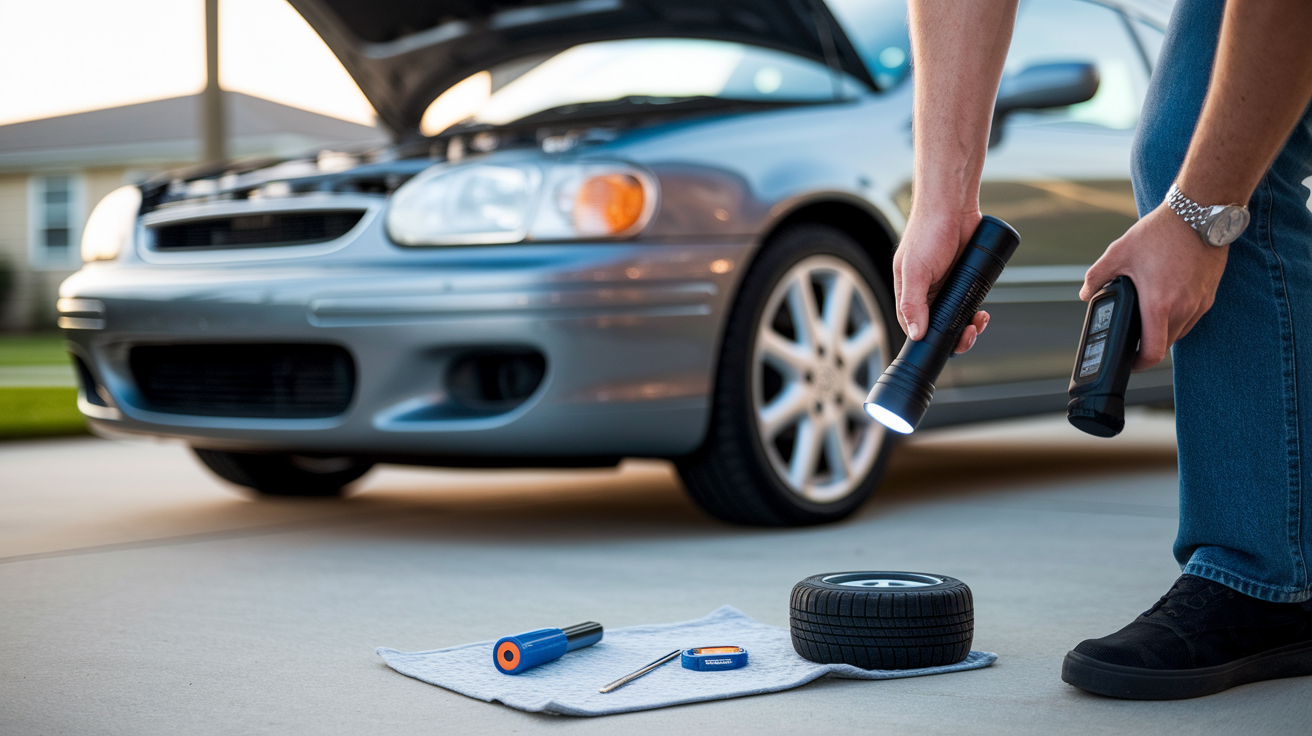
You can run through this checklist right in the seller’s driveway. No garage or lift required. It’s built to catch the issues that turn a “good deal” into a repair bill, and it takes about 30 to 60 minutes plus a test drive.
Before you start, gather these tools:
- Tire tread depth gauge
- OBD-II scanner (reads engine trouble codes)
- Digital multimeter (checks battery voltage)
- Flashlight
- Small magnet (detects body filler hiding rust or collision damage)
- Rag or paper towel (for checking oil and fluid color)
Immediate Walk-Away Red Flags
Check these first. If any show up, you can save yourself the rest of the inspection.
- VIN doesn’t match across the dashboard, driver door jamb, and engine bay
- Salvage, rebuilt, or branded title
- Severe frame rust, filler, or visible frame repair
- Milky or foamy fluids (oil or coolant)
- Engine overheats during the test drive
- Transmission slips or shifts hard
- Brakes feel spongy or grind
- Any warning light stays illuminated after startup
Documentation
- Title matches seller’s name, no lien listed (pass = clean title, fail = salvage/rebuilt)
- VIN matches on dash, door jamb, and engine bay (pass = identical, fail = any mismatch)
- Service records cover at least the last 2 to 3 years
- Odometer reading lines up with service record mileage
- Recall check by VIN shows no open recalls
Exterior/Body
- Panel gaps even on both sides (pass = consistent width, fail = uneven or wavy)
- Paint color matches across all panels (fail = visible color shift or overspray)
- Magnet sticks to steel body panels (fail = no stick, possible filler)
- No rust bubbling near wheel wells, rocker panels, or trunk floor
- Glass free of cracks; wipers and headlights functional
Tires/Brakes/Suspension
- Tread depth at least 4/32″ (fail = below 2/32″, legal minimum)
- Tire DOT date code under 6 years old
- Brake pad thickness above 3mm (fail = at or below 3mm)
- Bounce test on each corner, settles within 1 to 2 rebounds
- No clunks or looseness when turning the steering wheel
Engine/Fluids
- Oil dipstick color amber/light brown (fail = milky or foamy)
- Coolant level within reservoir markings, no oily residue
- Transmission fluid pink/red and clear (fail = brown or burnt smell)
- No visible leaks or wet spots under the engine
- Battery terminals clean, no heavy corrosion
Electrical/Interior
- All warning lights turn off after startup
- Windows, locks, and A/C work on every setting
- Infotainment screen responds without freezing
- Seatbelts retract and buckle properly
Safety
- No airbag warning light illuminated
- Horn, hazards, and turn signals all function
Test Drive
- Cold start is smooth, no knocking noises
- Acceleration is linear, no hesitation or surging
- Transmission shifts smoothly with no delay or slip
- Brakes stop straight, no pulling or grinding
- No new smells, leaks, or hissing sounds after parking
Pros And Cons Of Doing Your Own Pre-Purchase Inspection

Running your own inspection saves money and puts you in full control of what gets checked. But it has real limits compared to what a trained mechanic can find with a lift and diagnostic equipment.
Pros
- Saves the $100 to $250 professional inspection fee
- You control the pace and can recheck anything that looks off
- Builds your own understanding of the car’s condition
- Can be done on the spot, no scheduling needed
- Works well as a first filter before spending money on a pro
Cons
- Requires bringing and knowing how to use several tools
- Takes 30 to 60 minutes on-site plus a test drive, more time than just handing it off
- Can’t perform compression or leak-down tests without special equipment
- No lift access means the underbody is hard to fully inspect
- Hidden issues like early transmission wear or internal engine wear are easy to miss
The smart move is a hybrid approach. Use the checklist above as your first-pass screen, and if the car passes, call in a mobile mechanic or book a shop pre-purchase inspection (PPI), typically $100 to $250, before you sign anything. That combination catches almost everything, without paying for a full inspection on a car that fails the basics.
Check Vehicle History And Title Documentation
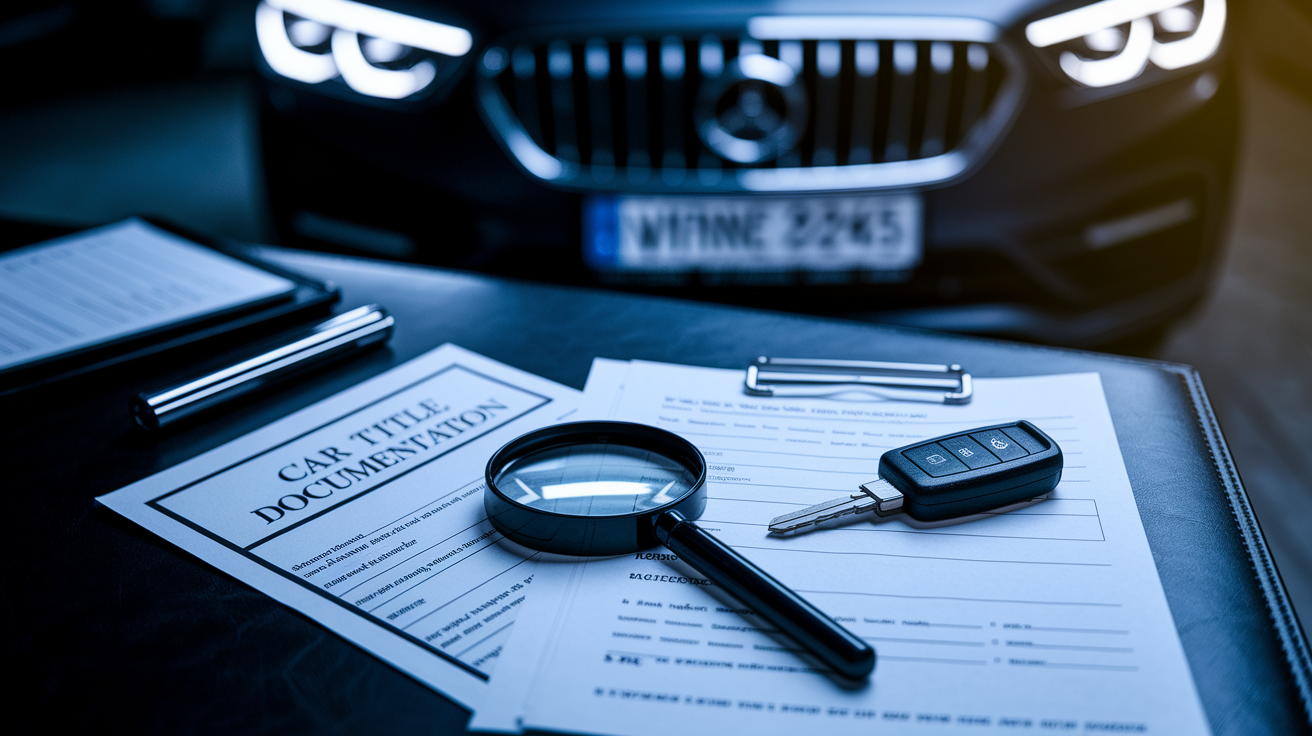
The checklist above tells you what to look at. This section tells you why it matters and how to actually verify it.
- Confirm the VIN matches in all three locations: dashboard, driver door jamb, and engine bay
- Check the title status for clean, salvage, rebuilt, or flood branding
- Run a lien check to confirm the seller actually owns the car free and clear
- Request service records and confirm they form a continuous history, not gaps
- Compare the odometer reading against the mileage listed in the most recent service record
- Look up the VIN through a recall database to confirm there are no open safety recalls
A vehicle history report from a service like Carfax or AutoCheck typically costs $30 to $45, and it’s worth every dollar. These reports show prior accidents, number of owners, and whether the title carries any brand like salvage or rebuilt.
If the report flags a branded title or shows mileage that doesn’t match what the seller told you, that’s not a negotiating point. It’s a reason to walk. Odometer rollback and salvage titles are two of the clearest signs a seller is hiding something bigger than a bad paint job.
Check Engine And Fluids
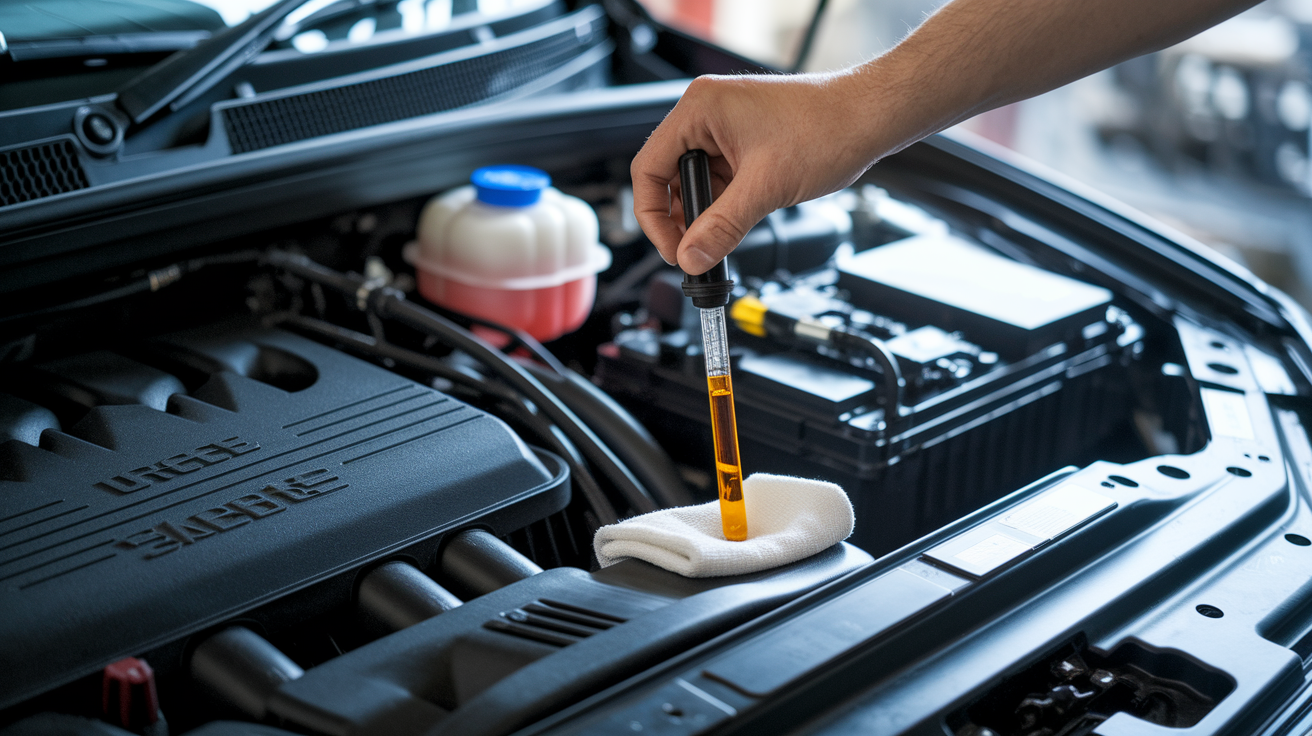
Fluids tell you more about a car’s real condition than almost anything else under the hood, and they only take a few minutes to check.
Start with the oil. Pull the dipstick and check the color on a rag. Amber to light brown is normal. Milky or foamy oil means coolant has mixed in, which usually points to a failing head gasket, a repair
Final Words
Use this checklist on-site to run paperwork, inspect the exterior and underbody, check engine fluids and electrical systems, and do a focused test drive. Start by scanning the Immediate Walk-Away Red Flags so you don’t waste time.
We compared DIY vs professional inspections, listed essential tools, and showed how to verify VIN, title, and vehicle history.
Follow the pass/fail cues, call a mobile mechanic for anything unclear, and let this used car pre-purchase inspection checklist help you buy with more confidence.
FAQ
Q: Is it worth doing a pre-purchase inspection on a used car?
A: A pre-purchase inspection on a used car is worth doing because it often uncovers major problems that save you far more than the inspection cost and prevents costly surprises.
Q: What are common red flags during a pre-purchase inspection?
A: Common red flags during a pre-purchase inspection include VIN mismatch, branded/salvage title, severe frame rust or filler, milky/foamy fluids, overheating, transmission slipping, spongy brakes, and illuminated warning lights.
Q: What to inspect before buying a used car? / What are two things you definitely should do with a used car before buying it?
A: Before buying a used car, inspect paperwork, VIN, exterior, tires, brakes, engine, fluids, electrical, and test-drive it. Definitely run a VIN/history report and get—or perform—a full pre-purchase inspection.