Tech
Automotive Innovation Trends: Bright Future Ahead
By milesteller
October 3, 2025
Field Notes
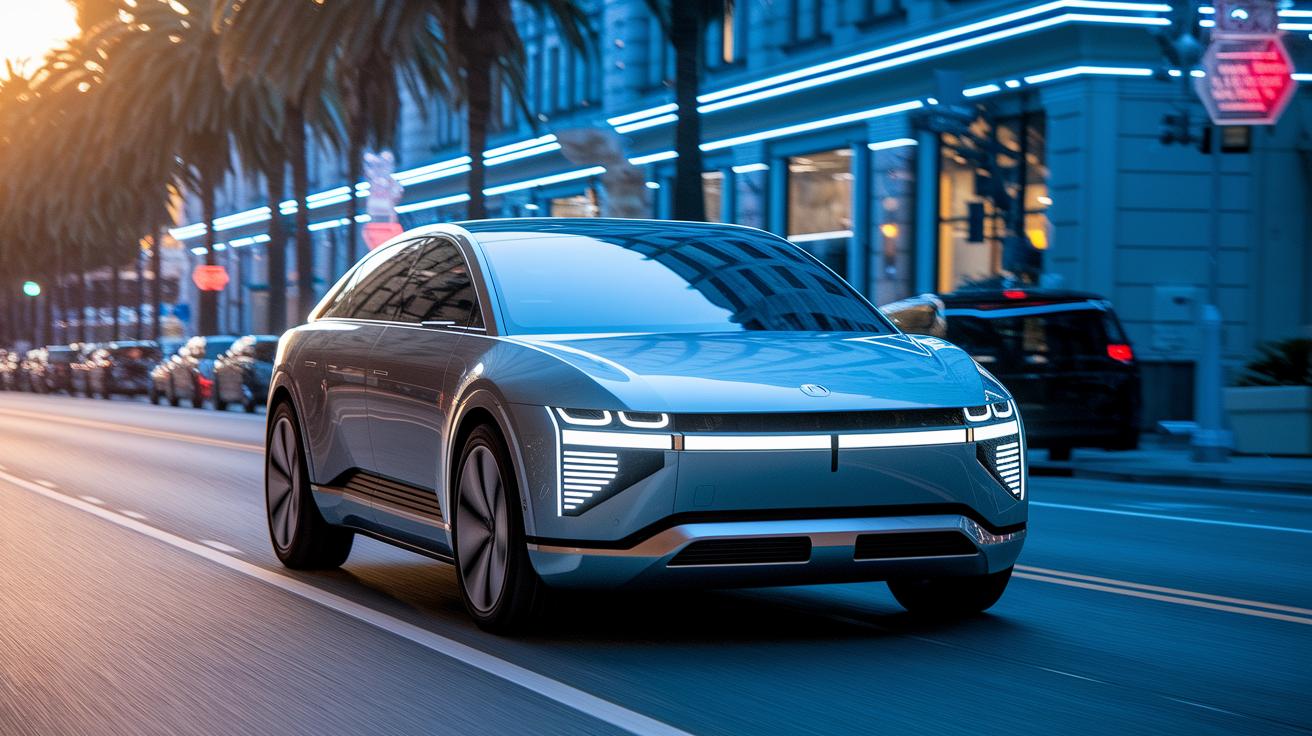
Have you ever pictured a car that drives itself while it chats with your phone? It may sound like a wild sci-fi idea, but our roads are already buzzing with change. Electric cars, clever self-driving vehicles, and even moving digital hubs are making travel feel new every day. Experts believe these shifts could completely transform how we drive soon. So, buckle up and let’s explore how these innovations are making driving easier and our roads safer.
Understanding the Landscape of Automotive Innovation Trends
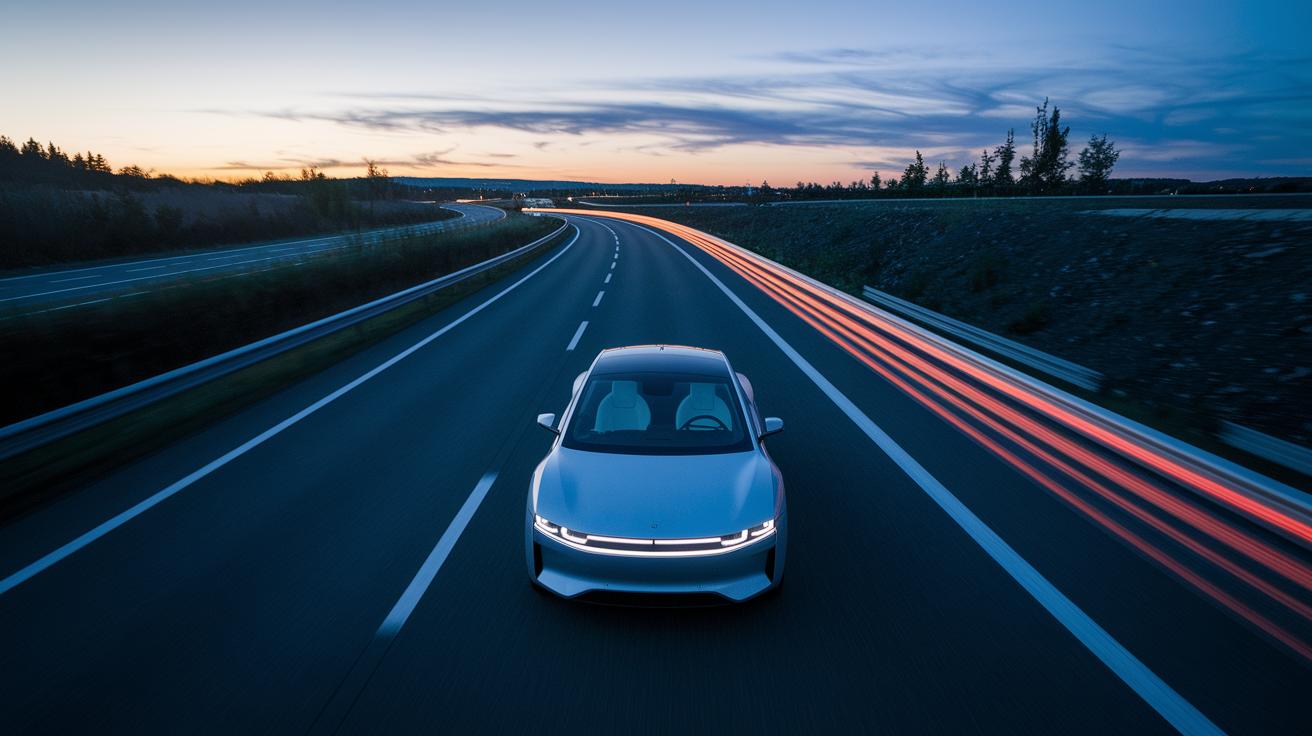
Global electric vehicles are speeding into the spotlight, and it’s easy to see why. Battery costs are dropping and governments are pitching in with supportive policies, so experts say we might see EVs rule the road by 2025. Picture this: you’re on a long drive in a car that hums gently under its own power, thanks to electric technology, all while benefiting from new safety features and cool tech.
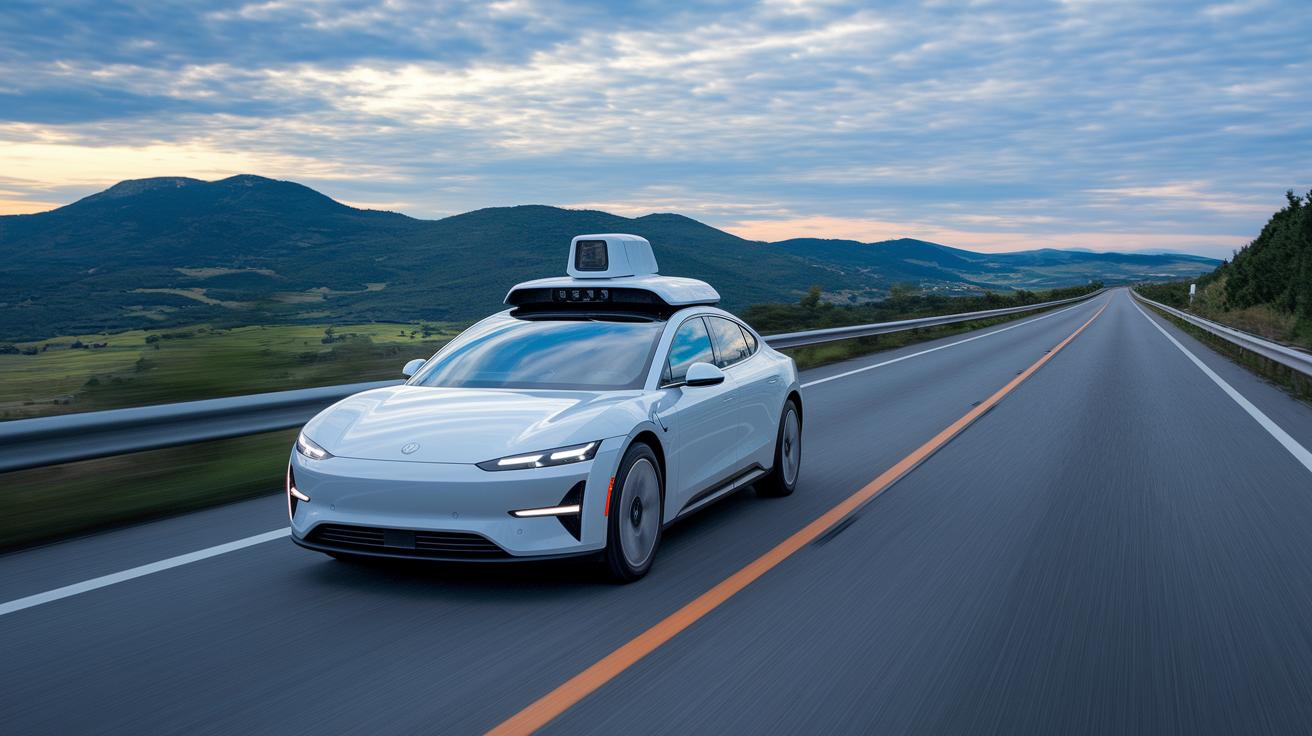
Self-driving cars are not just a dream anymore. Cars that drive on their own, at Levels 3 and 4, are slowly becoming a part of our everyday life, whether on wide-open highways or busy city streets. Some cities are even testing ride-hailing services with these smart cars. Think of it like having a very alert co-pilot; thanks to a mix of sensors like LiDAR, radar, and cameras, these vehicles are designed to keep you safe by watching the road for any surprises.
Then there are connected vehicles, another game changer. With super-fast 5G networks and the Internet of Things coming into play, cars are turning into moving digital hubs. They get software updates over the air and smoothly connect with other devices, making your drive not just safer but also a lot more fun and convenient.
Automakers are also switching to designs that can be upgraded with software. This means that cars can keep getting new features and safety updates over time through real-time data. Plus, smart tools like AI and machine learning help engineers make continuous improvements, cutting down development time and making rides smoother and greener.
Electrification and Electric Mobility Breakthroughs
Electric vehicles are really shifting quickly into high gear. Experts now think that more than half of all cars on the road by 2025 will be electric, thanks to cool battery innovations like solid-state designs and next-gen lithium-ion cells. Car makers are stepping up big time, with production soaring 40% in just the last two years, it’s like the industry has hit the fast lane!
Battery breakthroughs are making a huge difference too. They boost the range of these vehicles and cut down the charging time, which makes owning an EV feel a lot more practical. Charging points are also multiplying by about 30% each year, and fast charging stations now make up about one quarter of all chargers. So, the old worry about running out of juice is really fading away.
In many places like the EU, China, and the U.S., government incentives are pushing more people to choose electric cars, and private investments in charging networks topped $5 billion in 2023. Ever think about how great breakthroughs can start in the most unexpected ways? Before she became world-famous, Marie Curie used to carry test tubes with radioactive material in her pockets, unaware of the dangers yet to come. It’s a neat reminder that big changes, like the move from old gas engines to new electric power, often spring from surprising beginnings.
Thanks to these key improvements in battery efficiency and the rapid expansion of charging spots, we’re all heading toward a cleaner and greener future.
| Factor | Impact |
|---|---|
| Increased Production | More EVs on the road |
| Enhanced Battery Tech | Longer range and quicker charges |
| Faster, Reliable Charging | Greater convenience for drivers |
Advances in Self-Driving and Autonomous Navigation

Self-driving tech is quickly stepping out of the realm of science fiction and into our everyday lives. Today, some cars with Level 3 automation can handle highway driving on their own, and trials for Level 4 systems in busy city streets are already rolling out. Imagine a car that not only cruises effortlessly on long highways but also navigates tricky intersections like a pro. It’s pretty cool how these innovations are reshaping what we expect from driver assistance.
Sensor fusion, which mixes LiDAR, radar, and cameras, is like giving your car a set of super eyes. This combo has cut error rates by about 20% in just the past two years. Meanwhile, AI decision-making systems act like a high-powered computer, processing over 1 billion data points every second to help keep you safe. So if your car detects a sudden slowdown ahead, it can quickly adjust its speed and path to avoid a hassle.
Take, for example, the recent partnership between Honda and AWS. This kind of teamwork really shows how data is the heartbeat of modern autonomous navigation. By fine-tuning sensor inputs and overall performance, these collaborations are making the leap from advanced driver assistance to full self-driving systems both safe and reliable.
Automotive Innovation Trends: Bright Future Ahead
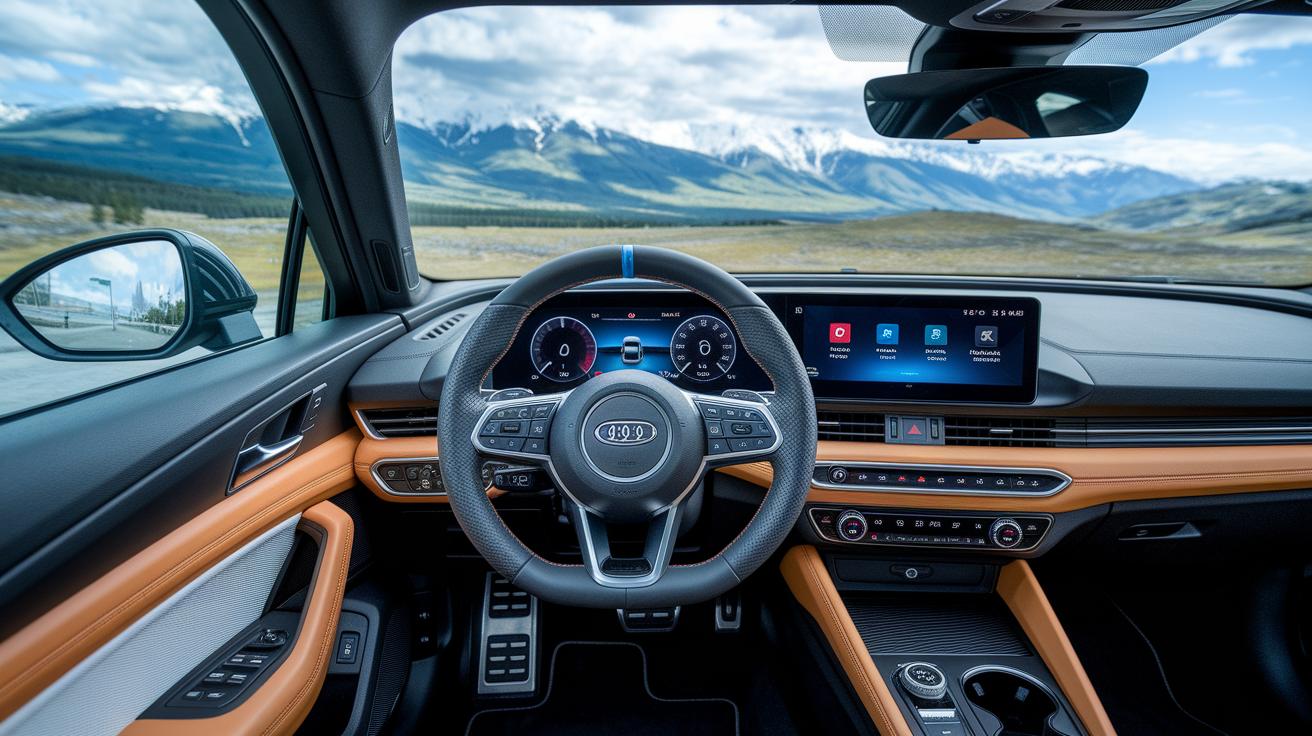
New cars are getting a high-tech boost. By 2025, about 80% of them will be able to update their software and infotainment systems over the air, much like how your phone refreshes its apps. Picture this: a car that not only drives you around but also keeps itself up-to-date, improving safety and features on the fly. In just a few years, most vehicles will download upgrades just like your smartphone.
Telematics is also making a big leap forward. In 2023, revenue from these systems reached $15 billion, a 12% increase that shows drivers really value being connected. And thanks to 5G expanding everywhere, communication delays are dropping to less than 20 milliseconds. This means your car can talk almost instantly to traffic signals, other vehicles, and even emergency services, making your drive safer every time.
Digital cockpits are evolving, too. They now offer cool features like augmented reality head-up displays and customizable dashboards that give drivers a close-up look at both their route and vehicle performance. This shift to smart, connected systems is turning everyday commutes into engaging, responsive experiences.
Think of it this way:
| Component | Benefit |
|---|---|
| OTA Updates | Instant refresh for software |
| 5G Connectivity | Speedy communication between vehicles and systems |
| Digital Cockpits | Clear, personalized driving information |
AI Integration and Predictive Maintenance Tools

Imagine a car that not only drives smoothly but also keeps an eye on its own health. With smart AI and predictive maintenance tools, car makers are changing the game by shortening prototype development by about 30%, which means cool new features hit the road faster. Ever think how neat it is when your car can spot a tiny issue before it turns into a big problem?
These systems use sensor data to trim unplanned downtime by 25%, making your ride even more reliable. Data from millions of miles helps engineers spot common problems and fine-tune parts for better performance. In short, AI lets cars predict when they need a check-up, saving you time and cutting repair costs.
Auto experts can now schedule fixes before issues snowball, practically letting your car care for itself. And that, in turn, paves the way to safer roads for everyone.
Sustainable Materials and Eco-Friendly Transport Tech
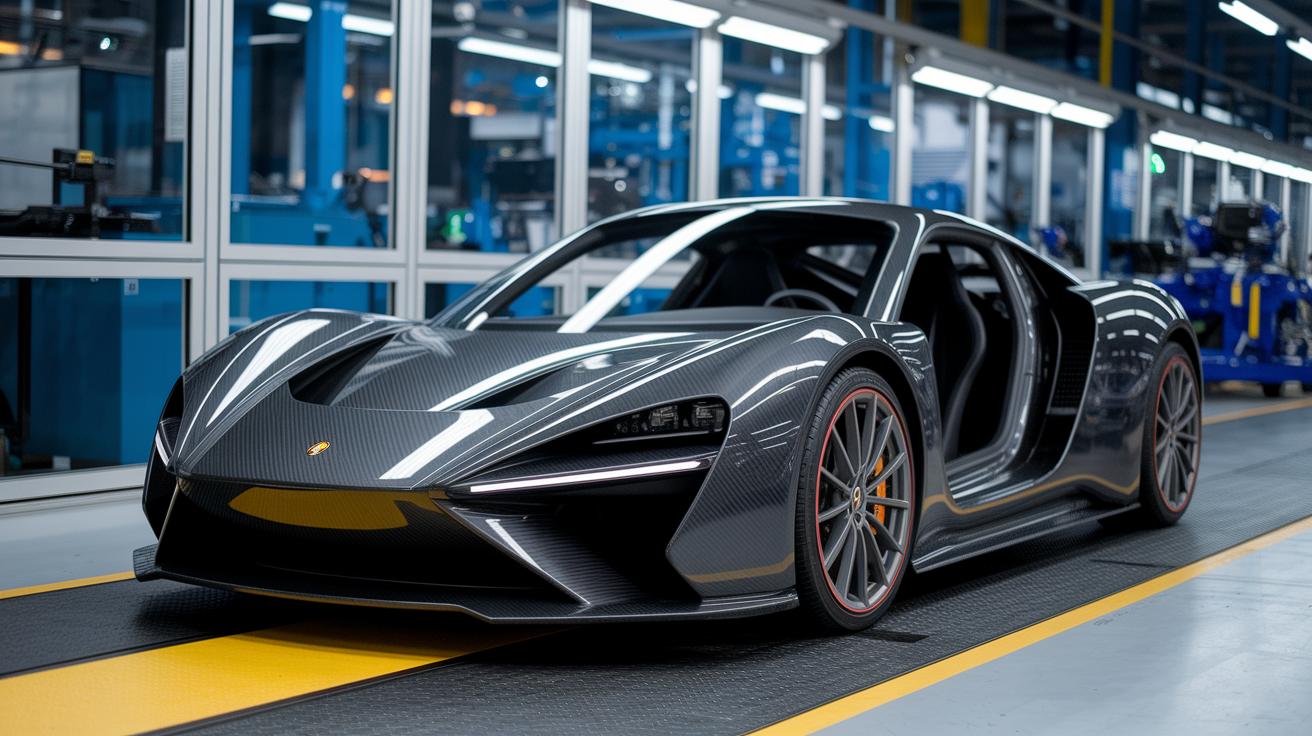
Car makers are shifting gears by choosing new materials that keep vehicles light and help our planet. They’ve upped their use of recycled aluminum and bio-resins by 20% lately, turning what others might throw away into strong, reliable parts. This switch not only saves fuel but also shrinks the car’s carbon footprint. For instance, using materials like carbon-fiber reinforced plastics can cut a vehicle’s weight by almost 40%, leading to better fuel efficiency and fewer emissions.
Engineers are rethinking the whole design process too. With clever ideas like modular chassis designs and 3D printing, they’ve managed to reduce the number of parts by about 35%, which makes assembly and repairs a breeze. They’re also experimenting with new material blends to make cars both tougher and lighter. All these innovations pave the way for safer, easier-to-fix vehicles that use fewer resources. In other words, embracing eco-friendly materials means a win for drivers and a greener future for everyone.
Industry 4.0: Smart Factory Integrations and Digital Supply Chains
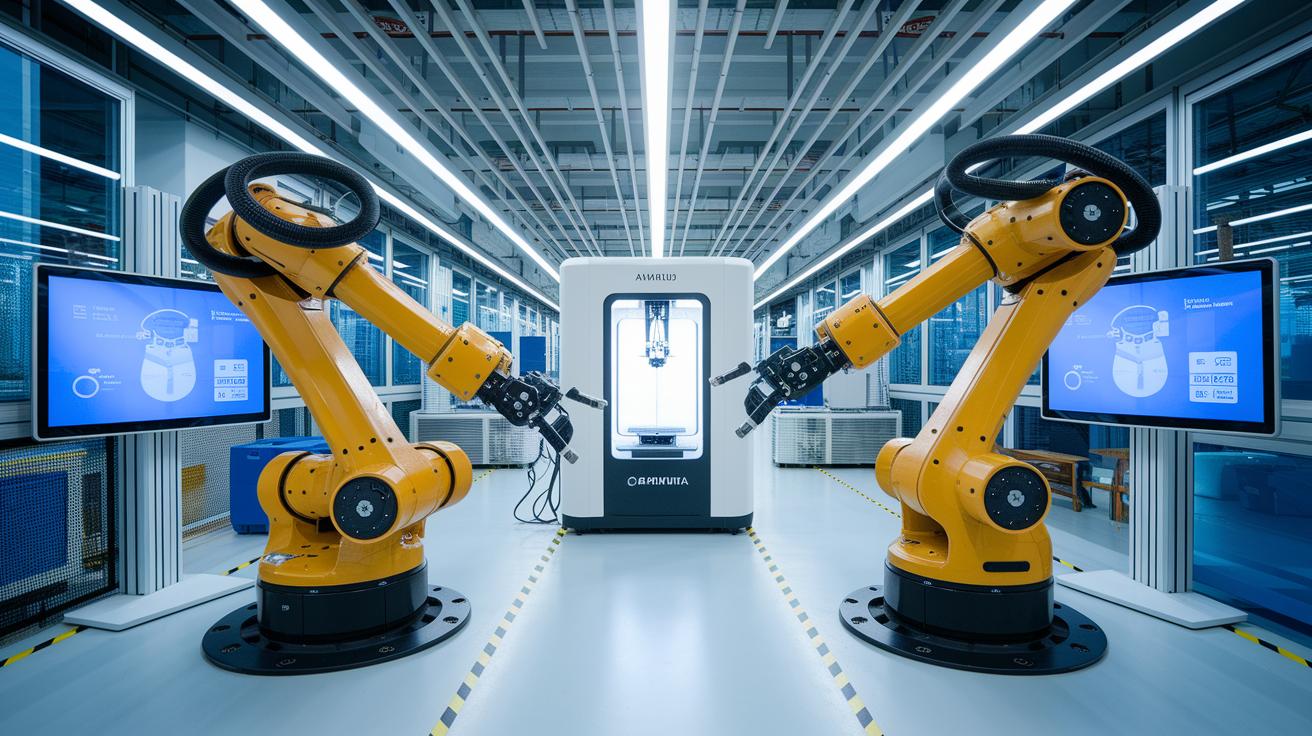
Today’s factories are giving their production lines a digital makeover. They’re using robots and automated assembly systems that boost output by about 25% in some top plants. It’s not just about having machines on the floor, it’s about making everything smarter. Real-time data now helps these systems react quickly when market needs change.
New methods like 3D printing let factories make spare parts in just a few hours instead of waiting for weeks. This speeds up innovation right on the shop floor. Meanwhile, blockchain tracking makes the supply chain about 30% more transparent by keeping a clear record of every part’s journey. And with virtual prototyping, physical testing drops by 40%, which means cars can jump from an idea to actual production in record time.
Ever imagine getting your car parts made as fast as your coffee break? That’s the promise of these digital supply chains. They let automakers stay quick and flexible, meeting customer demands like never before.
| Technology | Benefit |
|---|---|
| Robotics & Automation | +25% boost in production output |
| 3D Printing | Parts made in hours instead of weeks |
| Blockchain Tracking | +30% more supply chain transparency |
| Virtual Prototyping | -40% need for physical testing |
Future Outlook: Next-Generation Mobility Services and Urban Transit Reinvention

More and more, people are moving away from owning their own cars and are trying out flexible travel options. Today, you can use subscription services, shared rides, or integrated transit apps to get around. With Mobility-as-a-Service (MaaS), ride-sharing, electric scooters or bikes, and regular public transit all come together in one easy-to-use platform. Imagine planning your day with a few taps: from a bike ride to a car ride to a bus ride, all mixed seamlessly.
In 2023, subscription models that let you use vehicles on demand jumped by 50%, especially among city dwellers who want the convenience without being tied down by long contracts. These systems use smart tech to predict the best routes, cutting wait times by around 15%. It’s a bit like ordering your favorite coffee and having it come quicker every time, cutting down your commute and saving you time!
New tech in these services means your travel experience gets tailored just for you. Cars, bikes, and buses now rely on real-time data to mix and match the best travel options on the fly. Picture this: you start with a shared scooter and then easily switch to a ride-share car as your schedule or traffic conditions change. Cool, right?
| Key Element | Impact |
|---|---|
| MaaS Platforms | Unified travel solutions |
| Subscription Models | Flexible, accessible mobility |
| On-Demand Fleet Management | Reduced wait times |
These fresh mobility ideas are set to change how our cities move, making travel that much more personalized and responsive right when you need it.
Final Words
In the action, the article broke down key automotive innovation trends. It covered everything from the rise of electrification and advanced self-driving systems to the dynamic growth in connectivity and digital transformation in vehicles.
We also saw how AI integration, sustainable materials, and smart factory advancements are shaping the future. All these insights come together to fuel informed decisions and a passion for staying ahead in automotive innovation trends. Cheers to a brighter, more innovative ride ahead!
FAQ
What does the phrase “Automotive innovation trends PDF” refer to?
The phrase “Automotive innovation trends PDF” refers to a downloadable document that outlines current and upcoming automotive trends, covering topics like electrification, autonomy, connectivity, and sustainable design.
What are some highlights of automotive innovation trends in 2022?
Automotive innovation trends in 2022 featured major shifts like increased electric vehicle production, early autonomous driving trials, and the integration of digital features, showcasing a mix of improved technology and smarter designs.
What automotive industry trends are expected for 2030?
Automotive industry trends for 2030 point to widespread electrification, high-level autonomous systems, dense connectivity via 5G networks, and seamless digital ecosystems, making vehicles more efficient and user-friendly.
What automotive trends were predicted for 2025?
Automotive trends for 2025 include global EV adoption surpassing 50%, advanced autonomous vehicle testing on highways, and improved connected vehicle technologies, driven by cost reductions in key components like batteries.
How is new technology transforming the automobile industry?
New technology in the automobile industry is transforming vehicles by integrating software-defined features, sensor fusion for autonomous systems, and over-the-air updates, making cars safer and more intuitive for drivers.
What consumer trends are shaping the automotive industry?
Consumer trends in the automotive industry emphasize a growing preference for electric mobility, personalized digital experiences, and subscription-based service models, as drivers seek more flexibility and smarter connectivity in their rides.
What are some innovative car ideas emerging in today’s market?
Car innovation ideas include software-driven upgrades, connected vehicle ecosystems, and lightweight materials that improve fuel efficiency and performance, reflecting a blend of technology and eco-friendly design.
What are the key trends in the U.S. automotive industry?
U.S. automotive industry trends focus on increased EV production, early rollout of autonomous technologies, and the expansion of digital features in vehicles, all propelled by consumer demand and regulatory support.