Tech
Automotive Sustainability Innovations: Bold Eco Wins
By jamesdimon
October 7, 2025
Field Notes
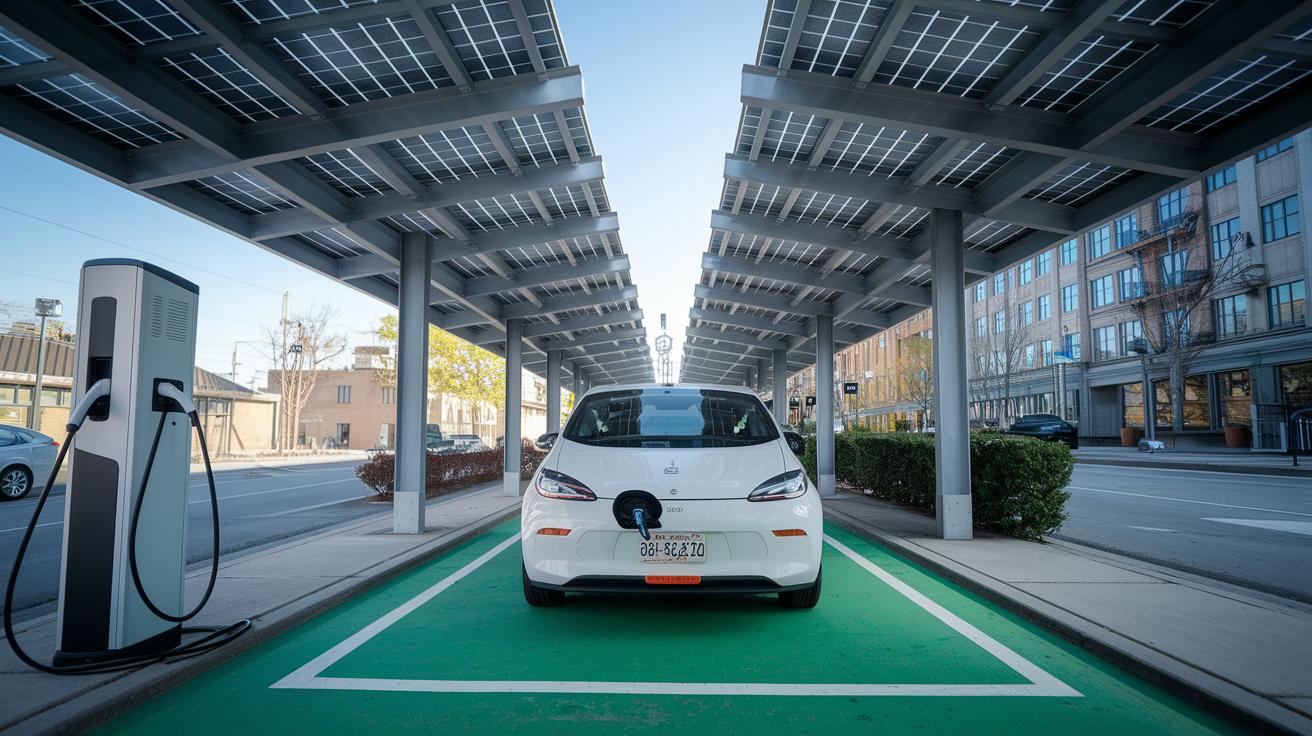
Ever wondered if a car could be both strong and kind to the planet? Thanks to new green technology, that dream is now a real possibility. Imagine cruising in a ride that zooms like a sports car while using clean energy every mile. With clever designs, smart parts, and modern electric systems, we’re paving the way for better air and smoother driving. This eco-friendly shift is not only cutting back on pollution but also changing the way we see driving. Get ready to watch as bold, green ideas drive the auto world toward a cleaner, greener future.
Driving Sustainability in Automotive Innovation

Cars are changing fast as tougher laws and a growing love for green travel push the industry forward. Car makers are working hard to hit net-zero emissions by 2050 and plan to have all-electric models by 2030. Already, five electric cars hit the roads in 2023, showing off eco-friendly designs and clean tech that are quickly setting new industry standards.
What’s really fueling this drive? It’s a mix of ambitious goals, strict regulations, and us, the buyers, wanting a cleaner future. Manufacturers are turning to renewable energy, using advanced materials, and adding digital monitoring to keep emissions low without losing performance. For example, one automaker replaced almost 70% of its regular parts with recyclable ones, kicking off a whole new level of green production. Wow, right?
Car makers are also grappling with eight big challenges:
- Balancing green ideas with keeping costs low
- Tackling supply-chain issues
- Meeting environmental standards
- Handling how used cars are recycled or disposed of
- Bringing in new, clean technologies
- Modernizing older manufacturing systems
- Keeping up with fast-changing customer expectations
- Adjusting to ongoing shifts in market rules
By facing these challenges head-on, the automotive world isn’t just cutting emissions, it’s also leading the way with smarter designs and sharper energy solutions. This fresh, thoughtful approach means that every time you take a drive, you’re part of a journey toward a healthier planet.
Electric Mobility Breakthroughs in Automotive Sustainability
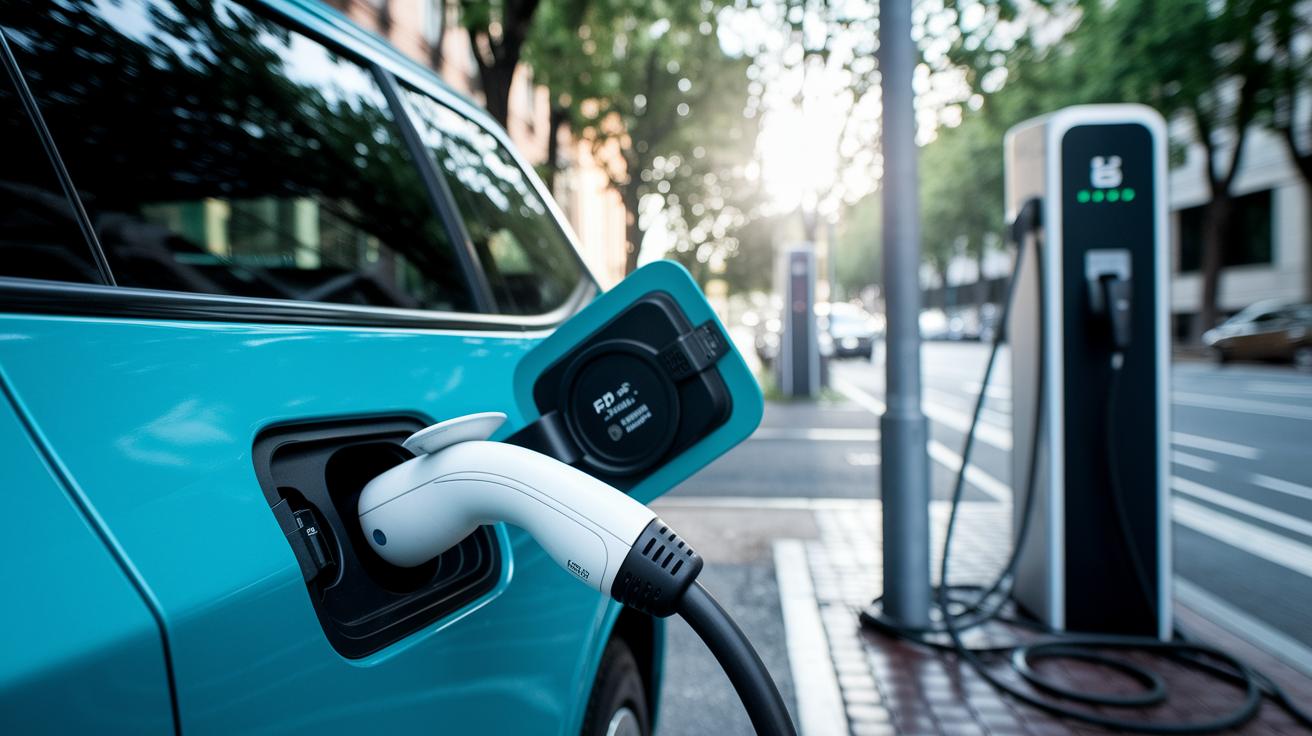
Electric vehicles are really speeding up their journey with cool new tech that helps lower their overall carbon footprint. One big car maker is already showing off five fully electric models in 2023 and is planning to go all-electric by 2030. Fun fact: in just one year, this automaker moved from a few concept models to five complete electric options, which has seriously cut down its emissions.
Fast-charging networks powered by renewable energy are popping up in cities and changing the game for urban EV drivers. These charging stations use the latest tech and green power, making it easy for drivers to top up quickly, even when they’re always on the go. It’s a shift that not only changes how cities support electric cars but also makes everyday driving more convenient.
Here are some cool breakthroughs that are speeding up the move to zero-emission travel:
- High-density traction motors that deliver strong performance.
- 350 kW charging that gets you moving faster.
- Integrated battery management for smooth, reliable power.
- Lightweight chassis designs that boost overall efficiency.
- Bi-directional charging, which means your car can both take and give power.
Each of these advances helps improve performance, cut down charging time, and use energy more efficiently. Plus, with smarter EV platforms and powertrain improvements, we’re reducing the need for fossil fuels and cutting greenhouse gas emissions. By using these new technologies, automakers are paving the way for cleaner, tougher transportation in our cities, driving us toward a greener future.
Sustainable Materials & Lightweight Engineering Innovations
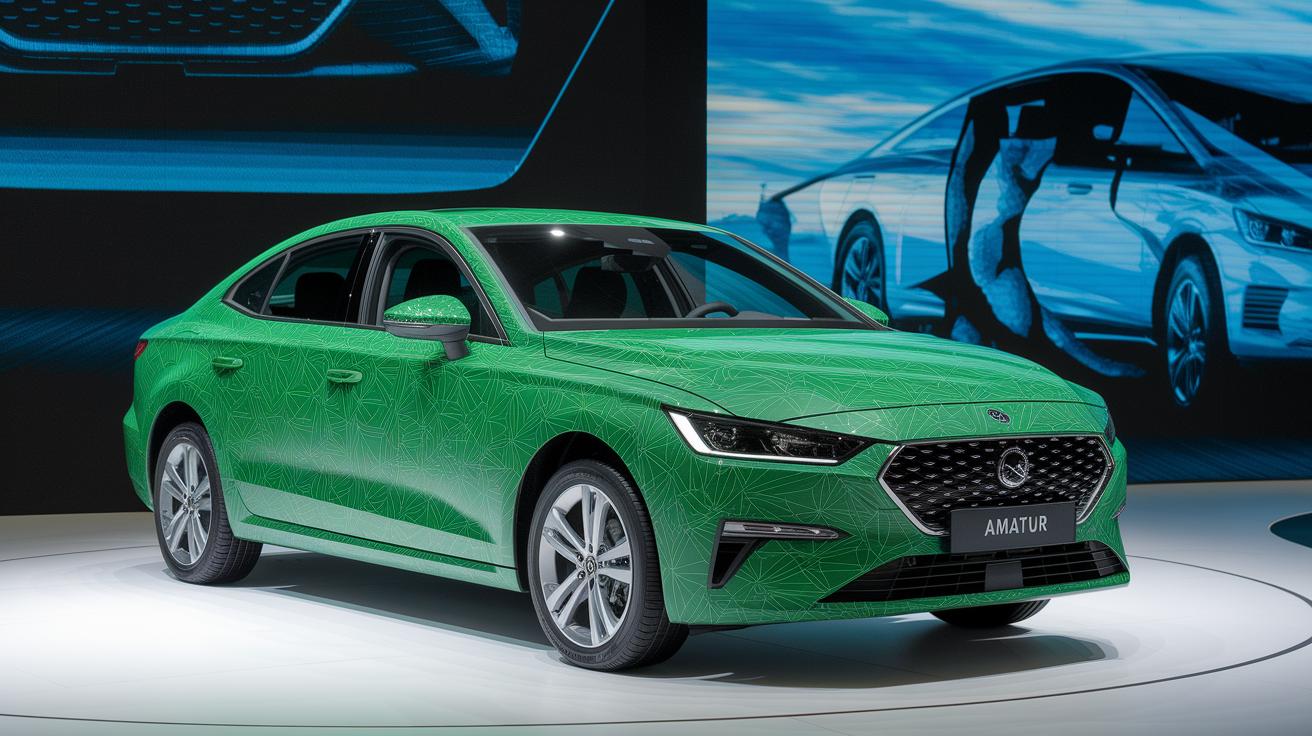
Car makers are getting creative by using eco-friendly materials and lighter designs. They’re swapping out heavy parts for things like bio-based plastics, special polymer mixtures, and recycled steel to build cars that use less fuel and run cleaner. This lighter setup means drivers enjoy smoother rides with lower fuel costs, plus parts tend to last much longer.
Manufacturers are also making smart choices for car interiors by replacing traditional leather and synthetic fabrics with advanced, eco-friendly options. This switch not only cuts down on water and energy use but also reduces textile waste. When they use materials that can be reused or recycled, it helps keep things in a loop longer, benefiting both the driver and our planet.
Below is a quick comparison of three key materials reshaping automotive design:
| Material Type | Sustainability Benefit | Use Case |
|---|---|---|
| Bio-based Plastics | Less reliance on fossil fuels | Exterior panels and trim |
| Polymer Composites | Reduces overall weight | Body structures |
| Recycled Steel | Uses fewer raw materials | Chassis components |
Researchers and engineers keep pushing the envelope with smart materials and lighter engineering, making our rides greener and more efficient every day.
Renewable Energy Integration in Automotive Manufacturing

Car makers are switching gears by powering their factories with renewable energy like solar panels and wind turbines. This change isn’t just about lowering emissions, it also means big savings on energy bills. For example, one plant added solar panels that really trimmed down their energy costs on sunny days.
Factories are getting smarter, too. They now use smart grid systems that balance energy loads on the fly. When the plant needs extra juice, these systems store away the surplus power generated during quieter hours, kind of like using a big power bank to keep everything running smoothly.
Plus, companies are rethinking how they manage energy altogether. They’ve started using digital tools to mix renewable sources with traditional grid power in the best way possible. This move not only cuts costs but also helps clear the air with lower emissions, setting a fresh standard in car manufacturing.
Zero-Emission Propulsion & Hybrid Power System Innovations
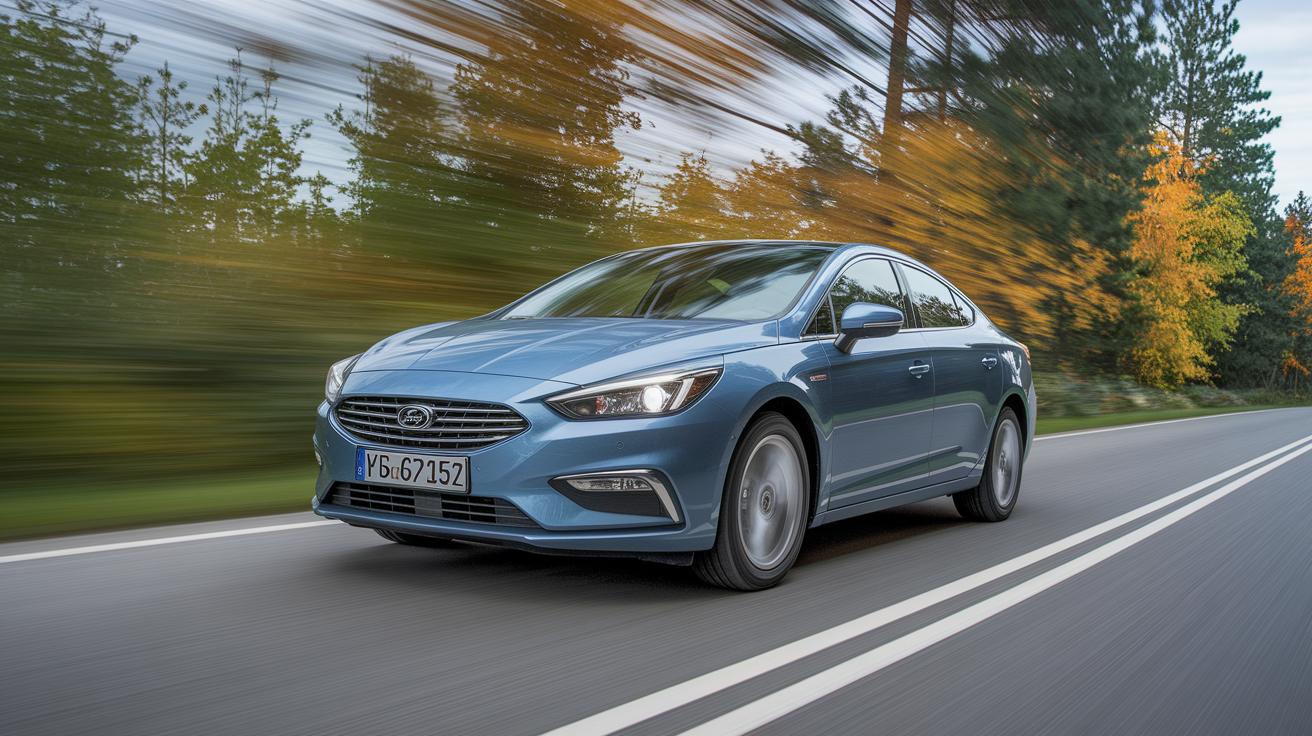
Hybrid power systems and zero emissions propulsion ideas are changing how vehicles perform. Car makers now mix traditional engines with electric motors, helping save fuel and cut down on harmful exhaust. This cool blend makes it easier for drivers to go green without paying a huge price tag.
Engineers are working hard to make engines that use less carbon. They’re tweaking fuel systems and fine-tuning the way engines burn fuel. New tech in emission controls also grabs onto pollutants and gets them under control. And with micro-hybrid systems like start-stop features and regenerative brakes, cars can grab back energy that’s usually wasted when slowing down. This extra boost not only saves fuel but also cuts down on greenhouse gases.
By putting these inventions together, car makers offer a driving experience that’s both fun and eco-friendly. These systems help you get more miles out of every gallon while slowly paving the way to full electric driving. For anyone looking for a ride that’s reliable and efficient, these hybrid solutions are a great step toward a cleaner road ahead.
Next-Gen Battery & Energy Recuperation Innovations

Cars are getting smarter these days. They now sport next-gen batteries that not only power them up but also grab back energy that would normally be wasted. Think of it like turning every stop into a little charging moment, when you brake, the system captures some of that motion energy and stores it for later use.
Battery management has also gotten a major upgrade. With cool tools like digital twins and IoT, engineers can check your battery's health in real time, almost like having a virtual dashboard that never sleeps. This setup helps predict when maintenance is needed and tweaks performance on the fly so you always get the best out of your battery without any guesswork.
Plus, there’s exciting research on solid-state and high-density cell chemistries. In simple terms, these advancements mean that batteries can pack more charge in a smaller space. And with faster charging on the horizon, you might soon find yourself recharging your car during a quick coffee break!
Smart grid integration is another neat trick up the sleeve. By connecting your vehicle to modern power networks, any extra energy can be stored or even shared when needed. This smart balancing act between storing energy and capturing it on the go is paving the road for a future where every drive brings us closer to cleaner mobility.
Aerodynamic & Fuel Efficiency Innovations for Automotive Sustainability

Car makers are always finding new ways to make vehicles more efficient and eco-friendly. They fine-tune key parts like grille shutters that open and close as needed, smooth out the body shape, and design the underside carefully. These changes let cars slice through the air more easily, boosting performance and saving on fuel while cutting down on harmful emissions.
Engineers have discovered that when you mix aerodynamic tweaks with lighter materials and systems that recapture energy, you get impressive results. For instance, one modern sedan used active grille shutters and a specially shaped underbody to reduce drag by almost 15%. Isn’t it cool how a little smart design can help lower fuel consumption?
On top of that, improvements in clean combustion are giving old-style engines a fresh start. New direct-injection methods help fuel burn more cleanly, and better air-fuel mixing cuts down on tiny particles and NOx emissions. When these fixes join forces with aerodynamic upgrades, both regular and hybrid engines run smoother, last longer, and need less fuel.
Designers are constantly brainstorming creative solutions that mix good looks with smart function. With every new model, cars use less fuel, emit fewer toxins, and offer a ride that’s not only faster but also kinder to the environment. It’s a win-win for drivers who care about performance and the planet, proving that every little detail really counts.
Digital & Connected Sustainability Innovations in Automotive
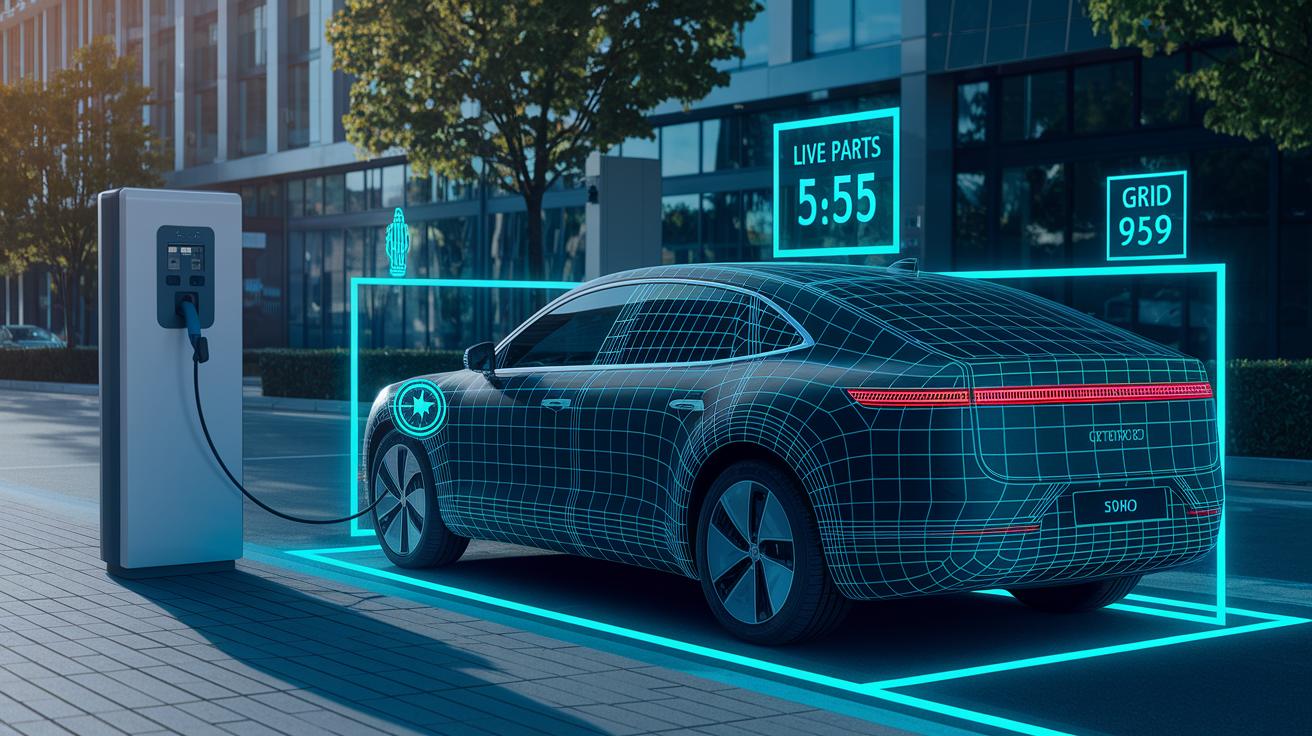
Digital Twin & Predictive Maintenance
Digital twin technology makes virtual copies of cars and their parts so that experts can watch how everything works in real time. It’s like your car giving you a little hint when it needs attention before any serious trouble happens. For example, a digital dashboard might show that a part is close to needing a service, which lets you plan a quick check-up instead of dealing with a bigger problem later. This means regular, planned check-ups replace unexpected repairs, saving you time and money.
Vehicle-to-Grid Connectivity
Imagine your electric car acting like a mini power station. With vehicle-to-grid connectivity, your car’s battery can send some of its stored energy back to the grid when it’s needed most. This is super helpful during busy times, like hot summer afternoons or cold winter mornings, when everyone needs a boost. It not only helps keep the local power network stable but might even give you some savings on your energy bill. It’s a smart, friendly way to use your car’s battery for more than just driving.
Connected Sustainability Solutions
This approach ties everything together, tracking every step from making the car to hitting the road. Thanks to full software integration, tools now connect life-cycle checks, emissions tracking, and supply data all in one place. Think of it like having a smart control panel that informs you about everything from material use to the tiny carbon details. By putting all this data together, manufacturers can make sure every ride is as clean and efficient as possible, from production through every mile you drive.
Automotive Sustainability Innovations: Bold Eco Wins
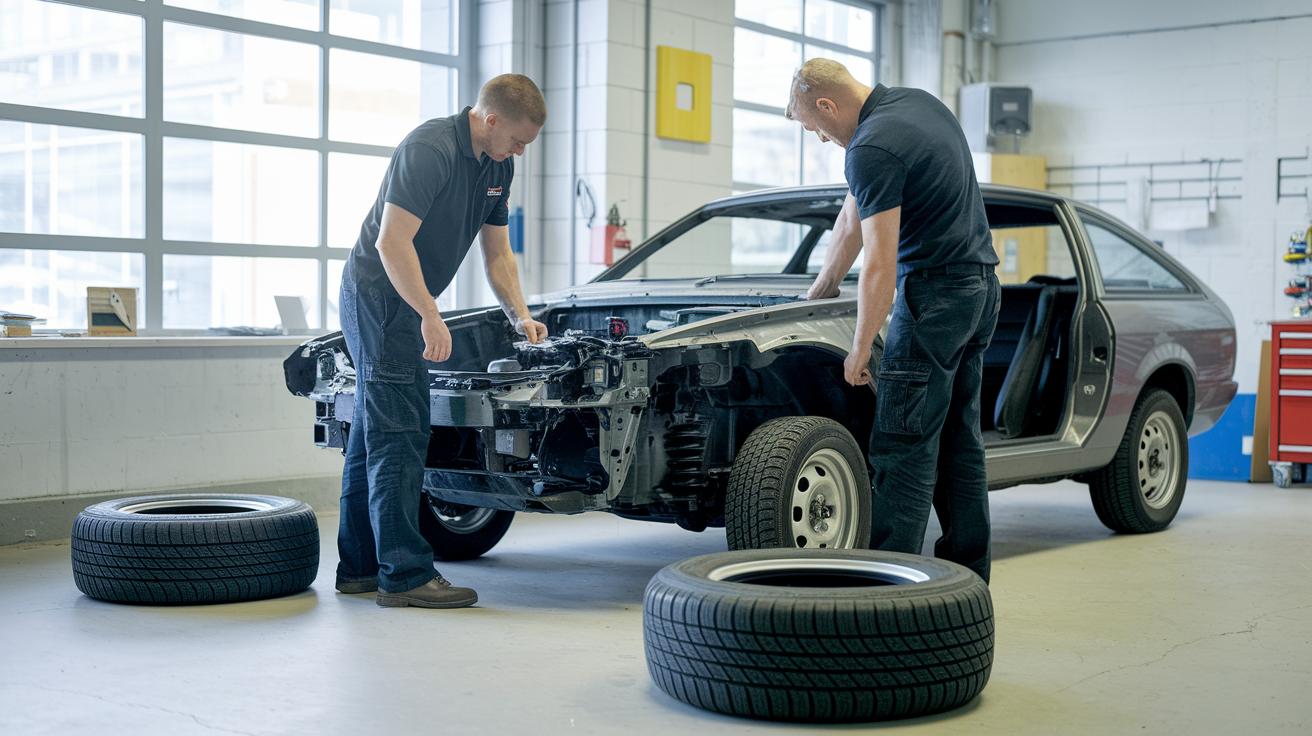
Manufacturers are rethinking how they build cars to cut down on waste. They’re now designing vehicles so that every part can be easily taken apart and reused. It’s much like transforming an old favorite toy into something new and exciting.
Automakers are also boosting their recycling game. Instead of tossing out old parts, many companies are fixing up tires, interiors, and panels so these elements can last longer. This means fewer new parts are needed and less waste ends up in a landfill.
Another clever idea is to use antimicrobial coatings, especially on cars used by many people. These treatments keep surfaces cleaner for longer, so you won’t need to scrub them as often. It’s a smart way to save resources while keeping the vehicle in top shape.
Here are some key strategies they’re using:
- Building cars for easy disassembly so parts can be efficiently recycled
- Upgrading recycling programs to reintegrate old parts into new vehicles
- Using circular methods to extend the life of tires, interiors, and panels
- Applying antimicrobial treatments to reduce cleaning needs and protect components
All in all, these eco-friendly methods show that smart design and solid recycling efforts can go hand in hand. They help cut down manufacturing waste, save precious materials, and support lasting vehicle innovation.
Automotive Sustainability Innovations: Bold Eco Wins

Fortune 100 Energy Management Overhaul
A major automaker working in over 50 countries has completely rethought its energy game. They put up solar panels and wind turbines at factories around the globe, letting digital systems monitor energy use in real time, kind of like tuning a race car for perfect performance. This smart shift not only cut emissions big time but also slashed energy bills, showing that even the giants in the industry can lead with eco-friendly moves.
DHL Supply-Chain Sustainability
DHL is taking a fresh look at how car parts and vehicles move around while keeping the planet in mind. They track every step of a vehicle’s life, from the factory floor to the final delivery, with full-lifecycle carbon tracking. Picture a relay team where every handoff is perfectly timed to lower emissions. With careful routing and load planning, they prove that smart logistics can really trim down a supply chain’s carbon footprint.
Endego Partnership for Sustainable Production
Endego is rolling up its sleeves to help suppliers and car makers go green on the production line. They offer clear advice on using eco-friendly materials and better energy management, along with digital tools to stay in check. This teamwork makes it easier for everyone involved to hit tough carbon neutrality goals. In simple terms, Endego’s approach shows how a solid partnership can drive sustainability across the automotive world.
Final Words
In the action, we explored a range of strategies shaping today’s eco-friendly auto world. We touched on electric breakthroughs, lightweight design, renewables at factories, hybrid power strides, and digital tools for proactive care. We also looked at hands-on examples from top industry leaders. Each section shows how smart upgrades drive cleaner rides and elevate performance, helping you make informed decisions. The future shines bright with automotive sustainability innovations powering a greener and smoother drive ahead.
FAQ
Q: What are some automotive sustainability innovations examples?
A: The automotive sustainability innovations examples include electric drive systems, lightweight engineering with recycled materials, renewable energy use in production, and digital monitoring that streamlines emissions tracking.
Q: What do articles about automotive cover?
A: The articles about automotive cover topics like electric mobility progress, eco-friendly design advancements, the shift toward renewable energy in manufacturing, and digital tools that enhance emissions and resource management.
Q: How are automotive industry carbon emissions being addressed?
A: The automotive industry carbon emissions approach focuses on net-zero production targets, full electrification, low-carbon engine designs, and advanced monitoring to cut greenhouse gas outputs.