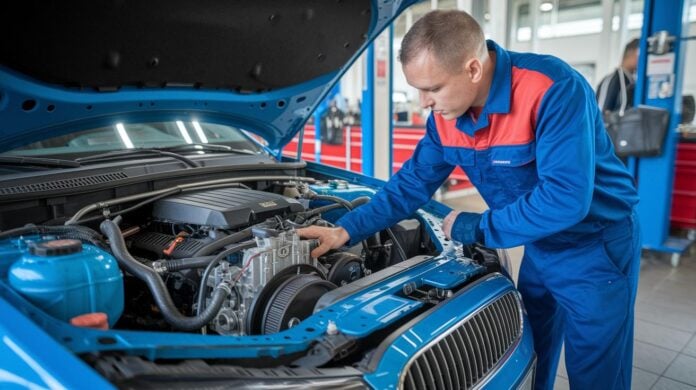

Ever wonder why some cars hum along smoothly while others just quit on you? Car service is like a health check for your ride, it keeps everything from the engine to the brakes in top-notch shape. It means swapping out old oil, cleaning filters, and checking fluids to catch little issues before they turn into big problems. This simple routine stops unexpected breakdowns and helps your car stay safe and reliable on the road. Stick with us to see how a little regular care can keep your car running like a dream.
what is car servicing: Keep Your Car Thriving
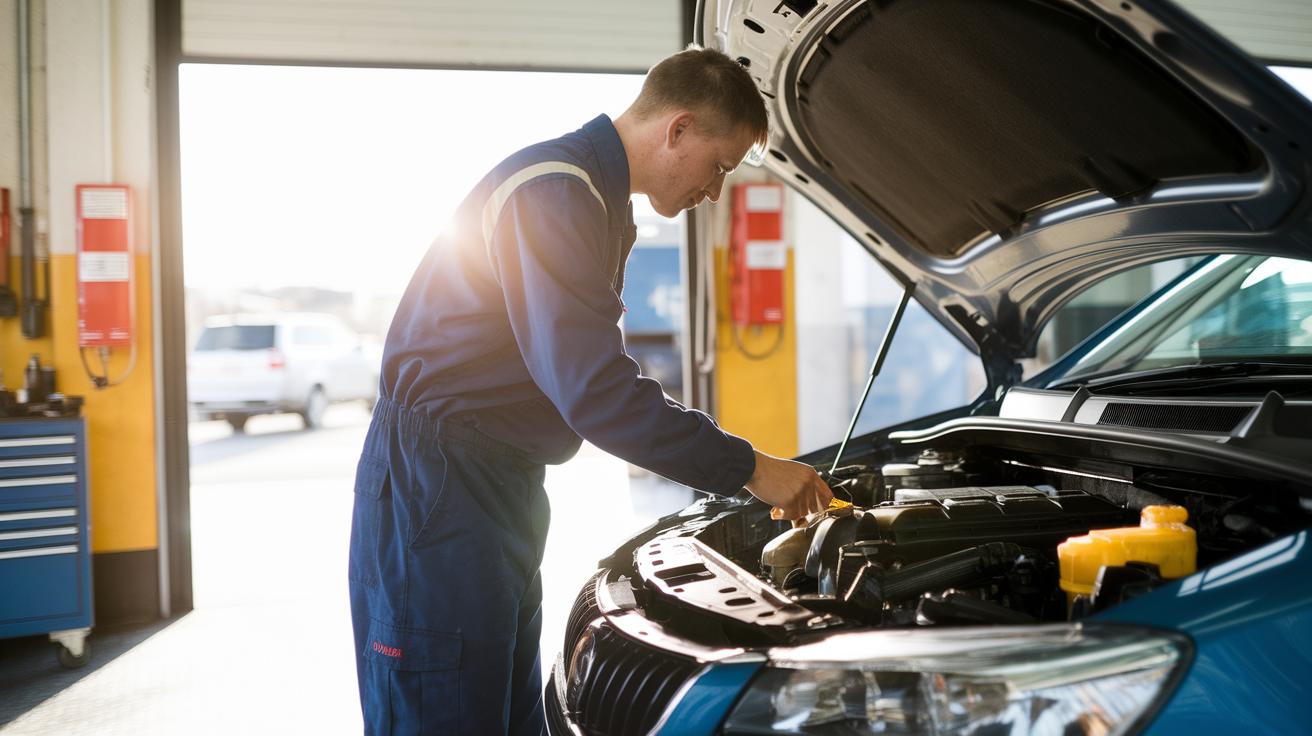
Car servicing is like giving your car a friendly check-up, making sure every part from the engine to the brakes is running just right. It’s a bit like taking your car in for a full-body exam so it stays in top shape.
When you get your vehicle serviced, experts change the oil and filters, top off the fluids, and check that your tires are properly inflated. For example, getting an oil change is similar to swapping out tired, worn parts for fresh ones, ensuring your engine runs cool and smooth.
Keeping up with these routine checks helps dodge unexpected breakdowns and maintains your car's performance over time. When everything is inspected and maintained regularly, you're less likely to face big repairs later on. Plus, a well-serviced car holds its value better, so you're all set whether you're driving it every day or planning to sell in the future.
Types of Car Servicing and Recommended Intervals
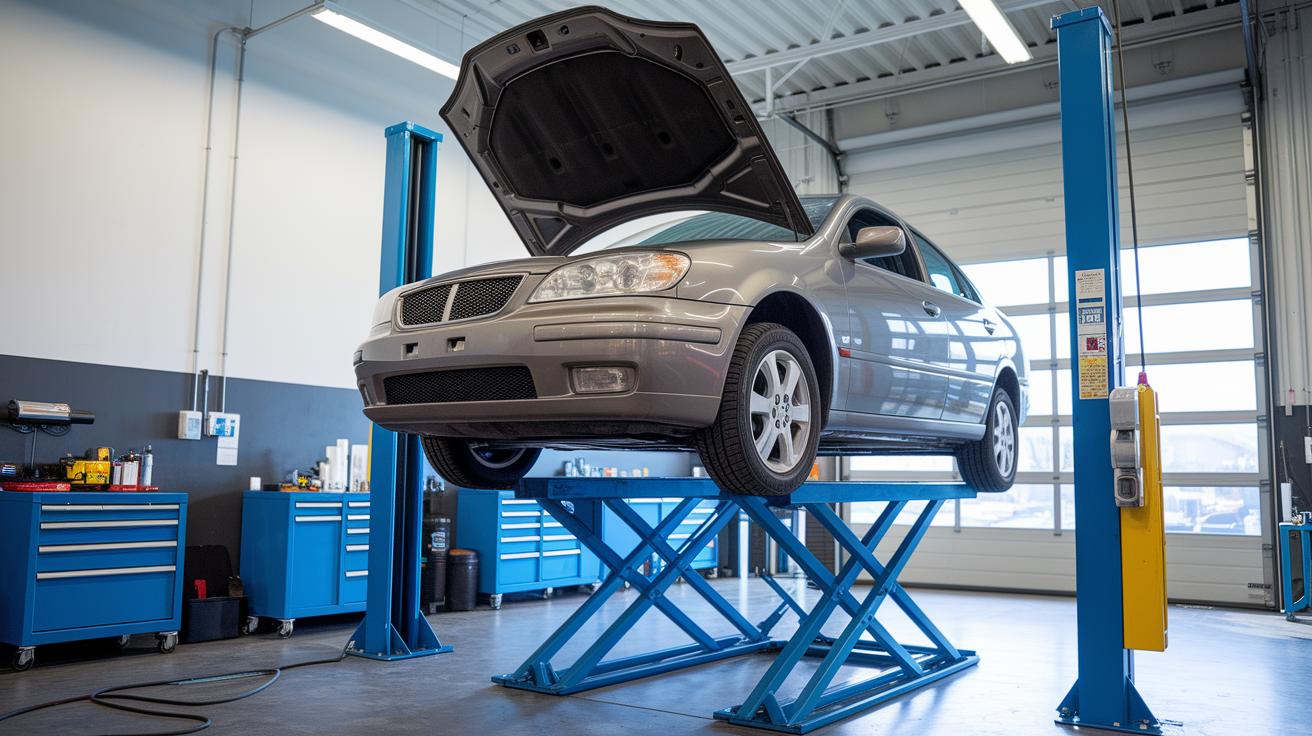
Cars need different types of care depending on how far you drive and how hard you use them. Keeping up with regular servicing can stop small issues from turning into major repairs.
Basic Service is like a quick pit stop. It mainly involves an oil and filter change to keep your engine happy and well-lubricated. Experts usually suggest this service every 6 months or every 5,000–7,000 km. Think of it as giving your car a little tune-up to keep it performing at its best every day.
Intermediate Service steps things up a notch. Along with the oil change, the mechanics will check extra fluids and inspect parts for any early signs of wear. This extra bit of care is recommended every 12 months or every 10,000–15,000 km. It’s like adding a deeper look under the hood to address small issues before they become bigger.
Full Service is the most intensive check-up. It covers everything in the Basic and Intermediate Services, plus it takes a closer look at your engine, transmission, and electronic systems. Typically, you’d schedule a Full Service every 24 months or every 20,000–30,000 km. It’s a complete tune-up to help your car stay reliable for the long haul.
Essential Car Servicing Tasks
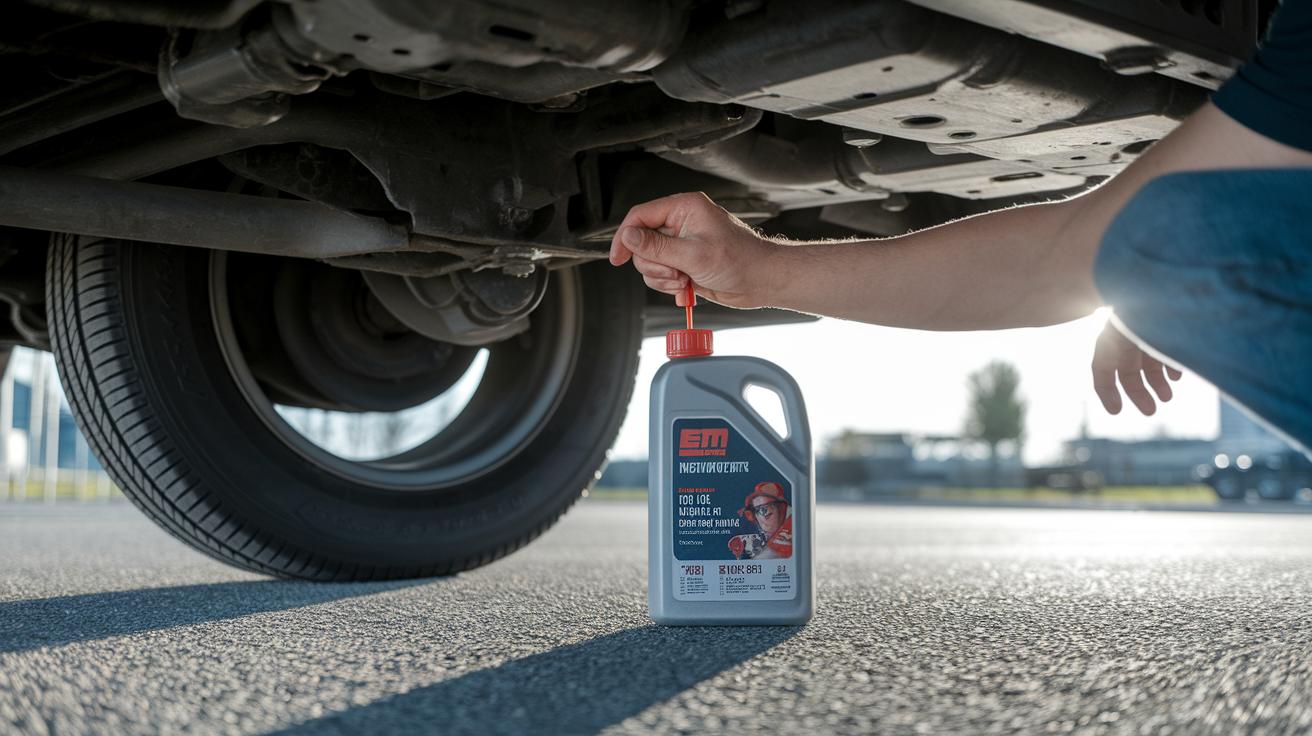
Regular car servicing is like giving your ride a friendly health check-up. It helps keep everything running smooth and safe. Each maintenance task plays its own part much like checking vital signs to extend your car's life.
-
Engine oil and filter change – Think of this as refreshing your car’s lifeblood. Fresh oil keeps the engine cool and helps all its parts work without friction. It’s just like swapping out an old sandwich for a new one to keep lunch tasty and fresh.
-
Topping off fluids – Your car depends on different fluids, like brake fluid, transmission fluid, power steering fluid, and coolant. Keeping these topped off is much like refilling your favorite energy drink to keep your body in balance.
-
Tire inspection – A quick look at your tires for the right pressure and even wear is just like checking your sneakers before a long walk. This small step can help prevent uneven wear and keep your ride smooth.
-
Brake system assessment – A thorough check of brake pads and discs can spot problems before they lead to big failures. It’s a bit like a safety check before you head out on a fun drive, ensuring everything works as it should.
-
Timing belt replacement – Often, cars need a new timing belt every 60,000 miles to ensure the engine’s parts sync up perfectly. Think of it as replacing an old rope bridge to keep your journey safe and sound.
-
Cabin air and fuel filter replacements – Changing these filters can keep the air in your car as fresh as a breeze and ensure your engine runs at its best, much like swapping out a clogged air filter in your home.
-
Visual inspection – A careful glance at belts, hoses, lights, and wipers helps catch small issues early. It’s like giving your bike a quick once-over before a ride on a sunny day.
Keeping up with these simple tasks can help you avoid pricey repairs later and make sure your car has many more happy miles ahead.
Car Servicing Cost Factors and Pricing Insights
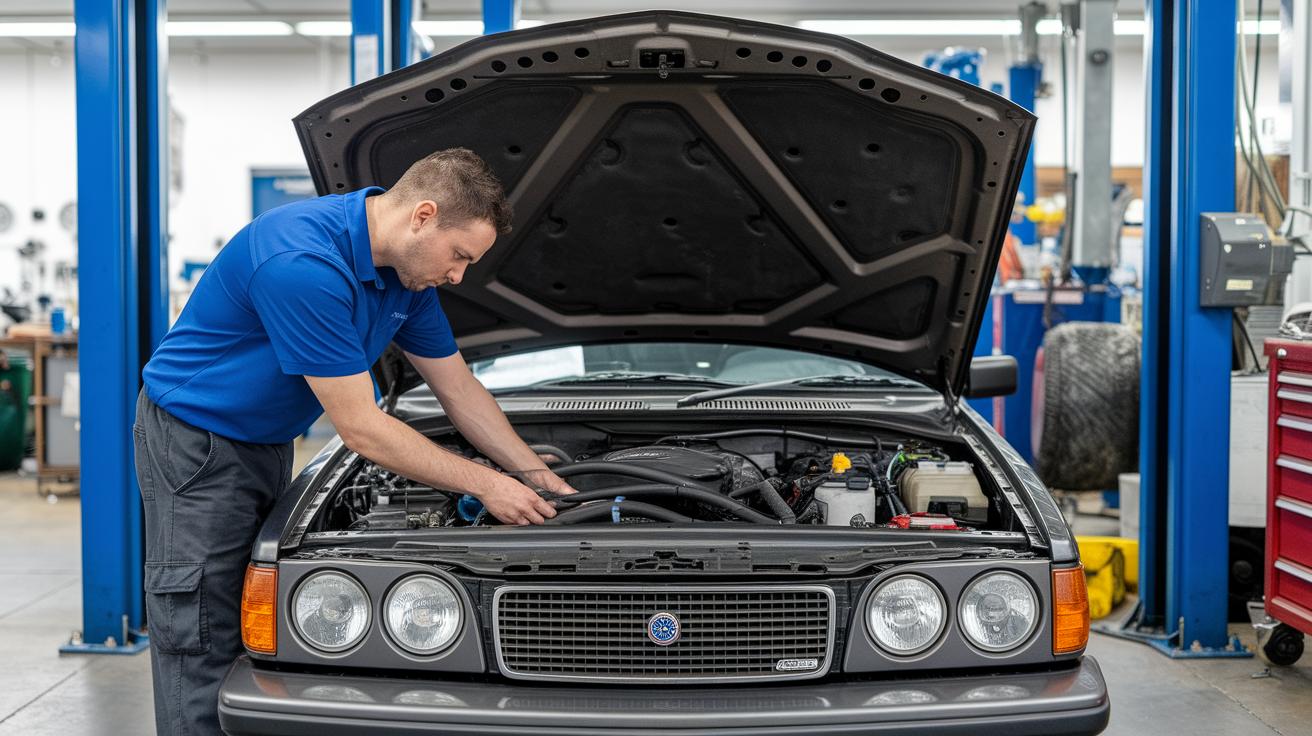
When it comes to car servicing, your bill really depends on what kind of service you go for. A basic service might just cover an oil change and swapping out the filter, while a full service checks things like the engine, transmission, and all the electronic systems. It’s like choosing between a quick tune-up and a full health check for your car.
Dealerships often charge more because they stick to original parts and their technicians are trained right from the factory. On the flip side, independent garages can save you some cash, often between 20 and 40 percent less on labor. Plus, they might offer more flexible scheduling if you’re juggling a busy day.
Several factors mix together to set the final price. Labor costs can vary with a technician’s skills and what’s typical in your area. The parts you get matter too; genuine parts usually come with a higher price tag, while aftermarket options might be friendlier on the wallet. And don’t forget about the complexity of the work, routine checks cost less than detailed repairs. Even where you live plays a role; urban spots tend to have higher rates than smaller towns.
Before you book your service, it’s a good idea to ask for a detailed estimate. Clear, upfront pricing makes it easier to avoid surprises and helps you stick to your budget.
Scheduling Car Servicing and Recordkeeping Best Practices
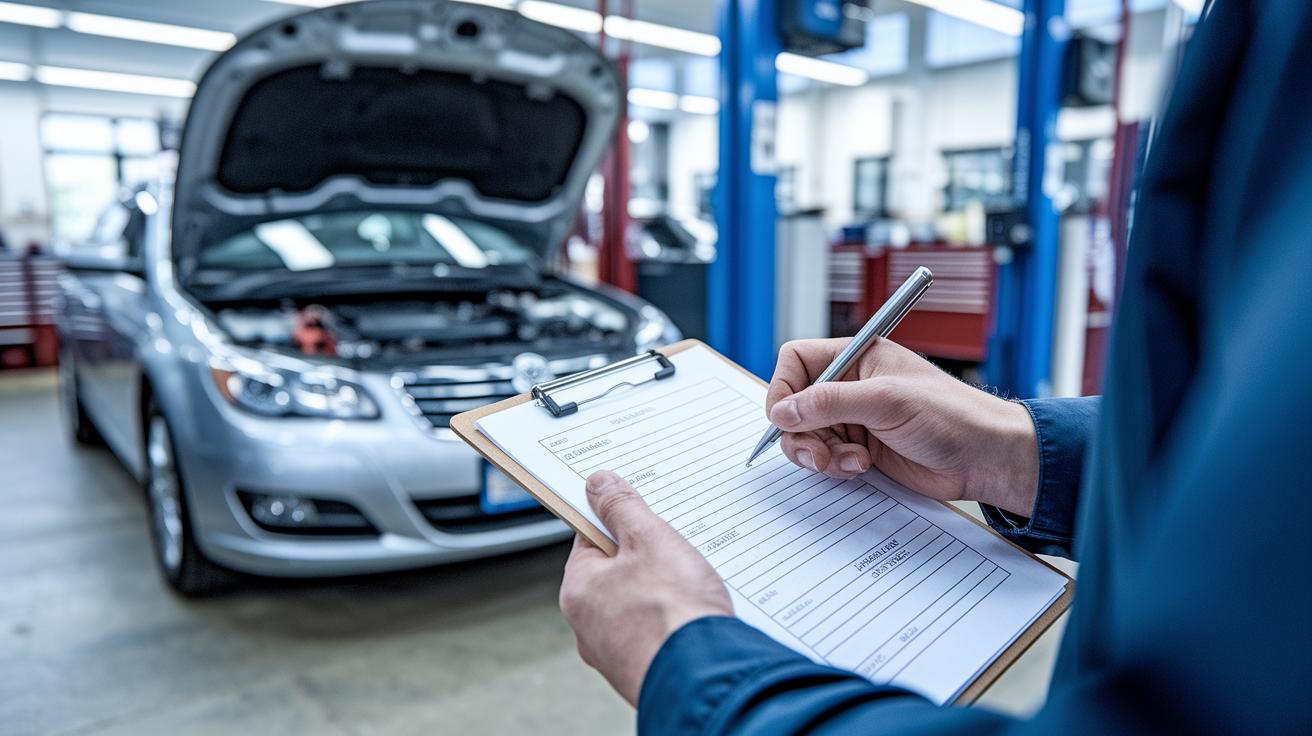
Follow the carmaker’s guidelines when scheduling your service visits. It’s the best way to steer clear of trouble and keep your ride running smoothly. A little routine check-up now and then goes a long way.
Use the table below to map out your maintenance plan:
| Service Level | Interval (Time/Mileage) | Key Tasks |
|---|---|---|
| Basic | 6 months or 5,000–7,000 km | Oil and filter change, quick fluid top-offs |
| Intermediate | 12 months or 10,000–15,000 km | Fluid checks and detailed inspections |
| Full | 24 months or 20,000–30,000 km | Deep engine, transmission, and electronic system reviews |
Keep a log of every service visit, note down the date, mileage, and what was done, like an oil change. It’s a good habit that helps you plan ahead and can bump up your car’s resale value. You might even set a monthly reminder on your phone to check your service log and ensure you’re on track.
Choosing Between Dealership and Independent Garages for Car Servicing
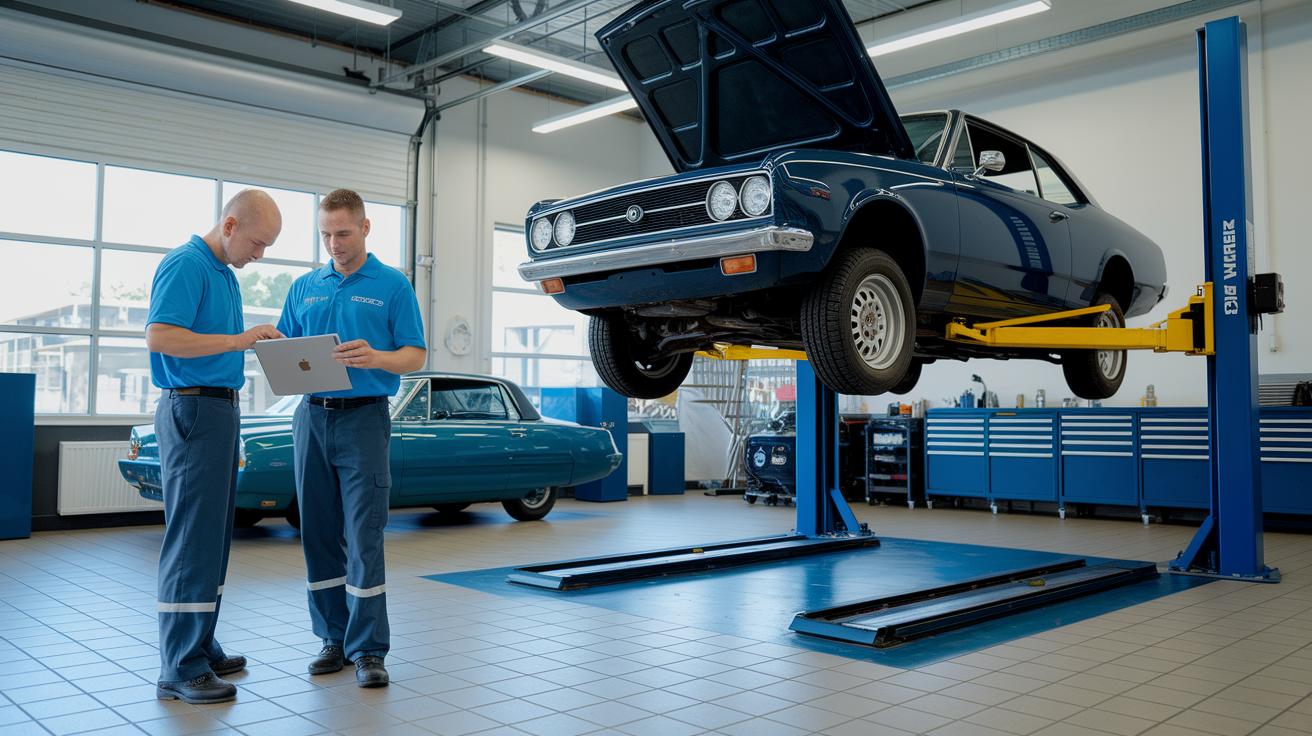
Dealerships come with factory-trained techs who know their cars inside and out. They use genuine parts and smart electronic tools to keep your ride running smooth, crucial if your car still sports a warranty. These pros stick to strict factory rules so you don’t risk your warranty, but all that expertise might hit your wallet a bit harder and mean waiting longer for an appointment.
Independent garages, on the other hand, often save you money while offering quicker booking and a more tailored service. They’re a solid pick if you’re looking to cut costs or if your car’s warranty isn’t an issue anymore.
Before you decide, check a few things. Have a peek at technician certifications to be sure they’re skilled with your car’s make and model. Make sure the parts they use are top-notch and ask if they offer any service warranties. It helps to compare prices and get a clear rundown of what you’re paying for. This little homework can steer you toward the best option to keep your car performing reliably for years to come.
Final Words
In the action, we broke down the basics of keeping your ride in tip-top shape, from routine upkeep tasks and scheduling to choosing the right service provider. We walked through service levels and pricing while stressing the importance of staying on track with maintenance records. Every step is a practical tip for making smart decisions when it comes to your vehicle. Remember, knowing what is car servicing sets you up for a safe and worry-free drive.
FAQ
What does it mean to have your car serviced or being serviced?
The question means having your car serviced refers to routine maintenance that checks vital components, prevents breakdowns, keeps performance steady, and preserves resale value.
What does a full car service include?
The question means a full car service covers tasks like oil and filter changes, fluid top-offs, tire and brake inspections, and detailed diagnostics on engine and electronic systems.
What car service checklists are available?
The question means checklists range from basic ones that cover oil and fluid checks to full lists detailing comprehensive inspections, with some available as downloadable PDFs for easy reference.
How much does full car servicing cost?
The question means full car servicing cost varies by service level, vehicle model, and provider type. Dealerships often charge higher rates than independent garages offering cost-effective quality service.
Is servicing the same as repair?
The question means servicing is routine upkeep to prevent issues, while repairs fix specific problems. Both are essential but serve different purposes in keeping your car running well.
What types of car service are available?
The question means car services come in basic, intermediate, and full levels. Each type offers a different scope of work and recommended intervals to suit varied maintenance needs.
How do I find a reliable car servicing website?
The question means a reliable website clearly explains service offerings, shows customer feedback, and offers transparent pricing along with easy online appointment scheduling to simplify your upkeep planning.