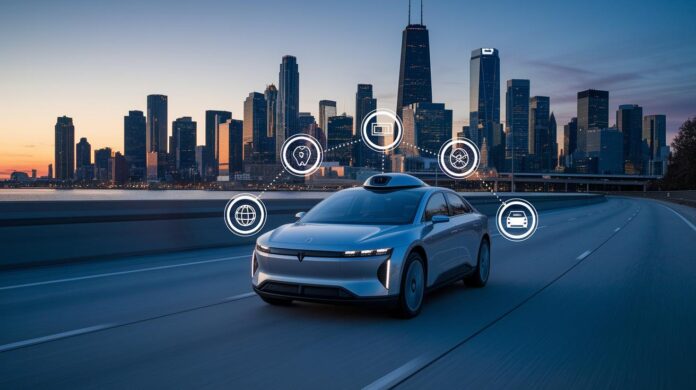

Ever wonder if your car is really looking out for you? Over 90% of accidents happen because we make simple human mistakes, and new tech is stepping in to help. With features like automatic emergency brakes (which help slow you down quickly) and sensors watching for blind spots, our roads are getting a lot safer.
Self-driving cars and smart connectivity team up to smooth out traffic and cut down delays, making your daily drive less stressful. The future of driving is exciting, a time when every ride feels secure and smart tech truly makes a difference.
automated driving and connected cars: Bright Future Ahead
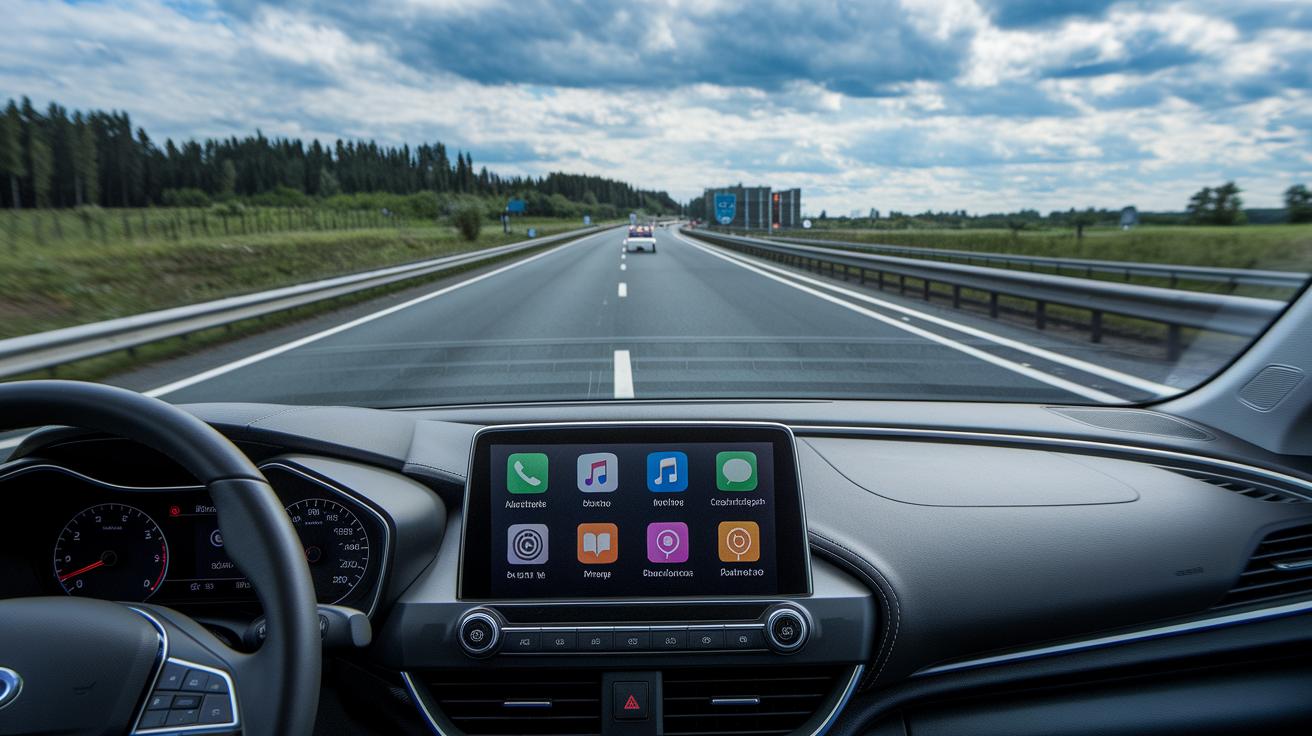
Car automation and connected cars are transforming our roads, making driving safer and more efficient. More than 90% of crashes happen because of human mistakes, so smart features like automatic emergency brakes act like a quick airbag, preventing rear-end collisions. Plus, helpful tools such as blind spot monitors and lane-departure warnings keep tired drivers alert and on track.
Self-driving cars and connected systems team up to smooth out traffic. They maintain a safe, steady gap between vehicles, meaning less stop-and-go, better fuel economy, and fewer delays. Imagine cruising on a busy highway where every car keeps its distance, preventing those sudden, frustrating stops.
Improved mobility is another big win. As cars get smarter, both drivers and passengers can make better use of their travel time, maybe catch up on a book or plan the day ahead instead of stressing behind the wheel. On top of that, advanced safety features could cut accidents by about 15% in Europe by 2030, boosting confidence for everyone on the road.
Thanks to these innovations, driving is set to become safer, smoother, and more efficient. We’re headed toward a future where transportation is smarter and everyday driving feels completely redefined.
Key Technologies Driving Automated Driving And Connected Car Connectivity
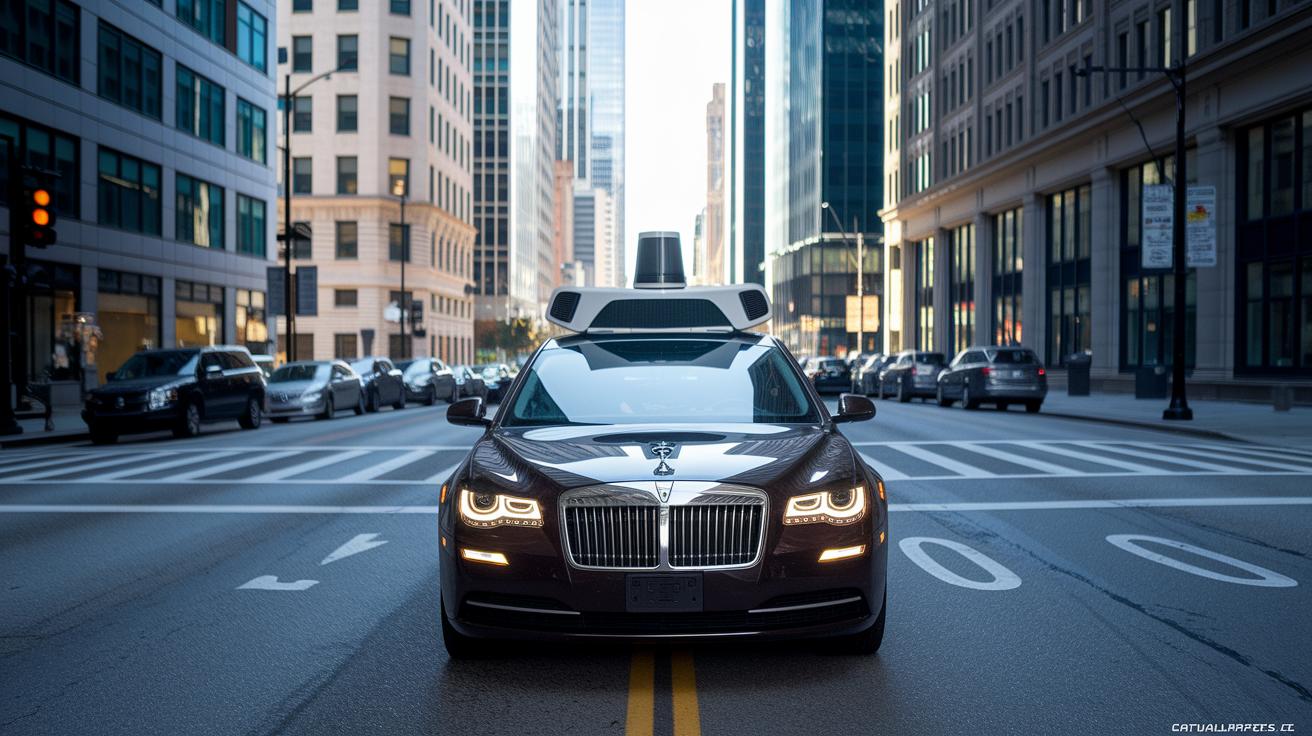
Self-driving cars use a blend of trusty sensors and clever computers. They rely on radar, cameras, and laser-based LiDAR (which uses quick beams of light) to grab real-time data so the car can act fast. Think of it like a pilot who checks a bunch of gauges before taking off. Back in the day, cars only had the basics, but nowadays, with deep learning, they can sense the world almost like we do.
This smart setup is known as sensor fusion. In simple terms, it takes bits of info from each sensor and puts them together to give the car a clear picture of what’s around it. With these high-tech sensors and machine learning techniques, the car can judge speed, spot obstacles, and keep a safe distance. And thanks to high-definition maps and precise sensor tuning, every bend and curve is handled like following a detailed roadmap.
Today’s tech is really pushing the envelope. Look at systems like GM’s Super Cruise and Tesla’s Full Self Driving, they’re examples of Level 2 automation. They offer a taste of what self-driving feels like, even though you still need to keep your eyes on the road. It’s a peek into the future of mobility, showing just how important these innovations are.
- Radar systems
- LiDAR sensors
- Camera arrays
- Ultrasonic sensors
- Vehicle-to-vehicle communication
- High-definition mapping
By tying all these systems together, self-driving technology becomes a lot safer and more efficient, opening up a whole new chapter in connected car connectivity.
Market Adoption And Industry Trends In Automated Driving And Connected Vehicle Solutions
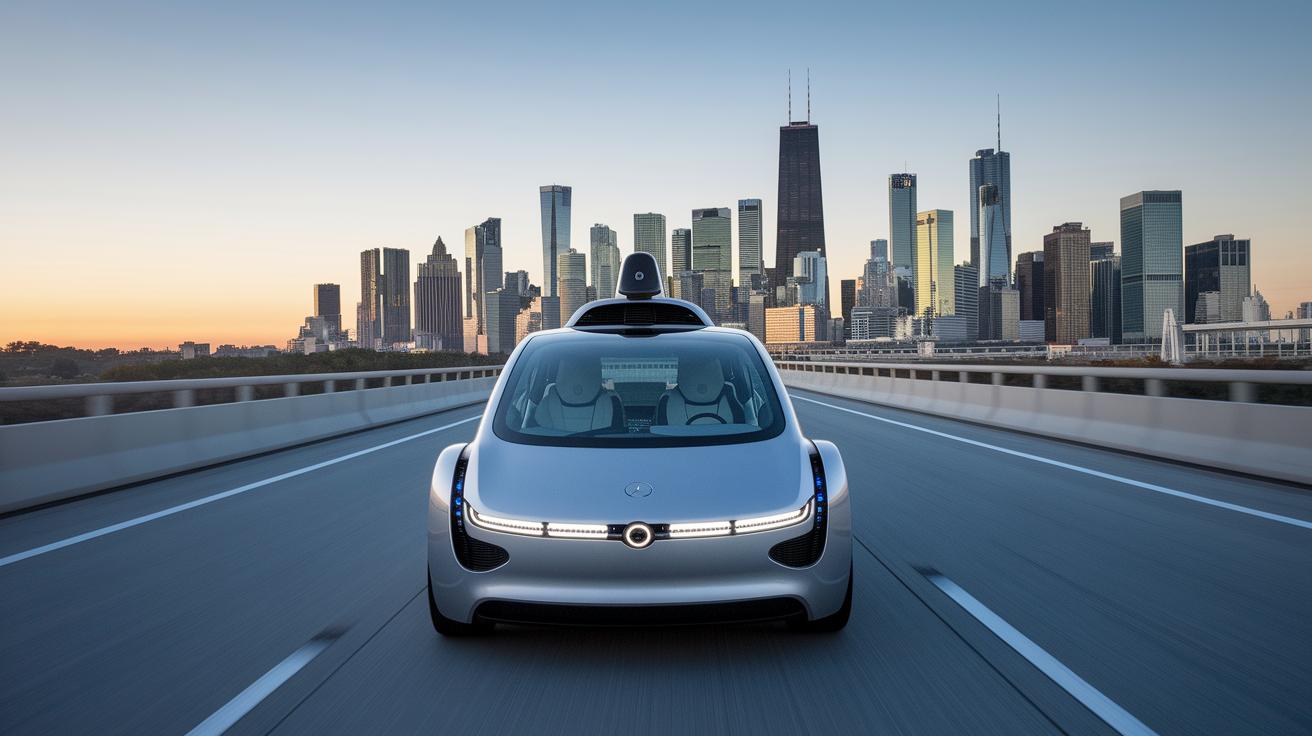
Self-driving cars are already starting to change the game. Experts say that by 2035, these vehicles could bring in roughly $300 billion to $400 billion in revenue. For example, McKinsey lays out a few different scenarios. In one, just 4% of vehicles would sport Level 3+ technology by 2030, bumping up to 17% by 2035. In a faster, more enthusiastic scenario, that share could jump from 20% in 2030 to 57% by 2035. Wow, these numbers really show how strongly the industry is leaning into smarter systems.
Big names like GM with Super Cruise, Ford with BlueCruise, and Tesla with Full Self Driving are already making waves, even though they're still at Level 2. Drivers love features that make parking and merging feel effortless, hinting at a real thirst for safer and smoother drives. And the more people see these benefits, the faster autonomous systems get rolled out on our roads.
The market is shifting at a rapid pace thanks to cool tech advances like vehicle-to-vehicle communication and cloud-connected cars. These innovations are sparking fresh investments and partnerships, all aimed at perfecting the way we drive without a hand on the wheel. Curious to see more? Take a peek at automotive innovation trends to get the full picture of these changes.
As these trends continue to evolve, ideas around connected mobility and the future of driving are not only transforming our highways but also how we experience our daily commute.
Safety, Infrastructure, And Regulatory Landscape For Automated Driving And Connected Cars
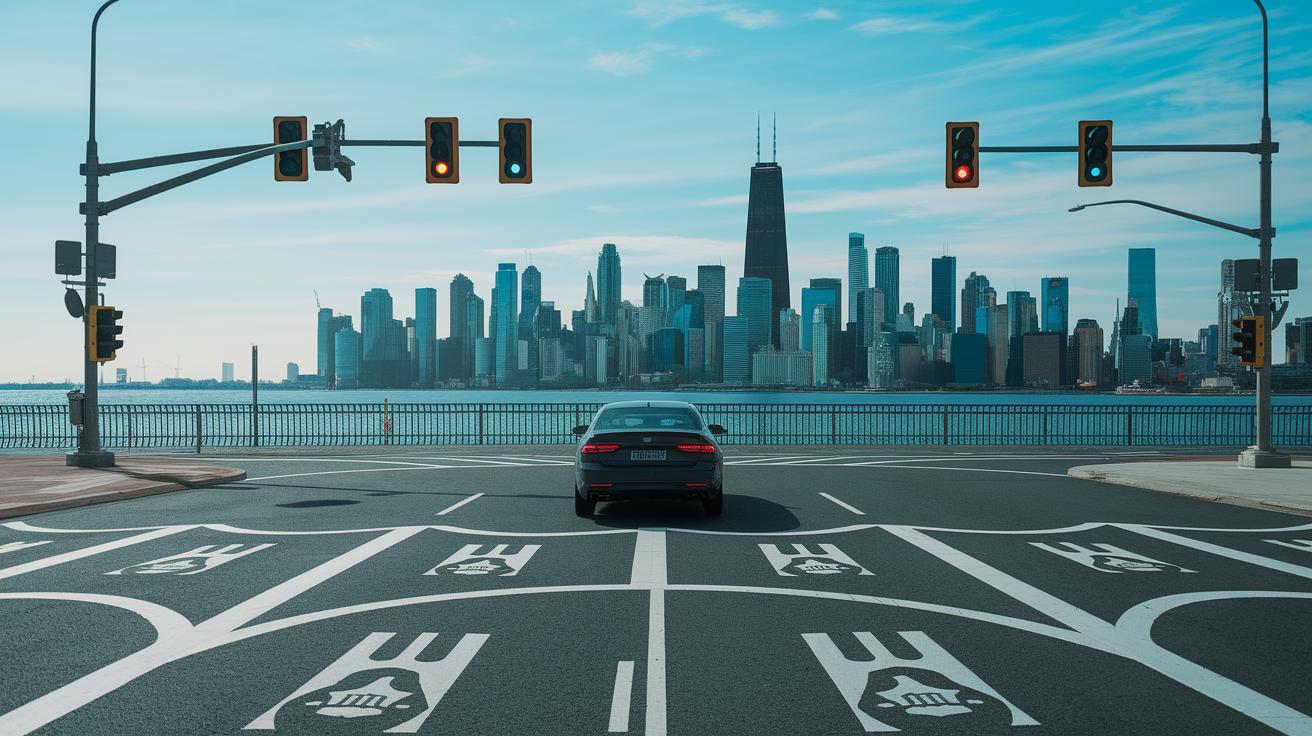
Smart traffic lights and road sensors work just like a city’s nervous system. They deliver live traffic updates straight to automated driving systems, making it easier for cars to flow smoothly through busy streets. Imagine getting a signal that your red light has turned green before you even look up, it’s like your car is reading your mind, helping you enjoy a smoother drive.
Rules and regulations play a huge role in bringing these cool technologies to life. Many officials are pushing for driver-assist features to be built into every vehicle to make roads safer. For example, in the United States, people are talking about who should be responsible if an automated system fails. Over in Europe, the focus is on protecting personal data from connected car systems. And in Japan, they’re busy testing vehicle-to-everything networks to see how these smart systems hold up in the real world.
Cybersecurity is also a top concern. As cars become more connected, keeping their wireless networks and onboard systems secure is critical. Experts are setting up new standards to fend off potential threats, ensuring that your car stays safe from hackers.
Smart traffic management paired with vehicle-to-infrastructure data sharing helps coordinate responses during rush hours and emergencies. When regulators put all these pieces together, automation not only makes our roads work better but also builds trust among drivers, paving the way for a fully connected future.
| Region | Main Focus | Key Action |
|---|---|---|
| United States | Liability and Responsibility | Require built-in driver-assist features |
| European Union | Data Privacy | Enforce strict data protection rules |
| Japan | Connected Systems | Test real-life V2X networks |
Real-World Deployments And Case Studies Of Automated Driving And Connected Car Systems
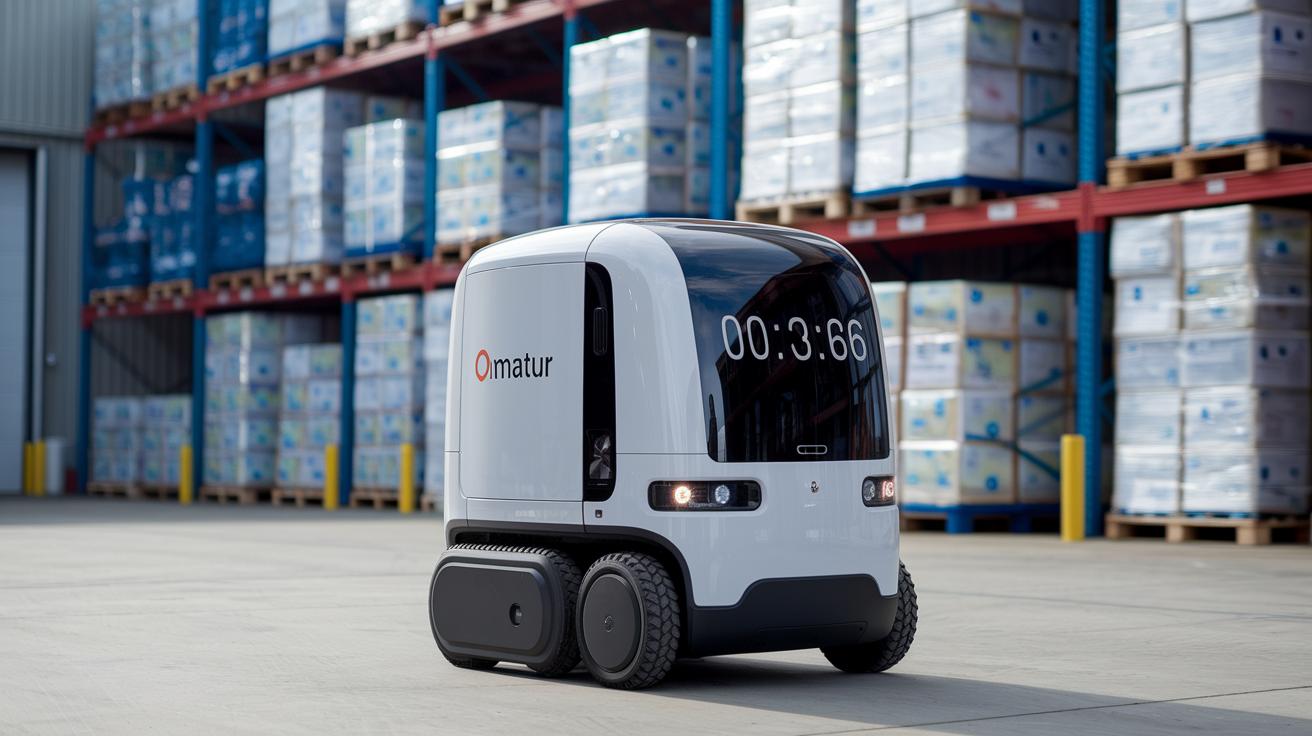
Companies are already using driverless technology in the real world. In places like warehouse yards and set trucking routes, these systems show off their smarts by running routine trips though no human is behind the wheel. For example, Kodiak Robotics and Gatik have taken the bold step of putting automated vehicles into action, helping cut costs and reduce human mistakes.
During the COVID-19 pandemic, a lot of folks turned to contactless delivery robots for urban deliveries. These little helpers not only lower the chance of spreading germs but also smooth out local delivery routes. Ride-sharing services are also getting on board with remote vehicle operations, letting drivers focus on other parts of their work while keeping things running smoothly.
Urban garages are getting a high-tech makeover too. Automated parking systems are stepping in to maximize space and take away the hassle of hunting for a spot, almost like a perfect puzzle where every piece fits. Meanwhile, companies using remote monitoring for their fleets fine-tune routes and boost safety, ensuring both business and personal vehicles operate as efficiently as possible.
- Autonomous truck platooning on highways
- Contactless delivery robots cruising urban streets
- Smart automated parking solutions in garages
- Ride-hailing fleets that use remote monitoring
Future Innovations Shaping Automated Driving And Connected Cars Evolution
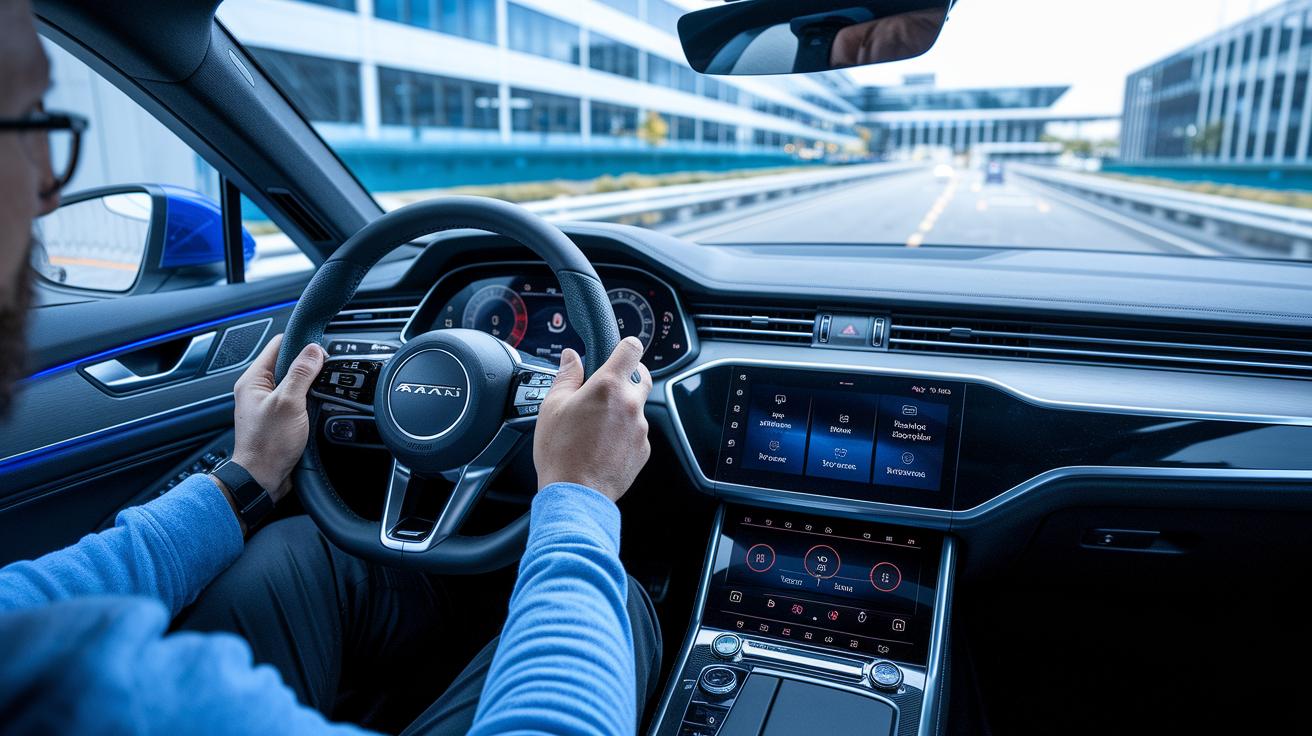
Tech is shifting the way we drive, and it’s pretty exciting. Imagine a digital cockpit that not only looks sleek but also puts all the vital info right in your hands. Think about interactive screens that update you on everything you need, from navigation tips to car health warnings, all while feeling like a well-tuned engine humming along. Even cooler, biometric sensors learn your driving habits to boost safety, almost like your car knows you better than your best friend.
Electric vehicles are getting a smart upgrade too. Your ride can now "talk" to the power grid to manage charging and energy use more wisely. As EV connectivity grows, your car will link up seamlessly with smart energy networks, ensuring you always have just the right boost when you need it. Plus, cloud-based systems are now powering over-the-air updates and real-time data analytics, so your car stays in perfect running order without those long waits at the shop.
And here’s something else cool: tech firms and automakers are joining forces to innovate how cars connect. Their teamwork is driving forward new automotive hardware and paving the way for smoother, smarter map solutions for autonomous driving. Upgraded infotainment systems and digital cockpit tweaks are making the driving experience more intuitive and enjoyable. With fresh business models like subscriptions and pay-per-use services, getting these high-tech upgrades becomes much more accessible. Check out future auto innovations on Unionno.com to see when these breakthrough technologies hit the road.
Final Words
In the action, we explored how automated driving and connected cars boost safety, cut congestion, and simplify vehicle care. The post broke down sensor arrays, smart algorithms, real-world deployments, and market trends. It also looked at the regulatory landscape and upcoming tech shifts. Every piece supports a future where driver confidence and automotive know-how grow side by side. Embracing automated driving and connected cars means a safer, smarter road ahead, something to look forward to every time you hit the open highway.
FAQ
What are connected autonomous vehicles (CAV)?
The phrase connected autonomous vehicles, or CAVs, refers to cars that combine self-driving systems with network connectivity. They exchange real-time data with other vehicles and systems to boost safety and manage traffic.
What is Cruise Automation?
The term Cruise Automation points to a company that develops self-driving technology. It uses smart sensors and AI to enhance automotive safety, making rides smoother and more secure.
What defines a Cruise self-driving car?
The mention Cruise self-driving car describes a vehicle equipped with advanced sensors and algorithms to operate without human input, leading to improved safety and efficiency on the road.
What are connected vehicles?
The label connected vehicles designates cars integrated with digital communication systems that share data instantly. This feature helps optimize navigation, reduce congestion, and enhance overall safety.
What is GM’s Cruise autonomous vehicle and self-driving taxi?
The note GM’s Cruise autonomous vehicle and self-driving taxi highlights models that blend Cruise Automation technology with GM expertise. They aim to offer efficient, safe rides that reshape urban mobility.
What opportunities do Cruise Automation careers offer?
The mention Cruise Automation careers points to job roles focused on cutting-edge self-driving technology, letting you work with advanced sensors and algorithms to shape the future of automotive innovation.