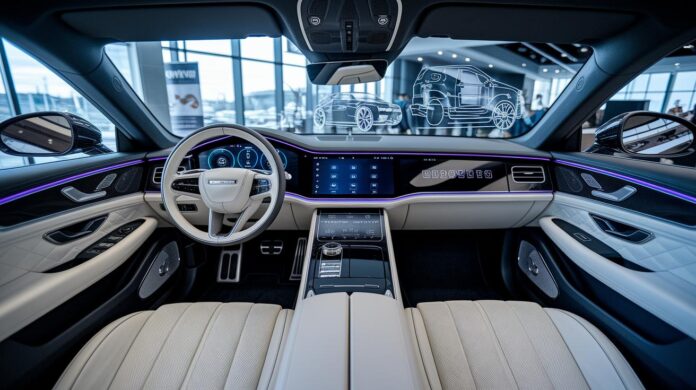

Ever thought your car could get an upgrade while it's parked? Imagine your ride receiving new software, extra safety features, and even simple tips for maintenance, all while you're relaxing at home.
This change isn’t just a flashy trend. With electric cars and smart AI systems in the picture, major brands are now sending updates over the air, kind of like how your phone updates automatically. This means your car can run smoother, perform better, and even help the environment with greener designs.
Isn’t it amazing to think that your car is turning into a smart companion? Get ready to see how these cool updates can make driving even more exciting.
Key Innovations Driving Vehicle Update Technology Innovations
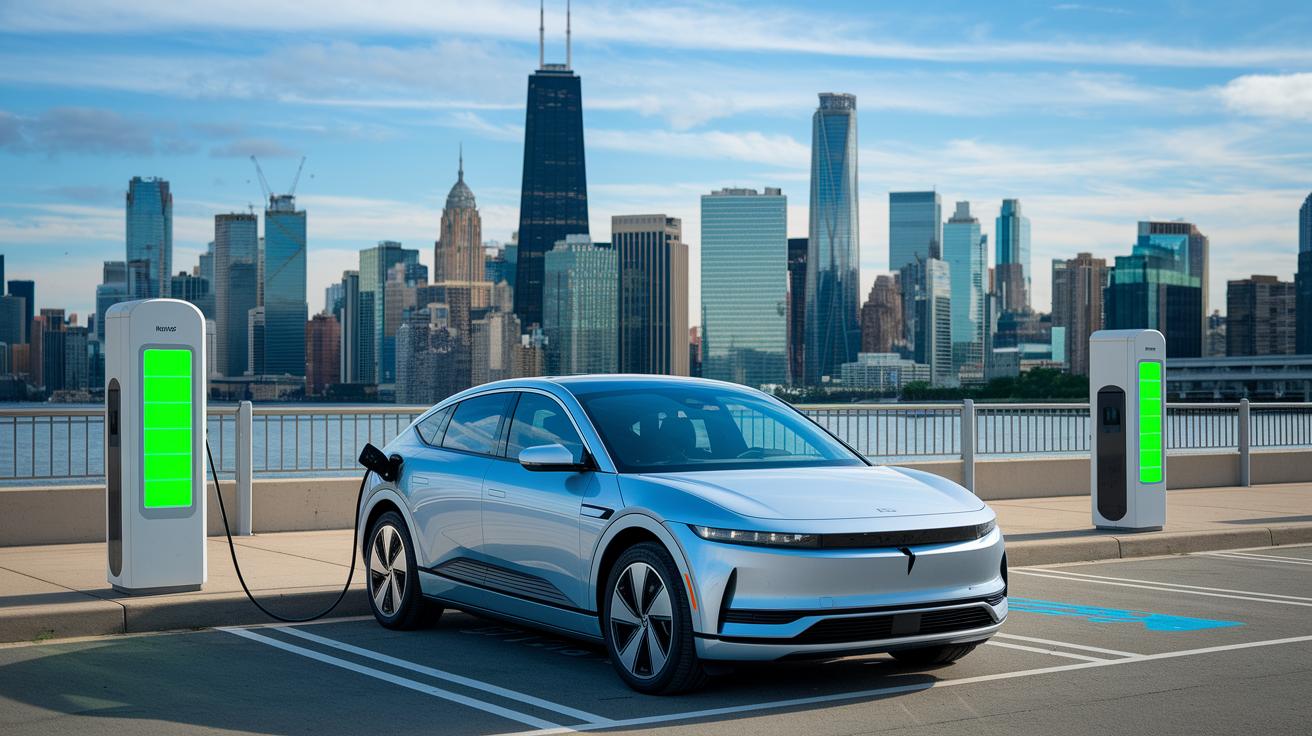
Electric cars are totally changing how we drive. With better batteries and a growing number of charging spots, these rides are becoming more efficient and kind to our planet. Tesla kicked off this change, and now all the big names in the car world are joining in. With over-the-air updates from brands like Ford, Tesla, and Rivian, you get fresh software upgrades and security patches without ever stopping by a dealership. It's like getting a digital tuneup for your car without even leaving your driveway.
AI is also a big player in this shift. It helps spot small issues before they balloon into big problems, almost like your car is giving you little hints about what it needs. Companies such as Waymo, Tesla, and Cruise are already trying out self-driving tech on real roads. And because these cars can connect to cloud services, they can share real-time data and receive updates on the fly. In simple words, your car is turning into a smart machine that learns and gets better over time.
Sustainable design is setting the stage for what’s next. Car makers like BMW and Polestar are using recycled metals and even plant-based plastics for interiors. Plus, advances in 3D printing speed up the process of creating parts that are lighter and work even better. A recent report from May 19, 2025, mentioned that this year would see smarter safety features, richer infotainment, and a greener approach to design. All these cool innovations are ready to take your driving experience to a whole new level.
Over-the-Air Update Frameworks in Modern Vehicles
Ever wondered how your car gets fresh software updates without a pit stop at the dealership? Thanks to OTA patch management, your vehicle receives timely boosts, think performance tweaks, security fixes, and new features, all sent straight over Wi-Fi or cellular networks. Tesla kicked things off, and now Ford, Rivian, and others are riding this wave, making it easier and cheaper to keep your car current.
Today’s OTA systems even go the extra mile with clever rollout methods. They use techniques like staged rollouts and fallback modes (sometimes called canary deployments). In plain language, if an update misfires, the system can automatically switch back to the old version, keeping your ride safe. Check out this snapshot of how some top car manufacturers handle updates:
| Manufacturer | Update Mechanism | Coverage | Frequency |
|---|---|---|---|
| Tesla | Staged Rollout | Global | Monthly |
| Ford | Canary Deployment | Regional | Bi-Monthly |
| Rivian | Automated Rollback | Global | Monthly |
| Volkswagen | Staged Rollout | Europe | Quarterly |
And it doesn’t stop there. Secure wireless patching relies on strong encryption and smart authentication protocols that shield your updates from prying eyes. With these measures in place, you can trust that every update delivered to your car is safe and reliable, keeping you on the road with confidence.
Cloud-Linked Connectivity and Telematics Data Integration
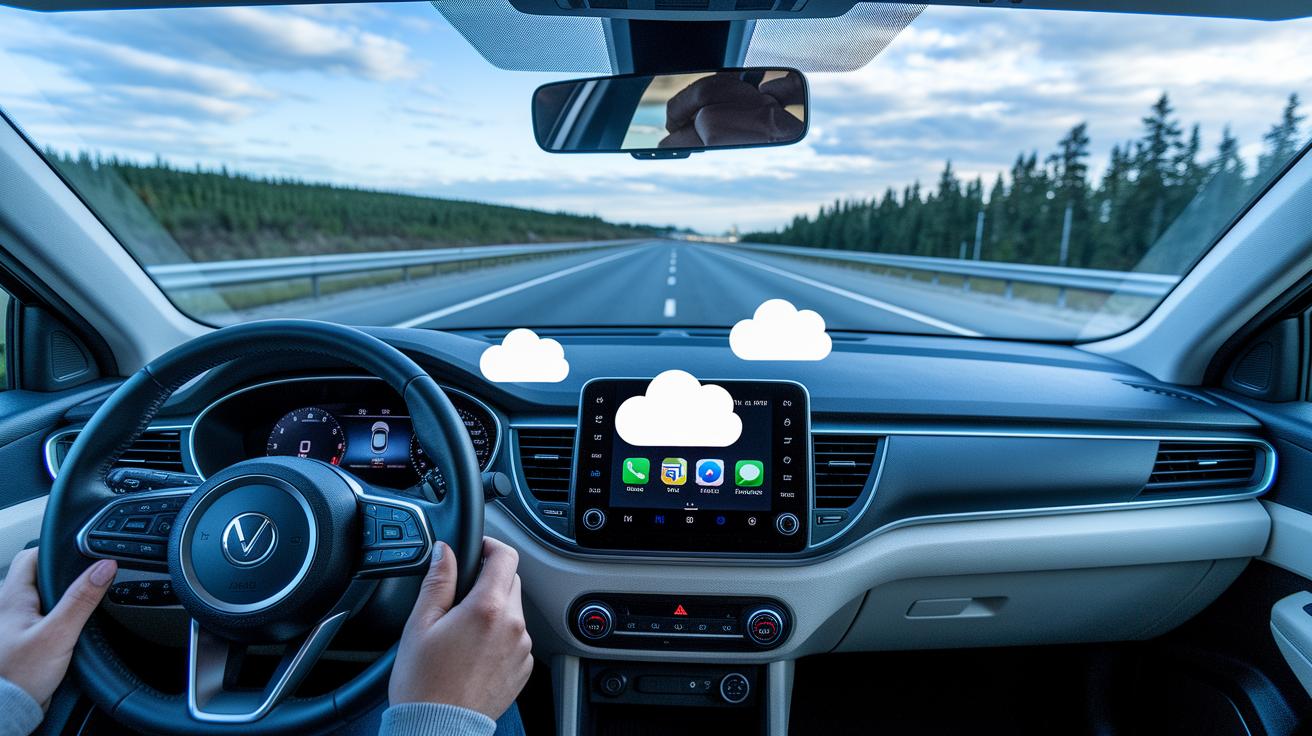
Imagine your car chatting away with the cloud, your smartphone apps, and even other cars. It’s like your vehicle has its own little social network, keeping you in the loop while you’re on the move. This smart system shows real-time updates, from checking engine health to getting the latest infotainment news, and even lets you lock or unlock your car from afar.
Telematics is the secret sauce here. It takes info from sensors and GPS and sends it to the makers, helping them keep an eye on fleets and even predict when maintenance might be needed. This means you get a clear, upfront picture of how your ride is performing. Check out these handy perks:
- Real-time fault detection
- Predictive service scheduling
- OTA update triggers
- Geofenced alerts
- Remote over-speed notifications
And here’s a cool twist: 5G and edge computing boost this whole setup by speeding up data transfer and cutting down on delays. Think of it like switching from an old dial-up connection to super-fast internet, it makes everything communicate seamlessly. This reliable connectivity not only ramps up safety but also allows for proactive upkeep, so every drive feels secure and up-to-date.
Firmware Revisions and In-Cabin Software Breakthroughs
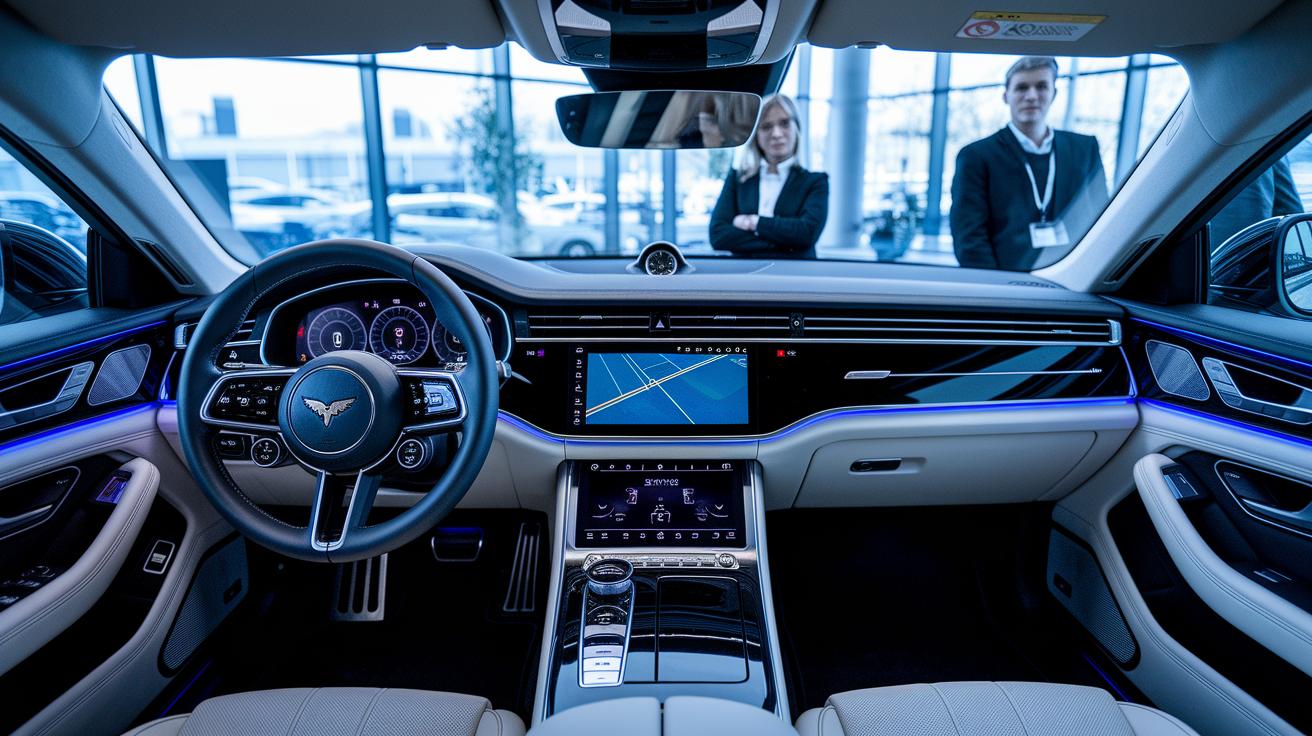
Think of firmware updates like a regular tune-up for your car's thinking machine. They fine-tune your braking systems, adjust steering settings, and smooth out the infotainment setup. Keeping your firmware up to date helps every part of your car work at its best while keeping safety and performance on point. Plus, these updates can even let your car's computer update itself wirelessly. Curious about the details? Check out How to Update Car Firmware.
Inside the cabin, tech is getting smarter and easier to use. Imagine an AR head-up display that sends clear directions right onto your windshield, so you can focus on the road ahead. Meanwhile, AI voice assistants learn what you like to do while driving and chat with you in a friendly, personalized way. It’s like having a co-pilot that makes every journey feel a bit more connected and tailored just for you.
The evolution of embedded sensors is also stepping up car safety and performance. Today's sensors power cool features like lane-keep assist and automatic emergency braking, spotting hazards in real time. At the core, centralized ECUs bring together smart onboard computing that drives these digital control updates. This smart integration not only makes today's systems better but also paves the way for future innovations in car tech.
Cybersecure Patch Management and Vulnerability Mitigation
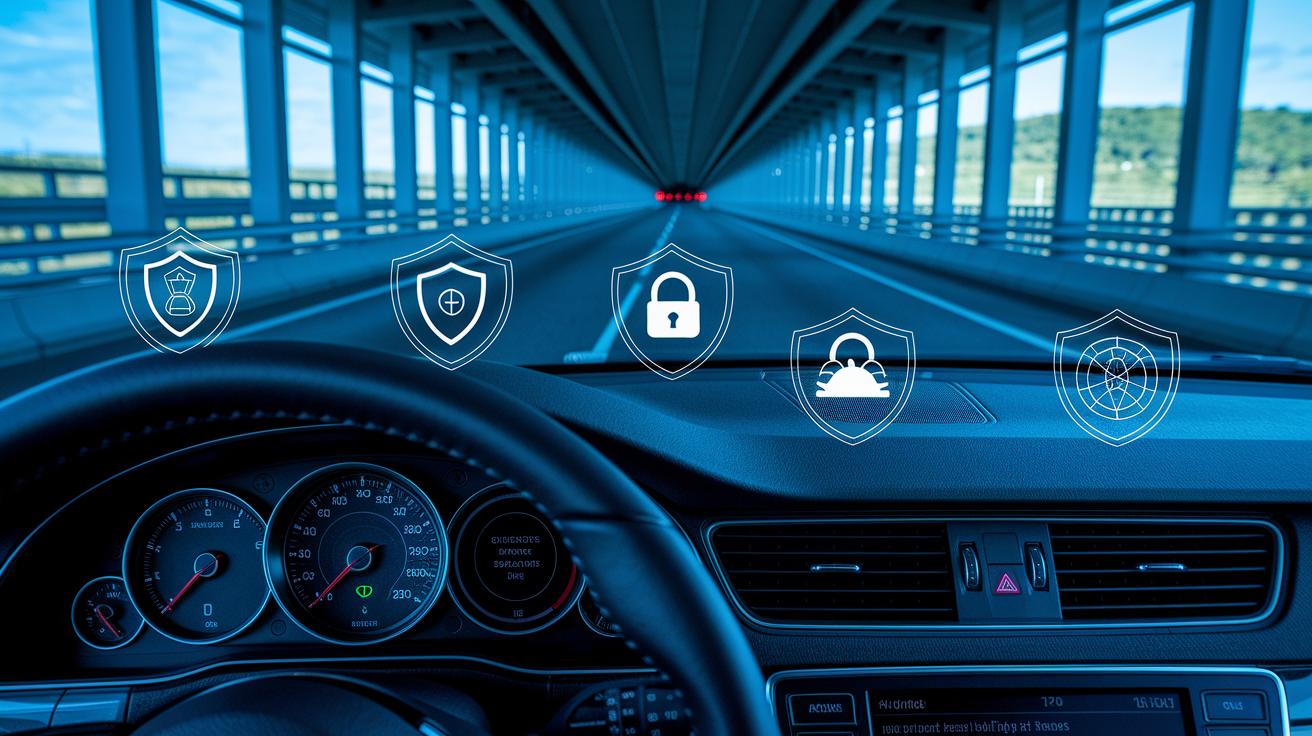
Cars today need to be as safe on the road as they are clever with technology. Manufacturers stick to strict rules, like UNECE WP.29 and ISO/SAE 21434, to make sure every system gets the right updates and patches to ward off cyber threats. It’s like giving your ride a security check-up every time there's a chance of trouble. Here’s a simple list of the key safety steps modern vehicles now rely on:
- Encrypted OTA transmissions
- Secure-boot and firmware integrity checks
- Intrusion detection and anomaly monitoring
- Digital code signing and validation
Each of these measures works hard to keep your car’s systems strong and you safe on the road.
Manufacturers don’t stop there. They layer their defenses with network segmentation and top-notch encryption, which acts like a series of locks keeping your data safe as it moves around. TLS-based encryption, for example, secures data while it's in transit, much like a sealed envelope. Add in firewalls, intrusion detection tools, and code-signing checks, and you get a safety net that works to block trouble before it starts. With these layers, even if one barrier is breached, the others stand guard, much like a well-coordinated pit crew keeping your vehicle in top shape.
The takeaway? Modern vehicles blend smart tech with robust security to keep pace with today’s cyber challenges. This multi-layered approach means your car isn’t just smart, it’s built to protect you, giving you real peace of mind every time you hit the road.
Remote Diagnostics, Predictive Maintenance, and Adaptive Recalibrations
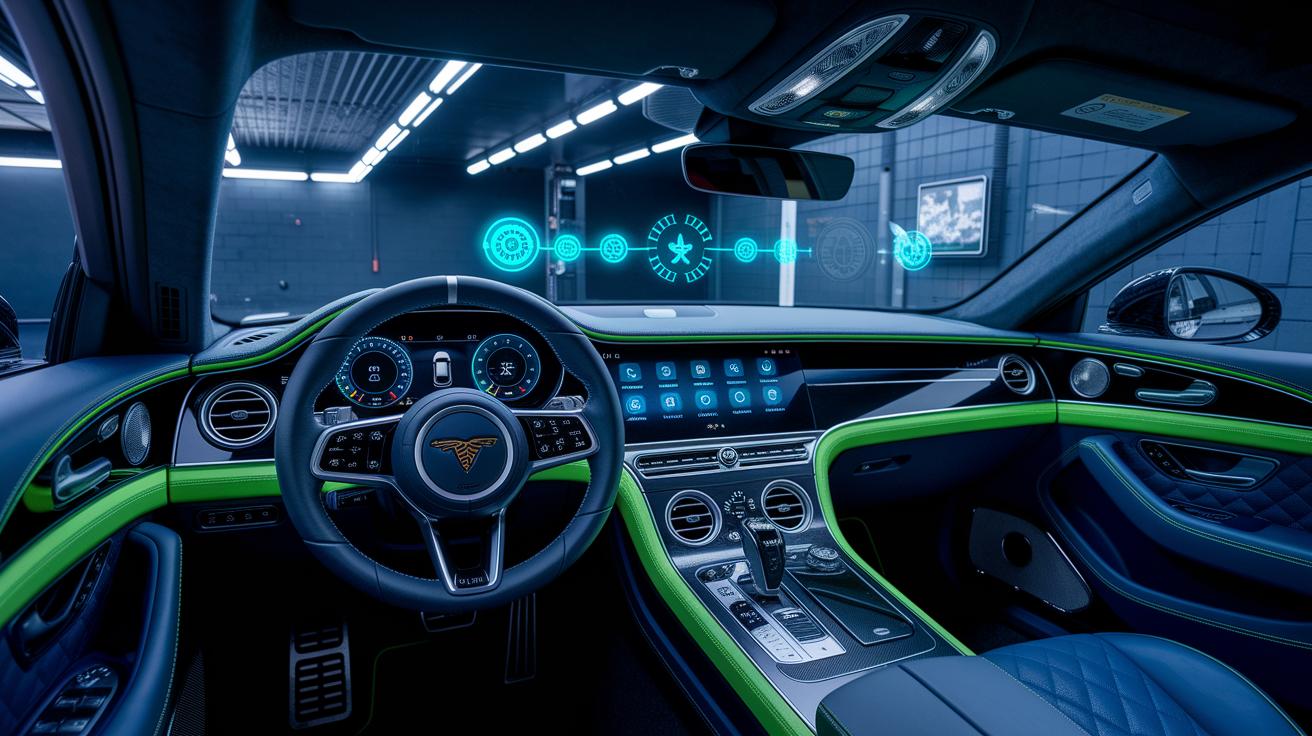
Imagine your car taking care of itself from a distance. Remote diagnostics lets your ride check its own health by spotting issues early. It uses telematics systems to read error codes as they happen so you get a friendly warning before a small glitch turns into a big headache.
Then there’s predictive maintenance, a smart helper that uses machine learning to figure out when parts might need a checkup. Instead of waiting for something to break, your car even schedules its own service alerts and tuning sessions. It’s like having a built-in mechanic looking out for you!
Here’s what these neat features can do for your drive:
- Remote fault-code retrieval
- Engine health monitoring
- Tire-pressure alerts
- Battery state-of-charge tracking
- Automated calibration commands
- OTA calibration patch triggers
Adaptive recalibrations take it a step further. They update your engine's mapping and fine-tune the suspension settings over the air. Whether you’re managing a fleet or just driving your own car, this smart system keeps everything running smoothly. It makes adjustments on the fly based on real-time data so your car is always performing at its best with hardly any hassle.
Future Outlook on Autonomous System Patching and AI Update Algorithms
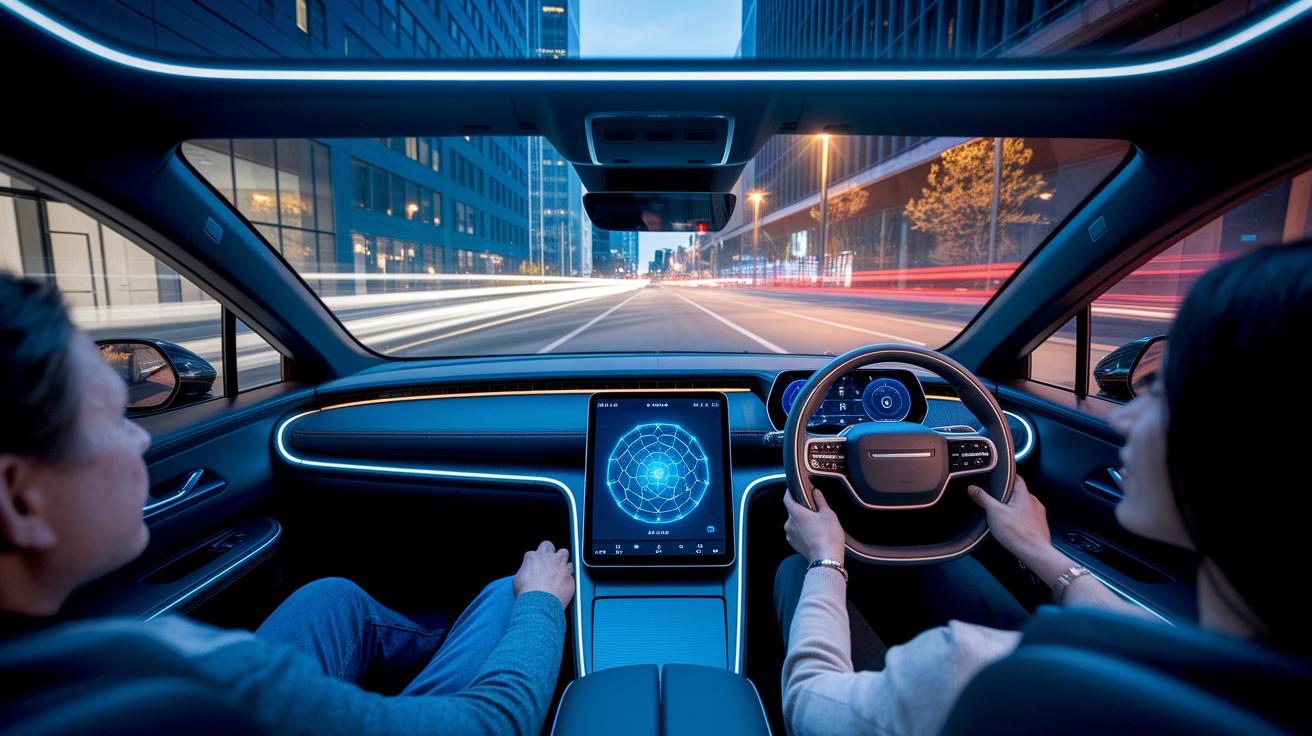
Self-driving tech needs regular software updates to keep its vision, decision-making, and control sharp. Think of it like a smart mechanic who knows just when your car’s self-driving brain needs a tuneup. AI-driven patch systems now look at how you use your vehicle and schedule updates at perfect times. This means fewer interruptions and a smoother ride on the road, boosting safety and giving drivers more confidence.
These clever systems also come with self-healing code that spots problems and quickly undoes any faulty patches. In a nutshell, if something goes wrong, the system can switch back to an earlier, stable version right away. This quick fix keeps your ride running safely, even when unexpected glitches pop up.
Looking ahead, there's a lot of buzz about federated learning. In simple terms, this approach lets cars learn from each other while keeping your data private. With ongoing improvements and smart patch updates, self-driving tech could soon update itself with almost no risk. This way, your car stays ahead of issues and easily adapts to new driving conditions, almost like it’s always getting a little better with every mile.
Final Words
In the action, we covered how electric vehicles, AI maintenance, and OTA updates are reshaping how we experience cars today. Each section broke down tech advances, from real-time diagnostics and secure wireless patches to eco-friendly designs and AI-driven autonomous testing, making it easy to see the impact on everyday driving.
This deep dive into vehicle update technology innovations leaves us excited about smarter, safer, and more connected rides. There's plenty of reason to be upbeat about what lies ahead in automotive tech.
FAQ
Q: How do vehicle update technology innovations in 2021 and new technology in the automobile industry shape modern cars?
A: Vehicle update technology innovations in 2021 marked a shift with remote diagnostics, OTA updates, and cloud-connected systems that boost safety, performance, and real-time software enhancements across today’s vehicles.
Q: What does new car technology 2025 bring to the driving experience?
A: New car technology 2025 introduces smarter infotainment, greener engineering, and seamless connectivity through OTA updates, all of which advance energy efficiency, safety features, and overall vehicle performance.
Q: How do car innovation ideas and car innovation history merge to influence today’s vehicles?
A: Car innovation ideas and history blend creative design with breakthroughs like OTA updates and AI-powered systems, evolving over decades to enhance safety, performance, and connectivity on today’s roads.
Q: What are some innovative ideas for car safety?
A: Innovative ideas for car safety include smart sensors, advanced braking algorithms, and AI-driven alerts, all designed to lower road risks, keep drivers well-informed, and improve overall vehicle security.
Q: What is meant by a car technology company?
A: A car technology company develops integrated systems—from connected diagnostics and OTA updates to autonomous features—that keep vehicles modern, reliable, and responsive to real-time data needs.
Q: What key features define modern car technology?
A: Modern car technology features include OTA updates, cloud-linked connectivity, smart onboard computing, and integrated infotainment systems, all working together to enhance safety, diagnostics, and the overall driving experience.