
Think that odd smell, a rattling noise, or a sudden loss of power is just minor car trouble?
Don’t assume that—many drivers miss that these are classic signs a catalytic converter is failing, and the real cause is often something else upstream.
A bad converter can tank fuel economy, trigger a check-engine light, and fail emissions tests, but the symptoms come from damage, contamination, or engine faults.
Read on to learn the clear warning signs, the most common causes, and the first steps to take so you don’t replace the part twice.
Warning Signs Every Driver Should Recognise
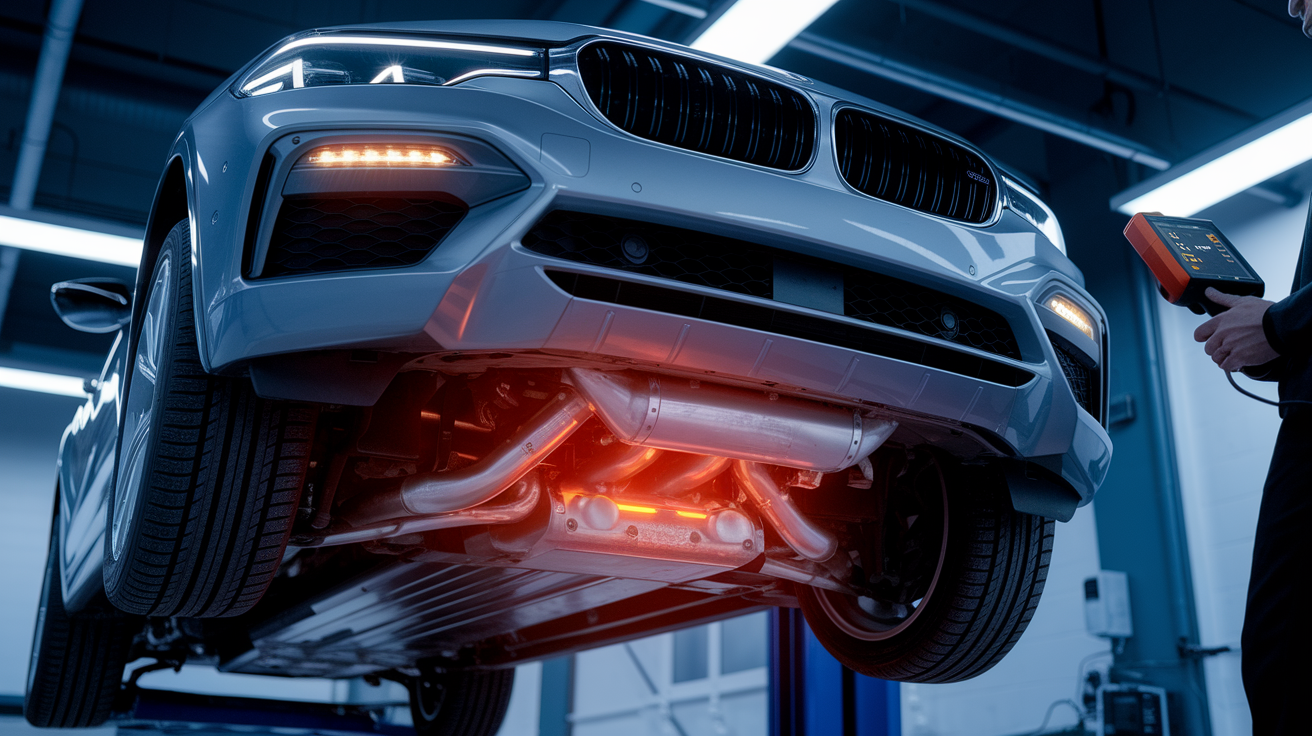
Your exhaust system’s acting up, and the catalytic converter’s a likely suspect. But here’s the thing, catalytic converter symptoms rarely point to just one cause. Signs of a bad converter can come from actual damage inside the unit, restricted flow, contamination, or an upstream engine fault that’s stressing things out without you even knowing it. Figuring out what’s really going on starts with knowing what to look and listen for.
Here’s what to watch for:
- Check engine light and P0420/P0430 codes. The light might stay on, or it comes back after you clear it. These codes point to catalyst efficiency dropping below an expected threshold, but they don’t confirm the converter itself has failed. Something upstream could be the real culprit.
- Rotten egg or sulphur smell. A noticeable, unpleasant odor coming from the exhaust. This usually means sulphur compounds aren’t being processed correctly, which can point to excess fuel or a contaminated catalyst.
- Failed emissions test. If tailpipe pollutants come back elevated, that’s a strong sign the converter isn’t treating exhaust gases the way it should.
- Reduced acceleration or engine power. Hesitation, weak throttle response, or trouble holding speed on the highway. Often means exhaust flow is restricted somewhere.
- Poor fuel economy. Your engine’s working harder against exhaust restriction, or an upstream fault is throwing off combustion. Either way, you’ll notice more trips to the gas station.
- Rattling noise. A metallic rattle from underneath the car, especially at startup or during acceleration. Could mean a cracked internal substrate (that’s the honeycomb structure inside), but it might also just be a loose heat shield.
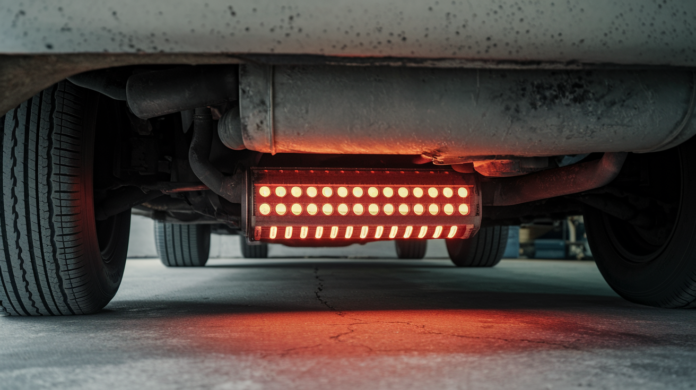
- Overheating or discolouration. Excessive heat under the vehicle, or in severe cases, a converter glowing red. This usually points to unburned fuel or an internal restriction cooking the unit from the inside out.
- Dark or smoky exhaust. Unusually dark smoke can mean a rich fuel mixture, oil burning, or another upstream issue actively contaminating the converter.
Scan the vehicle for diagnostic codes right away. Avoid driving, or stop immediately, if the converter glows red or power drops sharply. And get a professional to confirm the diagnosis, since P0420 or P0430 alone doesn’t prove the converter has actually failed.
Any one of these symptoms could have a completely different cause. A rattle might just be a loose bracket. A smell might be a fuel issue that has nothing to do with the converter at all. Multiple symptoms showing up together give you stronger evidence, but you’ll still need proper testing (checking the engine, oxygen sensors, exhaust flow, and converter temperature) before jumping straight to replacement.
How A Failing Catalytic Converter Affects Your Engine
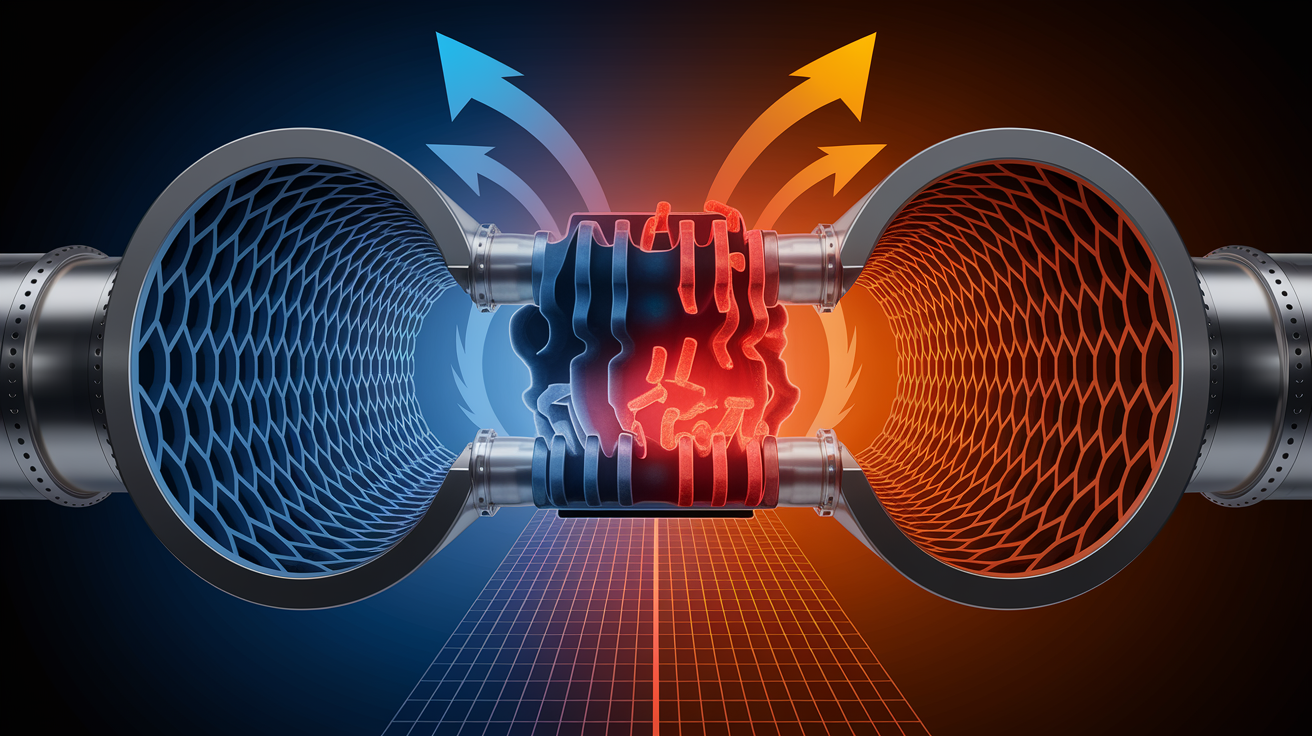
Inside every catalytic converter sits a honeycomb structure, either ceramic or metallic, coated with catalyst materials like platinum, palladium, or rhodium. This design packs a huge surface area into a small space while still letting exhaust gases pass through thousands of narrow channels. Exhaust comes in from the engine side, flows through these coated passages where harmful gases get chemically converted into less harmful ones, then exits toward the rest of the exhaust system and out the tailpipe.
| Normal Flow | Restricted Flow |
|---|---|
| Exhaust Inlet → Open Honeycomb Passages → Exhaust Outlet | Exhaust Inlet → Blocked/Melted Passages → Backpressure Builds → Heat Trapped → Reduced Outlet Flow |
When that honeycomb substrate melts, collapses, or gets coated with contamination, the open area for exhaust to pass through shrinks. Exhaust gases start backing up toward the engine instead of flowing freely out the back. Pressure builds inside the system, and heat that would normally pass through and dissipate gets trapped in and around the converter instead. This is the physical mechanism behind decreased fuel economy, poor acceleration, and the overheating signs we already covered. It all comes down to exhaust backpressure choking the engine’s ability to breathe properly.
Common Causes of Catalytic Converter Failure
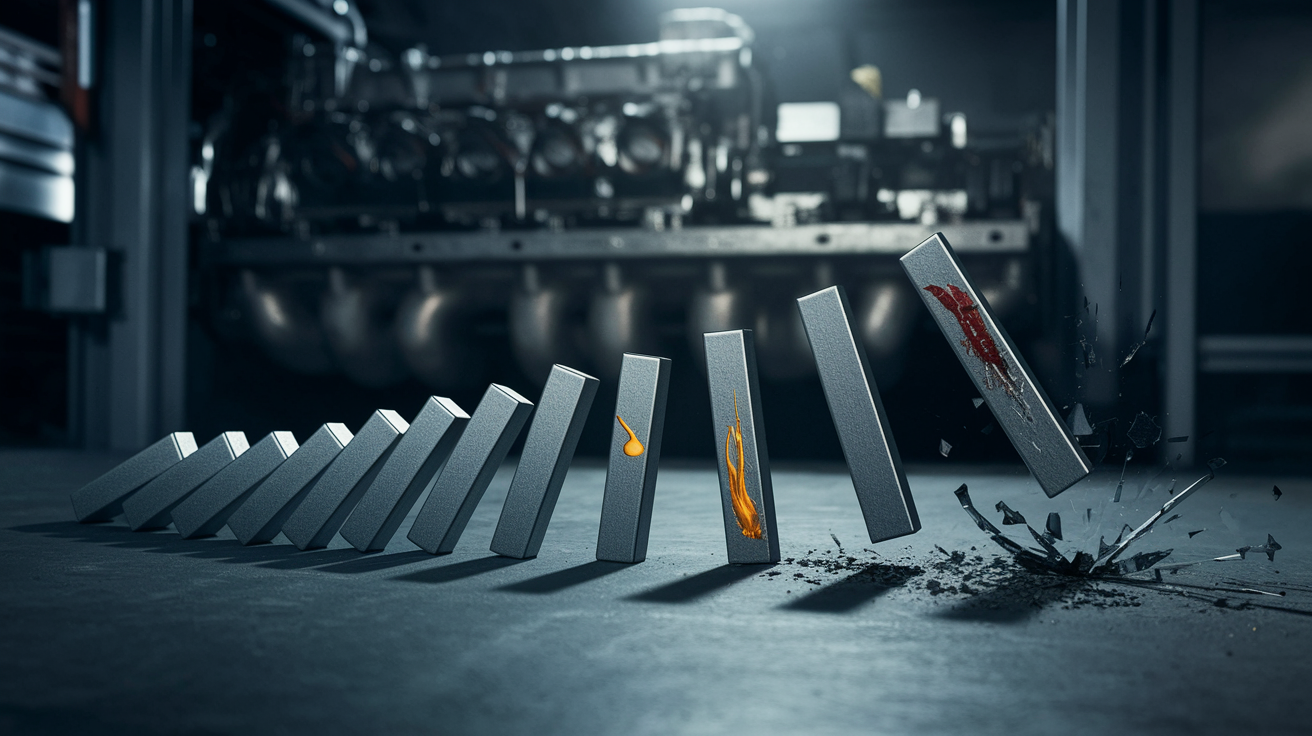
A catalytic converter almost never fails on its own. It’s usually the last domino to fall after something else in the engine or fuel system has been struggling for a while. Replace the converter without fixing that upstream problem, and the new one will likely fail too, sometimes within weeks.
Here are the causes worth knowing:
- Engine misfires and ignition faults. When spark is weak or missing, unburned fuel ends up in the converter instead of the combustion chamber, where it ignites and overheats the substrate.
- Rich fuel mixtures or fuel delivery faults. Too much fuel means too much heat and raw fuel hitting the catalyst, well beyond what it’s built to handle.
- Excessive oil consumption. Burning oil coats the substrate in residue, effectively poisoning the catalyst material and blocking its ability to work.
- Internal coolant or antifreeze leaks. A blown head gasket or failing intake gasket can send coolant into the exhaust stream, contaminating the catalyst.
- Worn oxygen sensors, air fuel ratio faults, or low compression. Any of these disrupts the engine’s ability to manage combustion and emissions properly, putting extra strain on the converter.
- Physical impact. Road debris, potholes, or other impacts can damage the converter directly (more on diagnosing this below).
- Carbon and deposit accumulation. Frequent short trips or ongoing combustion problems build up deposits that gradually restrict flow.
- Age, high mileage, and general wear. Converters don’t last forever, and years of normal dri
Final Words
Spot a rotten-egg smell, a P0420/P0430 code, rattling, or a red-hot pipe? Those are the quick warning signs we walked through and what each typically points to.
You also saw how blocked passages, contamination, or upstream engine faults create backpressure and heat, and how to separate internal substrate damage from loose shields or mounts.
Scan for codes, stop driving if the converter glows red or power drops, and get a pro to test sensors, backpressure, and temps — diagnosing the symptoms and causes of a failing catalytic converter first usually saves money and fixes the real issue.
FAQ
Q: What is the most common cause of catalytic converter failure?
A: The most common cause of catalytic converter failure is upstream engine faults—especially repeated misfires or rich running—that let unburned fuel or contaminants overheat, coat, or poison the catalyst and restrict flow.
Q: How much does it usually cost to fix a catalytic converter?
A: The usual cost to fix a catalytic converter is highly variable; expect hundreds to over a thousand dollars for parts plus labour, depending on vehicle, OEM versus aftermarket parts, sensor replacements, and local labour rates.
Q: What can be mistaken for a bad catalytic converter?
A: Things mistaken for a bad catalytic converter include faulty oxygen sensors, engine misfires, exhaust leaks or a clogged muffler, a loose heat shield causing rattles, and rich-running conditions that produce similar symptoms.
Q: Can I drive with a failing catalytic converter?
A: You can sometimes drive with a failing catalytic converter, but avoid driving if it glows red or causes severe power loss; continued driving risks further damage, failed emissions checks, and possible safety or legal problems.