Maintenance
Preventative Car Maintenance: Smart Tips For Reliable Drives
By thomascrown
June 27, 2025
Field Notes
Ever wonder why some folks never face a sudden breakdown while others end up with pricey repairs? Think of it like taking your car for its regular check-up. Routine oil changes, filter swaps, and tire rotations help spot little issues before they turn into big, costly problems.
In this guide, we’ll share simple, smart tips to keep your engine running longer and boost fuel efficiency. It’s all about saving money and feeling confident every time you hit the road. Stick with us for down-to-earth advice that transforms basic car care into long-lasting reliability on every drive.
How Preventative Car Maintenance Protects Your Vehicle

Preventative car maintenance is all about doing regular checks before little issues snowball into big headaches. This means simple tasks like oil changes, filter swaps, and spark plug inspections that catch problems early, keeping your ride running smoothly. Fun fact: many drivers discover that a quick oil change now can save them from a pricey engine repair later!
Taking care of your car the right way boosts its reliability and fuel efficiency. When a good mechanic spends time going over your vehicle, they catch minor issues before they become major expenses. It’s like having a friendly pit crew who gives you the confidence to hit the road, knowing every part is doing its job.
Sticking to your maintenance schedule not only cuts down the chances of unexpected breakdowns but also extends your engine's life. Each oil change or spark plug check helps you avoid surprise repairs and keeps repair bills low. In other words, regular care gives you a smoother, more efficient ride that saves you money and keeps your car safe for all your adventures.
Preventative Car Maintenance: Smart Tips for Reliable Drives

Keeping up with regular oil and filter changes helps your engine run smoothly and keeps low oil pressure or leaks at bay. Rotating your tires and getting wheel alignments not only ensures even wear but also extends their life. It’s a good idea to inspect your brakes every 10,000–12,000 miles to catch worn pads before they cause more damage. And checking fluids, like coolant, transmission, brake, and power steering, ensures everything stays at the right temperature and pressure. These simple steps form the backbone of a solid car care routine, paving the way for safer drives.
Every 15,000–30,000 miles, swapping out the air filter helps your engine breathe better and boosts fuel efficiency. It’s smart to check your battery’s health every 3–5 years, depending on your driving habits and the weather, to avoid surprise starting issues. A routine look at your belts and hoses can catch cracks or wear before they become a roadside headache. Finally, changing spark plugs around the 30,000-mile mark keeps your engine running smoothly. Follow these easy car maintenance tips to keep your ride dependable and steer clear of expensive repairs.
Car Maintenance Checklist: Simple Steps For Safe Cars
Recommended Intervals in Your Preventative Car Maintenance Schedule
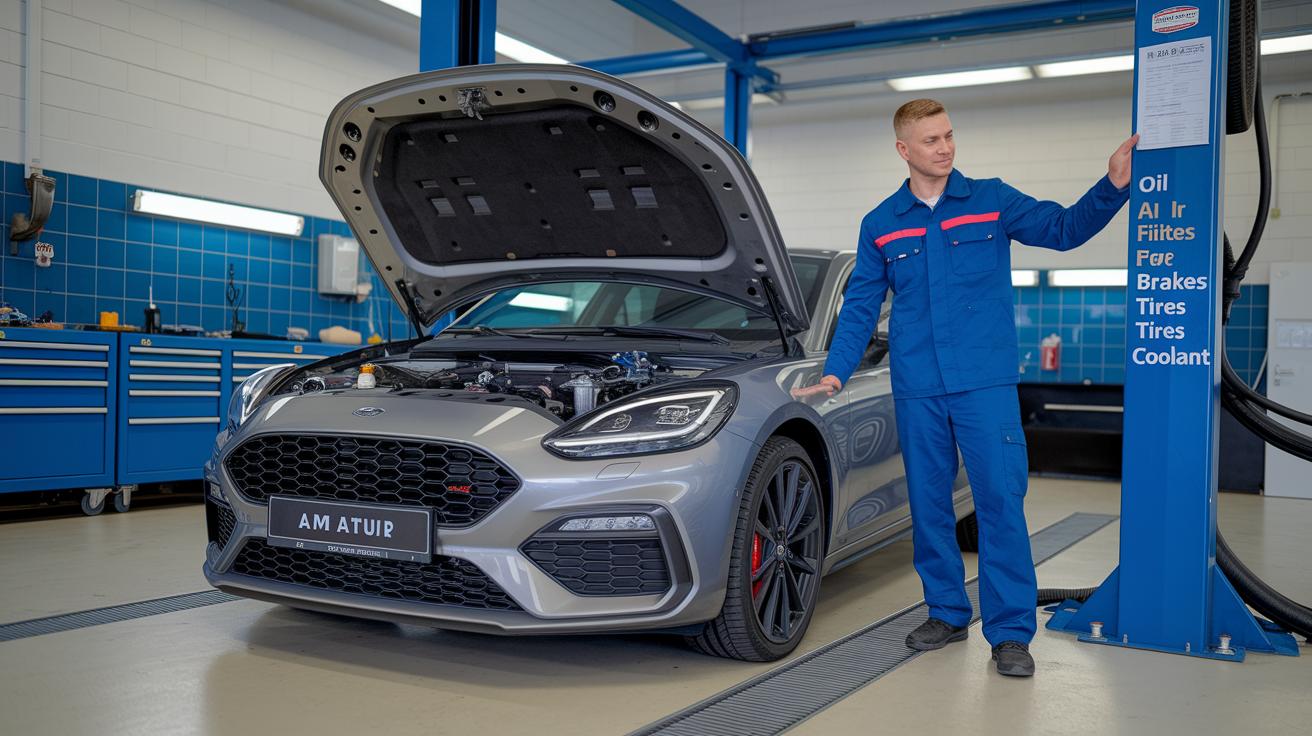
Keeping a regular care schedule for your car is like giving it a health check-up. It helps keep your ride running smoothly without nasty surprises. Car makers suggest these intervals to avoid those unexpected, costly fixes. For example, change your oil and filter every 5,000–7,500 miles or about every 6 months. Tire rotations are recommended every 6,000–8,000 miles. A brake check-up around 10,000–12,000 miles, or once a year, makes sure you can stop safely. Changing the engine air filter every 15,000–30,000 miles keeps the engine breathing easy, while transmission service at 30,000–60,000 miles and a coolant flush every 30,000 miles or 2 years wrap up the key maintenance steps.
| Component | Mileage Interval | Time Interval |
|---|---|---|
| Oil & filter | 5,000–7,500 miles | 6 months |
| Tire rotation | 6,000–8,000 miles | – |
| Brake inspection | 10,000–12,000 miles | Annually |
| Air filter | 15,000–30,000 miles | – |
| Transmission service | 30,000–60,000 miles | – |
| Coolant flush | 30,000 miles | 2 years |
Keep in mind that these numbers are just a good starting point. If you use your car a lot or drive in extreme conditions, you might need to adjust the schedule. Tuning your maintenance routine to fit your driving habits can help keep your car safe and running efficiently.
DIY Preventative Car Maintenance Tips and Tools
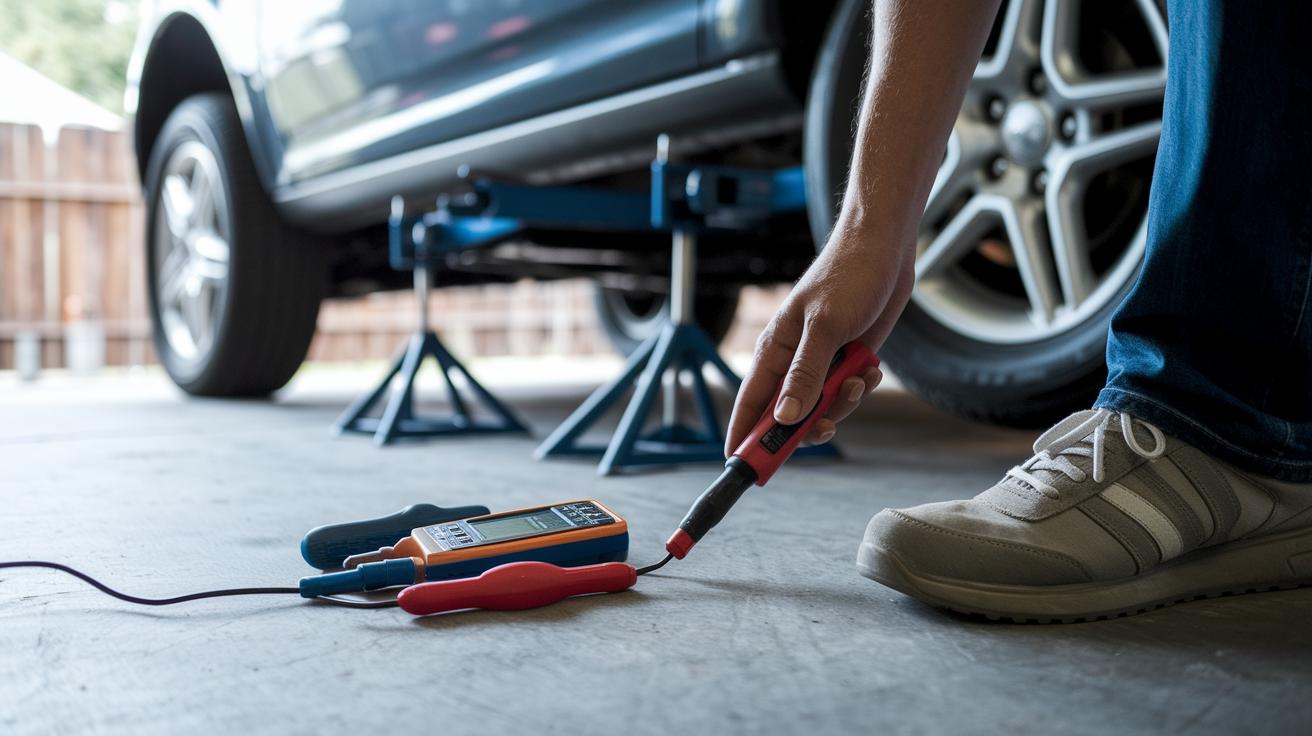
Keeping up with your car at home is a smart way to save money and really get to know how your ride is running. When you check things like tire pressure every month with a simple gauge, you can catch slow leaks before they turn into big problems. Taking a quick look at your engine oil, coolant, brake, transmission, and power steering fluids between regular services helps your car stay on track. And don’t forget to inspect belts and hoses for any cracks or bulges, that little extra step can keep you off the road when you least expect it. Even small tasks like replacing your engine air filter every 15,000 miles and testing your battery voltage (aim for around 12.6V with the engine off) play a big part in keeping your car reliable.
Essential Tools for DIY Preventative Maintenance
- Tire pressure gauge – This tool helps you keep your tires at the right pressure for safe driving.
- Socket set – Makes it a lot simpler to tighten or loosen bolts on different parts of your car.
- Oil filter wrench – Helpful for removing oil filters that might be stuck during an oil change.
- Multimeter – Lets you check your battery’s voltage and other electrical readings to spot issues early.
- Fluid funnels – Prevent spills when you’re refilling important fluids like coolant and oil.
- Jack and stands – These tools let you lift your car safely so you can inspect the underside.
- Work gloves – They protect your hands and give you a better grip while you work on your car.
Safety is key, so always work on a flat, level surface and set your parking brake before lifting your car. Wear protective gear, follow your car’s instructions, and don’t hesitate to call a professional if you’re unsure about a step. Taking care of these little details not only makes your ride safer but also builds your confidence as a car owner.
Cost-Saving Strategies for Effective Preventative Car Maintenance

Taking care of your car with regular check-ups and fixing small issues right away can save you a lot of cash in the long run. When you keep up with basic tasks like oil changes and swapping out filters, you catch problems before they turn into big, expensive repairs. It’s like keeping an eye on your car’s health so you don’t end up with a surprise breakdown that costs a fortune.
Trying out do-it-yourself fixes can be a smart way to save, too. For instance, a DIY oil change kit usually costs between $25 and $50, compared to $60 to $100 if you leave it to a shop. Doing simple jobs at home not only cuts down on those extra service fees but also gives you a little boost of confidence when you’re handling basic maintenance.
Plus, memberships and bundled service deals can shave off even more costs. Programs like AAA or NAPA often offer discounts on parts and labor, sometimes around 10 to 15% off. And if you bundle services like an oil change, filter swap, and tire rotation, you might lower your total bill by nearly 20% compared to doing each one separately. Even spending a little extra for full synthetic oil, say an extra $10 to $15 per change, might be a smart move that helps your car last longer.
Managing Your Preventative Car Maintenance Records

Keeping a detailed record of your car’s care isn’t just about being organized, it’s a smart way to protect your ride. By noting down service dates, mileage, and repairs, you can spot skipped appointments or repeat issues before they become big problems. This simple habit can even back you up when dealing with warranty claims and might boost your car’s value if you ever decide to sell.
Setting up your tracking tools can be quick and easy. Many drivers rely on reminder apps that ping you when it’s time for an oil change, brake check, or inspection. You might also use a mileage tracker on your smartphone or work with a color-coded spreadsheet to plan your service dates. Whether you opt for a printable calendar PDF or an app like myCARFAX, these tools help you prepare for routine checkups so nothing slips through the cracks.
Don’t forget to record every service with the date and your car’s current mileage. Jot down each oil change, tire rotation, and battery check as it happens. That way, you build a reliable log that not only guides your future maintenance but also strengthens your case if you decide to sell your car.
In the long run, a well-kept maintenance log saves you time, helps avoid surprise repair bills, and builds a trustworthy service history you can rely on every time you hit the road.
Final Words
In the action from key steps to scheduled routines, this guide explains how daily auto care can keep your ride running smoothly. We chatted about basic checkups, DIY fixes, and ways to trim costs while ensuring safety and fuel efficiency. A clear record of services not only helps you track progress but also boosts your vehicle’s lifespan. Regular preventative car maintenance makes a difference, giving you the confidence to enjoy your drive every day.
FAQ
How is preventative car maintenance discussed on Reddit?
The discussion about preventative car maintenance on Reddit centers on real-life tips, cost-saving strategies, and checklist ideas shared by fellow car enthusiasts, making it a practical community resource.
What is the preventative car maintenance cost?
The preventative car maintenance cost covers routine services like oil changes and tire rotations. Spending a little upfront helps prevent larger expenses later by reducing the risk of major repairs.
What does a preventative car maintenance checklist include?
A preventative car maintenance checklist includes tasks such as oil and filter changes, tire rotations, brake inspections, and fluid checks to keep your car running smoothly and avoid unexpected breakdowns.
What is a car maintenance checklist?
A car maintenance checklist is a list of essential service tasks—like fluid top-offs, belt inspections, and battery checks—that ensures every part of your vehicle gets proper attention to maintain reliability.
What is considered the best preventative car maintenance?
The best preventative car maintenance involves following recommended service intervals for key tasks. Regular oil changes, tire rotations, and brake inspections help reduce breakdown risks and extend your vehicle’s lifespan.
What is a car maintenance checklist PDF?
A car maintenance checklist PDF is a downloadable document that organizes service tasks and intervals into an easy-to-follow guide, helping you keep track of your vehicle upkeep efficiently.
What defines a car maintenance schedule?
A car maintenance schedule outlines mileage and time intervals for services like oil changes and tire rotations. This schedule helps you plan routine care to maintain performance and minimize expensive repairs.
What is a car maintenance checklist template?
A car maintenance checklist template is a customizable layout listing routine tasks such as filter replacements and battery tests. It’s designed to help you systematically track and manage your vehicle’s care.
What is the 30-60-90 rule for cars?
The 30-60-90 rule for cars points to a guideline that suggests checking and adjusting certain maintenance tasks at 30, 60, and 90-day intervals or mileage milestones, though advice varies by vehicle.
Is preventative car maintenance worth it?
Preventative car maintenance is worth it because regular upkeep minimizes breakdown risks, improves safety, and often reduces long-term repair expenses by addressing small issues before they become serious.
What qualifies as preventative maintenance?
Preventative maintenance qualifies as routine, scheduled services like oil changes, tire rotations, and fluid checks performed to catch potential issues early, helping you avoid high repair bills later on.
What are the 7 elements of preventive maintenance?
The 7 elements of preventive maintenance typically include inspections, cleaning, lubrication, adjustments, part replacements, system tests, and performance monitoring—each helping keep your vehicle in prime condition.