Tech
Future Tech Car: Bold Next-gen Innovations
By thomascrown
September 11, 2025
Field Notes
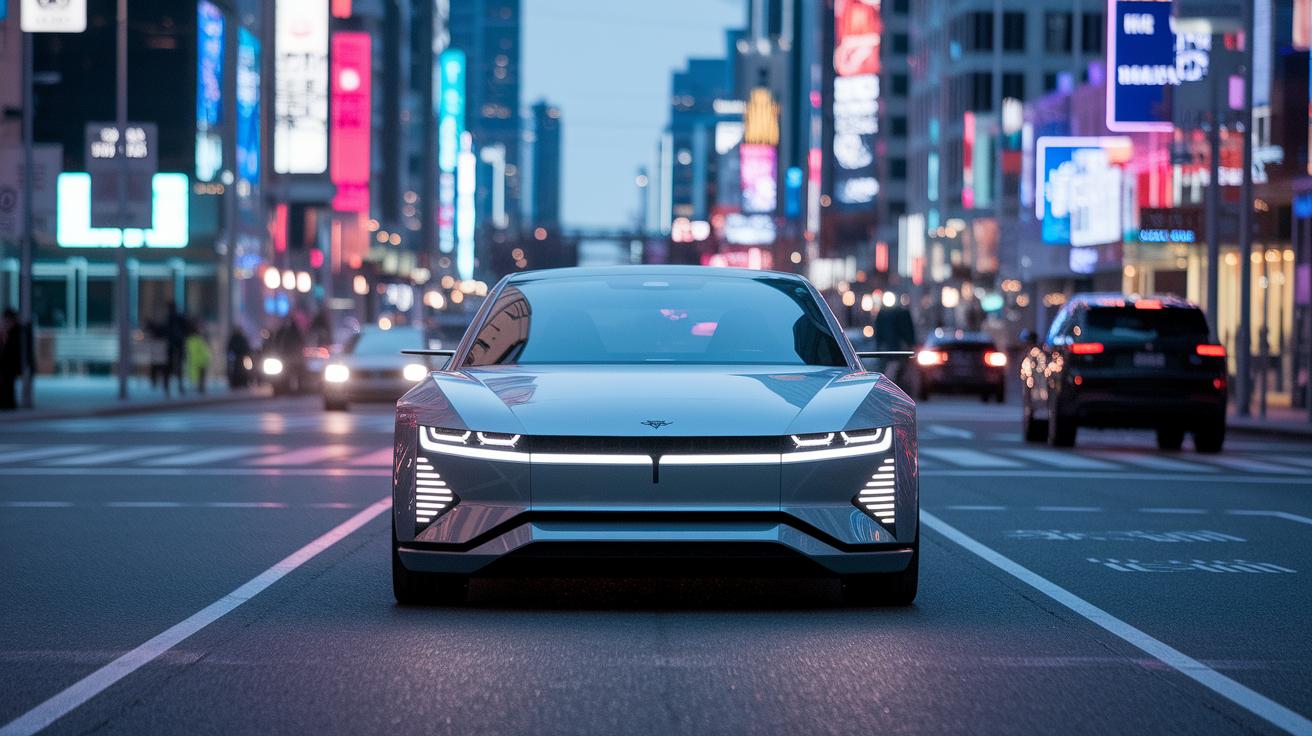
Ever thought about what it’s like to drive a car designed for the future? Imagine a ride with smart systems that not only keep you safer but also make every trip more exciting. Today’s cars mix cool self-driving features, smart wireless charging, and automation that feels almost like a friendly co-pilot. These exciting upgrades are completely changing how we see our everyday drives, turning them into journeys that feel a bit magical. Let’s dive in and see how this new wave of vehicles is set to transform our roads and the way we drive.
Future Tech Car Innovations: A Comprehensive Overview of Emerging Automotive Technologies
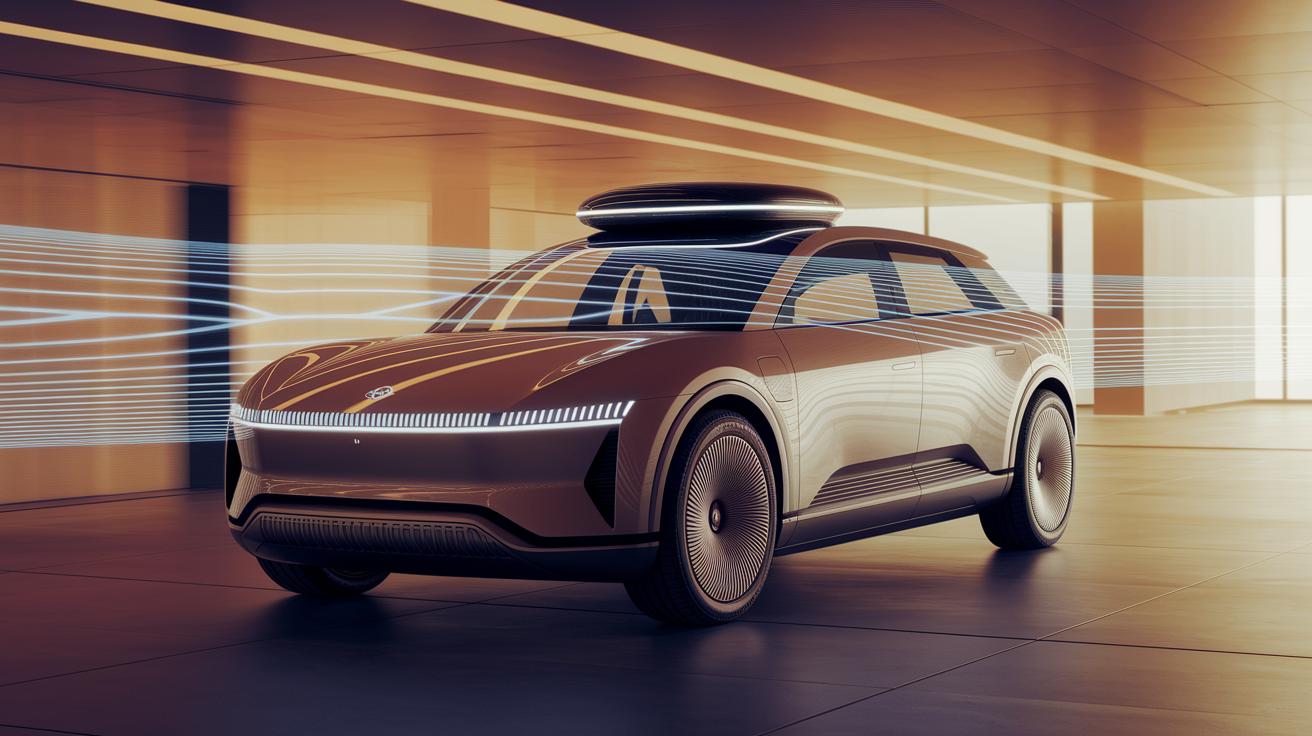
Modern car tech is totally transforming how we drive. New systems blend power, safety, and connectivity into one exciting package. For example, Porsche’s wireless EV charger even checks if any pet is around before juicing up a Cayenne (04 Sep 2025). And manufacturers are showing off impressive connected-car ideas at concept events that truly push the boundaries of vehicle design.
Big leaps in performance and self-driving features are stealing the spotlight these days. BMW is planning a hydrogen-powered car for 2028, while Mercedes’ new solid-state battery gives the EQS a remarkable 621-mile range. Nissan is set to roll out a self-driving system in 2027 that aims for a more natural, human-like automation. Plus, Ford’s patent for a fake manual gearbox in EVs and Donut Lab’s in-wheel motor with 845 bhp are clear signs that groundbreaking car technology is here to stay.
Safety and connectivity are also getting a major upgrade. Projects like Xpeng and Huawei’s 87-inch head-up display promise to make your drive immersive and easy to use. Hyundai’s new windshield ice-melt tech works three times faster than current systems, keeping you safe under tricky conditions. And, early prototypes of talking, connected cars, shown at the 2025 CES, hint at a future where your car can actively communicate with its surroundings.
Autonomous Driving Breakthroughs in Future Tech Cars
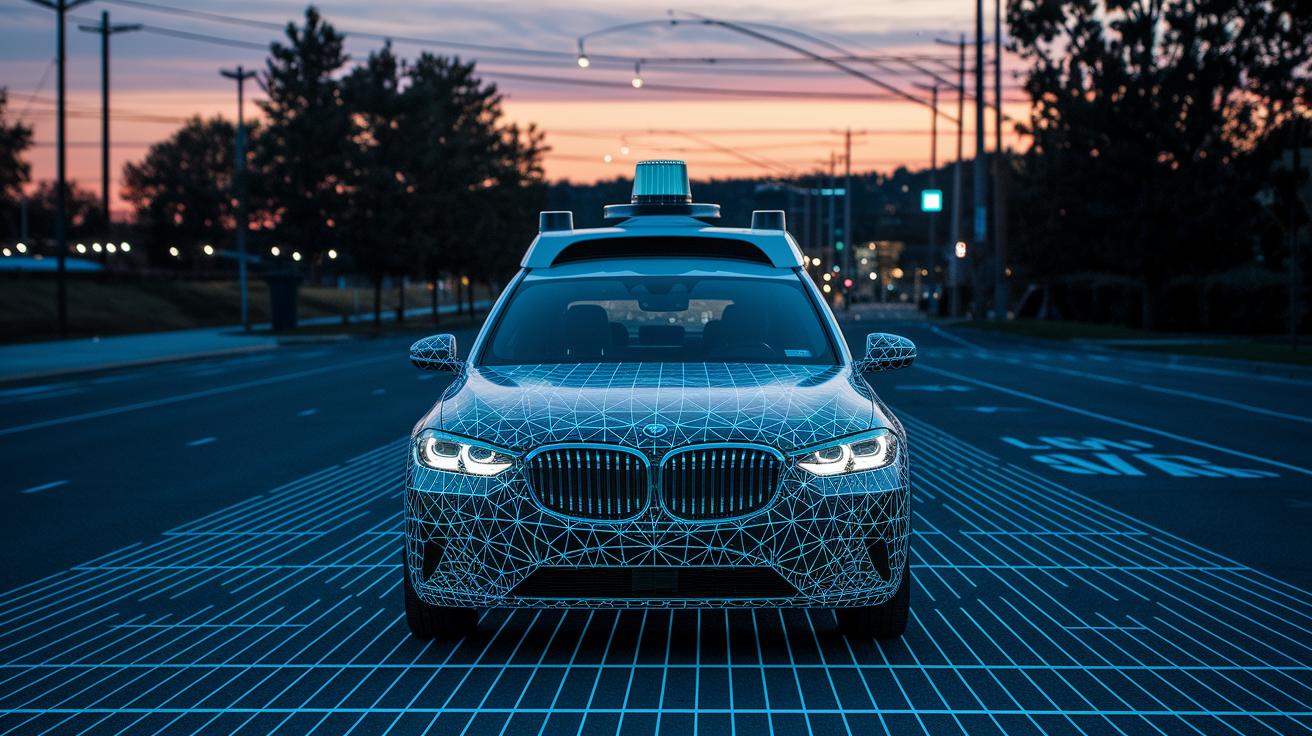
Self-driving tech is taking a huge leap forward as car makers work hard to make systems that feel almost as natural as having a friend behind the wheel. Nissan is set to roll out a new self-driving system in 2027 that behaves a lot like a human driver. It uses cool tools like LiDAR, which is a light-based sensor that helps the car "see" its surroundings, and smart machine learning. These features let the car act fast and make important decisions on the road. All this builds on years of testing and research in artificial intelligence, pushing us toward safer and smarter rides.
Driverless navigation is also changing how cars chat with each other. Thanks to upgraded V2X communication, vehicles can now share handy details like their speed, where they are, and the condition of the roads. By using proactive maps and blending sensor data, these cars can even predict traffic snags or potential accidents before they happen. In simple terms, these advances mean smoother, safer trips for everyone.
| Key Features |
|---|
| Human-like decision-making |
| V2X communication |
| Predictive mapping |
| Sensor fusion |
| Adaptive cruise innovations |
All these smart features point to a future where our cars are not just vehicles but clever, connected partners on the road, making every trip feel a little more like a ride into tomorrow.
Electric Propulsion Breakthroughs for Future Tech Cars
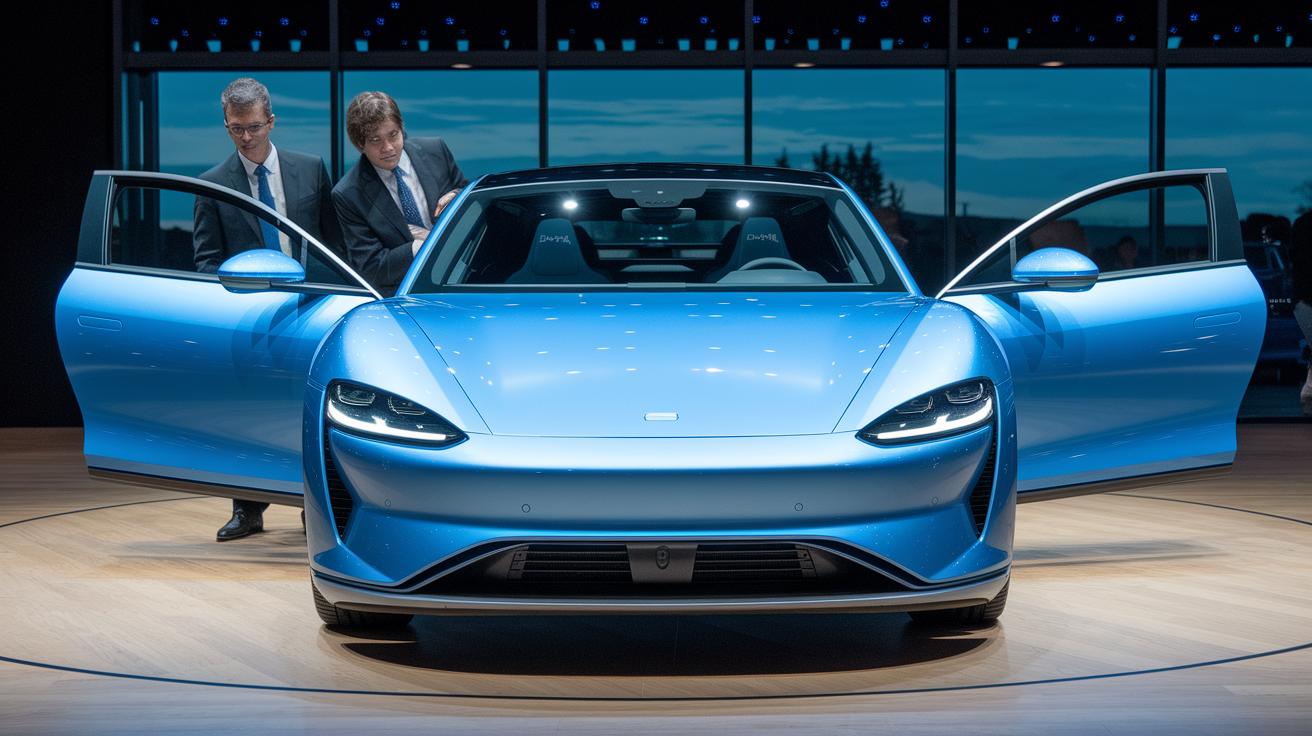
Electric propulsion is getting a serious upgrade. Thanks to better battery microstructures and smart thermal controls, charging is super fast and batteries last longer. New changes in solid-state battery design let cars go up to 621 miles while keeping things cool and reliable. Plus, weight-cutting techniques are making rides smoother and boosting real-world performance. Imagine a battery that stays cool even on the hottest day!
New motor designs and wireless charging are taking EVs to a whole new level. In-wheel motors now deliver an impressive 845 bhp with pinpoint precision, giving you instant torque and better grip on the road. And modern wireless charging isn’t just cool, it comes with pet-detection safety and smart energy flow monitoring that catches glitches early. Think of it as a system that adjusts its charge rate on the fly to save energy and avoid mishaps.
| Technology | Specification | Benefit |
|---|---|---|
| Solid-state battery | 621-mile range | Extended travel |
| In-wheel motor | 845 bhp | Instant torque |
| Wireless charging | Pet-detection safety | Hands-free top-ups |
All these improvements mean quicker acceleration, smarter energy use even in extreme conditions, and an overall better drive. It's like giving your EV a burst of extra pep and smarts every time you hit the road!
Hydrogen and Sustainable Propulsion in Future Tech Cars
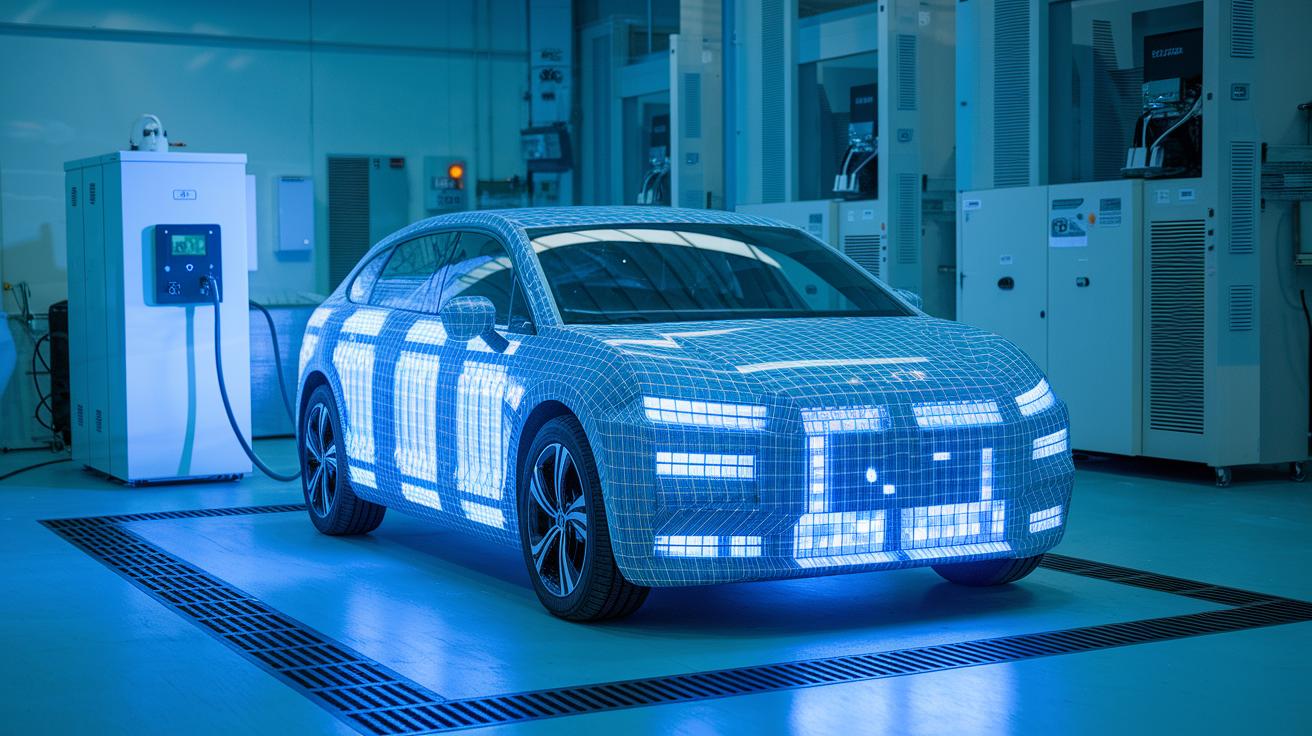
Fuel cells take hydrogen and turn it into electricity, and the only thing they spit out is water. Imagine it like a magic trick where a simple gas gets transformed into smooth, quiet power that lets your car run efficiently without always relying on batteries. It’s a clean, renewable way to propel vehicles and cut down on harmful emissions.
BMW is all set to make a big splash with its new hydrogen production car, coming in 2028. This isn’t just a concept, it’s built on next-generation fuel-cell stacks that are still being perfected in labs. Think of it as a real-world test of hydrogen’s potential in everyday rides, with specs designed for long-lasting durability and sustainability. It’s exciting to see such strides in cleaner propulsion systems!
Hydrogen-powered cars come with some neat perks like super quick refueling and a gentler impact on the environment. Sure, there are a few bumps in the road, like fewer refueling stations and a higher cost compared to traditional fuels. But engineers and industry experts are working hard to boost fuel-cell reliability and expand the infrastructure. In other words, everyone’s on the same team trying to make renewable energy cars a common sight on our roads.
Digital Cockpit Solutions and Connectivity in Future Tech Cars
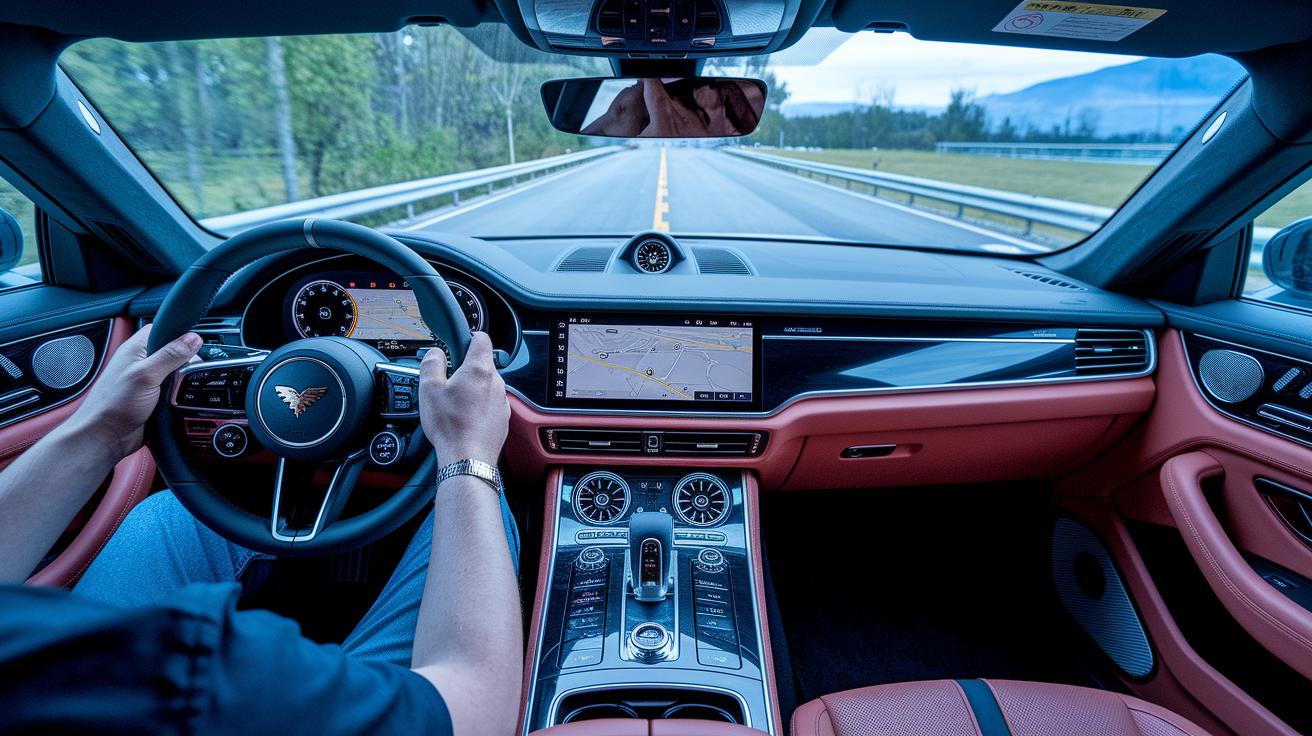
Today’s cars are not what they used to be. Your dashboard isn’t just a bunch of dials and gauges, it’s an eye-catching, high-tech display that keeps you updated while you’re on the go. Companies like Xpeng and Huawei are already testing an 87-inch head-up display prototype that puts the really important info right in your line of sight. And with cool features like augmented reality navigation and over-the-air updates, your maps, entertainment, and system details are always up-to-date.
These smart dashboards work thanks to real-time links between your car and the cloud. In simple terms, your car can get instant updates that help it find the best route, manage your energy use, and even offer driving tips just for you. It’s like turning your daily commute into an interactive and fun high-tech command center.
- AR navigation
- Voice-command integration
- OTA updates
- Personalized UIs
- Contextual awareness controls
Connectivity here isn’t just about adding extra features, it transforms your driving experience. By syncing up with your smart devices and local traffic systems, your car creates a personalized, safe, and entertaining environment every time you drive.
Sensor-Enhanced Safety Systems in Future Tech Cars

New sensors and smart computer programs are totally changing how we stay safe on the road. They mix info from radar, lidar, and cameras into one clear picture of what’s happening around you. Imagine your car sensing a distracted driver and getting ready to step in, that’s AI and advanced sensors working together.
Safety in cars is getting faster too. AI-powered cameras can spot when driving isn’t safe, while radar and lidar give a complete 360° view of your surroundings. All these tools work hand in hand with smart software that checks thousands of details every second to help reduce accidents.
- AI road cameras watching your every move
- A full 360° lidar view around the car
- Alerts that predict collisions before they happen
- Adaptive headlights that adjust to conditions
- Emergency assists that jump in when needed
Car makers and government groups are now setting rules and testing these cool systems on everyday roads. Soon, with better sensor tech and tighter safety rules, these advanced features will be a common part of every new tech car.
Charging Infrastructure and Energy Management for Future Tech Cars
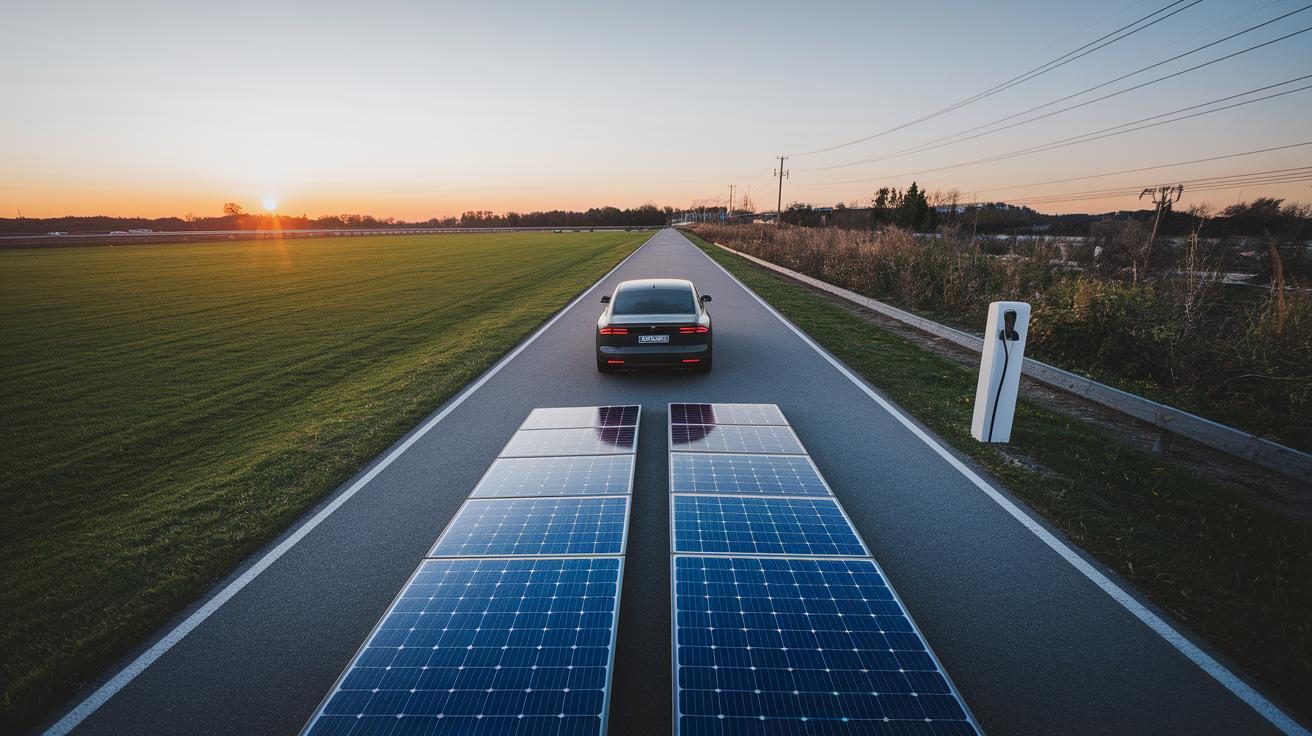
Wireless power transfer and solar-assisted charging are changing the game for tomorrow’s tech cars. Ever wonder how a car could charge without plugging in? Porsche showed off a pet-friendly wireless charger back in 2025, just to prove that charging can be simple and smart.
On roads soon, you might see dynamic wireless charging prototypes and public chargers powered by solar panels. These innovations are all about making the refueling process as hassle-free as possible while cutting down on the old plug-in method. It’s like swapping a clunky toolbox for a sleek, modern gadget that just works.
Meanwhile, smart grids are giving a fresh spin to public charging setups by adjusting energy use on the fly. New charging stations are designed to work with local power networks, ensuring that even at busy times, your car gets a steady power supply. And with over-the-air software updates, these systems can continually fine-tune performance to keep everything running smoothly, almost like the car's own pit crew checking and tweaking things in real time.
Final Words
In the action, we explored how advancements in future tech car innovations are setting the stage for smarter, safer rides. We touched on breakthroughs in self-driving systems, electric and hydrogen propulsion, digital cockpits, and sensor-enhanced safety features.
We also saw how new charging infrastructure and streamlined energy management can make life easier for every driver. These developments spark optimism as they pave the way for more efficient, connected vehicles that promise a brighter driving experience ahead.
FAQ
What is a future tech car 2022?
The future tech car 2022 refers to vehicles showcasing breakthrough advancements in electric propulsion, digital connectivity, and autonomy with features like pet-aware wireless charging and enhanced onboard systems.
What is a future tech car 2021?
The future tech car 2021 highlights early experiments in integrating advanced digital cockpits and autonomous driving systems that set the stage for more refined future models.
What are the promises for future cars in 2025, 2026, and 2030?
The future cars in 2025, 2026, and 2030 promise to incorporate next-level electric motors, digital displays, and cutting-edge self-driving technology, delivering smarter, more connected mobility experiences.
What can be expected of cars of the future in 2050 and the year 3000?
The cars of the future in 2050 and 3000 will evolve beyond current norms, featuring sustainable propulsion, extreme digital integration, and AI-driven autonomous systems that redefine how we drive.
What is Faraday Future?
Faraday Future is an innovative company focused on groundbreaking electric vehicle designs and disruptive automotive technologies, aiming to create smarter, connected, and more efficient cars.
What is the next car technology?
The next car technology blends autonomous driving, electric propulsion, and digital cockpit features to improve safety, driver convenience, and overall vehicle performance in everyday use.
Is FFIE making cars?
The question about FFIE making cars points to their active involvement in developing and producing vehicles that leverage advanced tech and connectivity for a modern driving experience.
What are the future vehicle technologies?
Future vehicle technologies include autonomous systems, high-performance electric motors, integrated digital displays, sensor-enhanced safety features, and sustainable energy solutions to transform driving.
What car is considered futuristic?
A futuristic car is one that packs advanced self-driving capabilities, immersive digital interfaces, eco-friendly propulsion methods, and smart sensor technologies that work together for superior performance.
Which automotive brands are leading advanced car tech?
Leading brands like Toyota, Honda Motor Company, Tesla, Bayerische Motoren Werke AG, Ford Motor Company, and Chevrolet are driving innovation with cutting-edge tech in propulsion, connectivity, and autonomous systems.