Tech
Advanced Driver Assistance Systems: Powerful Safety Upgrade
By thomascrown
September 17, 2025
Field Notes
Ever thought your car might be smarter than human mistakes? Advanced driver assistance systems give you a little extra peace of mind on the road.
Imagine having a friendly co-pilot that’s always on alert, checking the road and giving you a heads-up before trouble hits. This smart tech uses sensors and quick responses, sort of like your car’s way of keeping tabs on things, to help lower the chance of accidents.
With this upgrade, each drive feels safer and more supported, especially on those busy days. Curious how this cool technology can turn your ride into a safer companion?
Exploring Advanced Driver Assistance Systems: Core Functions & Benefits
ADAS, which stands for advanced driver assistance systems, uses a blend of different sensors like RADAR, LiDAR, and SONAR. These sensors work together to help you avoid potential accidents on the road.
They’re built to cut down on human mistakes. When danger is close, ADAS might alert you with a sound or a gentle vibration, or sometimes even take control to slow or stop the car automatically. Imagine you're driving and a risky gap in traffic suddenly appears, these systems can give you that quick nudge to keep you safe.
Today’s vehicles rely on ADAS as an extra set of eyes. By mixing sensor data with smart processors (think Mobileye’s EyeQ™), the system gives you a clear picture of everything happening around you. It’s like having a trusty co-pilot who never misses a beat, always looking out for hazards you might overlook.
ADAS comes packed with a mix of helpful features. You get things like adaptive cruise control that adjusts your speed with the flow of traffic, forward collision warnings when objects ahead might be a threat, lane departure alerts that nudge you back into your lane, and blind-spot monitors that keep tabs on surrounding vehicles. Some features gently let you know with sounds or a light tap on the steering wheel, while others jump in to actively steer or brake the car if needed. All these smart tools team up to make driving not only smoother but a whole lot safer for everyone.
Advanced Driver Assistance Systems Components: Sensors, Processors & Software
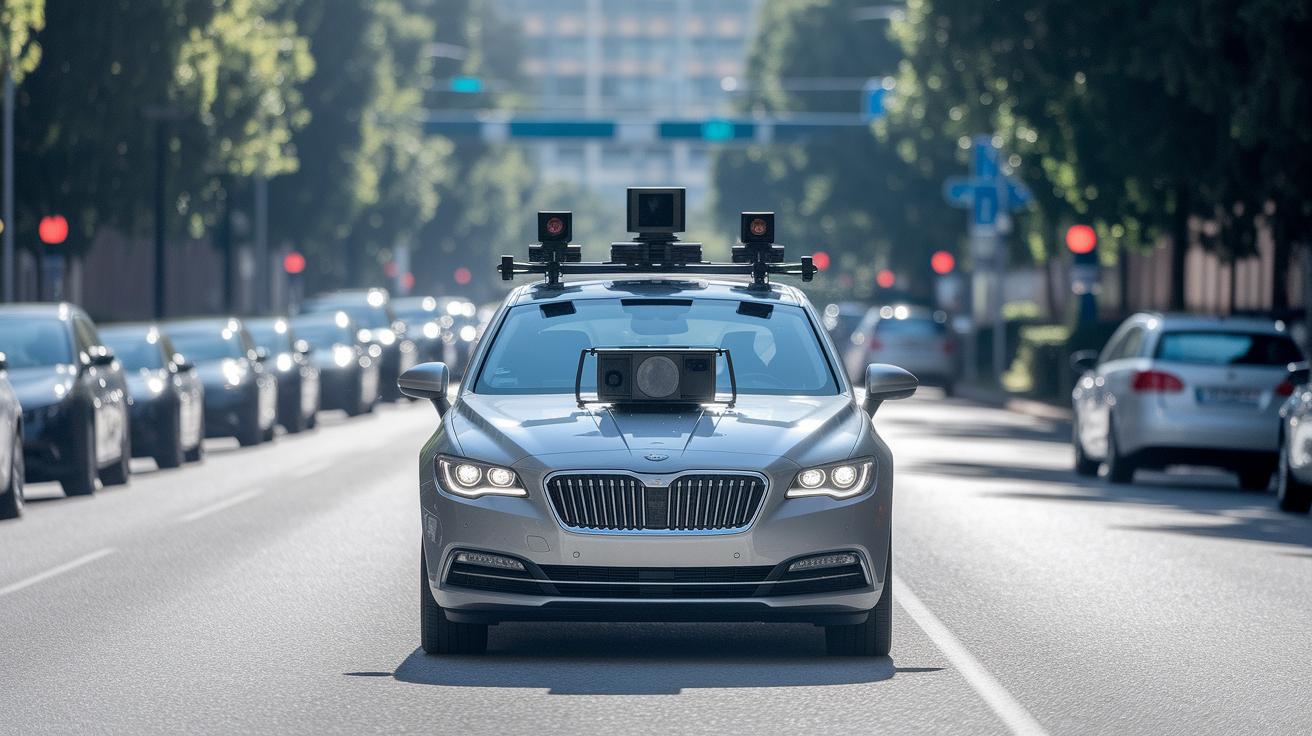
ADAS is a clever mix of hardware and software that helps keep you safe on the road. It collects info from many different sensors to paint a full picture of your surroundings. For example, RADAR uses radio waves to spot obstacles far ahead, while LiDAR sends out light pulses to map things in 3D. Cameras capture everyday images, and ultrasonic sensors detect nearby objects. All this data is sent to smart processors and control units that quickly sort it out, helping your car react in real time.
| Sensor Type | Function | Detection Range | Accuracy |
|---|---|---|---|
| RADAR | Uses radio waves to detect objects far away | Up to about 200 m | Great for tracking movement |
| LiDAR | Sends light pulses to create a detailed 3D map | Short to mid-range | Very precise |
| Camera | Takes visual snapshots to help understand the scene | Depends on conditions | Varies with lighting |
| Ultrasonic | Detects objects up close using sound waves | Within about 5 m | Reliable at close range |
Once all the sensor data is gathered, powerful processors like the Mobileye EyeQ jump into action to help your car make fast decisions. The electronic control units manage this info and share it with your car's display screens and navigation systems that use satellite data. This means you get real-time alerts and guidance on your journey. All these parts working together are what make today's ADAS so effective. For more on how the software and control units work together, check out car tech.
Advanced Driver Assistance Systems: Powerful Safety Upgrade

ADAS technology has come a long way. Nowadays, you’ll find systems that either give you a friendly heads up about a potential danger or even step in to help before you know it. In simple terms, some systems alert you to issues while others take action automatically, making your ride safer.
Passive ADAS
Passive ADAS is all about giving you a quick, clear signal when something’s off. Think of it like a friendly pat on the shoulder. When you’re drifting out of your lane, a warning light, sound, or even a slight nudge on the steering lets you know to check your path. Similarly, systems like blind-spot monitors and high-beam assist act as extra eyes, warning you of hidden dangers so you can safely react in time.
Active ADAS
Active ADAS steps things up a notch by actually stepping in without waiting for you to do anything. These systems are like your co-pilot when things get tricky. If sensors pick up an imminent collision, they can automatically hit the brakes, steer around obstacles, or adjust your speed. Consider adaptive cruise control: it handles stop-and-go traffic, easing off and then speeding up as needed, or forward collision mitigation that stops the car if a crash seems likely.
- lane-departure warning
- blind-spot monitor
- high-beam assist
- adaptive cruise control
- forward collision mitigation
- pedestrian detection
Evolution & Autonomy Levels in Advanced Driver Assistance Systems
The Society of Automotive Engineers has set up six levels of automation, starting at Level 0 (no automation at all) and going all the way to Level 5, where the car can basically drive itself. Most cars on the road today come with either Level 1 or Level 2 tech. These systems are like your friendly co-pilot, helping you keep a safe distance and nudging you if you start drifting out of your lane. As you move from Level 3 to Level 5, the car gradually takes on more driving tasks, which is pretty exciting if you think about it!
Right now, many drivers enjoy hands-free options with Level 2 systems. Ever heard of GM Super Cruise or Ford BlueCruise? They let you take your hands off the wheel when conditions are just right. But the excitement doesn’t stop there, a few smart cars are starting to use Level 3 technology. This means your car can make more decisions on its own, even handling stop-and-go traffic for short bursts, giving a glimpse of full self-driving without completely taking over your ride.
Thanks to breakthroughs like advanced multi-mode RADAR, high-resolution LiDAR, and AI-powered cameras, these systems are becoming much more reliable. In other words, today’s safety features are getting sharper, and they are paving the way for the fully autonomous vehicles of tomorrow.
Industry Applications & Case Studies of Advanced Driver Assistance Systems
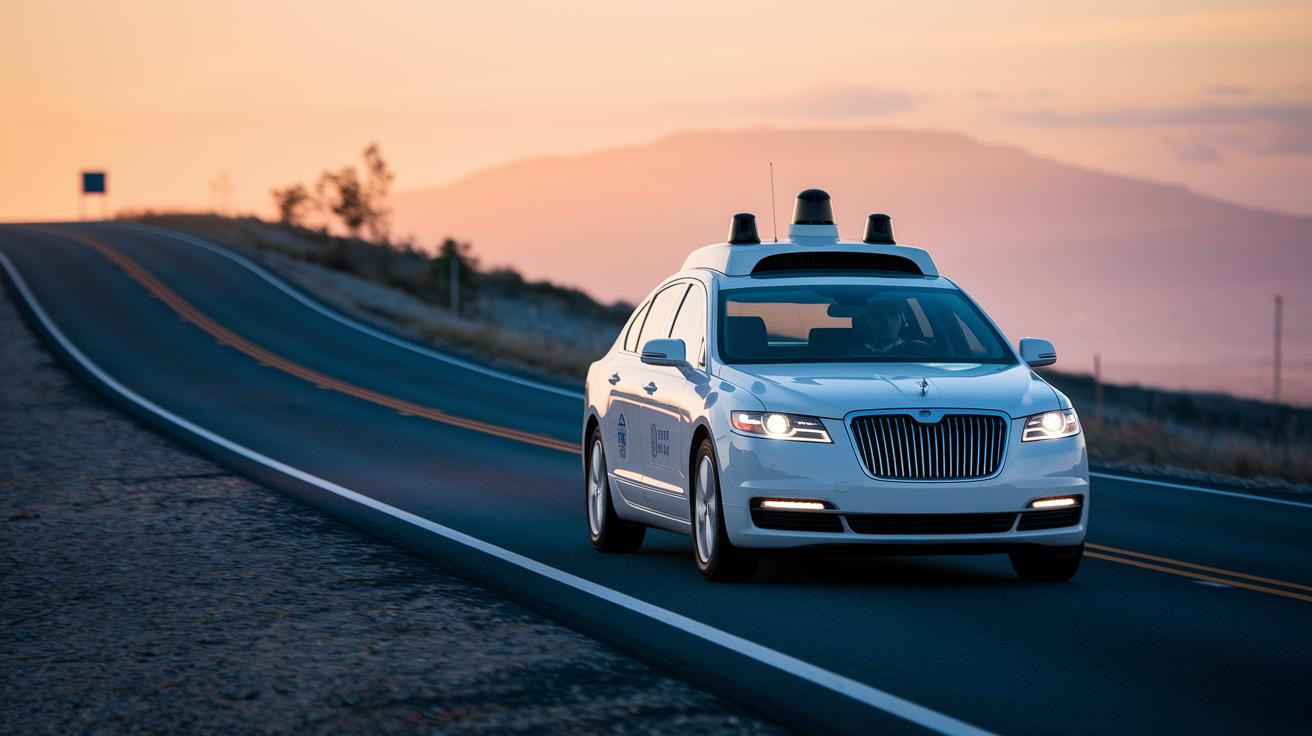
ADAS is shaking things up in the robo-taxi world. Companies like Waymo are now fitting their self-driving ride-hailing cars with safety features that work quietly in the background. Imagine hopping into a car that keeps a watchful eye on everything around it, tweaks its route on the fly, and even hits the brakes when danger looms, all thanks to a tight team of sensors and smart processors working in sync.
In commercial trucking, ADAS is making long hauls on busy highways a bit less stressful. Operators such as TuSimple and Plus AI are rolling out these systems to ease the workload on drivers and boost safety. Think about it: the transportation industry moves about 11 billion tons of freight each year and burns through around 70% of the U.S. petroleum supply. These numbers show how ADAS helps keep goods moving safely, cutting down risks and keeping operations smooth.
Mobileye EyeQ has earned its reputation as a reliable safety tool, now used by dozens of automakers worldwide. Yet, even with proven tech, challenges still pop up, like when a cyberattack on a JLR facility briefly slowed production. That incident was a real wake-up call, pushing manufacturers to ramp up cybersecurity while not missing a beat in advancing ADAS across the automotive scene.
Integration Challenges & Calibration in Advanced Driver Assistance Systems
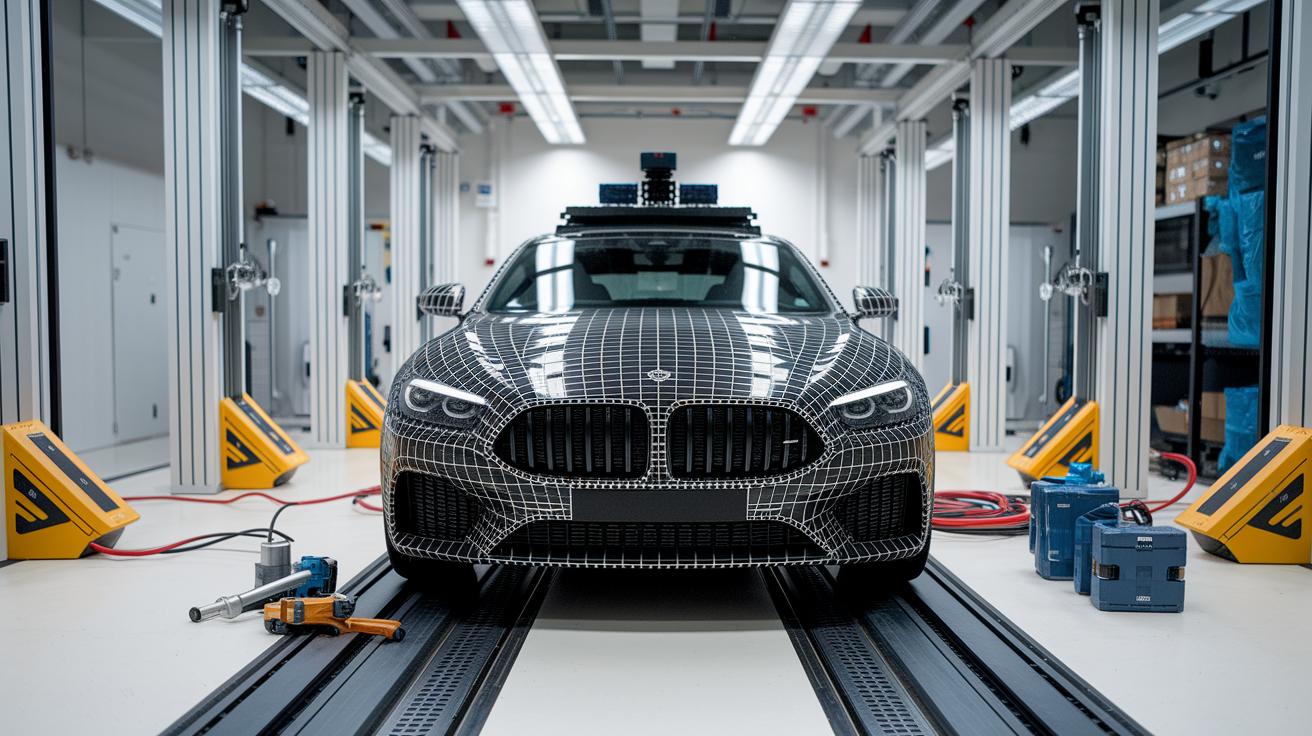
Getting LiDAR, RADAR, and camera systems perfectly aligned is a big deal for today's vehicles. If these sensors aren't lined up just right, your car might miss detecting obstacles, much like forgetting to adjust your mirrors before driving off.
New mobile calibration tools are here to help. With cool innovations like the Mobileye Driver Monitoring System launching on July 17, 2025, and the Imaging Radar set for May 28, 2025, fresh workflows are being created to fine-tune every detail. These handy tools make it quicker to check sensor alignment, ensuring everything works together smoothly.
Environmental factors also play a part. Temperature changes, constant road vibrations, and even the curve of your windshield can slowly throw off sensor placements. That's why regular check-ups are key to keeping your car's advanced safety features at their best.
Regulatory & Cybersecurity Considerations for Advanced Driver Assistance Systems

Big global rules set by groups like UNECE and NHTSA are steering how new cars are made. Car makers now need to add features like automatic emergency braking and lane-departure alerts to keep up with these shifting guidelines. This means companies are rethinking how they design their systems to keep drivers and pedestrians safe.
On June 15, 2023, Mobileye's CEO shared an update that got everyone talking about upcoming certifications. This news is paving the way for systems like the Driver Monitoring System™, which could get certified in 2025. In other words, we’re in a time where innovation and strict rules are coming together, changing how cars are built.
And then there’s the issue of cyber threats. Remember when JLR had to hit pause on production because of a cyberattack? That incident shows just how important it is to have tight cybersecurity in our advanced driver assistance systems. Car companies are now following tough ISO and SAE standards and using proven security strategies to protect against online risks.
Future Innovations & AI Trends in Advanced Driver Assistance Systems
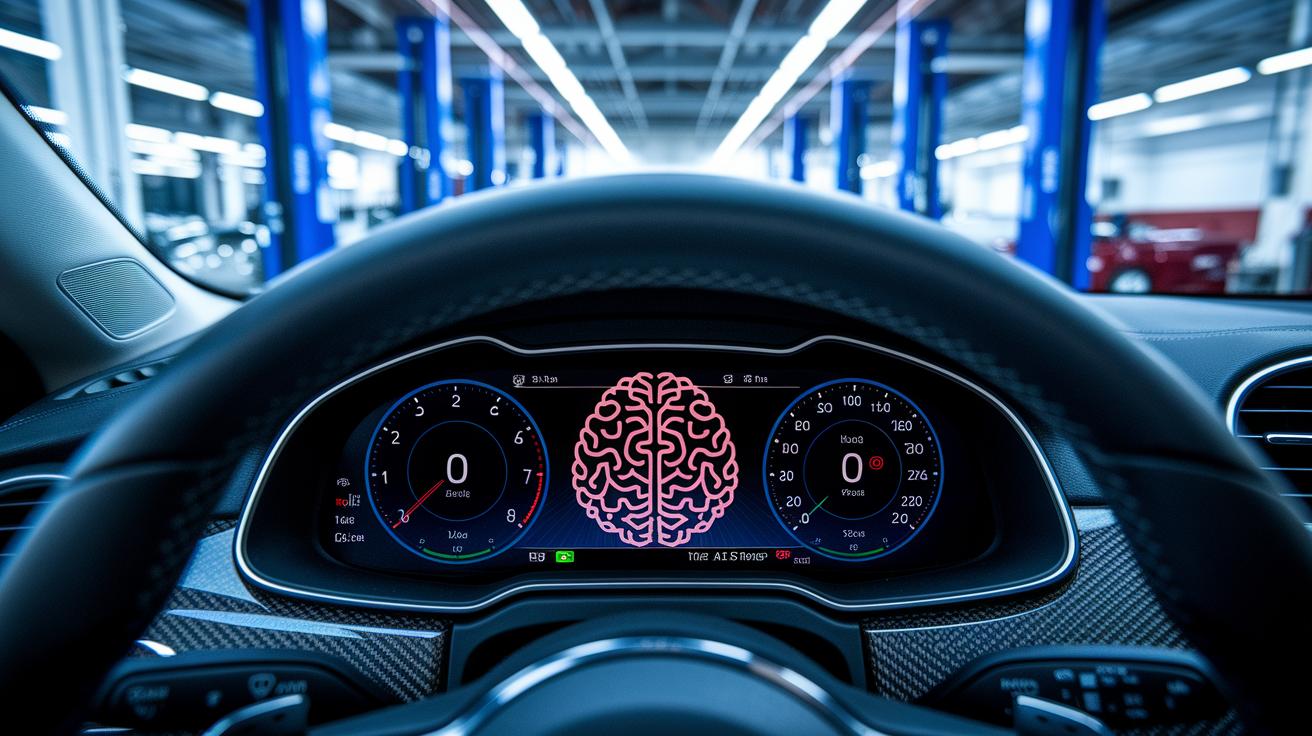
New AI methods are changing how we use sensor data. They use deep-learning models to spot patterns over time, helping systems catch potential hazards from tiny movements and actions. Imagine an AI that notices a slight pause in a car’s motion, just like a seasoned driver sensing trouble before it fully hits.
Over-the-air updates aren’t just simple fixes anymore. They’re evolving into full upgrades that bring in smart analytics to boost decision-making on the fly. Think of your car as a smart device that quietly downloads a brain upgrade while you go about your day, much like updating your phone for a smoother experience.
These advances point to big shifts in market trends and new safety rules. Car makers are exploring systems that predict when maintenance is needed, setting the stage for tighter standards and fresh business ideas. Picture getting an alert saying, "Your car noticed a little hiccup in its performance, time for a service check!" This shows just how much AI can transform how we care for our vehicles.
Final Words
In the action, we covered how advanced driver assistance systems sharpen road safety with smart sensors and quick alerts. We broke down sensor types, explained active versus passive roles, and even looked at regulatory guidelines and AI-driven updates. Each part of the article painted a picture of how these systems help drivers act fast and anticipate challenges. The insights shared here aim to boost your confidence and expand your auto know-how. Advanced driver assistance systems keep evolving, let's keep our wheels turning toward safer roads.
FAQ
Q: What does the ADAS system mean and how does it work?
A: The ADAS system means advanced driver assistance system. It works by using sensors like radar, LiDAR, and cameras to detect hazards, alert drivers, and sometimes even take control to avoid accidents.
Q: What is the ADAS full form?
A: The ADAS full form stands for Advanced Driver Assistance Systems. It refers to a collection of technologies designed to support drivers through monitoring, alerts, or direct vehicle control.
Q: What are common ADAS features?
A: Common ADAS features include adaptive cruise control, lane-departure warnings, blind-spot monitoring, forward collision alerts, high-beam assist, and pedestrian detection—all aimed at improving road safety.
Q: What are the typical components of an advanced driver assistance system?
A: ADAS components include sensors such as radar, LiDAR, ultrasonic, and cameras. They also incorporate processors, like those offered by Mobileye EyeQ, plus displays that provide real-time alerts to the driver.
Q: How does calibration work in advanced driver assistance systems?
A: Calibration in ADAS means aligning sensors like LiDAR, radar, and cameras to work together properly. This process uses mobile calibration tools to keep sensor readings accurate despite environmental changes.
Q: Which ADAS is best for aftermarket use?
A: The best aftermarket ADAS system offers proven sensor integration and strong support. Look for systems known for reliability and positive reviews to confidently add advanced safety features to your vehicle.
Q: Does ADAS interact with the windshield?
A: Some ADAS designs use sensors or cameras placed near or integrated into the windshield. This helps the system capture clear road images and monitor driving conditions effectively.
Q: How many levels of vehicle automation are there with ADAS?
A: SAE has defined six levels of vehicle automation. Even though some refer to five key stages, these levels range from basic driver aids to fully autonomous driving, highlighting the progress in ADAS technology.
Q: Which advanced driver assistance system is most likely to help you?
A: The ADAS feature that most helps you depends on your driving style. Adaptive cruise control and forward collision mitigation are popular options that offer immediate benefits in reducing accidental risks.
Q: Where can I find an ADAS system PDF?
A: ADAS system PDFs are found in technical documentation or manufacturer websites. They offer detailed information about sensor specs, calibration procedures, and integration methods for a comprehensive overview.