
Ever thought about your car talking to others to steer clear of traffic jams? Advanced mobility is changing the way we travel by mixing things like self-driving tech (that’s tech that lets your car drive itself), electric power, and smart systems that can think on their feet. Imagine a world where cars, roads, and little gadgets all work as a team to give you safer, cleaner routes every time you drive.
In other words, these cool ideas don’t just cut down on traffic, they promise a smoother, greener ride for everyone. Ready to dive in and see how your next trip might feel more like a breeze than a bumper-to-bumper slog?
Advanced Mobility: Overview of Innovative Transport Solutions
Advanced mobility is changing the way we travel. It blends self-driving tech, electric power, and smart travel systems to make trips safer and smoother. Ever imagine a city where every vehicle chats with its neighbors to choose the best route and save energy? That’s the kind of future we're talking about.
Cities today need smart ideas to cut traffic jams and lower pollution. With travel networks that adjust to busy roads and the needs of every driver, moving around becomes easier for everyone. When electric cars and self-driving features team up, our roads turn cleaner and trips more reliable.
At its core, this innovation relies on self-driving tools, electric engines, connected gadgets, and several ways to travel. Simple devices like cameras, LiDAR sensors (that help cars “see”), and smart computer programs work hand-in-hand to react in real time. This mix creates a lively ecosystem where vehicles, roads, and control systems all work together to keep our journeys both safe and efficient.
Advanced Mobility with Autonomous and Electric Vehicle Technologies
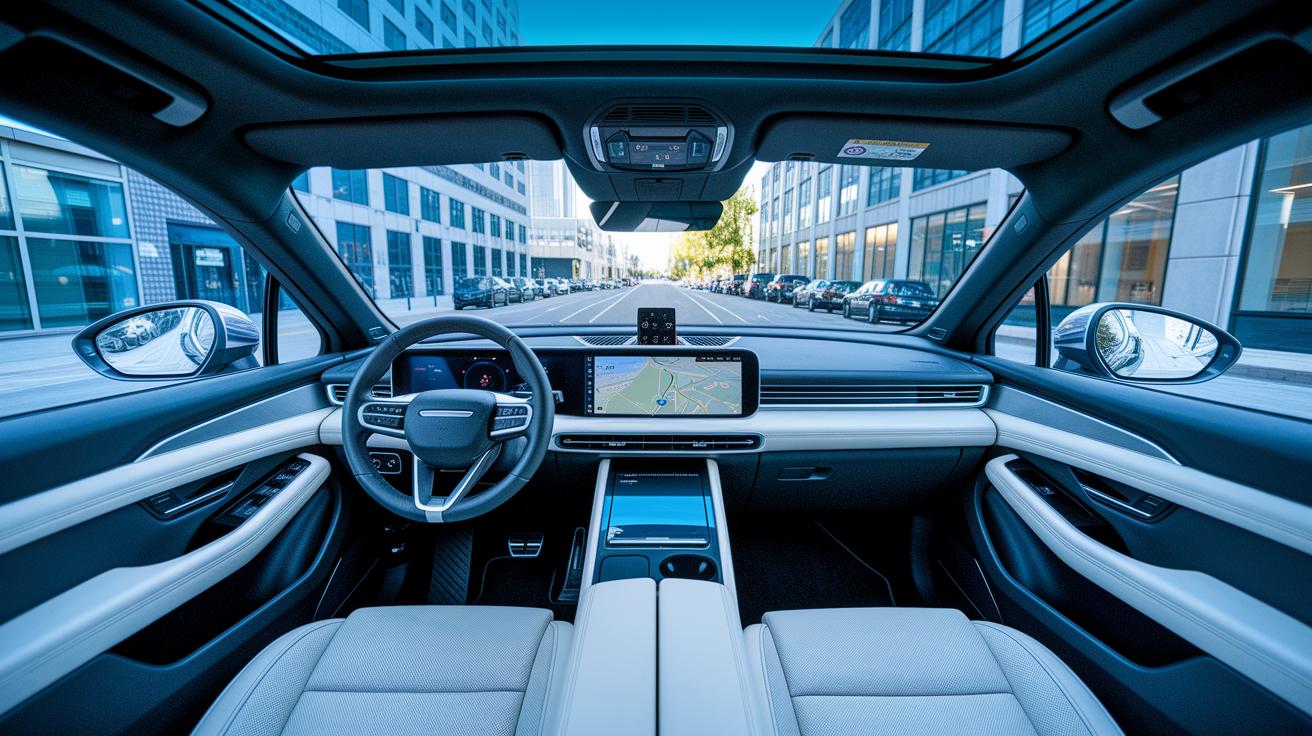
Self-driving features and electric engines are the driving force behind smarter, greener transport today. They work together like a well-oiled team, turning cars into eco-friendly and clever machines that understand their environment in real time. Thanks to a mix of accurate sensors and electric power, modern vehicles are evolving into connected, energy-saving rides that offer safer roads and smoother journeys.
Key technologies that make this happen include:
- Video imaging systems
- LiDAR scanning units
- Edge computing nodes
- AI-based decision algorithms
Each piece is key. Video imaging systems act like extra eyes, picking up details about what’s around the car. LiDAR uses light to measure distances, which helps the car spot obstacles easily. Edge computing nodes manage data right on board, so there’s no waiting around for decisions. And smart AI algorithms bring all this info together to guide the vehicle safely.
Linking sensors and data connectivity means that every moment on the road is captured with great detail. But it’s not without its challenges. Merging self-driving features with reliable electric powertrains means fixing issues like making sure different parts work well together and that the smart system reacts consistently on all kinds of roads. It takes thoughtful design and ongoing checks to keep everything running safely and efficiently.
Infrastructure for Advanced Mobility Networks

Cloud-based Software-as-a-Service forms the foundation of today’s mobility networks. It’s a secure, real-time system that streams travel data and smart insights straight from the web. Imagine having a mini, high-tech control center in your pocket that keeps an eye on city roads all day long, helping to cut down delays and smooth out your journey.
The design uses a smart, modular approach that makes it flexible and able to grow with advanced mobility needs. Four handy modules work together to cover everything from planning and road safety to daily operations and detailed infrastructure mapping. This setup not only boosts safety but also arms teams with the tools they need to manage assets and spot upcoming challenges. It’s like having a dashboard that shows what’s happening on the roads right now, letting you quickly jump into action when needed.
| Module | Function |
|---|---|
| SMART Platform | A central hub for transportation planning and analysis |
| SMART Safety | Keeps an eye on road safety and fires off real-time alerts |
| SMART Operations | Handles the day-to-day running of networks and asset management |
| SMART Survey | Gathers data and models infrastructure for better decision-making |
Advanced Mobility in Smart Cities: Case Studies and Pilot Programs
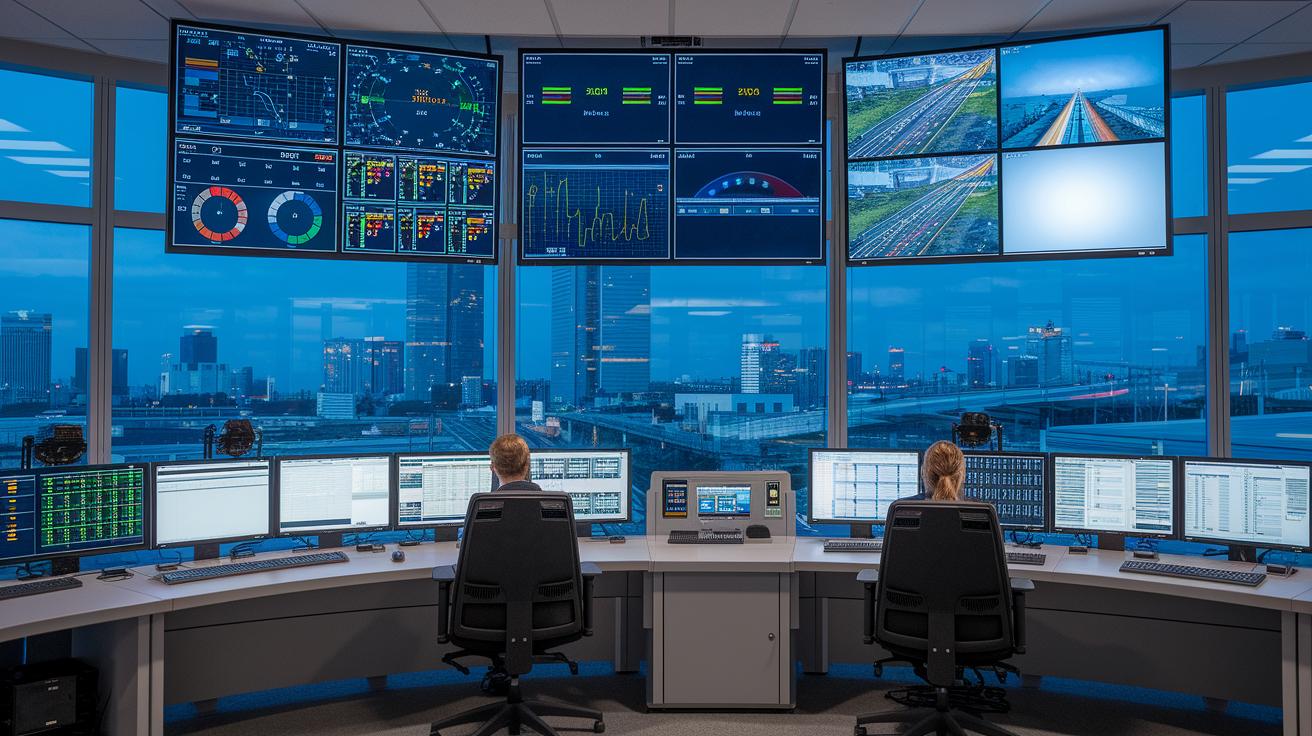
City roads are becoming the perfect place to try out clever transport ideas. City planners and tech teams are launching projects that use more than 50 unique dashboards to keep an eye on everything from road safety to keeping track of assets. These dashboards use live video feeds and LiDAR data, mixed with some smart machine learning, to spot issues before they become big problems. One exciting trial combines SMART Safety dashboards with a kind of prediction that helps manage traffic before things get hectic. Imagine a system that alerts city staff the moment traffic starts to back up or even guesses where an accident might happen. It’s all about making city travel smoother and much safer.
Urban Traffic Management Module
In one citywide trial, local officials rolled out a traffic module that watches over the streets with SMART Safety dashboards. It uses real-time sensor data and smart analysis to quickly spot anything out of the ordinary. When something unusual happens, the system adjusts traffic light timings and even switches up road routes during busy times to cut down on jams and reduce crash risks. This trial is a great example of how smart tech can help keep our roads safe and lessen delays for everyone.
Airborne Transit Pilot Program
Another trial is testing a drone-based air taxi service. In this test, safety rules and government approvals are key. The system uses advanced dashboard analytics to follow every flight as it happens, making sure drones keep the right height and safe distance from each other. This program isn’t just about proving that drone travel can work in cities; it’s also about showing how detailed sensor data can help make air transport both safe and efficient.
Policy and Market Trends in Advanced Mobility Adoption
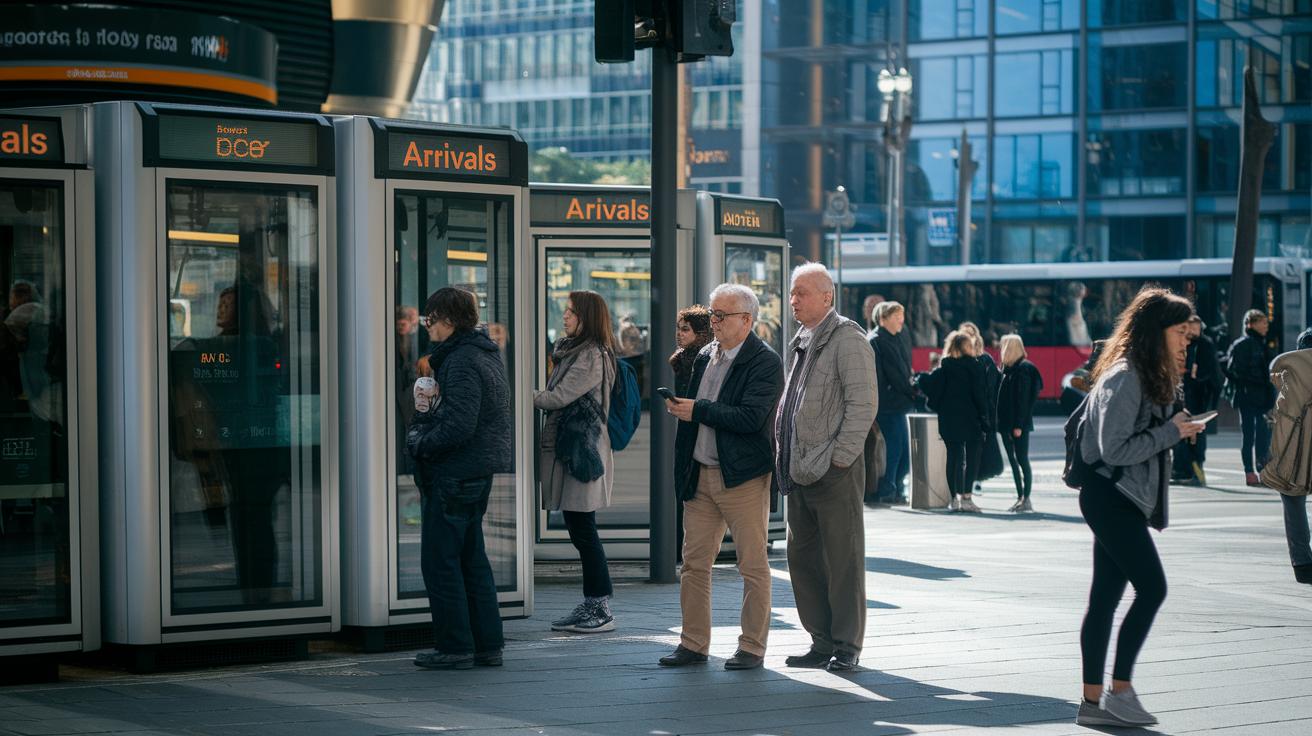
Advanced mobility isn’t a flash in the pan; it’s built on decades of smart research and careful study. Experts have been gathering and crunching transportation data for over 25 years and leaning on more than 70 years of insights from both academics and hands-on work. This experience has led to the creation of systems that follow evolving safety and regulation rules. Funding for these innovations often comes from public-private partnerships, ensuring we see new transport technologies hit the market safely and effectively.
Government rules and clear transit policies play a major role too. They set the schedule for when these new mobility ideas can roll out and decide where the money goes for the next-generation transit solutions. Public agencies and private companies are working hand-in-hand to balance these rules with the need for fresh, effective transportation options in our communities. In simple terms, by mixing solid research with smart policy, we’re driving toward a transport system that’s both safe and in tune with today’s changing city life.
Future Prospects for Advanced Mobility: Sustainability and Tech Integration
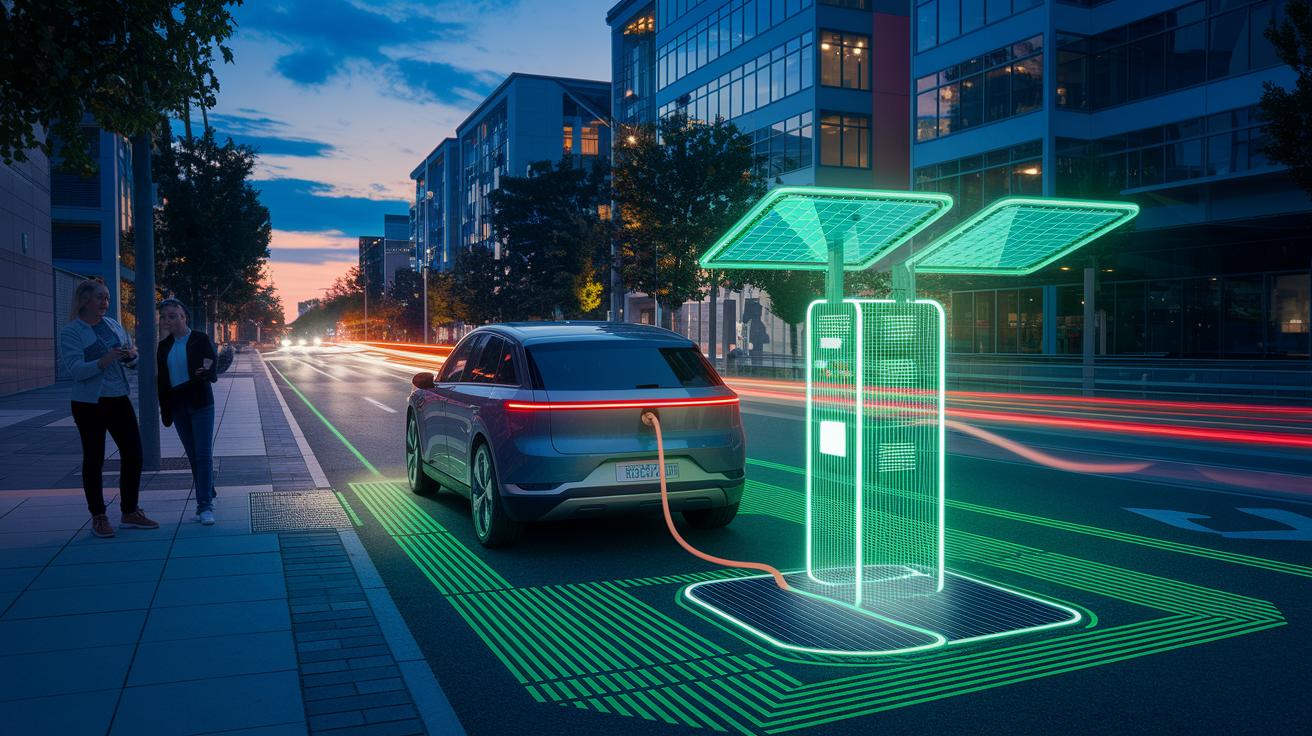
The world of transport is shifting fast, leaning toward cleaner, smoother travel. New tech brings sustainable journeys to life by blending smart AI insights with renewable energy. These improved systems use real-time data to tune each ride for safety while cutting down emissions, making our travel both green and efficient.
AI and Deep Learning in Mobility
Imagine a car that learns as it goes, getting better with every mile. Deep learning works like a savvy mechanic, sifting through loads of data to fine-tune decisions and maintenance on the spot. It adjusts safety features instantly and picks the best routes to save energy. The outcome? A car that’s ready for surprises on the road and keeps you safe every step of the journey.
Renewable Energy and Zero-Emission Networks
Think of fueling your daily drive as simple as charging your phone with sunlight. Renewable energy, from solar panels to wind and battery storage, powers transit systems without harmful emissions. This blend of nature's energy and smart automation steps up our roadways, cutting our need for fossil fuels. As these green sources become more common, more routes will offer zero-emission travel, paving the way for cleaner, smarter roads for everyone.
Final Words
In the action, we explored smart solutions shaping today’s transport. The post covered futuristic methods from self-driving tech with sensors and AI to electrification and Internet of Things integration. It showed how cloud-based systems and modular networks lay the groundwork for efficient auto setups, while case studies proved their effectiveness in urban settings. We also touched on market policies and sustainable practices driving advanced mobility. All these insights lead us to a more streamlined and eco-friendly auto future. Stay curious and gear up for smarter rides ahead!
FAQ
Who is the owner of Advance Mobility?
The owner of Advance Mobility is not publicly specified. For the most accurate details, contacting the company directly is the best way to learn more about its ownership.
Will Medicare pay for a mobility device?
Medicare pays for a mobility device when it is found medically necessary after a proper evaluation. Coverage details may differ, so review your plan or speak with a Medicare representative.
What are examples of advanced mobility?
Examples of advanced mobility include autonomous electric vehicles using sensors like LiDAR and video imaging, along with integrated IoT systems that enhance safety and operational efficiency.
What qualifies you for a mobility aid?
Qualification for a mobility aid requires meeting specific clinical criteria confirmed by a health professional, ensuring that the device is suited to address your documented physical challenges.
What products and services does Advanced Mobility provide?
Advanced Mobility offers a wide range of products and services, including durable medical equipment, mobility aids like strollers, and mobility exercise programs available at locations like Cumberland, MD; Orange, CA; Bend; and North Fort Myers, FL.