Guides
Common Causes of High Water Bills Without Visible Leaks
By Support
June 16, 2026
Field Notes

What if your high water bill isn’t from a burst pipe at all?
Most homeowners look for puddles and miss the real culprits hiding in plain sight.
Before you tear out walls or call a plumber, learn the fast, low-cost checks that find the problem.
This post pinpoints the five most common causes of high water bills without visible leaks, silent toilet leaks, misbehaving appliances and water softeners, misprogrammed irrigation, concealed slab or underground leaks, and meter or billing errors.
You’ll get a simple meter test and a clear next step for each cause.
How To Pinpoint The Reason For A Sudden Water-Use Spike
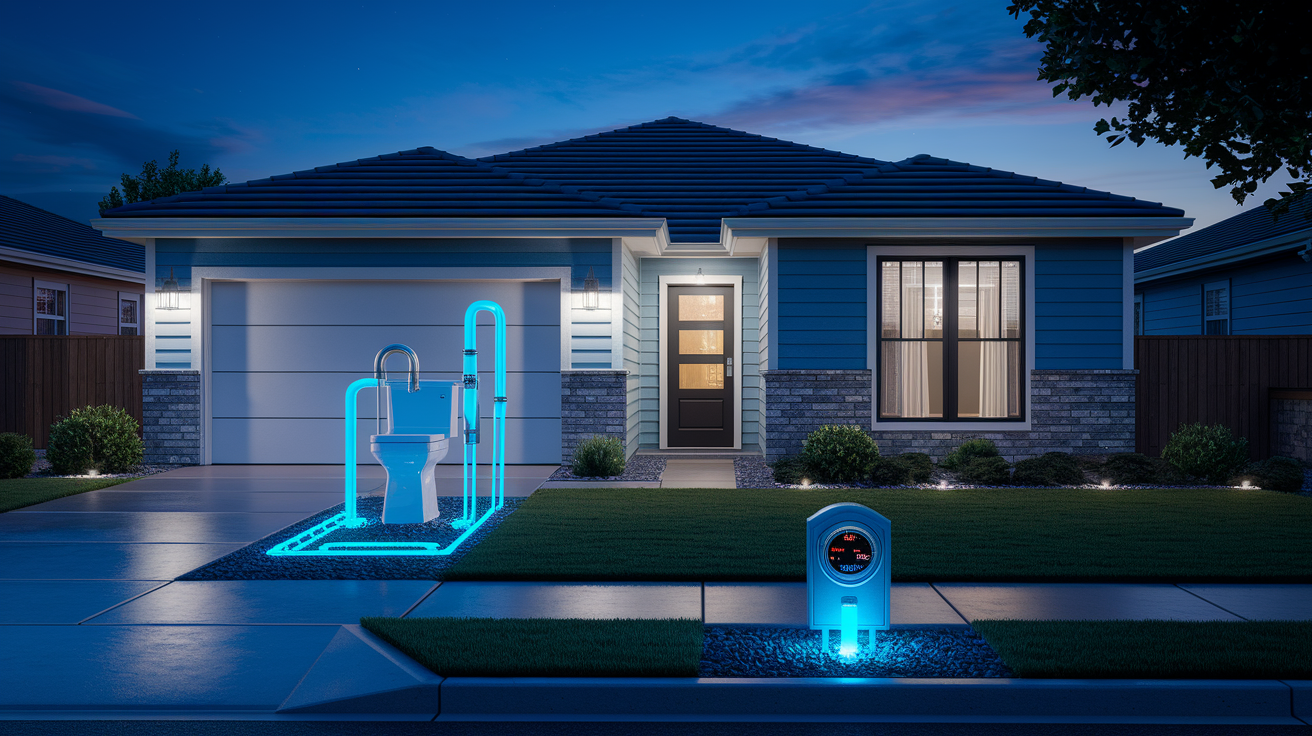
A high water bill without any obvious leak usually means water’s escaping somewhere you can’t see. Think inside a toilet tank, an appliance hose, an irrigation line, or a pipe buried under your slab. It can also mean the meter misread your usage, or there’s some kind of mix-up on your utility account. Before you tear apart walls or call a plumber, figure out which of these is actually going on.
Here are the five most common culprits, ranked by how often they show up:
- A silent toilet leak. Worn flappers, faulty fill valves, or a cracked overflow tube let water trickle from tank to bowl nonstop, often without a sound.
- A faulty water softener or water-using appliance. Washing machines, dishwashers, and their supply hoses can leak internally or cycle water when they shouldn’t.
- A leaking or misprogrammed irrigation system. A cracked zone line or a controller stuck on an old schedule can waste thousands of gallons before anyone notices.
- A concealed underground, slab, or wall leak. These hide behind drywall, under flooring, or below the yard, often with zero surface signs.
- An inaccurate meter read or utility account issue. Sometimes the water isn’t the problem. The bill is.
The fastest way to sort out which one applies to you is a simple meter isolation test:
- Turn off every faucet in the house. Confirm toilets, irrigation, water softeners, and appliances aren’t mid cycle.
- Record the meter reading, or snap a photo of the display.
- Skip using any water for 30 to 60 minutes.
- Check the meter again. If it moved at all, water’s still flowing somewhere on your property.
If the meter moved, start with the toilets. They’re the single most common hidden leak in most homes. From there, check irrigation equipment and appliances, and only after ruling those out should you start suspecting a concealed supply line. If the meter didn’t budge, or your usage doesn’t line up with your household’s actual habits, call the utility and ask them to verify the reading and your account details.
First Confirm Whether The Spike Is Real Or A Leak

Not every high bill means a leak. Sometimes the jump comes from a longer billing cycle, a rate change, or just plain using more water than usual. Before you go chasing hidden leaks, pull your last three to six statements and compare them side by side.
Focus on gallons or litres used, not the dollar amount. A bill can climb even with the same daily habits, if the billing period ran a few days longer than usual or your usage pushed you into a higher rate tier. Cost alone can be misleading.
Run through this checklist before doing anything else:
- Compare current and previous consumption totals (gallons or litres, not dollars).
- Check the number of days covered in each billing cycle.
- Confirm whether the reading is marked actual or estimated.
- Match the meter serial number on the bill to the one on your actual meter.
- Verify the displayed meter reading lines up with what’s printed on the statement.
- Think about whether occupancy changed. Guests staying over, kids home from school, extra people in the house, that kind of thing.
- Consider whether you filled a pool, pressure washed the driveway, or ran irrigation more than usual for the season.
If you spot a clear reason, more people in the house, a pool fill, a longer billing cycle, that’s probably your answer, and no leak hunting needed. But if none of that adds up and the meter kept moving during your isolation test, you’re likely dealing with continuous water flow somewhere on the property. Time to check fixtures and appliances one by one. And if the meter reading, serial number, or usage history looks off or inconsistent with your records, don’t guess. Call the utility and get them to review the account before you spend time or money chasing a leak that might not even exist.
Final Words
Start by running the meter isolation test: turn everything off, note the meter, wait 30–60 minutes, then check it again. If the meter moves, you’ve got hidden flow and should act fast.
Work down the ranked list—test toilets first, then appliances and softeners, inspect irrigation, and consider underground or slab leaks. If the meter stays still, compare recent bills for longer cycles, estimated reads, or rate changes.
These steps target the common causes of high water bills without visible leaks and point you to the right repair or utility check. You’ll likely find and fix the problem.
FAQ
Q: Why is my water bill so high with no visible leaks, and what commonly causes extremely high bills?
A: A high water bill with no visible leaks is usually caused by a silent toilet leak, faulty appliances or softener, irrigation problems, a hidden underground/slab leak, or an incorrect meter read or billing error.
Q: How do I find a water leak that is not visible, and why might my water meter move when I’m not using water?
A: Finding an invisible leak and a meter that moves when you’re not using water starts with a meter isolation test: shut off all water, record the meter, wait 30–60 minutes—any movement shows ongoing flow needing fixture-by-fixture checks.