Tech
Electric Vehicle Innovation Energizes Future Mobility
By thomascrown
October 5, 2025
Field Notes
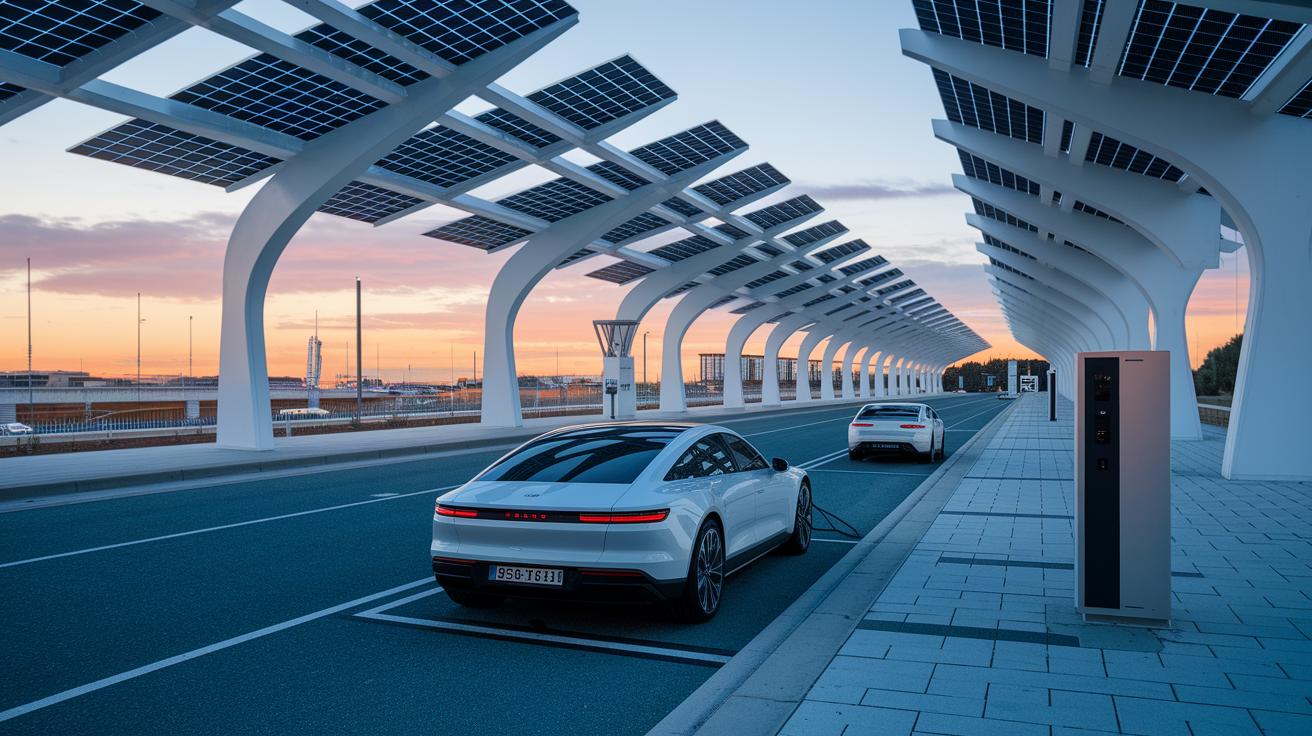
Ever wonder if electric cars could really change how we get around? These days, new breakthroughs are making that a real possibility. With smarter batteries that give more power and charging spots that work faster than ever, electric rides are getting affordable and super practical. Picture cruising by in a smooth, quiet car that’s easy on the environment, a future where cleaner trips are available to everyone. Look closer, and you'll see that these improvements not only boost performance but also hint at a brighter, more efficient way to travel.
Electric Vehicle Innovation: Key Breakthroughs Shaping Modern EV Market
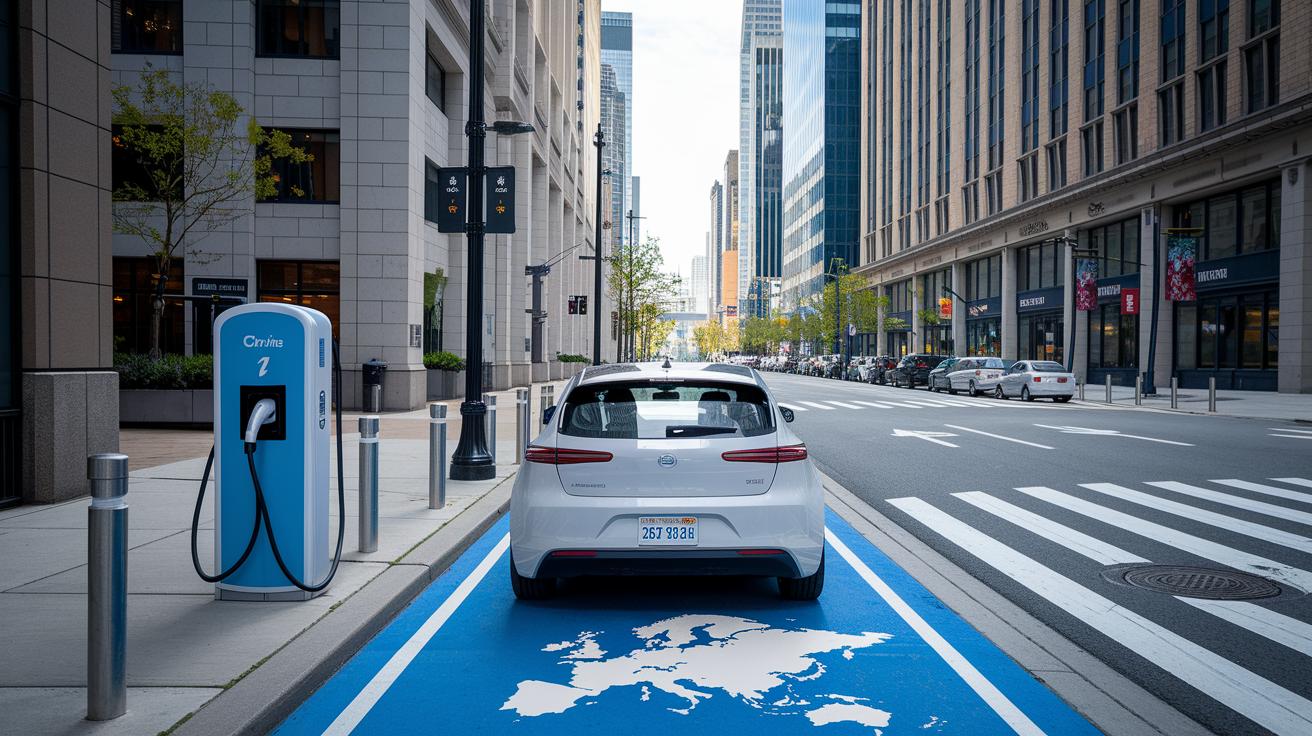
In 2024, electric vehicles made a huge leap forward. They accounted for 8.7% of all new car sales, a 7.3% increase over last year. Drivers in China, Europe, and the U.S. are choosing cleaner rides, showing that EVs are no longer just a niche choice but a key part of modern transportation and a spark for tomorrow’s sustainable solutions.
Early price tags really set the stage for today’s market. The 2008 Tesla Roadster launched at $98,000, which would be around $142,000 in today’s money. Meanwhile, the 2010 Nissan Leaf started at $32,780, about $47,000 now. Back then, most electric cars were priced above $67,000. Tesla even held a strong 44% share of the U.S. EV market by year-end, underlining how influential the brand was as choices widened. These early figures remind us of how quickly EV costs have dropped, making electric driving more accessible for everyone.
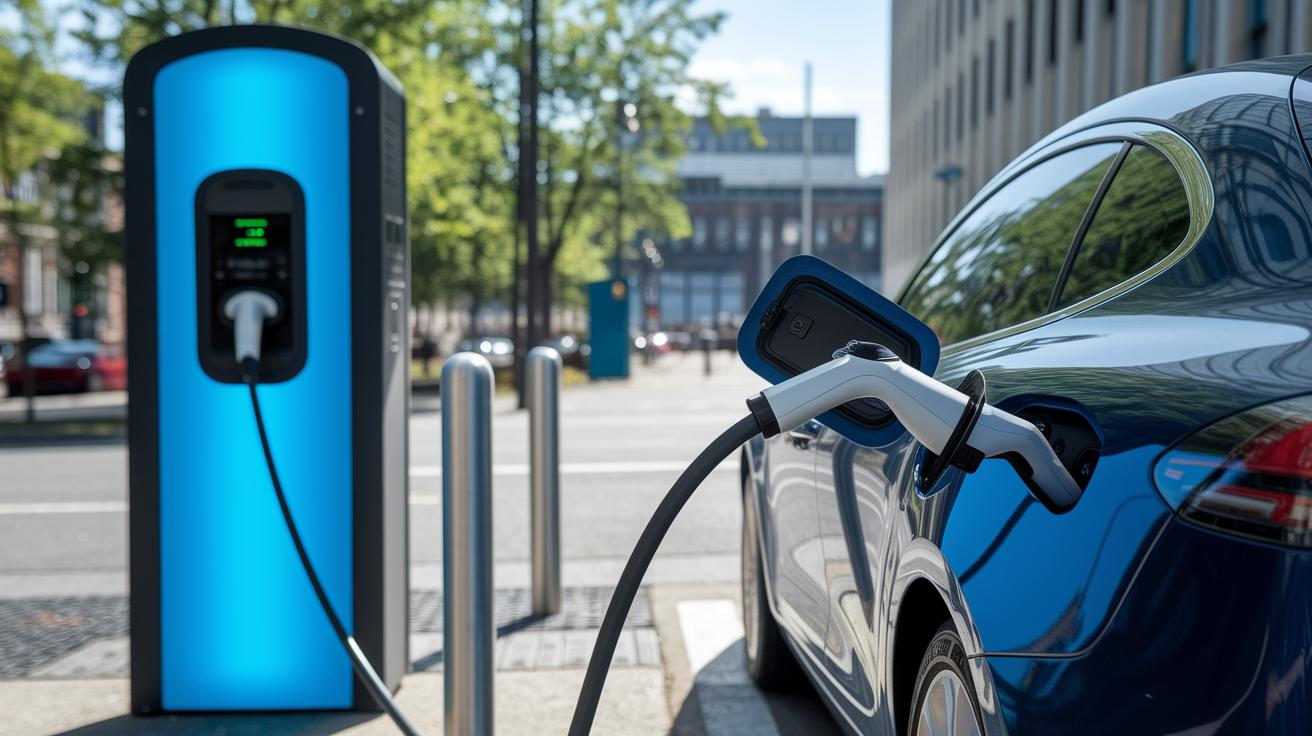
Car makers are now boosting their investments in both private and public charging networks. This means less worry about running out of battery and shorter charging times. These upgrades make owning an EV more practical and build confidence as drivers enjoy the benefits of a growing, efficient charging system. In other words, this progress is changing the game for electric mobility.
New charging technologies are also sparking fresh trends around the globe. Automakers and government agencies are backing faster, smarter charging solutions that cut wait times and work well in both urban and rural settings. This shift is not only accelerating the adoption of EVs but also reshaping the entire landscape of electric innovation today.
Advanced Battery Solutions Driving Electric Vehicle Innovation
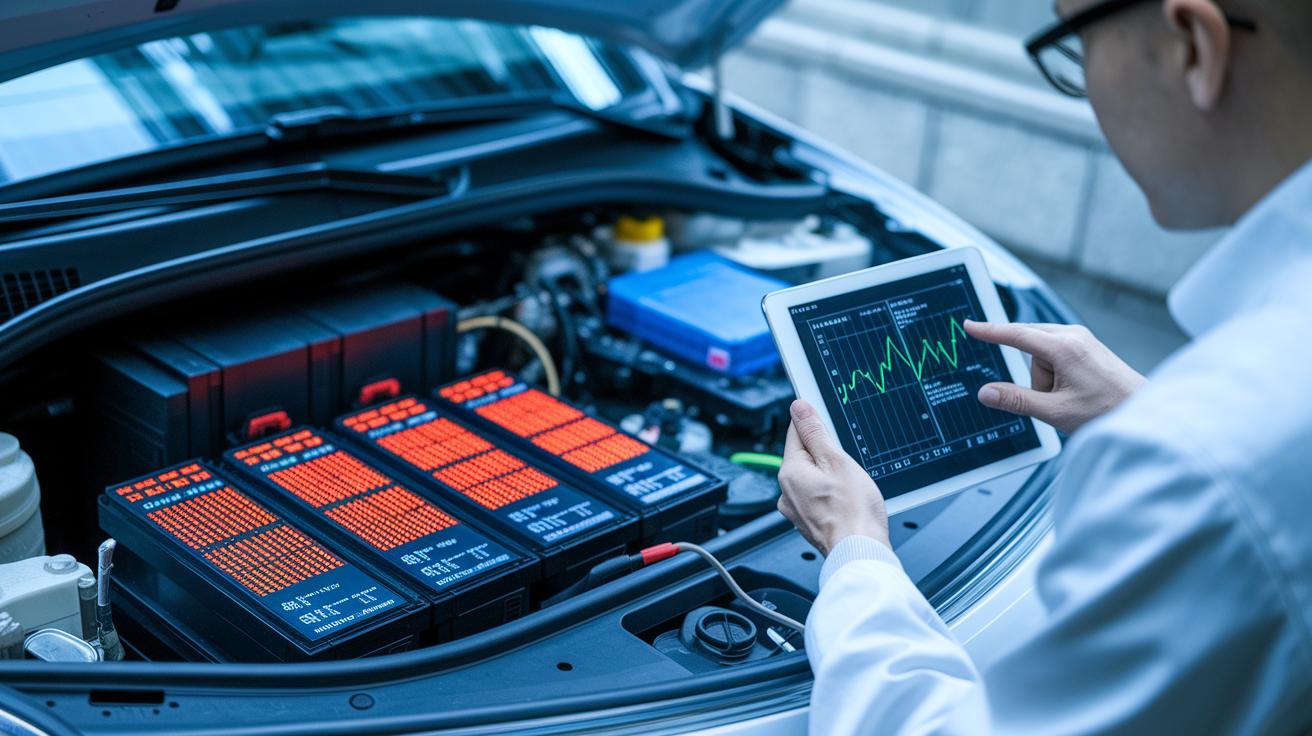
Lithium-ion battery upgrades are pushing electric vehicles further than ever before. With smarter cell chemistry, our rides now pack about 20% more energy per charge. Imagine getting that secret power boost every time you hit the road, letting you go longer without stopping.
Solid-state battery breakthroughs are another exciting chapter. These new cells handle heat better and stay safe during quick charging. In other words, they work reliably even under tough conditions, much like a trusty mechanic ensuring every part is in top shape.
Modern battery management systems keep a close eye on every cell’s voltage and temperature. It’s like having a vigilant co-pilot checking your car before you set off on a road trip. This smart monitoring not only prolongs battery life but also keeps your drive safe and smooth.
Ongoing research is focusing on making batteries that last longer and charge even faster. These innovations are the engine driving the future of electric mobility, making your rides more dependable and practical every day.
Smart Charging Infrastructure and Rapid Charge Tech in Electric Vehicle Innovation
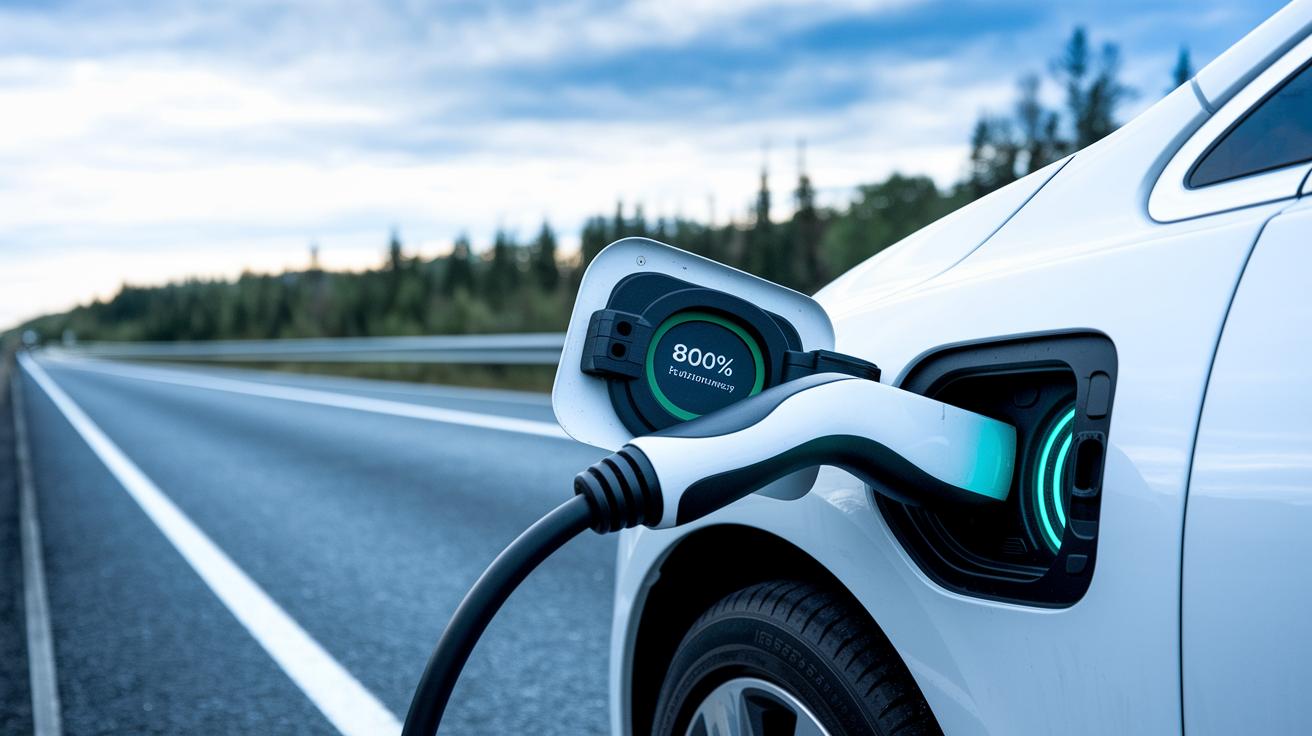
Car makers and charging network operators are cranking up the number of fast-charge stations to help ease range worries and speed up the shift to electric cars. Imagine being on a long drive and needing a quick charge, ultra-fast charging can get your battery up to 80% in just 15–20 minutes. Plus, safety measures keep things cool during these quick charges, so you can stop fast without fretting about overheating.
Tech innovators are busy making charging more adaptable and space-friendly. Small-scale chargers, boosted by 5G and IoT, slip right into tight urban spots. And guess what? Manufacturers are even testing wireless charging pads that pack a punch of up to 11 kW. These upgrades don’t just speed things up; they offer a convenience that old plugs just can’t match.
New bidirectional charging systems are also shaking things up. These platforms let your electric car feed power back into the grid when it's needed most, turning your car into a mini energy station. In a world where efficiency and flexibility matter, smart charging and rapid recharge tech are paving the way for the future of driving.
- Ultra-fast charging that replenishes 80% battery capacity in 15–20 minutes
- Compact chargers using 5G and IoT to fit in tight urban spaces
- Wireless EV charging pads with an output of up to 11 kW
- Bidirectional charging platforms that export power back to the grid
- Expanded public and proprietary fast-charge networks to reduce range anxiety
Electric Motor Design Breakthroughs and Lightweight Materials in Electric Vehicle Innovation
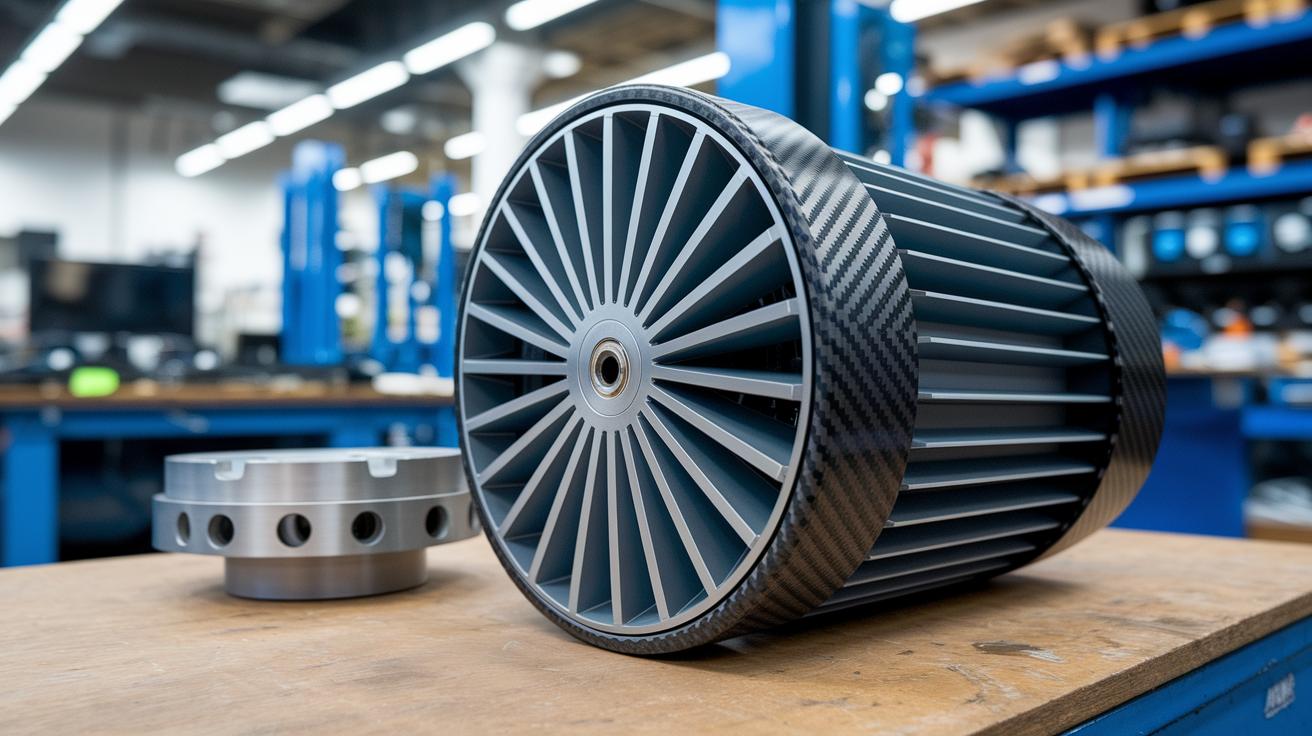
EV makers, feeling the heat of competition, are rethinking how they build motors and choose materials. New layouts, like axial flux and segmented stators, boost power by up to 30%, which means your car can accelerate quicker and feels more responsive, almost like it’s come alive on the road.
Designers are also turning to lightweight materials such as carbon-fiber reinforced polymers and special aluminum alloys. These materials cut a vehicle’s weight by around 10-15%, letting you drive further on less energy, imagine a car that saves power as smartly as your favorite gadget.
Smartly engineered electric drive systems combine these advances, so every change helps the car use less power, especially on long trips. With a lighter build and a redesigned motor, even small tweaks make a big difference in efficiency and driving pleasure. It's a real win-win for performance and energy savings!
Software Integration and Autonomous Capabilities in Electric Vehicle Innovation

Voice-User-Interface Integration
A boost of £68,200 from Innovate UK is fueling projects that bring voice control right into electric vehicle design. This cool tech helps make driving easier, especially for folks with disabilities. Imagine telling your car, "Start navigation" or "Turn on the climate control," and having it respond instantly. It's like having a smart assistant riding shotgun. These innovative voice setups are all about making driving simpler and more enjoyable for everyone.
Cybersecurity and OTA Updates
From July 2024, new rules like UNECE UN R155 and UN R156 are stepping in to protect your ride. These rules make sure cars get secure updates over the air, so any cybersecurity threats get fixed quickly. Car makers now need to follow strict guidelines to keep electric vehicles safe from digital dangers. With these steps, your car’s software stays patched up and secure, giving everyone peace of mind as we move into a more connected future.
Autonomous EV Platforms
Electric vehicles are getting a major makeover with cutting-edge self-driving technology, just look at Zoox robotaxis. These vehicles ditch the old steering wheel for a fresh setup with seats facing each other, creating a new kind of ride experience. It’s a peek into a future where automation and connectivity work together seamlessly. Advances in self-driving tech are paving the road to fully integrated mobility services, making transportation not only smarter but also a lot more exciting.
Electrified Roads and Vehicle-to-Grid Systems in Electric Vehicle Innovation
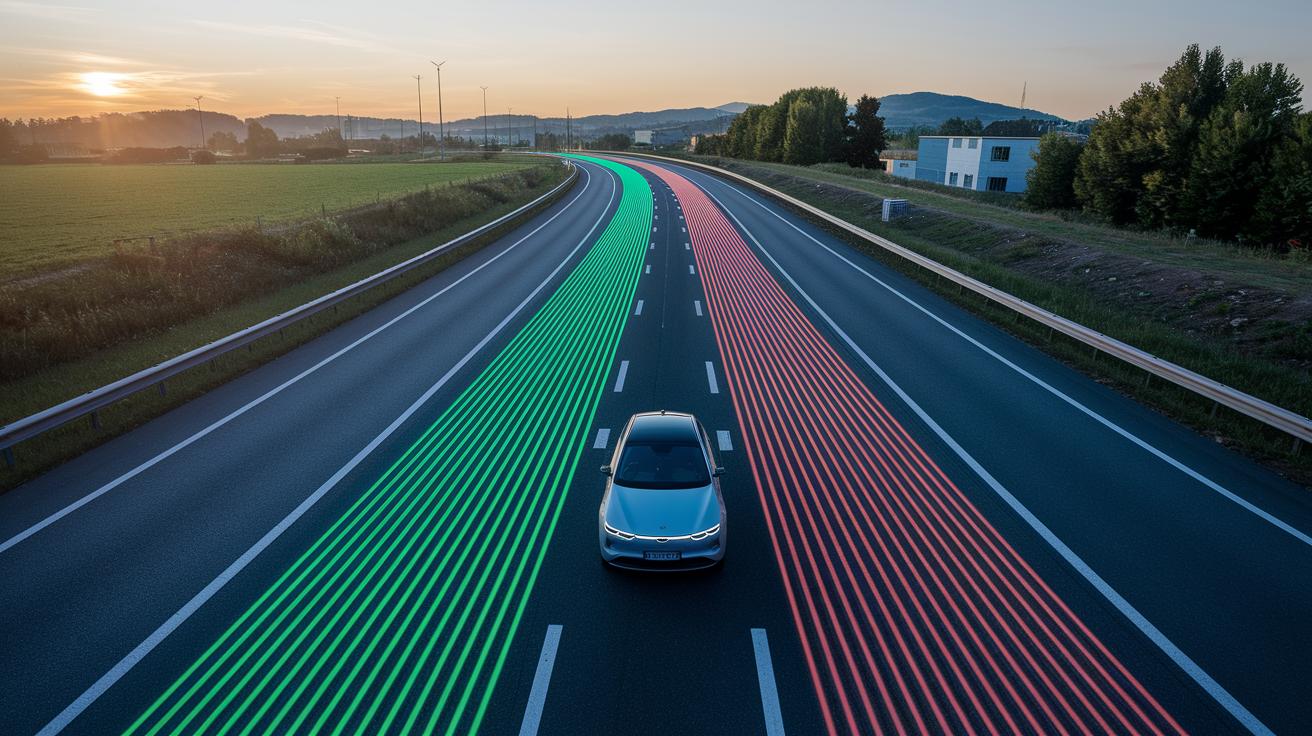
Imagine cruising on a road where your car charges while you drive. That’s what electrified roadways and vehicle-to-grid (V2G) systems are all about. Stellantis is testing a cool dynamic wireless power transfer near Chiari, Italy, where EVs get a boost along a two-mile stretch. Similar tests in Sweden show that charging roads could soon become a regular part of our daily drives, cutting back on the need for traditional charging spots.
Now, think of modern bidirectional charging systems as a two-way street between your electric car and the power grid. When your car is parked, it can give energy back during busy times, kind of like a backup battery for the neighborhood. This smart grid idea not only keeps our electricity steady but also ensures drivers have extra juice when needed. Wireless power transfer, teamed up with smart sensors, is making it possible to charge on the go and manage grid energy in real time. In other words, syncing car energy use with what the grid needs helps build a more efficient and rock-solid urban network. These breakthroughs promise to rev up how we use energy and shape a more resilient future for everyday travel.
Market Adoption and Trends Shaping Electric Vehicle Innovation
Looking ahead, experts say electric cars could make up more than 15% of new car sales by 2026. This jump is thanks to better batteries, quicker charging spots, and smart data that help drivers and makers get the most from every mile.
Battery improvements and smoother building methods are driving down costs and making EVs more popular. Here’s a cool fact: by 2025, some electric car models might double their range, totally changing your daily drive.
| Driver | Impact |
|---|---|
| Battery Efficiency | Longer trips without frequent stops and lower prices |
| Charging Infrastructure | More fast-charging points build driver trust |
| Performance Data Analysis | Smoother tuning and better performance on the road |
All these trends, boosted by tech breakthroughs and more available charging spots, are paving the way for a smarter, greener future in electric mobility.
Final Words
In the action of exploring today’s EV scene, we broke down key breakthroughs that push the limits of electric vehicle innovation. We covered battery strides, smart charging solutions, motor design shifts, and modern software upgrades that make driving smarter.
All these advances signal a future where EVs are more efficient, reliable, and fun to drive. The steps taken today promise a world of improved performance and smoother rides ahead. Stay tuned, and enjoy the drive!