Tech
Ev Battery Innovation Ignites Remarkable Performance Advances
By thomascrown
October 8, 2025
Field Notes

Ever notice how your electric car can feel like it’s hiding a little secret power? Remember the old days when charging took forever? Now, with top-notch lithium-ion tech and fresh battery ideas, you’re ready to hit the road sooner and go further. These smart upgrades have turned long, boring charging stops into quick pit stops that get you back behind the wheel in a flash. It’s like your everyday drive has been upgraded to a sneak peek of the future, faster, smoother, and full of promise.
EV battery innovation ignites remarkable performance advances
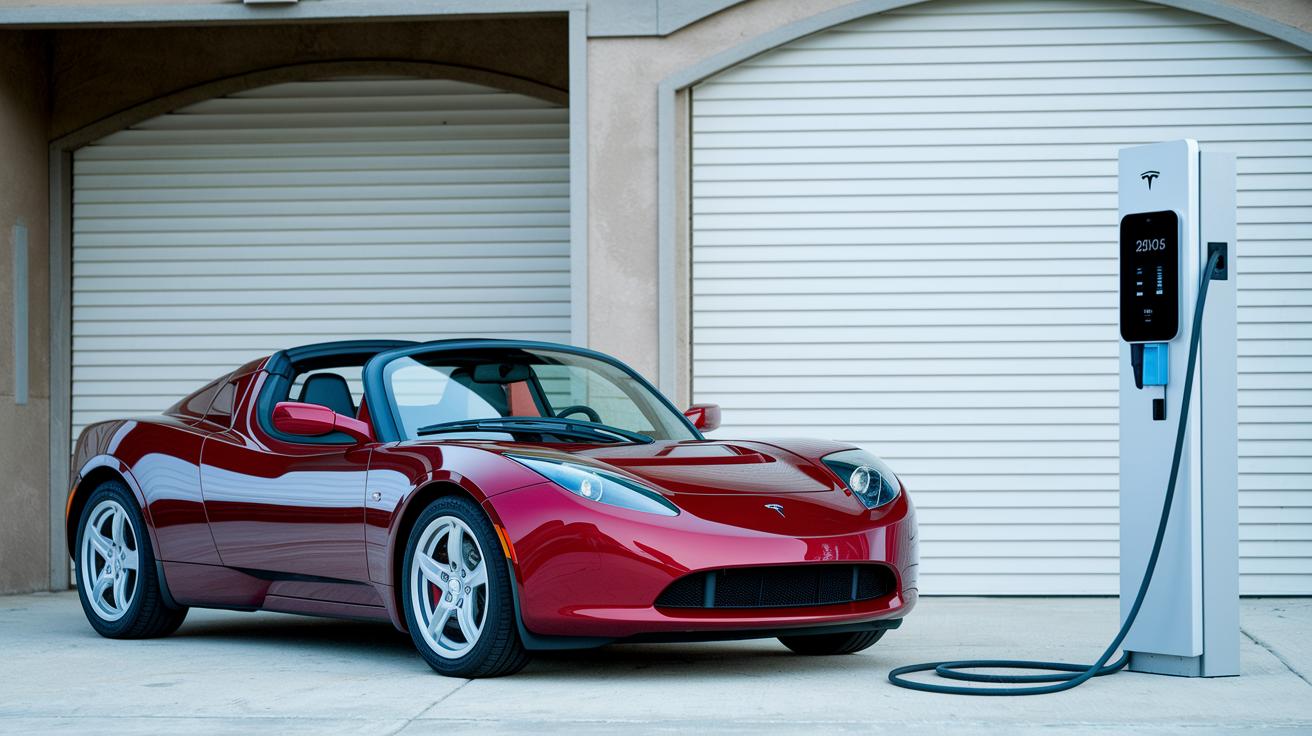
EV battery technology has come a long way from those early days when you could barely get 100 miles on a single charge and had to wait half a day for a top-up. Back then, charging took so long that your whole day had to revolve around it. In fact, before EVs reached the standards we see now, owning one was pretty much an experiment in planning your day around long downtime.
Then things took a major turn with the arrival of lithium-ion batteries, first shown off by the Tesla Roadster in 2008. These batteries now let you drive over 244 miles on one charge thanks to their high energy density, lightweight build, and speedy charging that turns long pauses into quick pit stops. It’s like moving from an old station wagon to a sleek, modern ride, and drivers noticed the difference immediately.
Other battery technologies have also had their moment. Nickel-metal hydride batteries became popular in hybrids because they’re reliable and easy on the wallet, even if they don’t pack the same energy punch. And while lead-acid batteries might be on the heavier side, they still work well in mild hybrid setups due to their economical nature.
At the heart of every EV battery are just three components: the cathode, the anode, and the electrolyte. Each of these parts offers a chance for more cool innovations down the road:
All these breakthroughs and ongoing research have come together to paint an exciting picture of today’s electric vehicle technology, making it clear that the future of EVs is full of promise.
Lithium-Ion Advancements in EV Battery Innovation
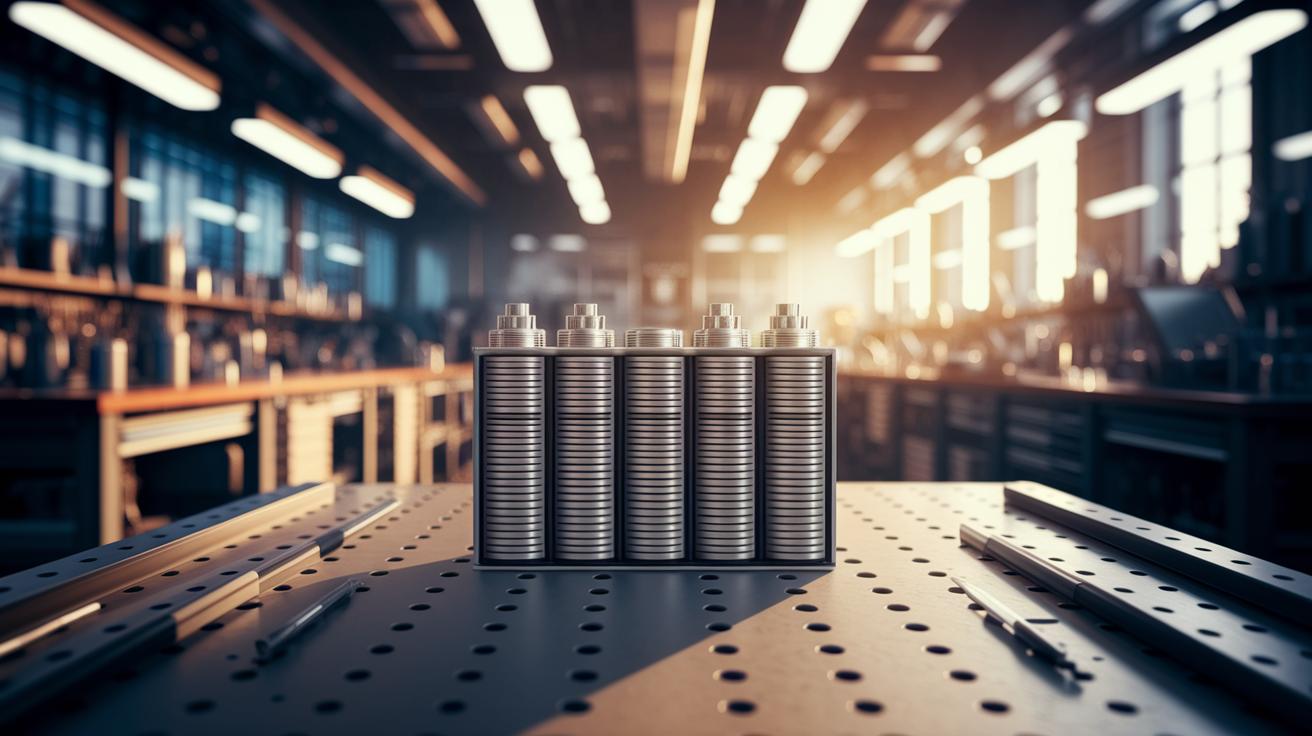
Lithium-ion batteries have completely changed the way we drive electric vehicles. Since 2008, these batteries have taken us on more than 244 miles with each full charge, and they can recharge in less than an hour at high-power stations. Imagine a battery that fills up quicker than your morning cup of coffee!
Engineers are now making clever tweaks by cutting back on cobalt and using up to 89% nickel, with a bit of aluminum and manganese mixed in. This smart switch cuts costs and makes the battery greener. It’s like giving your car an upgrade without weighing it down.
Thanks to fresh ideas with electrodes and electrolytes, batteries now pack 10–20% more energy than they did just five years ago. This boost means longer trips without changing the battery size. Every extra bit of energy density really adds up to a longer, smoother drive.
Fast charging has also taken a huge leap forward. With better anode materials and smarter ways to manage heat, recharging now takes less than an hour – turning what used to be a long wait into a quick, convenient pit stop. These steps are key to building battery tech that keeps up with today’s fast-paced driving.
As lithium-ion advances continue, each new breakthrough brings us closer to a smoother, quicker, and more dependable EV ride.
Solid-State Breakthroughs in EV Battery Innovation
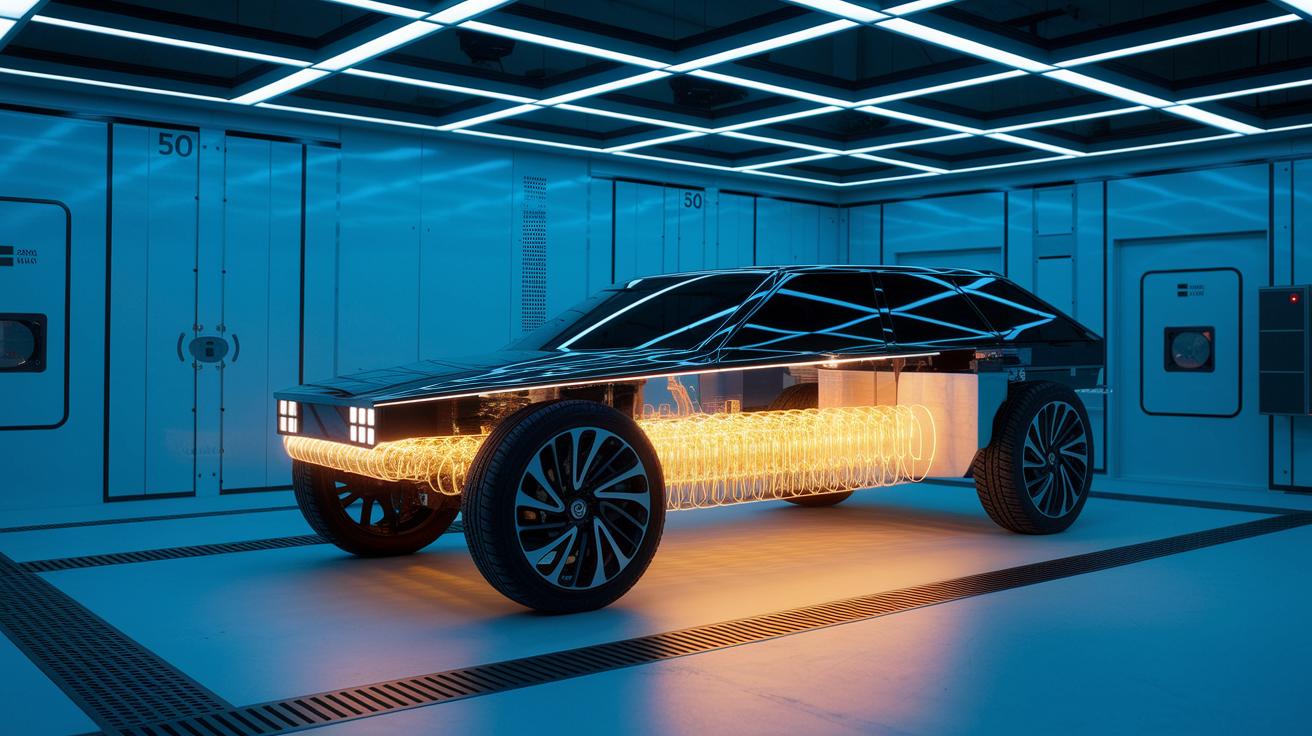
Solid-state batteries swap out the traditional liquid electrolyte for a solid material that cranks up both safety and energy storage. Think about it, this change lets your EV pack in more energy safely, which can mean driving so much further on a single charge. Imagine a battery that boosts your car’s range by more than 50% compared to the usual liquid-based systems, it’s pretty exciting!
Early prototypes hint at this promise, offering an extra 50% driving range over the typical lithium-ion setups without compromising safety. Big names like Toyota, BMW, and Hyundai are already gearing up for small-scale runs of these cells sometime between 2026 and 2028. It’s like they’re tuning a high-performance engine, where even a small tweak can lead to major gains.
Of course, there’s a bit of a hurdle when it comes to mass-producing these solid electrolytes and making sure all the battery parts work perfectly together. Engineers are busy refining their materials and production methods to create affordable, high-performing solid-state solutions. It’s a lot like fine-tuning a car, you make those small adjustments and suddenly everything runs smoother.
With all this advanced research, we’re setting the stage for next-generation all-solid energy cells. As the industry keeps tackling production challenges, these batteries could completely change the EV game. With better performance and top-notch safety, solid-state batteries are on track to redefine electric driving in a big way.
Alternative Chemistries Driving EV Battery Innovation

New battery ideas are shaking up the EV world, making it more exciting than ever. Take sodium-ion batteries, for example. Sodium is everywhere, and one of the most common elements on Earth, and using it can help cut costs significantly. These batteries use common sodium, reducing risks and even showing some neat performance improvements. Imagine lowering your car’s battery cost with something so basic yet powerful!
Then there’s the popular Lithium Iron Phosphate (LFP) battery. Already making waves in China, LFP technology is now popping up in models from Tesla, Toyota, Ford, and Hyundai. Its affordability and ready supply make it a favorite for automakers. Plus, IBM is working on a seawater cell prototype. Free from heavy metals, it’s designed for faster charging and packing higher energy density. This shows that not only is the tech evolving, but it’s also leaning toward more eco-friendly designs.
Graphene is another game changer in the mix. Scientists are exploring new ways to use graphene in battery cells, promising better conductivity and longer battery life. It’s a bit like fine-tuning a car engine to run smoother and last longer. Some experiments even blend graphene’s high-tech boost with sodium-ion savings to create cells that charge quicker, remain steady under pressure, and offer a longer lifespan.
Overall, the landscape of battery chemistries, from sodium-ion to LFP to graphene, is fueling cleaner and more cost-effective EV power solutions. It’s an exciting drive toward a greener future that could transform the way we think about electric vehicles.
Sustainable Manufacturing and Recycling in EV Battery Innovation

Ever wonder how today's EV batteries get a second life? Direct-to-battery recycling picks out the key bits, the cathode and anode, without messy steps like melting or shredding. It’s a smart process that saves money and energy, kind of like plucking fresh fruit right off a branch, simple, clean, and efficient.
But that’s not all. By reusing up to 90% of battery materials in closed-loop factories, we can cut down on the need for rare, hard-to-mine minerals. Manufacturers are even testing battery formulas with less cobalt and nickel to trim costs and ease environmental impacts. Think of it as upgrading your engine with parts that run smoother and last longer.
Sustainable manufacturing is grabbing all the attention these days. With more streamlined supply chains, tracking and reusing resources becomes a breeze. This method not only helps lower lithium costs but also boosts overall efficiency. For example, direct-to-battery recycling scoops up all the valuable components while closed-loop processes minimize the need for new raw materials.
All these innovations are turning battery production into a greener, more cost-effective process that benefits both drivers and our planet. Cool, right?
Industry Trends and Future Outlook for EV Battery Innovation
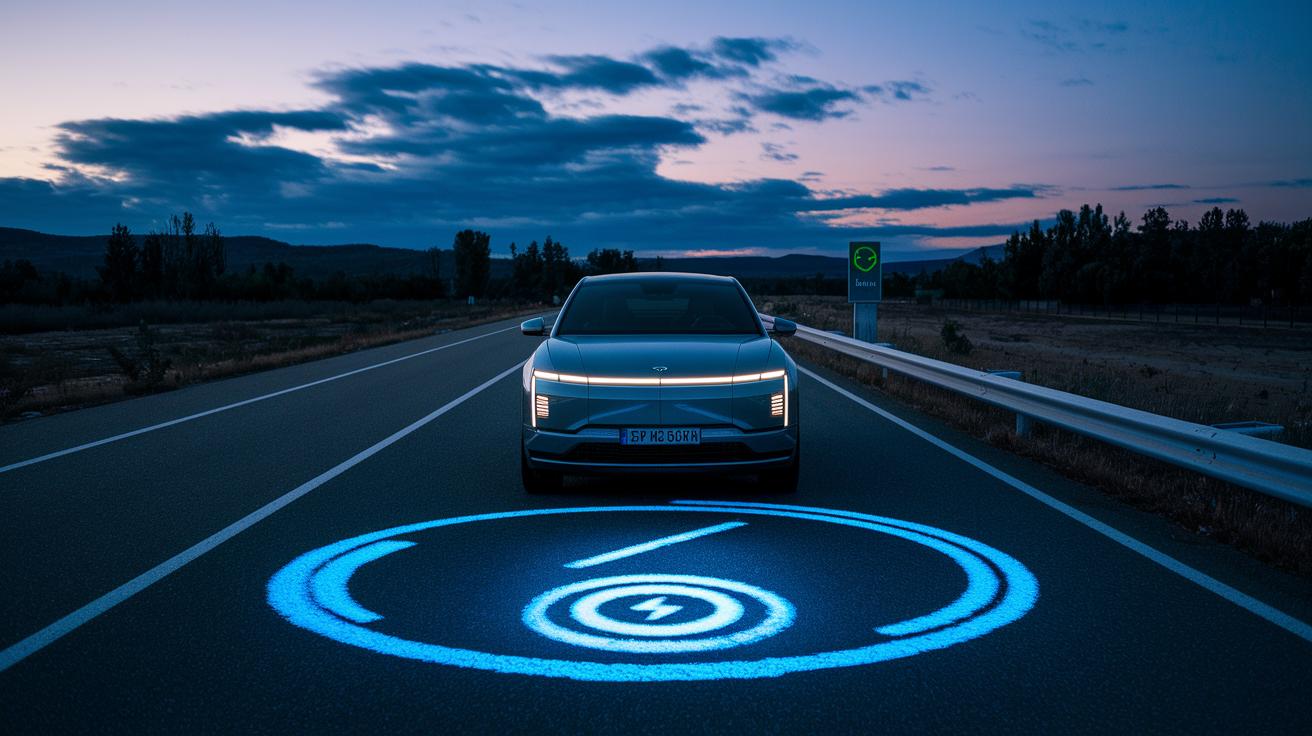
The EV battery world is shifting gears thanks to smart, cloud-based charging platforms that mix billing, energy management, and reporting into one neat system. In other words, managing your EV’s power is becoming as smooth as a well-tuned engine. And with tests of wireless charging pads on roads and in garages, charging your car might soon feel as quick and easy as a pit stop.
Market trends point to a future where EV batteries take center stage. Companies are investing heavily in cell technology, aiming to boost performance. Imagine being able to charge your car in just about 10 minutes thanks to ultra-fast systems with better thermal controls, that’s like a turbo boost for your battery! These improvements also support two-way charging, meaning your car could help power your home or feed energy back to the grid.
New rules from the EU and US are also setting the stage for change. With stricter battery standards and recycling targets, automakers and tech firms are stepping up their game. Overall, these combined efforts promise exciting upgrades in both infrastructure and battery performance in the next decade.
Final Words
in the action, the article broke down the advances in EV battery innovation from lithium-ion improvements to solid-state breakthroughs and alternative chemistries. It explained how each step boosts range and charging speed while offering more storage options.
We also explored sustainable manufacturing and recycling techniques that keep costs low and cut environmental impacts. Every section came together to show how smart upgrades create a more exciting future for electric driving. Enjoy the progress ahead!
FAQ
Frequently Asked Questions
How is EV battery innovation discussed on Reddit?
EV battery innovation is discussed on Reddit when enthusiasts share recent tech trends and ideas. They break down concepts like faster charging and solid-state advances in everyday, accessible terms.
What does the new battery technology breakthrough that may replace lithium entail?
The new battery technology breakthrough involves alternate chemistries designed to replace lithium. It promises improved energy density, faster charging, and enhanced safety to boost overall EV performance.
What EV battery technology trends are expected for 2025?
EV battery trends for 2025 include the rise of solid-state cells and refined lithium-ion tweaks. These upgrades aim to deliver longer range, quicker charging, and safer operation in an evolving market.
How is Tesla advancing EV battery innovation?
Tesla advances EV battery innovation by optimizing lithium-ion cells and exploring cobalt-free formulas with faster-charging capabilities. Their efforts focus on increasing range and efficiency across future vehicle designs.
What are the latest news updates on EV battery technology?
The latest news on EV battery technology covers solid-state advancements, alternative chemistries, and sustainable recycling practices. Researchers and manufacturers continue pushing improvements to meet growing EV demands.
Which EV battery technology is considered the best?
The best EV battery technology offers high energy density, rapid charging, and enhanced safety. While lithium-ion remains widely used, emerging solid-state and alternative chemistries are gaining attention.
What is a solid-state battery and how does it improve EV performance?
A solid-state battery replaces liquid electrolytes with a solid medium, boosting safety and energy density. This design leads to longer range and faster charging, making EVs more efficient and reliable.