News
EV Battery Lifespan and Replacement Cost: What to Really Expect
By software
July 20, 2026
Field Notes

Worried your EV will turn into a useless brick the moment the battery ages?
That’s not how it works.
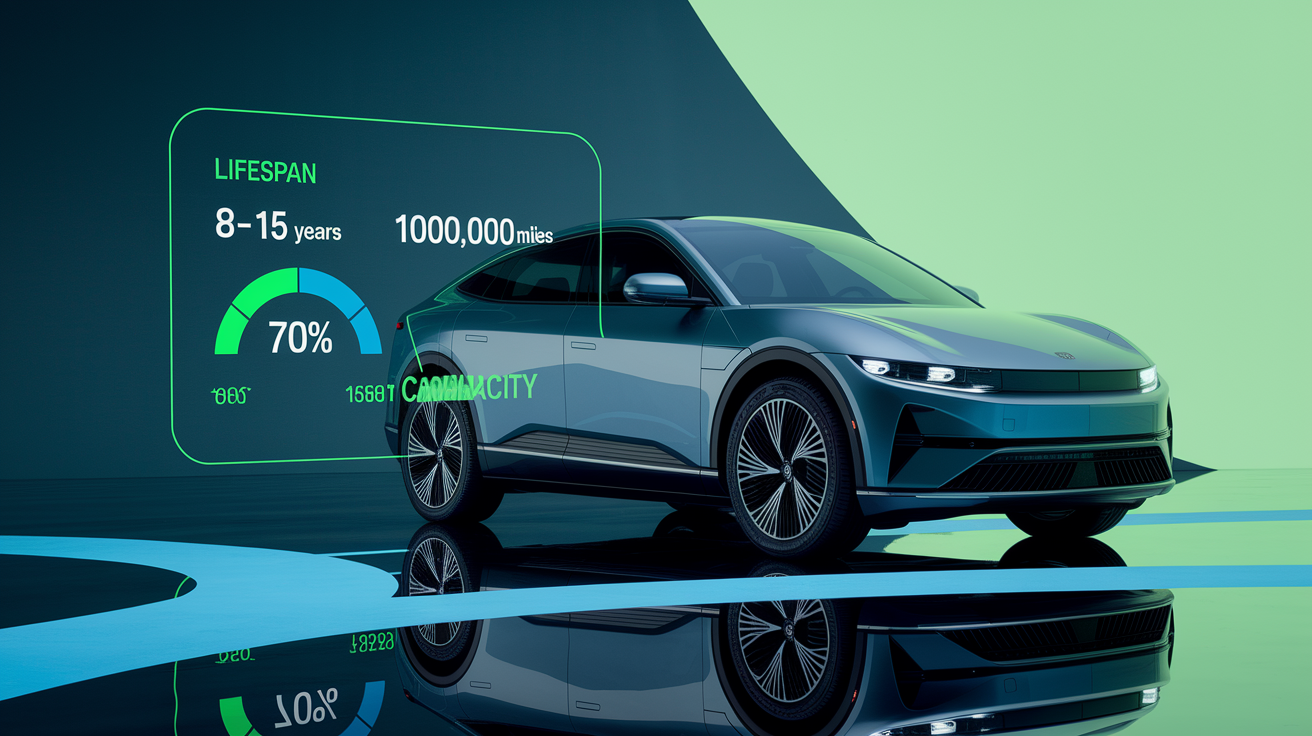
Most packs fade to about 70–80% of original capacity over roughly 8–15 years or 100,000–200,000 miles.
A full replacement typically runs $5,000–$20,000 or more once labor, shipping, coolant, and software work are added.
This guide cuts through the fear and shows what really matters when you buy, sell, or plan repairs: who will likely face replacement, what costs to expect, and smarter, cheaper options to consider.
The Key Numbers EV Owners Need to Know
| Quick Answer | What It Means |
|---|---|
| 8 to 15 years, or 100,000 to 200,000 miles | Typical EV battery lifespan before capacity loss becomes noticeable |
| $5,000 to $20,000 or more | Usual range for a full-pack electric vehicle battery replacement cost |
| 70 to 80 percent | Remaining capacity that typically marks “end of life,” not a dead battery |
That last point trips a lot of people up. Battery end of life doesn’t mean your car stops working. It means the pack has faded to roughly 70 to 80% of its original capacity. You’re still driving, just on a smaller share of the range you started with. Not zero.
The battery life expectancy figure shifts depending on where you live and how the vehicle was built. The U.S. Department of Energy projects 12 to 15 years in moderate climates, but only 8 to 12 years in places with harsh heat or cold. Vehicle design plays a role too. Thermal management, chemistry, pack size, all of it shifts the numbers one way or the other.
Here’s the part that matters most if you’re shopping used or new: a lot of owners will never personally deal with a full battery capacity loss event that forces a replacement. Most people sell or trade in their EV well before the pack hits that 70 to 80% threshold. So the cost to replace an electric car battery often ends up being someone else’s problem, if it becomes a problem at all.
What EV Battery Replacement Costs Include
Here’s something worth knowing before you get a quote. The price you see advertised for a battery pack is almost never what you’ll actually pay.
That headline figure usually covers the pack itself, not the labor, diagnostics, coolant, shipping, hazardous material handling, taxes, software programming, or disposal and core charges that come with an actual installation. Add all that up, and your electric vehicle battery replacement cost can climb well past the sticker price of the part alone.
| Vehicle or Model Group | Approximate Pack Price | Approximate Installed Cost | Important Qualification |
|---|---|---|---|
| Nissan Leaf | $6,000 to $10,000 | $8,000 to $12,000 | Indicative out-of-warranty estimate, smaller pack size |
| Chevrolet Bolt EV | $12,000 to $16,000 | $14,000 to $20,000 | Indicative out-of-warranty estimate, some recall coverage may apply |
| Tesla Model 3 or Model Y | $10,000 to $16,000 | $12,000 to $20,000 | Indicative out-of-warranty estimate, varies by trim and pack size |
| Ford Mustang Mach-E | $15,000 to $25,000 | $18,000 to $30,000 or more | Indicative out-of-warranty estimate, parts availability varies |
| Hyundai Ioniq 5 or Kia EV6 | $15,000 to $25,000 | $18,000 to $30,000 or more | Indicative out-of-warranty estimate, subject to regional pricing |
| Large electric trucks or luxury SUVs | $20,000 to $35,000 or more | Varies significantly by model | Indicative out-of-warranty estimate, largest packs cost the most |
None of these are guaranteed quotes. Think of them as a starting point for a conversation with a dealer or independent shop, not a final invoice.
So what actually drives the gap between the pack price and your total bill? Battery capacity is a big one, since larger packs need more raw materials. Cell chemistry matters too, and so does pack architecture (how the cells are arranged and connected), because some designs are just easier to service than others. Parts availability can swing prices sharply, especially on less common models. Then there’s labor hours, taxes, diagnostic work to confirm the pack actually needs replacing, coolant service for liquid-cooled systems, software programming to register the new pack with the vehicle’s computer, shipping for a heavy and hazardous part, plus disposal or core charges for the old unit.
If a full new pack feels out of reach, you’ve got options. Consider these:
- Replacing individual modules where the vehicle’s design technically allows it, rather than swapping the entire pack
- Installing a remanufactured EV battery, which has been rebuilt and tested rather than built from new cells
- Selecting a tested used pack, often pulled from a salvage vehicle with verified capacity
- Claiming eligible warranty coverage if the failure or capacity loss falls within your automaker’s terms
Before you agree to anything, ask for an itemized estimate that separates the pack price, labor, taxes, ancillary parts, and any warranty contribution. That breakdown is really the only way to know whether you’re getting a fair number or paying for line items you didn’t even know existed.
Why Future Costs May Fall and Replacement May Not Be Necessary

Battery manufacturing costs are on a downward path, and that trend should continue. As production scales up, cell chemistry keeps impro
Final Words
In the action, we laid out the core numbers: most EV batteries last about 8–15 years or 100,000–200,000 miles, full-pack swaps typically cost $5,000–$20,000+, and end-of-life usually means roughly 70–80% capacity, not a sudden stop.
We also covered what drives degradation, what replacement bills include, warranty rules, and why many owners never need a full swap.
Use this to check warranties, get itemised quotes, and explore module, remanufactured, or used-pack options. Watch ev battery lifespan and replacement cost trends — they should get easier to manage.
FAQ
Q: Is it worth replacing an EV battery?
A: Replacing an EV battery is worth it when the repair cost is lower than the car’s remaining value and you need restored range. Check warranty, and consider remanufactured or module repairs, or selling instead.
Q: How much is a new EV battery for a Tesla?
A: A new EV battery for a Tesla typically costs an indicative $10,000 to $16,000 for the pack and $12,000 to $20,000 installed out of warranty. Final price depends on model, labour, and parts availability.
Q: What happens to an EV after 7 years? / What happens to a Tesla battery after 10 years?
A: An EV after seven years and a Tesla battery after ten years typically retain roughly 70 to 90% capacity, giving reduced range but usable performance. Climate, thermal management, and warranty terms determine if replacement is needed.