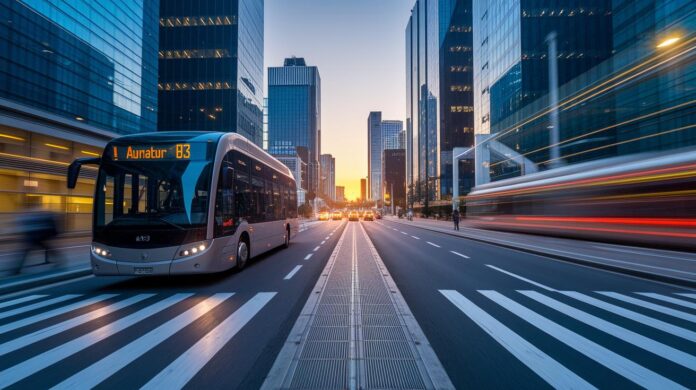

Ever wonder if our roads could use a tech upgrade? Picture smart sensors keeping an eye on your drive and cars that swap signals as easily as old friends chatting. Mobility tech is moving fast and changing our daily rides right before our eyes.
In this article, we'll take you through how digital tools are reshaping old transit systems into slick, flexible networks. We'll look at the latest trends that make every trip smoother, safer, and more connected. Ready to see how a small tech tweak can make a big difference in your daily travel?
Defining Mobility Tech: Scope and Impact
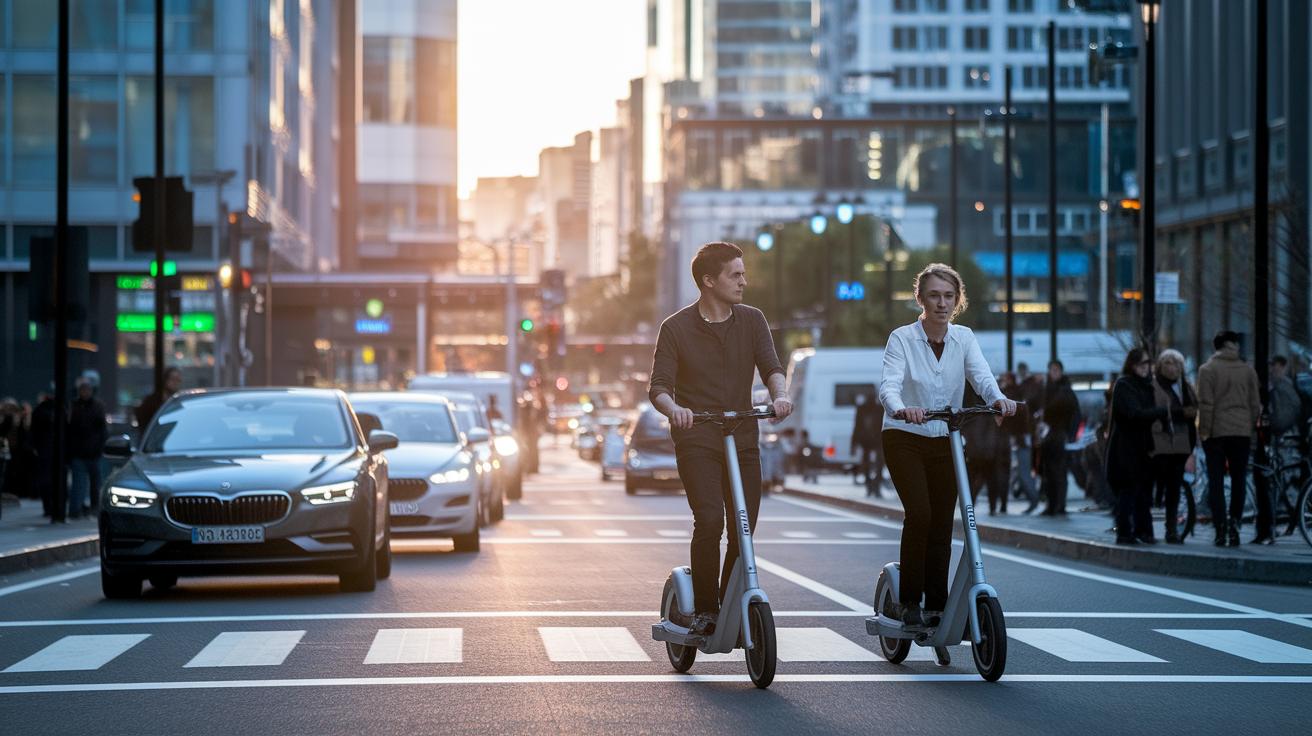
Mobility tech is all about using digital tools and smart devices to change the way we move around our cities. Imagine cars that chat with each other, e-scooters and bikes zipping around, and streets lined with smart sensors, all supported by big data systems that track traffic and usage. It’s like having a digital engine that keeps our rides smooth and our roads safer. Fun fact: Before tech came along, city buses ran on fixed schedules printed on paper. Now, real-time data helps adjust routes on the fly to match demand.
This tech isn’t just about vehicles. For example, the “Guardians of Mobility” platform shows off cool new tech from PTV and Econolite that boosts traffic info and keeps people moving safely. There’s even a resource library packed with customer stories, expert talks, and partner tips. It’s a bit like having a pit crew of urban transit heroes who are all about making our cities greener and smoother to run. For bus drivers, city planners, and everyday commuters, these digital upgrades mean safer travel, more efficient operations, and fewer hiccups along the way. Isn’t it cool how even a small change in tech can have such a big impact on our daily rides?
Emerging Trends in Mobility Tech
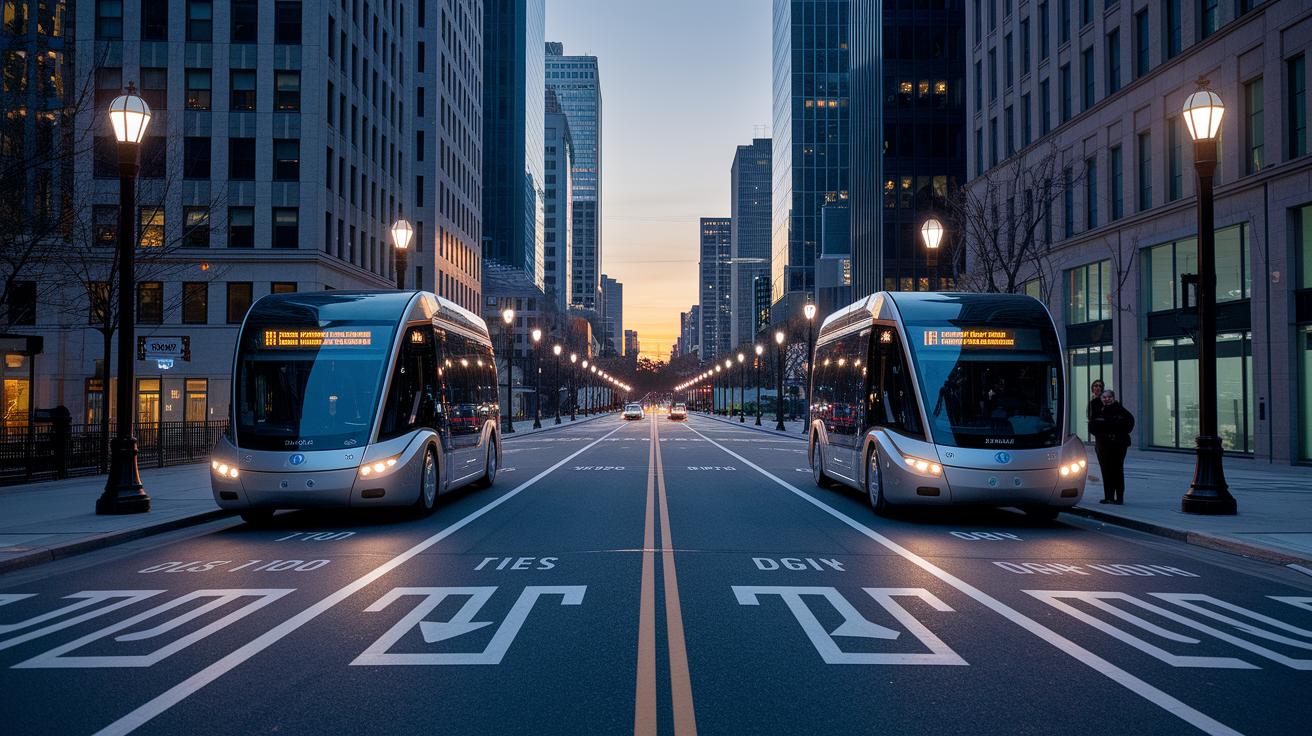
Mobility tech for 2025 is taking the wheel with fresh product launches and exciting keynote sessions that are changing how our streets work. Think of it as having a smarter engine under the hood of our cities. With clever data systems, AI predicting traffic twists and turns, and sensors that keep an eye on safety, our transit systems are set to run as smoothly as a well-tuned ride.
These innovations come in three big flavors: sensor-driven insights, AI boosting route smarts, and cloud-powered smooth updates. Here’s a quick pit stop on what each trend means:
- Sensor-driven insights give us live updates to monitor traffic and keep our roads safer.
- Upgraded sensor systems gather and check data to spot road hazards before they become problems.
- AI route optimization uses smart math to cut down travel times and share the load on busy roads.
- Machine learning in traffic forecasts helps predict jams so cities can quickly tweak routes.
- Cloud-powered operations let us update software easily, keeping everything up to date and secure.
- Digital platforms that work together let transit teams manage data remotely and collaborate better.
Each of these trends shows how mobility tech is constantly evolving. With every new update, we’re steering our cities toward a future where travel is not just faster, but also a lot safer and more predictable.
Industry Innovations in Mobility Tech: Leaders and Solutions
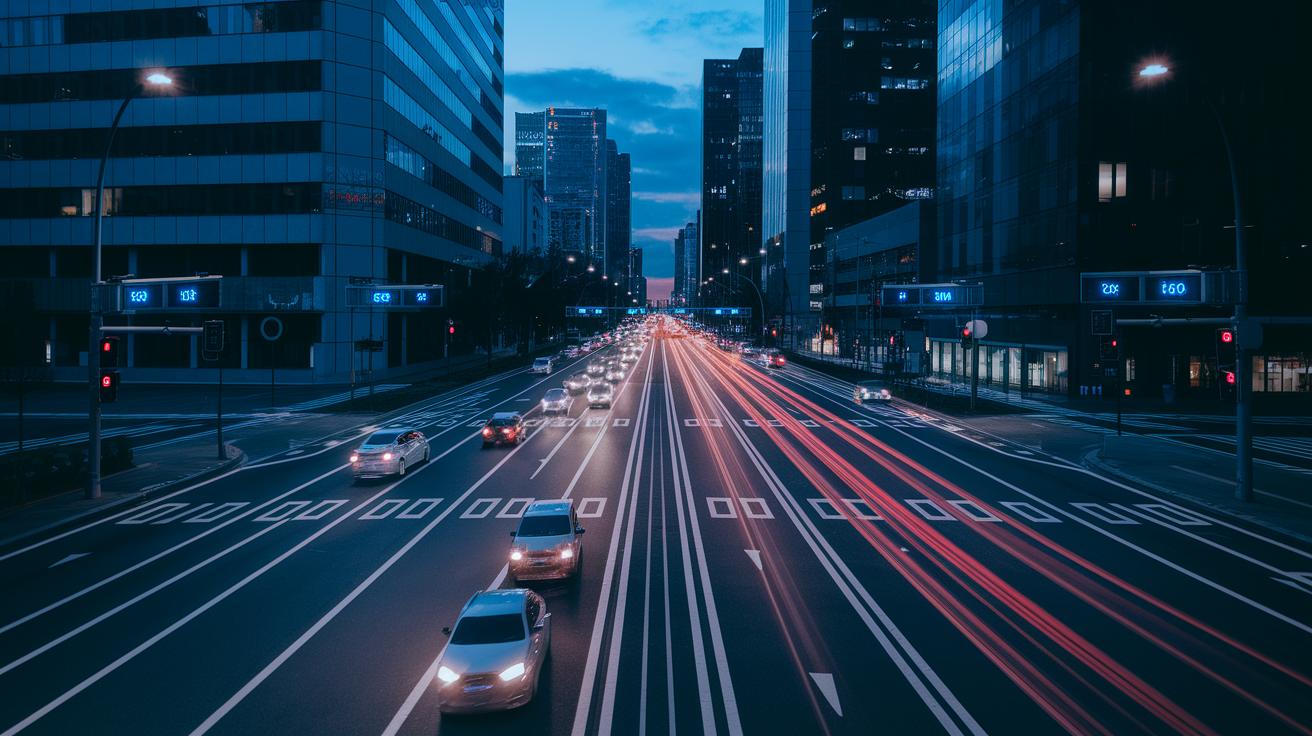
PTV’s networked analytics system is a game-changer for city transit. It gathers info from a whole bunch of connected sensors and devices, making it easier for operators to see traffic patterns and adjust signals on the fly. Think of it as having a smart traffic cop watching every busy intersection to keep roads safe and running smoothly. Plus, its strong analytics let decisions happen right when they're needed.
Econolite’s adaptive signal control is all about making traffic flow better. This smart tech adjusts light timing based on actual road conditions and even boosts how cars talk to traffic signals through cool connectivity features. This means intersections work smoother, wait times get shorter, and pedestrians enjoy a safer journey.
Umovity takes a team approach by connecting customers, partners, and distributors from around the globe to build smarter transport systems. Their collaboration gathers real-world feedback that helps fine-tune both hardware and software. By mixing diverse ideas and expertise, Umovity supports engineers and planners in crafting systems that are ready for the future, keeping urban travel both efficient and secure.
Micro-Mobility Innovations in Mobility Tech
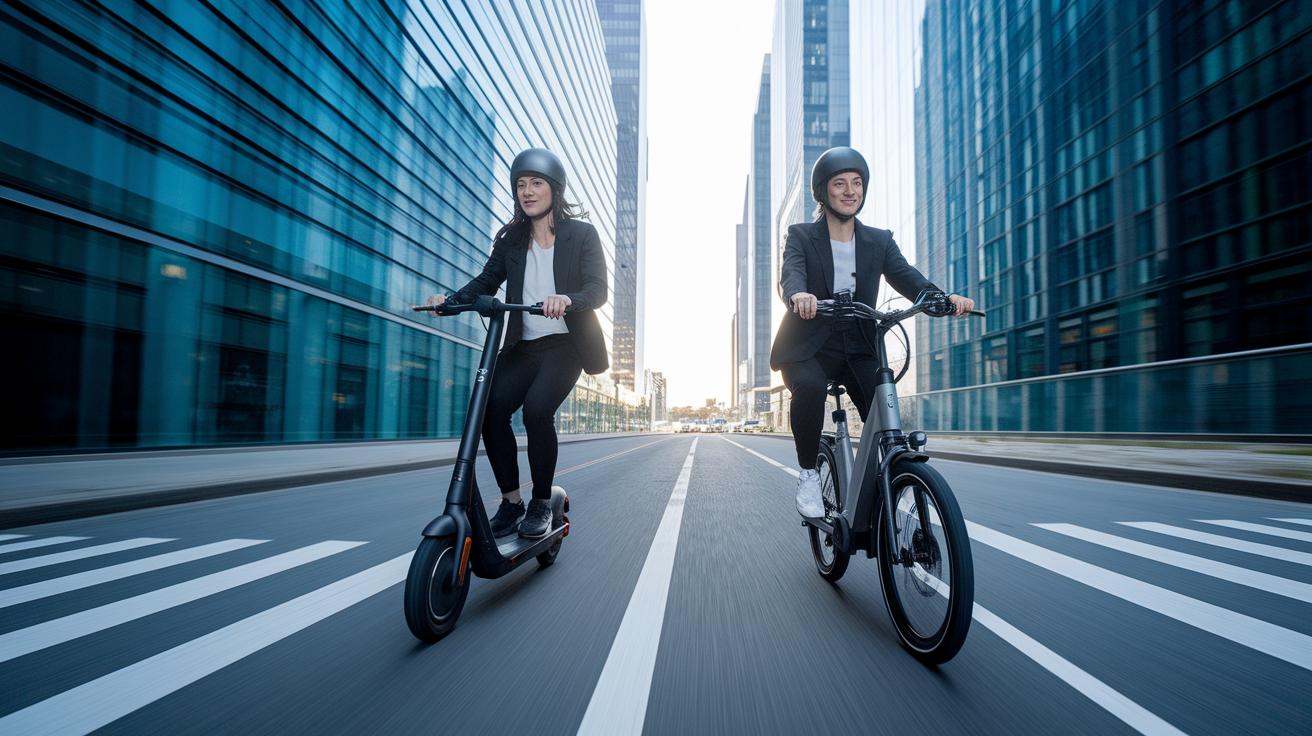
Micro-mobility has really taken off lately. Cities and suburbs alike are buzzing with advanced electric scooters and next-gen e-bikes that make getting around both fun and eco-friendly. Car makers are rethinking designs to boost efficiency and add smart features that offer real-time performance updates. And yes, that means smoother rides, better safety, and more intuitive controls for everyone.
Take a look at how different devices stack up:
| Device Type | Key Features | Ideal Use Case |
|---|---|---|
| Standard E-Scooter | Durable build, extended battery life, simple controls | Daily urban commuting |
| Advanced E-Scooter | Smart connectivity, performance analytics, high-speed mode | Tech-savvy users in busy cities |
| E-Bike | Powerful motor assist, long-range design, intuitive interface | Mixed urban and suburban travel |
And it doesn’t stop there. Modular designs are now in the spotlight as companies introduce accessories you can add to make your ride uniquely yours. Plus, swappable batteries are a game changer, offering more flexibility and less waiting around for a recharge. It’s all about giving riders more control and meeting the fast-changing needs of our urban world.
mobility tech Sparks Dynamic Transport Trends
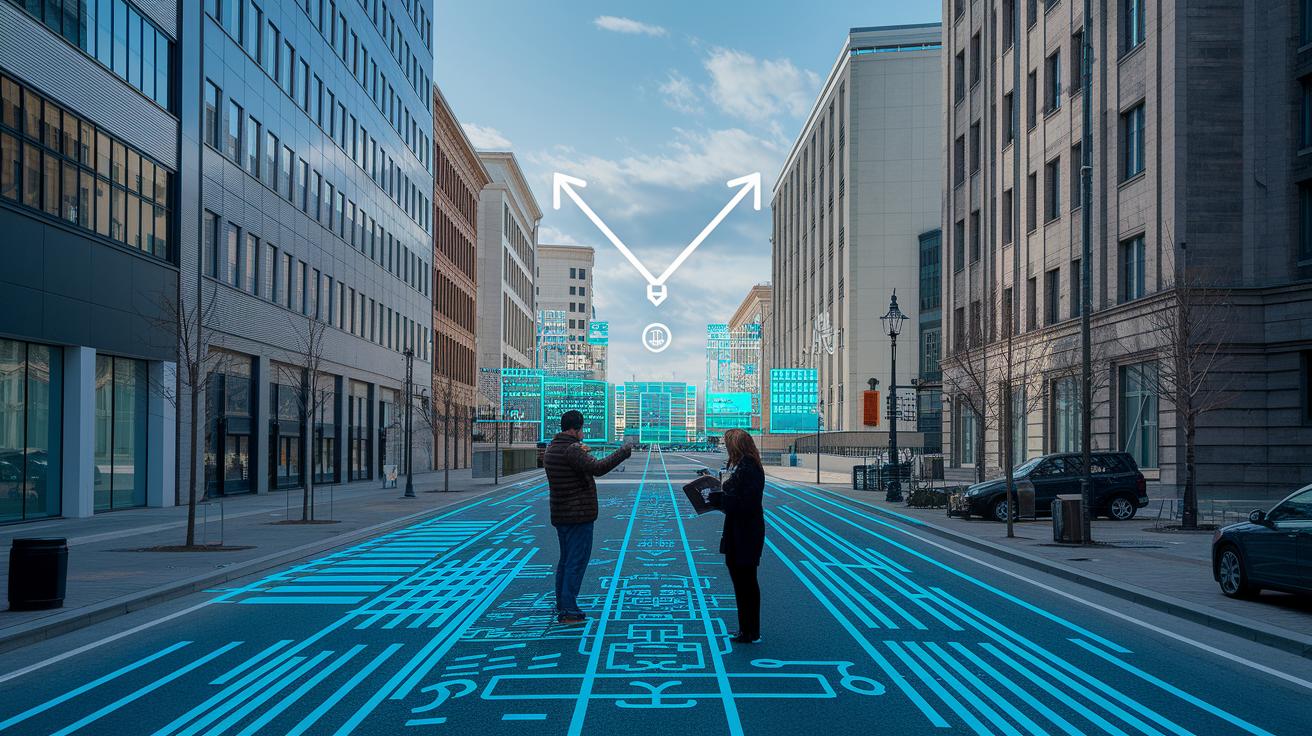
Smart transportation systems are shaking up our streets by blending digital tools with live, real-time data. They pull off everything from collecting detailed information to using smart AI controls that make travel smoother and safer. Cities now can use digital networks to ease traffic jams and cut down delays. And if you plan to attend the TRB Annual Meeting 2026, get ready for an in-depth look at these systems from modeling and planning to hands-on improvements.
Digital Twin Models
Digital twin models build virtual copies of roads, intersections, and vehicle fleets. They let transit planners test changes in a safe, digital space before trying them out in real life. Imagine a bustling intersection where a digital twin can pinpoint trouble spots and help design better signal plans to keep traffic moving. These models give a clear, real-time snapshot of urban roads, so improvements can be made on the fly.
Field Deployment Technologies
Field deployment tech is what puts the smart transportation dream into action. Tiny IoT sensors placed along roads collect traffic data constantly, and nearby edge computers crunch this data right on site to cut down on lag. Thanks to high-speed wireless, boosted by 5G and connected car benefits, the information zooms to control centers in no time. This network of real-time tools helps tweak signal timings and launch quick incident responses, turning digital insights straight into real-world safety and efficiency gains.
Future Outlook for Mobility Tech
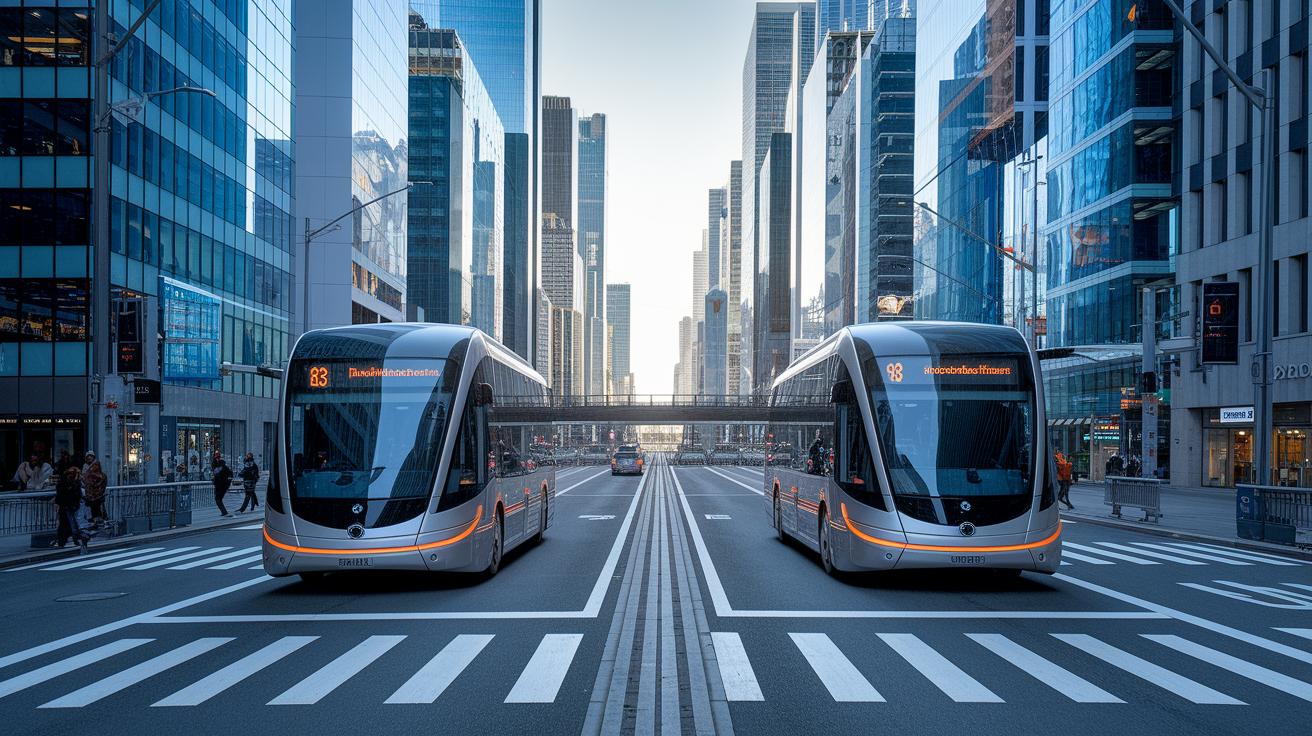
Mobility tech is about to shake things up, and urban travel is in for a major transformation. At the TRB Annual Meeting 2026, expect announcements of new ideas that could completely change how cities get around.
They’re planning a steady stream of hardware upgrades (think cool new tools) and software improvements (like better systems to manage transport from afar) that will roll on well into 2025 and beyond. City planners and tech experts are teaming up in community-driven approaches to create transit solutions that are not only smarter but safer, too.
New discussions on metro rules are heating up, with fresh policies aiming to boost eco-friendly travel and simplify fleet coordination. Future plans include support for automated systems and remote controls to keep things running smoothly.
As our cities grow, these innovations will mix remote advancements with local strategies to improve overall performance and safety. With everyone pitching in to update the rules, the future for mobility tech looks promising and ready to meet our changing world.
Final Words
In the action, we explored how mobility tech drives change, covering connected vehicles, smart corridors, e-scooter advances, and digital twin models. We checked out sensor-based analytics and AI-powered route optimization improving daily commutes. Innovations from PTV and Econolite are shaking up traffic safety and operational efficiency, while future forecasts show even more smart solutions ahead.
Each section offered a snapshot of trends reshaping urban transit. The road is clear, and the future of mobility tech shines bright.
FAQ
What does a mobility tech do and what is their job description?
The mobility tech supports connected transit systems by installing, maintaining, and troubleshooting hardware and software. They help integrate sensor technologies and digital platforms that keep urban travel smooth and safe.
What is the meaning of mobility technology?
The mobility technology refers to integrating systems like connected vehicles, micro-mobility devices, smart corridors, and data platforms to make urban travel more streamlined and efficient.
What does a mobility team do in tech?
The mobility team handles system upgrades and tech coordination. They implement sensor analytics and AI-based routing to improve traffic flow and overall transit performance.
How much do mobility technicians make at Kaiser and what is their salary?
The mobility technicians at Kaiser earn competitive wages based on experience and local market standards, reflecting the technical skill and responsibility required to support advanced transit systems.
Where can I find mobility tech jobs?
Mobility tech jobs are listed on various online job boards and local career sites. Interested candidates can search by location to find roles that match their experience and expertise.
What is PTV Vissim and how do I download it?
PTV Vissim is a traffic simulation tool used to model and analyze urban transit systems. To download it, visit the authorized PTV website and follow the installation instructions.
What does mobility technician training involve?
Mobility technician training includes hands-on courses and practical instruction on installing and managing transit systems. Trainees learn to work with sensor technologies and digital platforms essential for modern urban transport.