Maintenance
Vehicle Maintenance: Simple Tips For Smooth Rides
By jamesdimon
September 21, 2025
Field Notes
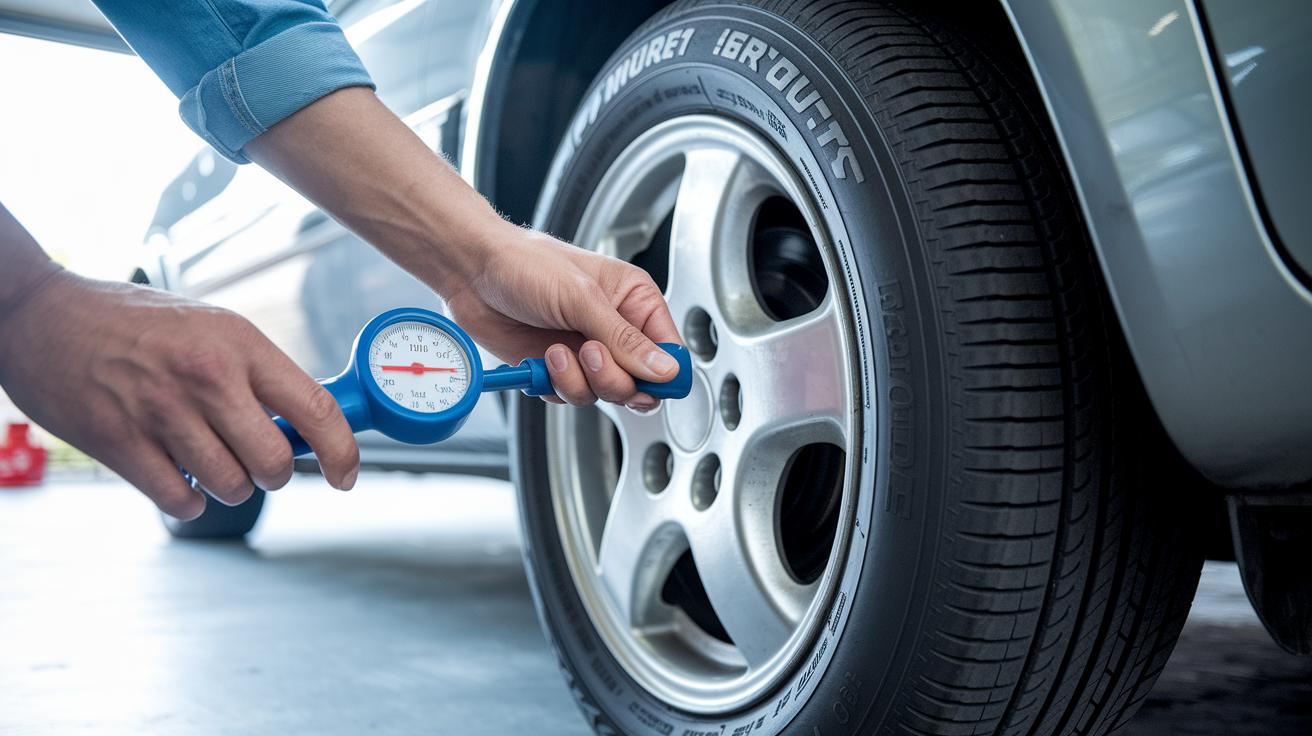
Ever wonder if your car could run like a dream with just a few small tweaks? A lot of drivers skip the simple checks that keep their rides running smooth. Even things like oil changes and belt checks go a long way in keeping your vehicle on the road for longer. Today, we're chatting about some easy maintenance tips that truly make a big difference. Stick around to learn how a little routine care can keep your car performing at its best every time you hit the road.
Essential Vehicle Maintenance Schedules & Checklists

Keeping your car in tip-top shape means sticking to a regular upkeep plan. Think about getting an oil change, a filter swap, a check on your serpentine belt, and a look at your wiper blades every six months or about 6,000 miles. Funny enough, most drivers don’t realize that a simple belt check before hitting 6,000 miles could really extend your car's life. This kind of planning keeps surprises at bay and helps your ride stay smooth.
Using a handy checklist makes it easier to plan your car's care and tackle preventive tips without stress. Our "Preventative Car Maintenance" guide (https://unionno.com?p=539) even lays out what to expect during a full check-up every 12,000 miles. During this service, mechanics inspect over 50 items like the engine air filter, cabin filter, belts, hoses, and brake pads to keep your ride running safely. When things need more attention, a major service covers stuff like swapping brake fluid, replacing spark plugs, checking the transmission fluid, changing the timing belt, and even testing the battery. Seasonal checks, such as rotating tires and aligning wheels, also help balance wear and fine-tune systems like the steering-angle sensor and ADAS for peak performance.
| Service Interval Type | Frequency (Miles/Months) | Key Tasks |
|---|---|---|
| Interim Service | 6,000/6 | Oil change, filter replacement, serpentine belt, wiper blade check |
| Full Service | 12,000/12 | 50+ checks including engine air filter, cabin filter, belts, hoses, brake pad inspection |
| Major Service | Varies | Brake fluid exchange, spark plug replacement, transmission fluid, timing belt, battery testing |
| Seasonal Checks | As needed | Tire rotations, wheel alignment, wiper blade replacement |
Booking your appointments online can save you time while snagging discounts and making sure your car always gets the care it needs.
Engine & Fluid Maintenance Essentials for Vehicles
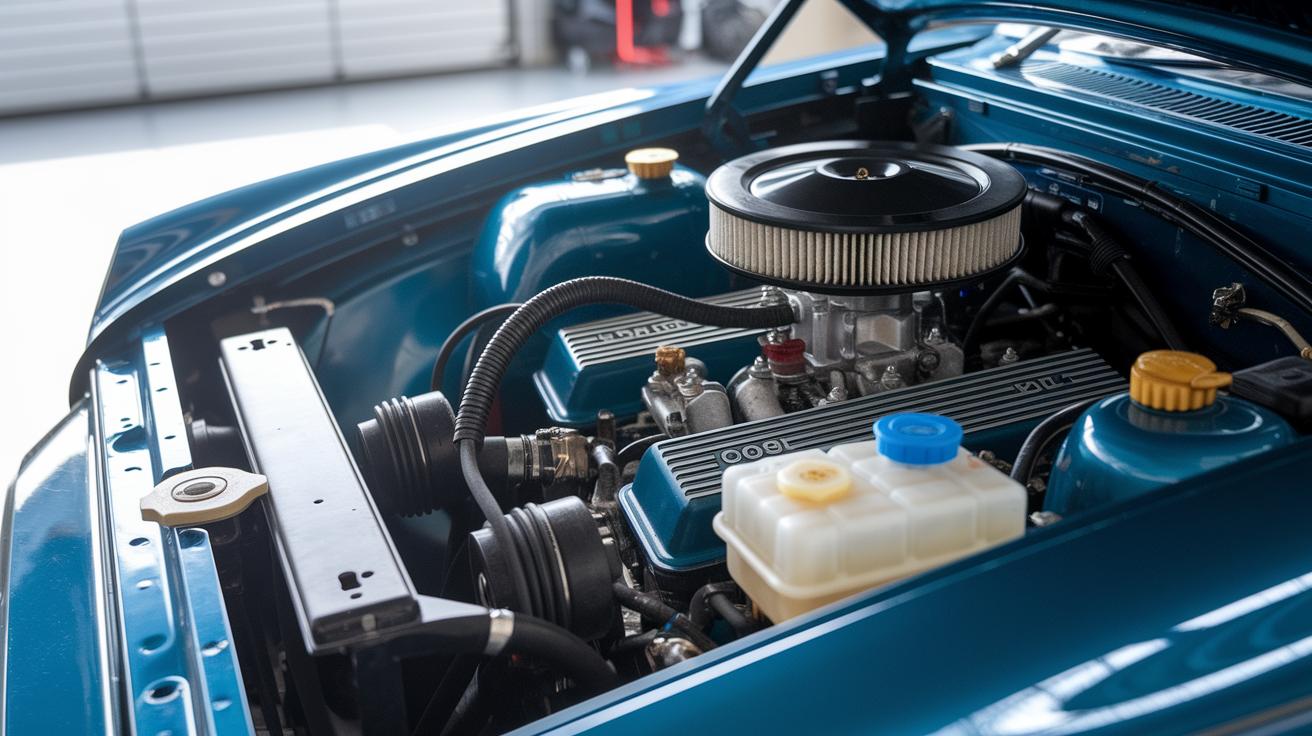
Keeping your engine happy means giving it regular checkups and the right fluids. Make sure you stay on top of oil changes, coolant levels, transmission fluid, and air filters so your car can perform its best. Follow your car’s manual, like changing the oil every 6,000 miles or six months and replacing filters about every 12,000 miles, to keep everything in top shape.
Engine Oil Changes
Oil is like your engine’s lifeblood. Whether you use synthetic or conventional oil depends on what your car’s maker recommends. Change your oil around every 6,000 miles or six months, and be sure to replace the oil filter too. Sure, DIY oil changes can save a buck, but sometimes it helps to let a pro take a look. For extra details, check out the Car Oil Change guide on their website.
Coolant System Checks
Coolant helps keep your engine from overheating, kind of like a cool drink on a hot day. Always check your coolant levels during service visits and watch out for any leaks. Inspecting your radiator with a pressure test and giving a quick look at the hoses for cracks can make a big difference in avoiding engine trouble.
Transmission Fluid Inspections
Your transmission fluid should look clear and have the proper color. Make it a habit to check the dipstick and fluid levels often so you can catch signs of burning or contamination early. These inspections are key parts of a major service that can help prevent expensive transmission repairs later on.
Air Filter & AC Servicing
A clean engine air filter and cabin filter are essential for keeping your car’s airflow in top condition. Replace these filters once a year or every 12,000 miles, and take a moment to check that your air conditioning system’s refrigerant levels are spot on. Regular checks can help stop AC hiccups before they become a real problem.
Sticking to these maintenance routines not only keeps your vehicle running smoothly but also helps you avoid unexpected repairs down the road.
Tire & Alignment Maintenance for Optimal Vehicle Performance
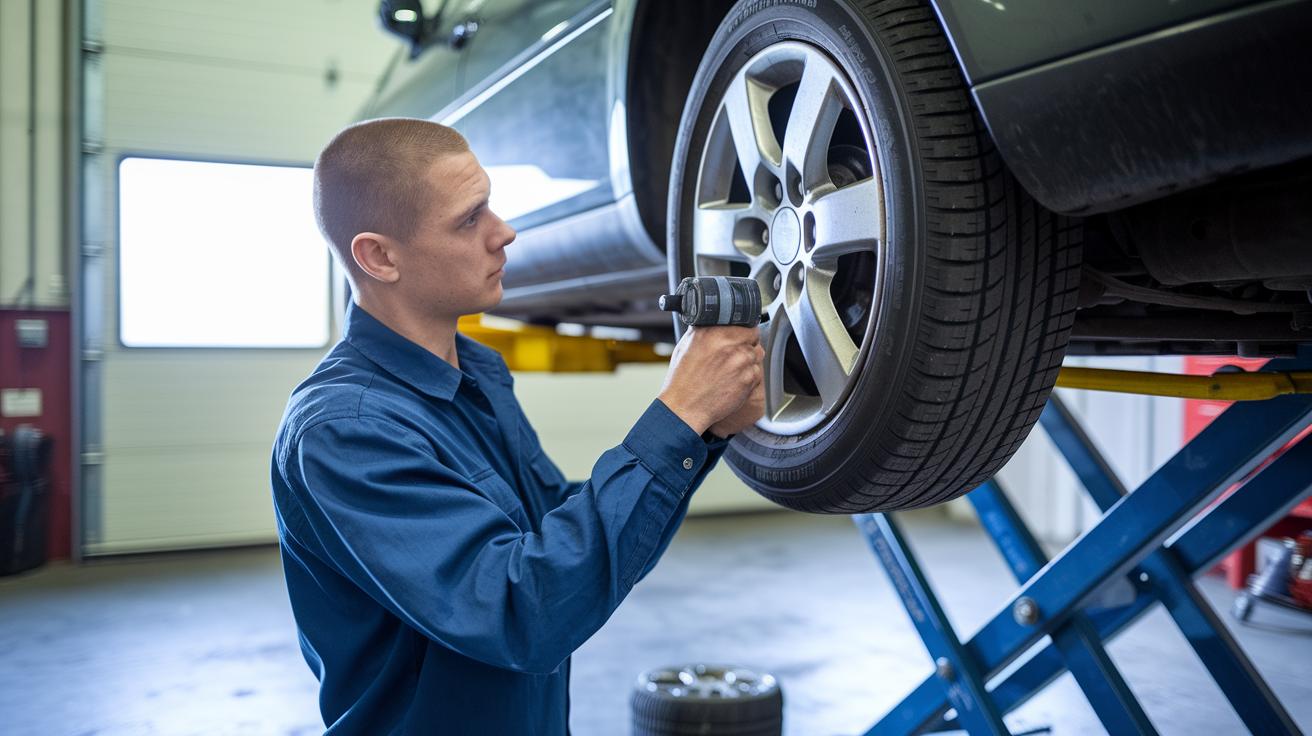
Keeping your tires in great shape is the first step toward safe driving. When your tires are well-maintained, you enjoy a smooth ride and avoid dangers like blowouts or unstable handling. Regular tire rotations help your tires wear evenly, and a good alignment cuts down on vibrations and steering issues. Many experts recommend you rotate your tires every 6,000 miles to keep things running right. For more tips, check out How Often to Do Tire Rotation.
- Check your tire pressures often to match the recommended PSI for your car’s load and weather.
- Loosen lug nuts before lifting the vehicle to make tire removal easier.
- Use jack stands to safely raise your car.
- Rotate your tires following the proper pattern for your drive type so they wear evenly.
- Tighten the lug nuts to the correct torque to keep each tire secure.
After you finish with your tires, it’s a smart move to have a pro handle a wheel alignment. This step fixes steering issues and helps reset your ADAS sensors, ensuring your car performs its best. For more details on these services, see Tire Rotation and Balance.
Battery & Electrical Vehicle Maintenance Guidelines

Regularly checking your battery's voltage and charging system at big service appointments is a smart move. Batteries usually last around 3 to 5 years, so keep an eye on their age and give them a test now and then. If you feel like the battery isn’t as lively as it should be, it might be time to switch it out before you run into bigger issues.
It’s important to inspect the battery terminals for any little signs of corrosion. A quick clean-up of the posts and clamps using a baking soda solution can stop any build-up and keep the connection strong. And when it comes to jump-starting, following a safe procedure is key, always hook up the jumper cables in the right order to cut down on sparks and avoid damage.
For a more detailed look at your car’s electrical health, you can use an OBD2 scan tool. This handy gadget helps spot issues early. Also, make sure you use the right charger settings when charging your battery and check that the alternator belt has the proper tension. This kind of proactive care is all about keeping your vehicle in top shape, ready for the road ahead.
Record-Keeping & Scheduled Inspections for Vehicle Maintenance

Keeping a detailed repair record is like having a roadmap for your car’s care. When you write down dates, mileages, the type of service, parts that were replaced, and the costs, you’re setting yourself up for a smooth ride in the future. It’s a bit like jotting down notes about spending $40–$70 on an oil change or $20–$50 on a tire rotation, every little detail adds up.
Using an online tool or a printed log makes it super easy to keep your maintenance history organized. Just be sure to include specifics like brake fluid flushes (around $70–$120), spark plug replacements (roughly $100–$200), and diagnostic scans (about $80–$100). Recording these things not only helps you track each service, but it also gives you that extra peace of mind, kind of like having a checkbook just for your car’s upkeep.
When you update your service log regularly, budgeting for your vehicle’s upkeep becomes a whole lot simpler. This habit means you can set aside a bit of cash every month or year to cover maintenance costs, keeping surprises at bay. Plus, a well-documented repair history can boost your car’s resale value by showing buyers that it has been carefully looked after.
DIY Vehicle Maintenance Tools & Mobile Apps

Having the right tools is like having a dependable buddy in your garage. Think of a torque wrench (that tool that helps you tighten bolts just right), jack stands for safely lifting your car, an OBD2 scan tool to check your engine’s health, and a fluid funnel set to make refills simpler. These essentials are your go-to gear for everything from checking fluid levels to fixing a loose bolt or a small leak.
Now, let’s chat about mobile apps. Apps like MyCARFAX, AUTOsist, and Fuelly work like a friendly co-pilot, offering you gentle reminders for routine services such as oil changes or tire rotations. It’s like getting a little text from a friend who always looks out for you, helping you stick to a smooth car care schedule without the hassle.
Digital service logs are another smart tool in your car maintenance kit. They let you snap photos, store receipts, and even set up calendar alerts for upcoming service dates. Plus, you can find handy checklists online for seasonal tune-ups or pre-road-trip inspections, so you always know what’s been done and what comes next.
Choosing Professional Vehicle Maintenance & Cost Planning

When you're checking out car service shops, it helps to compare prices between dealerships and local independent shops. Dealerships usually run about $80 to $150 per hour and use parts guaranteed to match your car maker's standards. Independent shops might charge around $60 to $100 per hour instead. Ask your mechanic for a clear inspection report, either digital or printed, so you can see the work they did and compare what each place offers.
Next, take a close look at your options when it comes to warranty coverage and parts selection. Many car owners face a choice between OEM parts (those made by your car's manufacturer) and aftermarket alternatives. While OEM parts might cost a bit more, they help keep your warranty in the clear. Even if you have an extended warranty, it’s smart to review what services are covered and what deductibles might apply. A quick chat with a trusted mechanic can help you decide if spending extra now might save you from bigger costs later.
Finally, set up a maintenance budget that works for you. Combining services like oil changes, filter swaps, and tire rotations can shave off some labor fees by shortening the overall service time. Booking your appointments online might even score you some discounts or bundled deals. Keeping track of these costs and planning ahead makes regular car care more affordable while still ensuring your ride stays safe and runs smoothly.
Final Words
In the action, we explored standard service intervals, from interim oil changes to major engine overhauls. We broke down tire rotations, battery checks, and record keeping so everyday drivers can easily follow along. DIY tools, mobile apps, and cost planning tips make it simple to stay on top of vehicle maintenance. Each section reminds us that taking care of your car isn’t just routine, it’s a smart way to boost performance and confidence. Keep those checklists handy and enjoy the smooth ride ahead!
FAQ
What is a vehicle maintenance pdf?
A vehicle maintenance pdf is a downloadable guide that outlines service intervals and checklists to help you track essential tasks and schedule timely upkeep for your vehicle.
What is a car maintenance checklist?
A car maintenance checklist is a handy list of scheduled tasks, like oil changes and tire rotations, that keeps your car running safely and efficiently.
What is a vehicle maintenance schedule?
A vehicle maintenance schedule details recommended service intervals, helping you remember when to perform essential tasks such as oil changes, filter checks, and other inspections.
What is a vehicle maintenance log?
A vehicle maintenance log is a record where you document dates, mileage, and services performed. It makes tracking your car’s service history simple and budget-friendly.
What is a car maintenance checklist PDF?
A car maintenance checklist PDF is a digital template that you can download to list key service tasks. It helps you plan and track necessary upkeep for your vehicle.
What does Vehicle Maintenance Air Force mean?
Vehicle Maintenance Air Force refers to a strict service schedule used by Air Force vehicles, ensuring they meet high operational standards through regular inspections and upkeep.
What are vehicle maintenance expenses?
Vehicle maintenance expenses cover costs for routine services like oil changes, tire rotations, and repairs. Tracking these costs helps you budget and extend your vehicle’s life.
What is a car maintenance checklist template?
A car maintenance checklist template is a customizable document that outlines important service tasks, from oil changes to filter replacements, helping you plan regular upkeep.
What is maintenance in a vehicle?
Maintenance in a vehicle means carrying out regular tasks such as oil changes, fluid checks, and tire rotations to keep the car running safely and efficiently.
What routine maintenance is required for a car?
Routine maintenance for a car typically includes oil changes, tire rotations, brake inspections, fluid level checks, and filter replacements to ensure reliable performance.
What is the 30-60-90 rule for cars?
The 30-60-90 rule for cars suggests checking key fluids and pressures every 30 days, having a minor service after 60 days, and performing a more thorough inspection at 90 days.
What is the most basic maintenance item on a vehicle?
The most basic maintenance item on a vehicle is an oil change. It ensures smooth engine operation by reducing friction and removing impurities.